
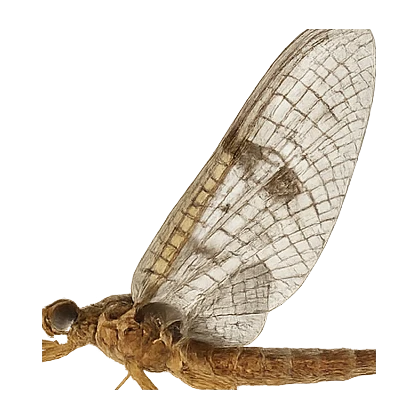
 Mayflies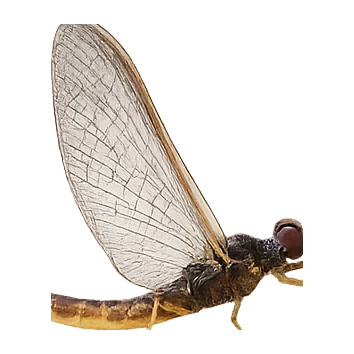
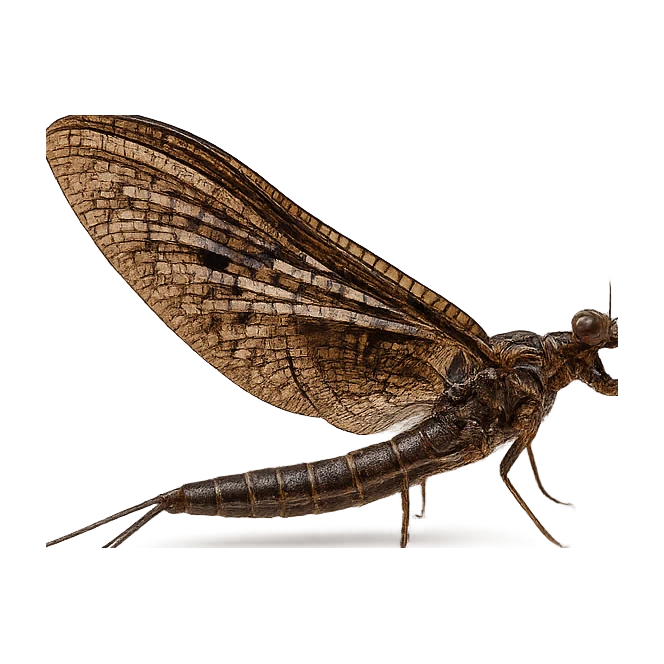
 Stoneflies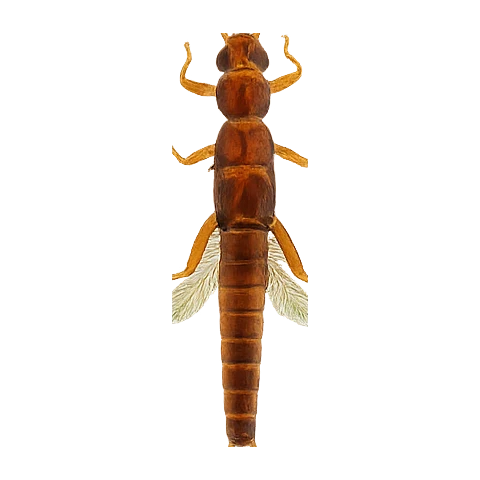
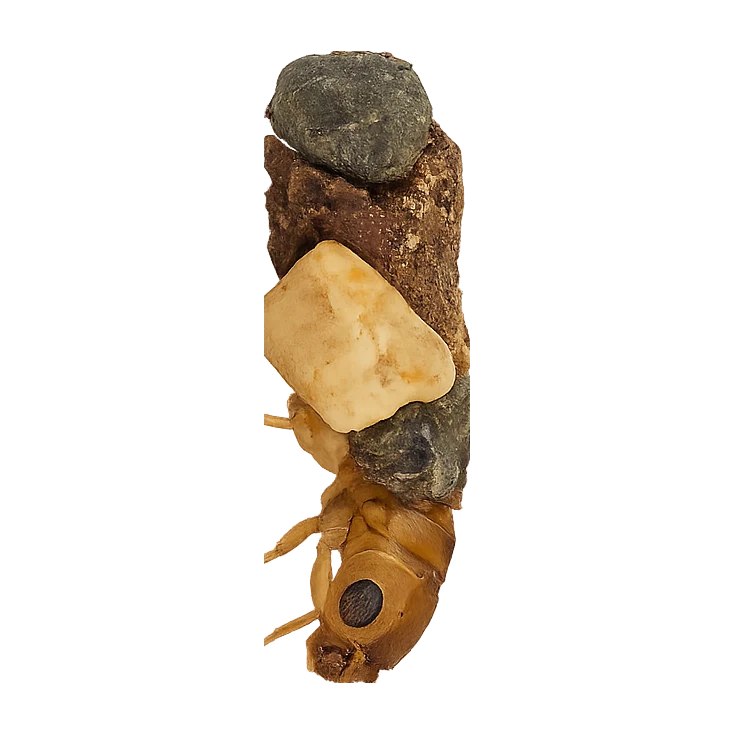
 Caddisflies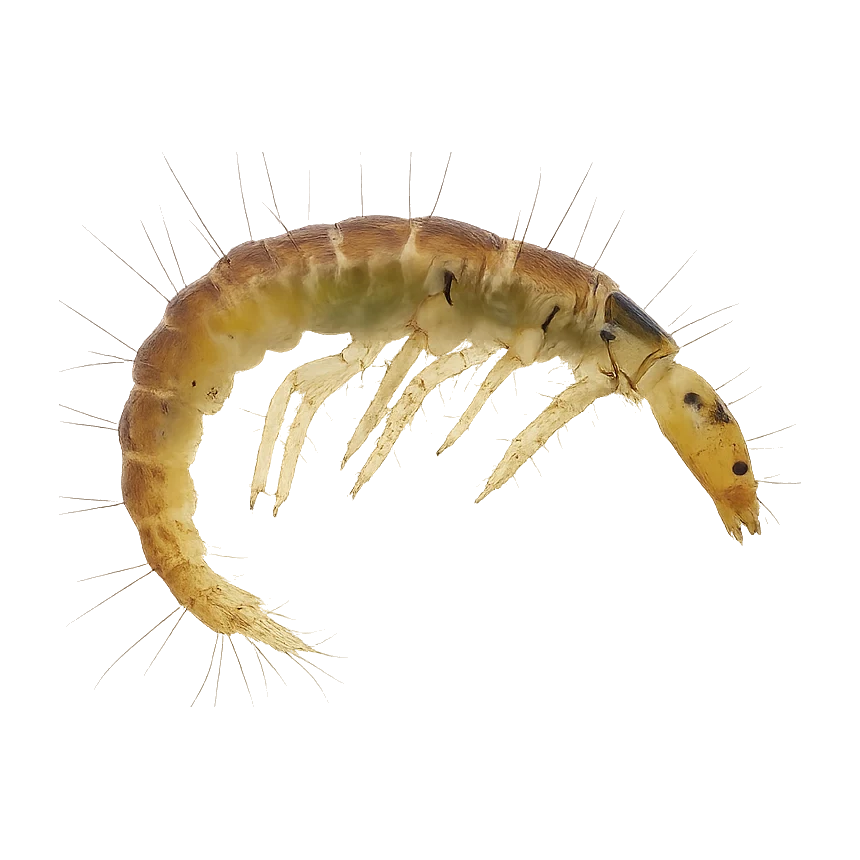
 Aquatic beetles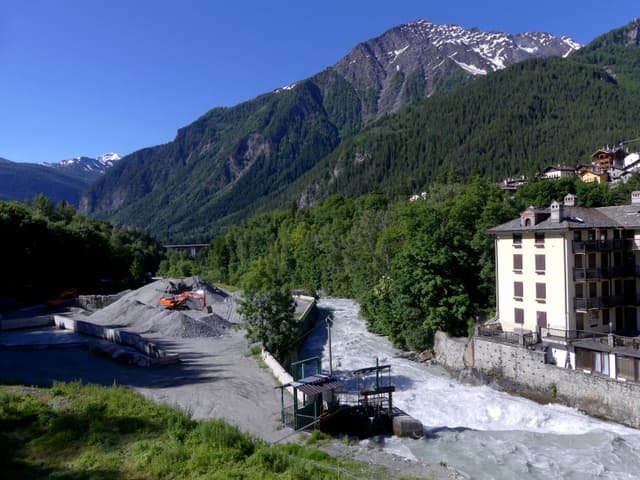
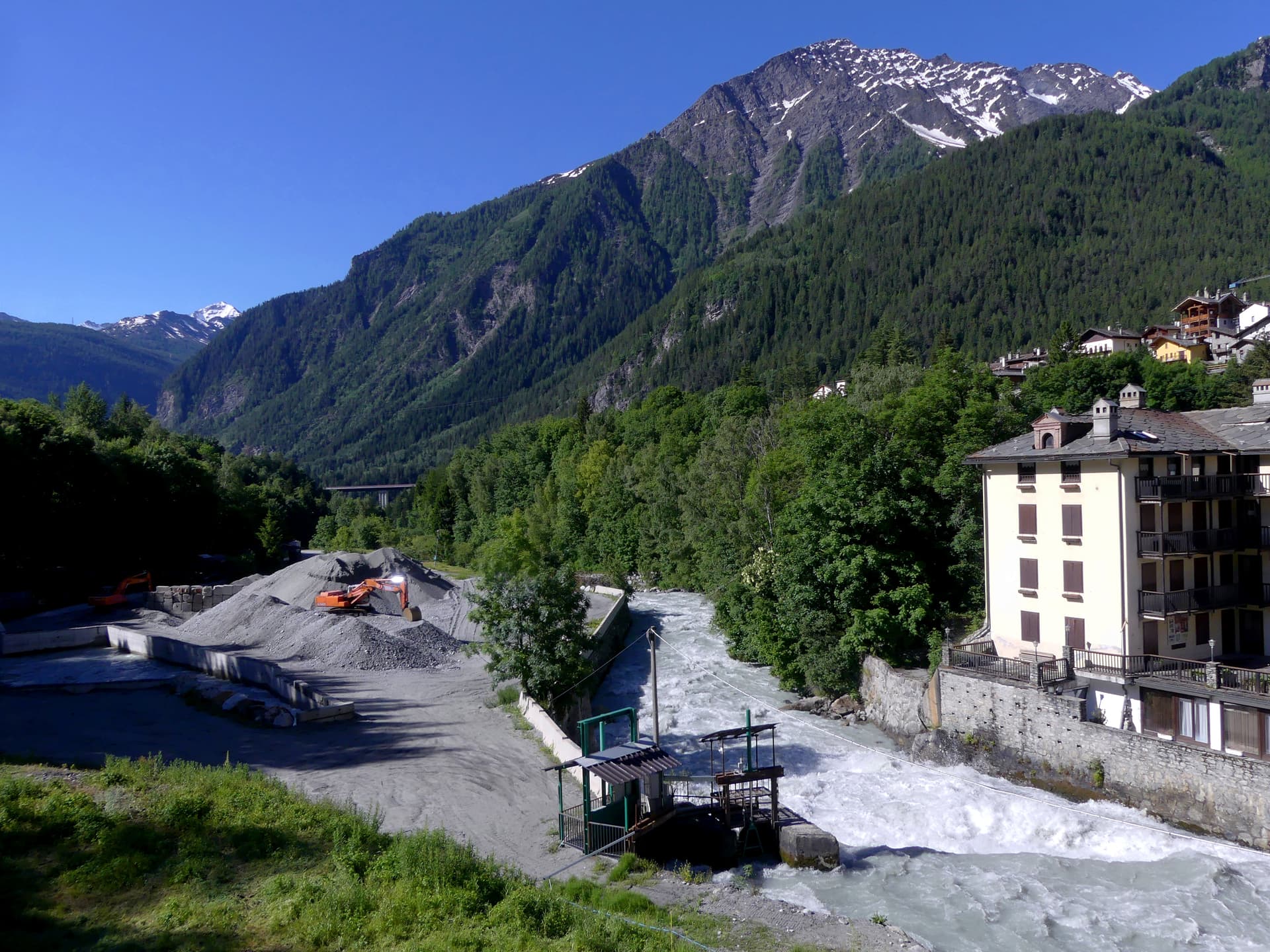
The Dora Baltea gathers itself from glaciers under Mont Blanc and Monte Rosa, and by the time it reaches the middle valley below Aosta it has become a proper river — wide, deceptively even-paced, the kind of water that looks straightforward until you've waded a hundred yards of it. The no-kill reach through Chambave, Fenis, Nus, Saint Marcel and Verrayes runs for about nine and a half kilometres over a bed of sand and bedrock sills, and it holds the valley's best case for wild trout: brown trout and native marble trout share the deeper glides here, with grayling present on the wider river system. A long-running tagging study follows both trout species through this water, which tells you something about how seriously it's taken. Everything goes back — barbless hooks, three flies maximum, catch and release non-negotiable. The river runs milky with glacial melt through high-summer afternoons; fish it early, or wait for the settled water of autumn.
- Granite schist