Karst · Limestone · Franche-Comté / Doubs (St-Hippolyte), FR

Dessoubre

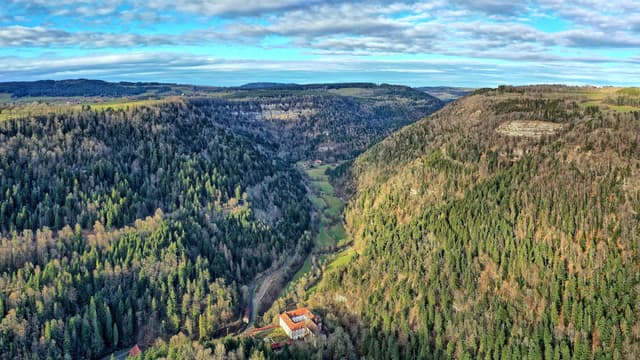
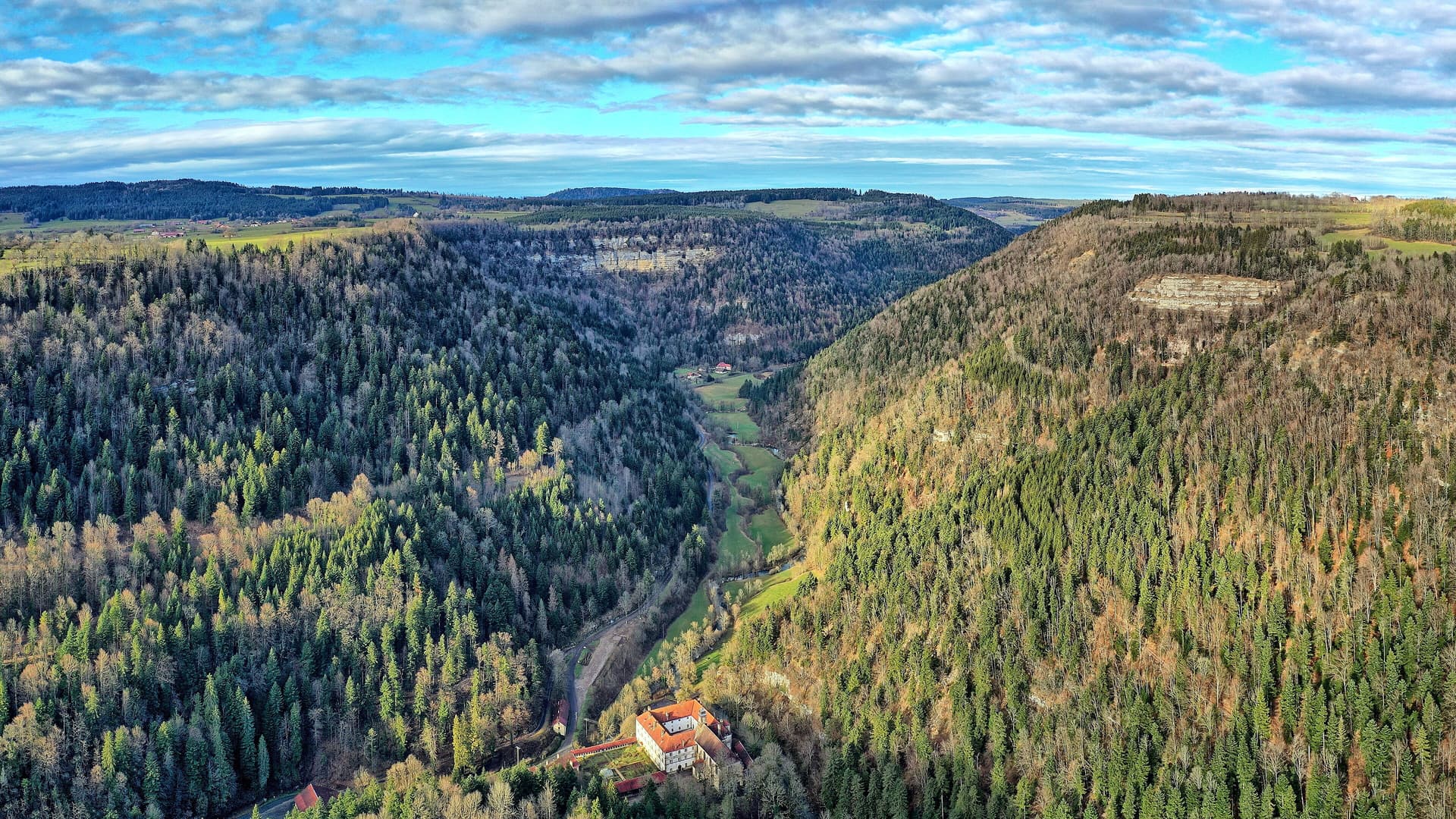
Consolation, la vallée du Dessoubre

The Dessoubre is what you end up talking about after a few glasses of wine at the gîte, because you've run out of polite things to say about the Loue.

Today · Closed season
CDC Emerger
New ruleReported 17 Jul 2026

Severe drought restrictions (crise) in force

VigiEau lists this venue's surface-water zone (Plateau calcaire jurassien, dépt 25) at crise, under an official préfectoral drought arrêté. Fishing is not itself banned by it, but water levels are low — go gently on stressed fish.

Arrêté préfectoral n°37370 ↗

Temporary notices from official orders and recent fishery reports — they clear automatically once out of date. Always confirm locally before travelling.

Forecast · Today
Closed season
Out of season. Try elsewhere.
45% projected
Today's fly
CDC Emerger
CDC Emerger
Conditions on the water · Today
Proxy gauge
Level
Rising
Proxy
via Cusancin
Water temp16.7°C
ClarityVery coloured
Weather20°C
WindN 9 km/h
Pressure1021 hPa
Rain · recent0.0 mm
Rain · ahead20.8 mm

No gauge on this water — conditions are inferred from Cusancin. The trend transfers, the absolute level does not.

Water temperature for Brown Trout
Warm — slow
17°C est.ideal 10–16°C
0°14°28°
How to fish it · for Brown Trout
When
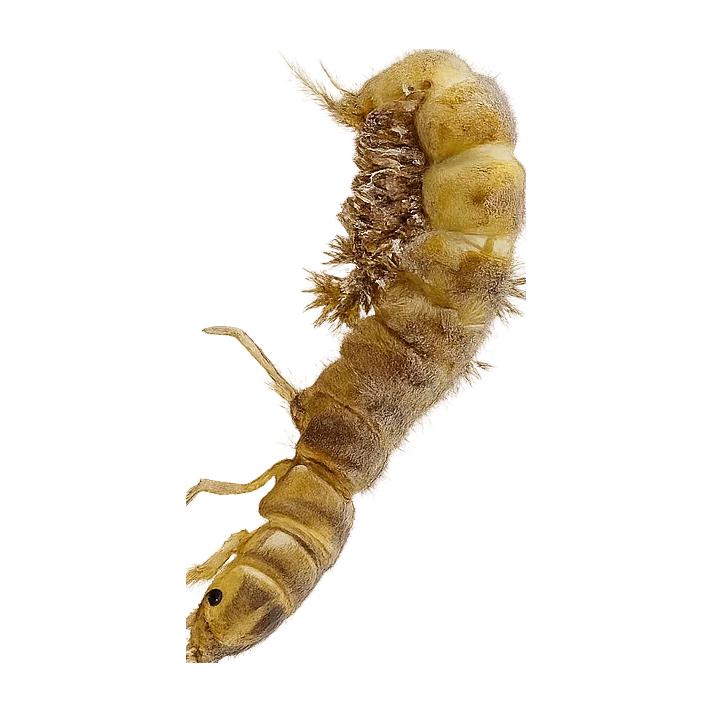
Through the open trout season. Spring olives and sedges; summer evening hatches; autumn small flies into the close.
Where
Limestone gorge water through the Doubs department. Pool tails and the cushion behind boulders; the Dessoubre is small-scale and intimate.
Method
Upstream dry to spotted rising fish; long fine leader. The water reads clear — careful approach matters more than fly choice. Move slowly upstream, cast accurately, accept the result.
Kit
9 ft #4 — French karst-stream default. Floating line, 14 ft leader to 4 lb fluoro. Polarising glasses non-negotiable.
Likely species
Hatch timeline · todayPeak at 11am

12pm(now) — Reed Smut

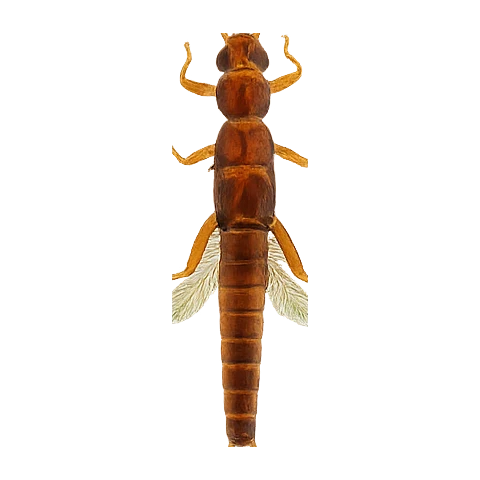
Stage: On emergersApproach: Emerger or dryActivity: 33%
Also:Flying Ants32%Cinnamon Sedge26%
Peak emergence window8 food groups active

Peak activity at 11am — Reed Smut (Reed Smut, Peak emergence window)

Sub-surface · on the nymphunder the surface

Hatch predictions

Top nymph shown — see all 2 guilds as a supporter.

Start free trial

14-day free trial. Cancel anytime.

Beyond the hatch · worth watchingambient prey(1)

Hatch predictions

Top prey shown — see all 4 as a supporter.

Start free trial

14-day free trial. Cancel anytime.

Evidence
Survey-backed · regionalHigh confidence

Backed by regional invertebrate surveys; no sampling on this exact reach yet.

Through the year
0–3 scale · September highlighted
J
F
M
A
M
J
J
A
S
O
N
D
Trout seasonSeason
1
2
2
2
2
2
1
Grayling seasonSeason
1
2
2
2
1
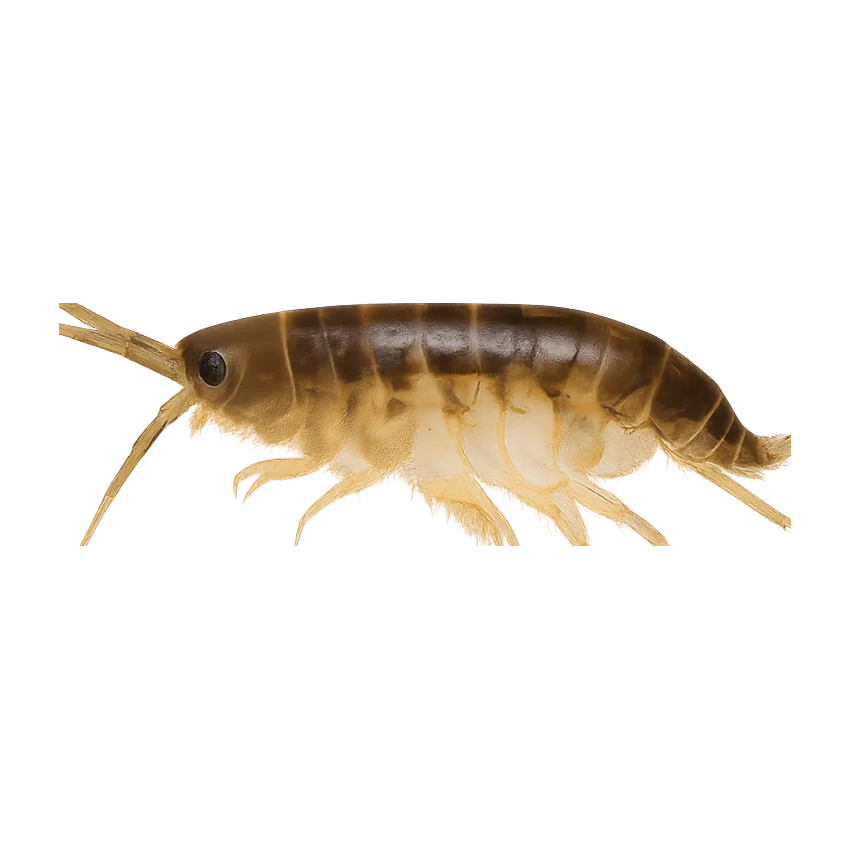
Freshwater ShrimpHatch
2
3
3
3
3
3
3
3
3
3
3
2
Brown SedgeHatch
2
3
3
3
2
Small SpurwingHatch
2
3
3
3
2
Small Dark OliveHatch
2
3
3
3
2

Numbers are intensity 0 (none) to 3 (peak) — a guide, not a guarantee.

Ranked for today
Brown Trout fly box

Sight-nymphing and technical dry-fly fishing on very clear trout and grayling rivers, with strong mayfly and sedge windows and highly selective fish.

SS
Small Streamer
6-10 · Pattern
Swing
Permits & access
Permit required — see local rules.
  • AAPPMA du Dessoubre
  • Fly-only parcours on several stretches, barbless recommended
  • Check current rules — the river has active no-kill reserves.
What's coming
Plan ahead
5-day outlook
Other water nearby · 5
Gallery · 2
  1. Consolation, la vallée du Dessoubre
  2. Terrain map of the venue
    Terrain map
About this water

The Dessoubre is what you end up talking about after a few glasses of wine at the gîte, because you've run out of polite things to say about the Loue. It rises cold and clean out of the Jura plateau, runs for forty-odd kilometres through a steep limestone valley, and joins the Doubs at St-Hippolyte having done almost everything right. The trout are wild, the grayling are properly big, and the hatches are dense enough to make you grateful you brought reading glasses for your fly box. It was hit hard in the early 2000s by the same mix of agricultural runoff and mysterious fish-kill events that savaged the Loue, and the river still has its difficult days. But when it's on — a cool May morning with BWOs coming off a flat glide — it's as good as continental Europe gets, and you leave promising yourself you'll tell no one about it.

Hatches & food

In chalk-spring and karst trout systems, generally stable temperatures broaden olive and other mayfly activity from early spring into autumn, with strong evening caddis, steady subsurface scuds and buzzers where clear groundwater and weedbeds develop, and terrestrials from meadow and woodland banks rounding out the food calendar, depending on how fast each river drops and clears after rain.

  • Limestone
Water quality (WFD)
  • Ecology: Good
  • Chemical: Unknown

WFD classification · FRDR634

The full read · show the working · for Brown Trout · confidence 90%
How the 0 is built — score × weight = contribution
Temperature51 × 28%14.3
Flow80 × 22%17.6
Clarity95 × 18%17.1
Feeding Time55 × 13%7.2
Pressure80 × 7%5.6
Insect activity69 × 12%8.3
Conditions total= 70
Can you trust it?
Water temperatureair-to-water estimateestimated
Level / flowproxy via Cusancinproxy
Prey activitysurvey-backed invertebrate datasurvey
What would change the calculation
Cooler water — back toward the 10–16 °C ideal band — would lift the score and ease welfare.
The dawn and dusk windows score higher than the midday lull.
Directions
Seasons & zones
  • Trout 2nd Saturday of March → 3rd Sunday of September
  • Grayling 3rd Saturday of May → 3rd Sunday of September

    France national rule: grayling opens 3rd Saturday of May in all waters. In 1st category (salmonid) rivers, grayling closes with the trout season on the 3rd Sunday of September. Departmental regulations may impose additional restrictions. Always check the relevant département's 2026 arrêté préfectoral.

Related guides
Booking & contacts