
 Mayflies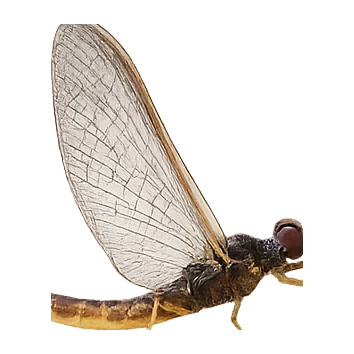
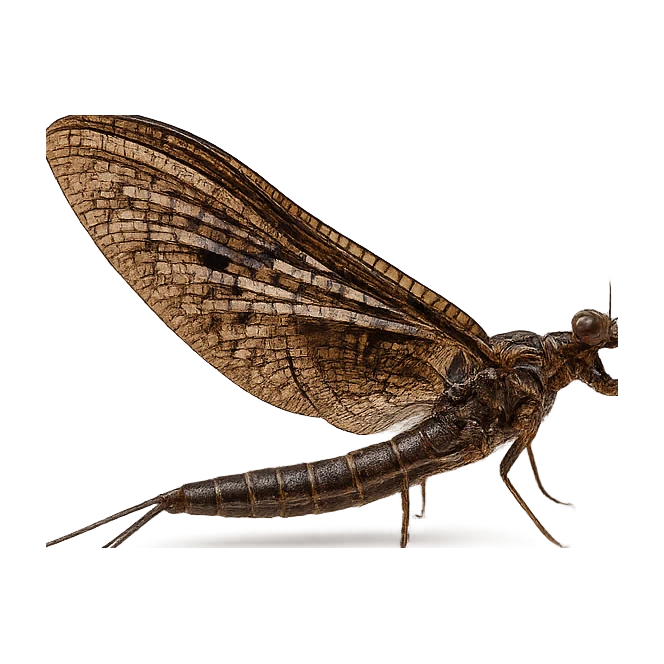
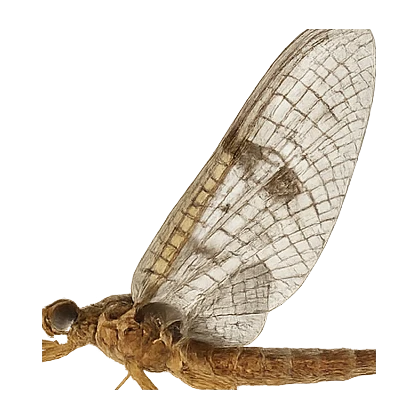
 Stoneflies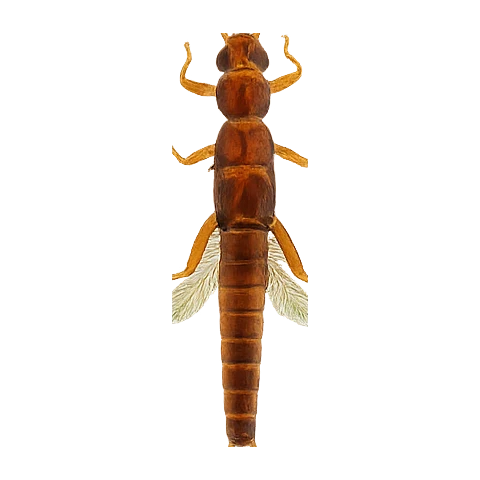
 Caddisflies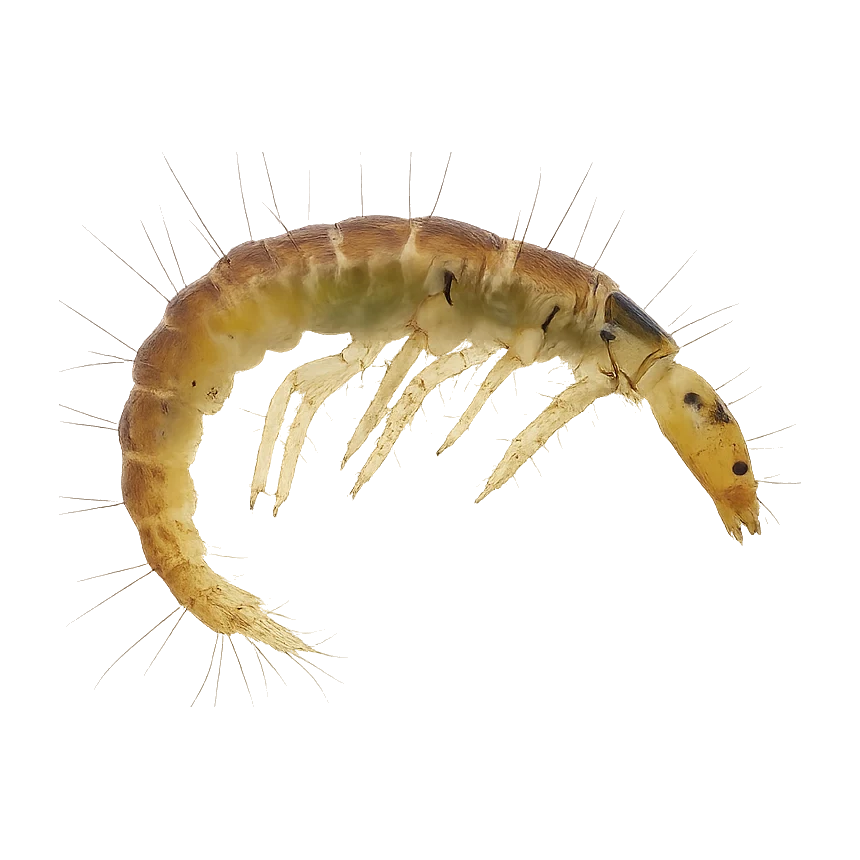
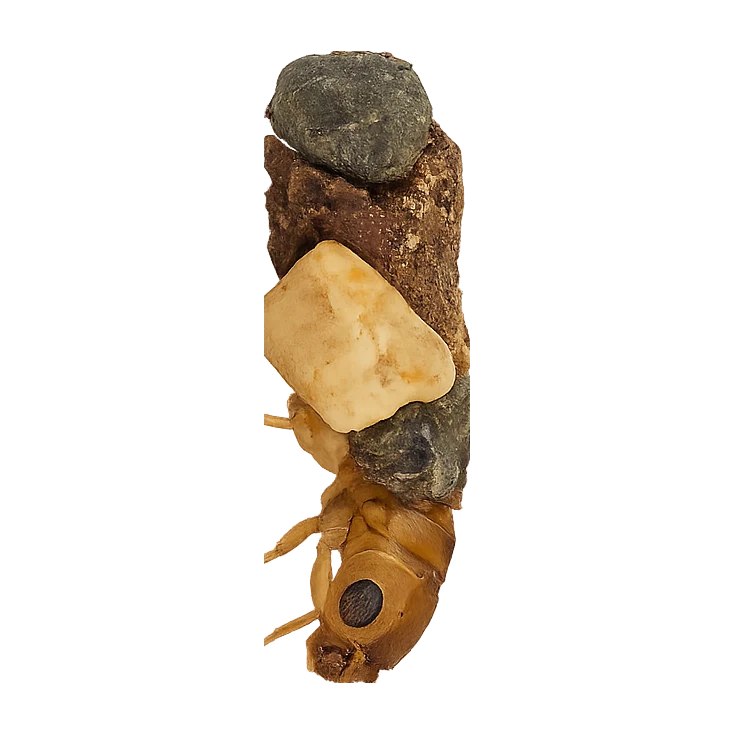
 Gammarids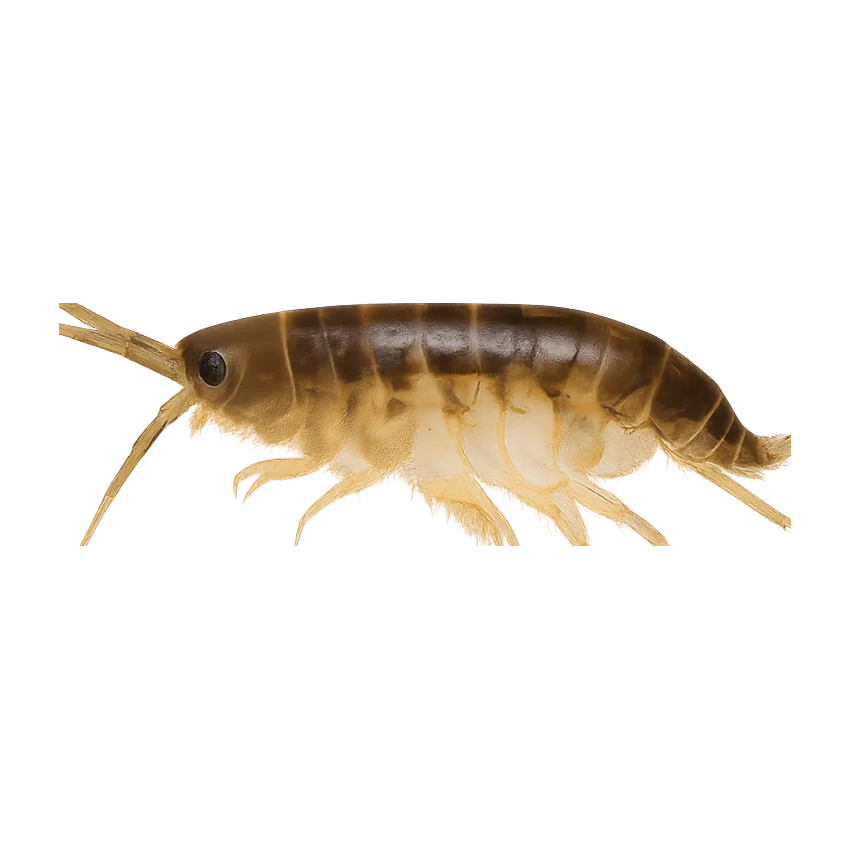
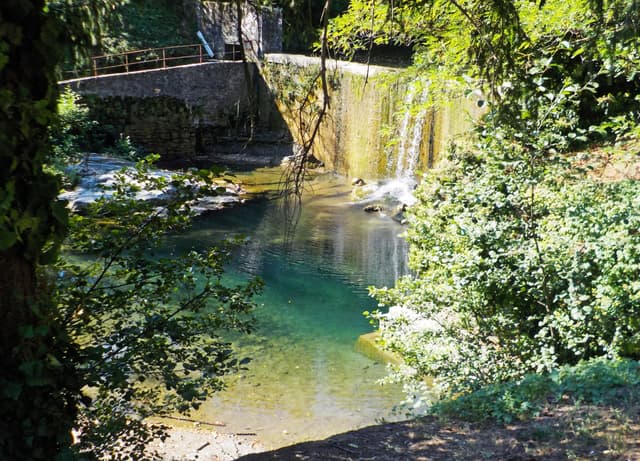
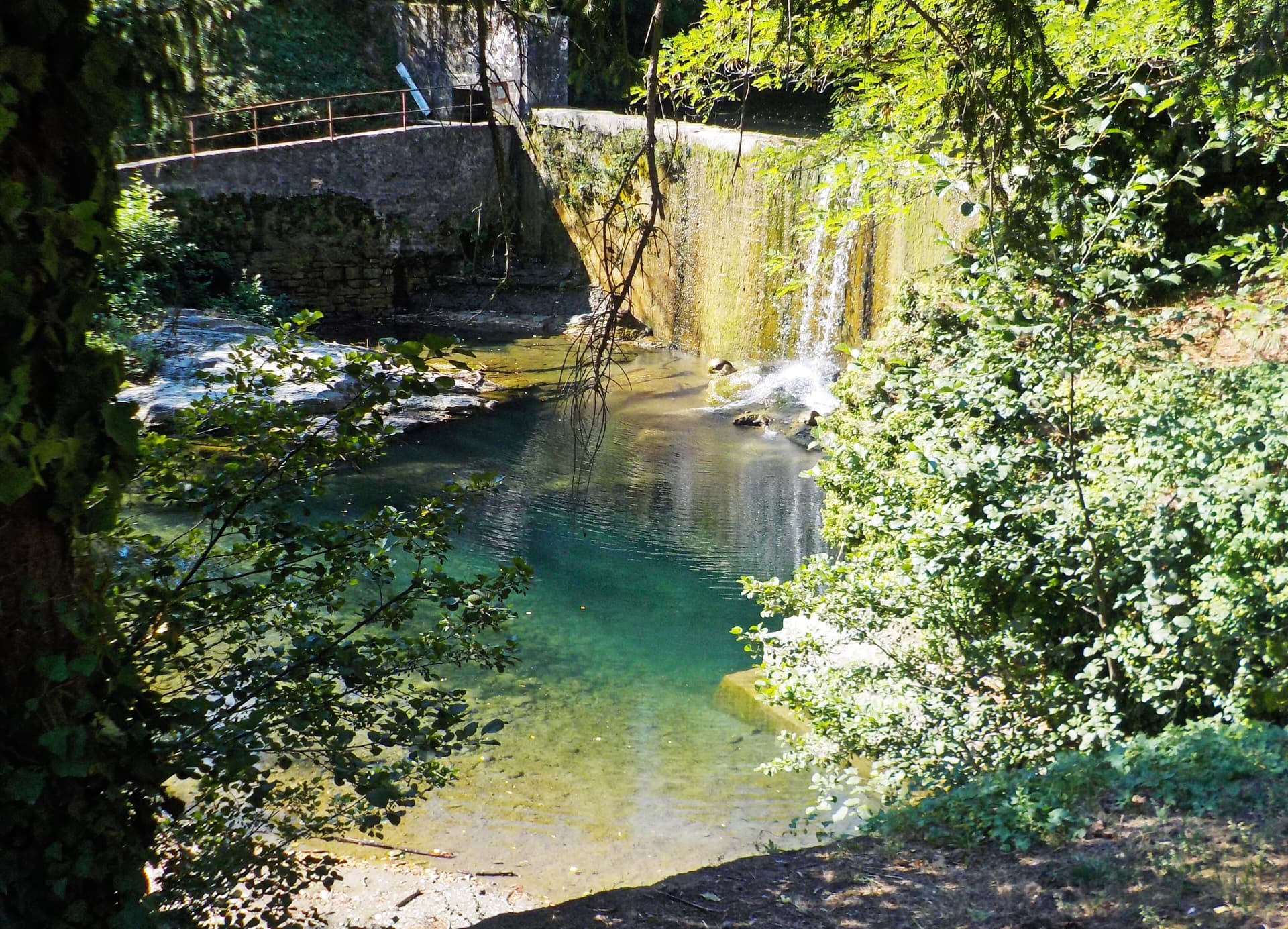
The Arno you know from postcards is a slow green giant sliding under the Ponte Vecchio, but up here, a few kilometres from its source on Monte Falterona, it hasn't decided yet what kind of river it wants to be. Capo d'Arno rises inside the Foreste Casentinesi, and by the time it reaches Pratovecchio and Stia it's still dropping fast enough to earn the description carattere torrentizio — a proper torrent, rock-strewn and impatient, nothing like the water two hundred kilometres downstream. The ZRS Capodarno reserve covers five kilometres of it: the upper stretch strictly no-kill, the lower stretch a modest catch-and-keep water, both set in macigno sandstone country that keeps the water clean and cold. Genetic surveys inside the national park have found trout here carrying real Apennine ancestry, unmuddied by the hatchery stocking that blurred so many Italian rivers over the last century — reason enough to handle every fish as though it matters, because on this stretch it probably does.
- Sandstone shale