
- Club water
A southeasterly has held for two days, running colder than the water (13°C air against 17°C water). The end it blows into is taking that chilled surface water, so try the sheltered south-eastern end instead — off the back of the wind, where the undertow returns food along the bottom. That chill sits in the top of the water, though, and the bed is slower to feel it — on a bottom bait it is the undertow, not the temperature, that puts you at this end. Treat it as a tiebreaker between good swims rather than an override — features and angling pressure usually count for more.
Set up a broadside drift and cover the water systematically. Work Gorgeous George on the bob and Pennel on the point.
If the main plan is not working, switch to a smaller, more imitative pattern fished slower and deeper. A change of drift angle can also make a difference.
Keep an eye on changing conditions — wind shifts and cloud breaks can trigger short feeding spells.
A gentle ripple is ideal for drifting — broadside drift covering the wind lanes should be productive.
Hatch predictions
Top nymph shown — see all 4 guilds as a supporter.
Start free trial14-day free trial. Cancel anytime.
Beyond the hatch · worth watchingambient prey(1)
Hatch predictions
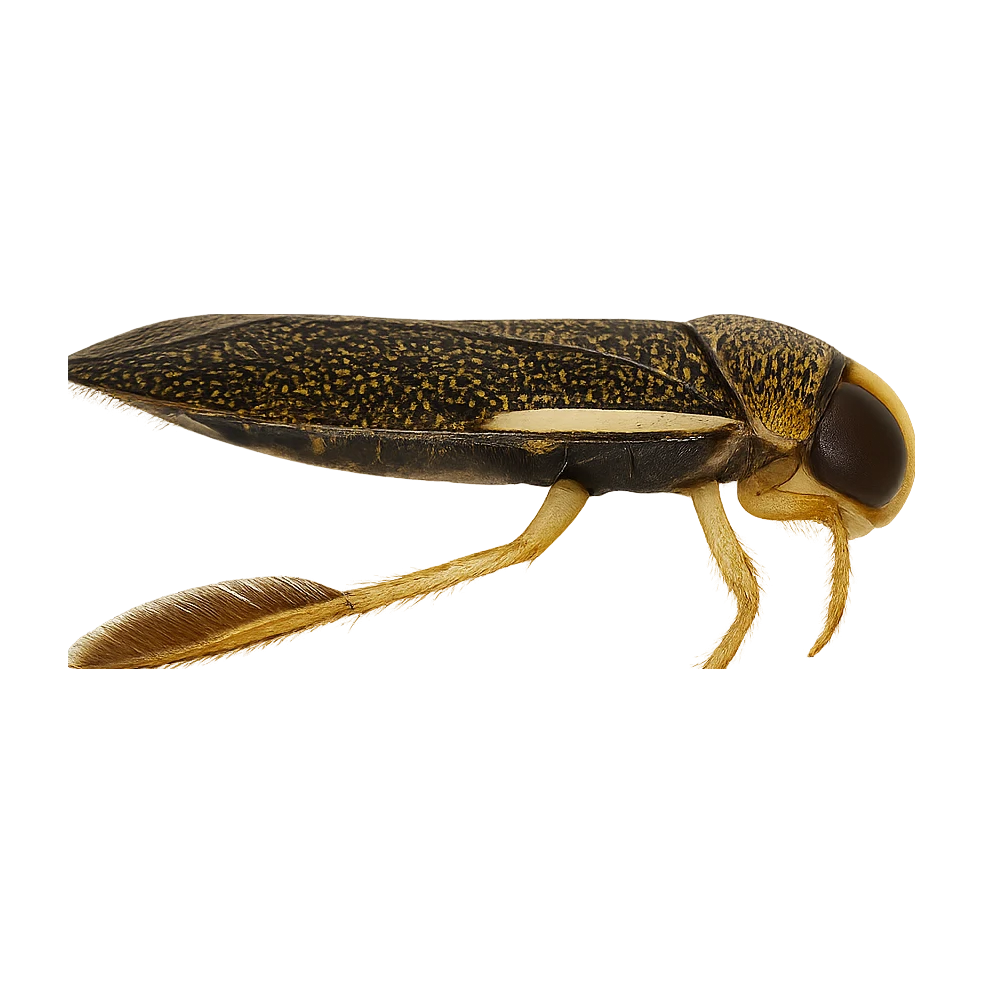
Top prey shown — see all 5 as a supporter.
Start free trial14-day free trial. Cancel anytime.
Numbers are intensity 0 (none) to 3 (peak) — a guide, not a guarantee.
- Shetland Anglers Association permit
- Season: trout 15 Mar-6 Oct.
A good match for Tingwall Area Lochs — most conditions are close to what it fishes best in.
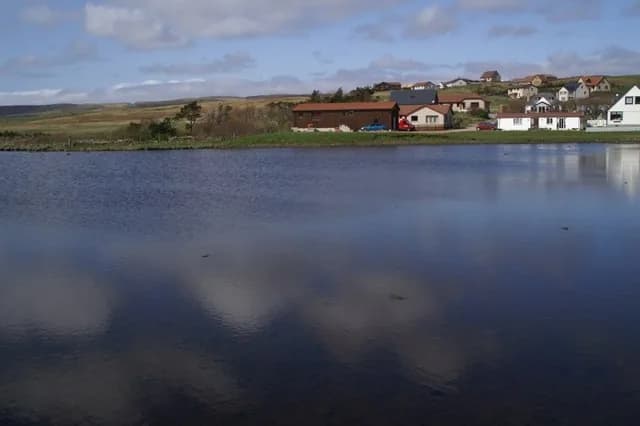
Strand Loch, part of the Tingwall loch system on Shetland Mainland Terrain map
- Cloud cover (cloud) suits the fishery well.
- Daddy Longlegs are in their seasonal window, boosting the chance of targeted feeding.
- Trout 15 March → 6 October
Tingwall Area Lochs
A southeasterly has held for two days, running colder than the water (13°C air against 17°C water). The end it blows into is taking that chilled surface water, so try the sheltered south-eastern end instead — off the back of the wind, where the undertow returns food along the bottom. That chill sits in the top of the water, though, and the bed is slower to feel it — on a bottom bait it is the undertow, not the temperature, that puts you at this end. Treat it as a tiebreaker between good swims rather than an override — features and angling pressure usually count for more.
Set up a broadside drift and cover the water systematically. Work Gorgeous George on the bob and Pennel on the point.
If the main plan is not working, switch to a smaller, more imitative pattern fished slower and deeper. A change of drift angle can also make a difference.
Keep an eye on changing conditions — wind shifts and cloud breaks can trigger short feeding spells.
A gentle ripple is ideal for drifting — broadside drift covering the wind lanes should be productive.
Hatch predictions
Top nymph shown — see all 4 guilds as a supporter.
Start free trial14-day free trial. Cancel anytime.
Beyond the hatch · worth watchingambient prey(1)
Hatch predictions
Top prey shown — see all 5 as a supporter.
Start free trial14-day free trial. Cancel anytime.
Numbers are intensity 0 (none) to 3 (peak) — a guide, not a guarantee.
- Shetland Anglers Association permit
- Season: trout 15 Mar-6 Oct.
A good match for Tingwall Area Lochs — most conditions are close to what it fishes best in.
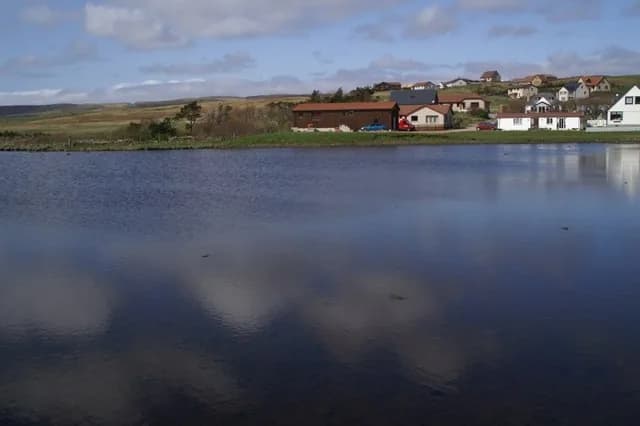
Strand Loch, part of the Tingwall loch system on Shetland Mainland Terrain map
- Cloud cover (cloud) suits the fishery well.
- Daddy Longlegs are in their seasonal window, boosting the chance of targeted feeding.
- Trout 15 March → 6 October