
Shetland's most celebrated trout loch — a shallow, fertile water near the southern tip of Mainland that produces some of the islands' best brown trout and occasional sea trout. Spiggie is unusually rich for Shetland: the loch has a marl bed that supports good populations of shrimp, snails, and olive nymphs, giving the fish excellent condition and colouring. Trout average around three-quarters of a pound but fish to two pounds are taken each season. The loch is relatively accessible by Shetland standards and allows bank fishing, boat, and float tube. Olive patterns are notably effective here — reflecting the loch's richer food base compared to the typical peaty Shetland water. Evening rises can be spectacular in calm weather.
- Free fishing
- Fly only
A respectable few hours, if you choose your moments
Good wave on — drift country. A useful wave. Work the productive shore.
This venue is often best in spring through autumn.
Conditions on the water
Some readings unavailable — check directly before fishing.
The brief
The plan
Set up a broadside drift and cover the water systematically. Work Peter Ross on the bob and Snatcher on the point.
If the main plan is not working, switch to a smaller, more imitative pattern fished slower and deeper. A change of drift angle can also make a difference.
Keep an eye on changing conditions — wind shifts and cloud breaks can trigger short feeding spells.
A gentle ripple is ideal for drifting — broadside drift covering the wind lanes should be productive.
What's on, when
Numbers are intensity 0 (none) to 3 (peak) — a guide, not a guarantee.
Top pattern + the box
Why today scores what it does
- Wind conditions (ripple) closely match what this water fishes best in.
Precipitation
Who this water suits
Loch of Spiggie, on the water
Field guide · contributor-editedWhat this water is
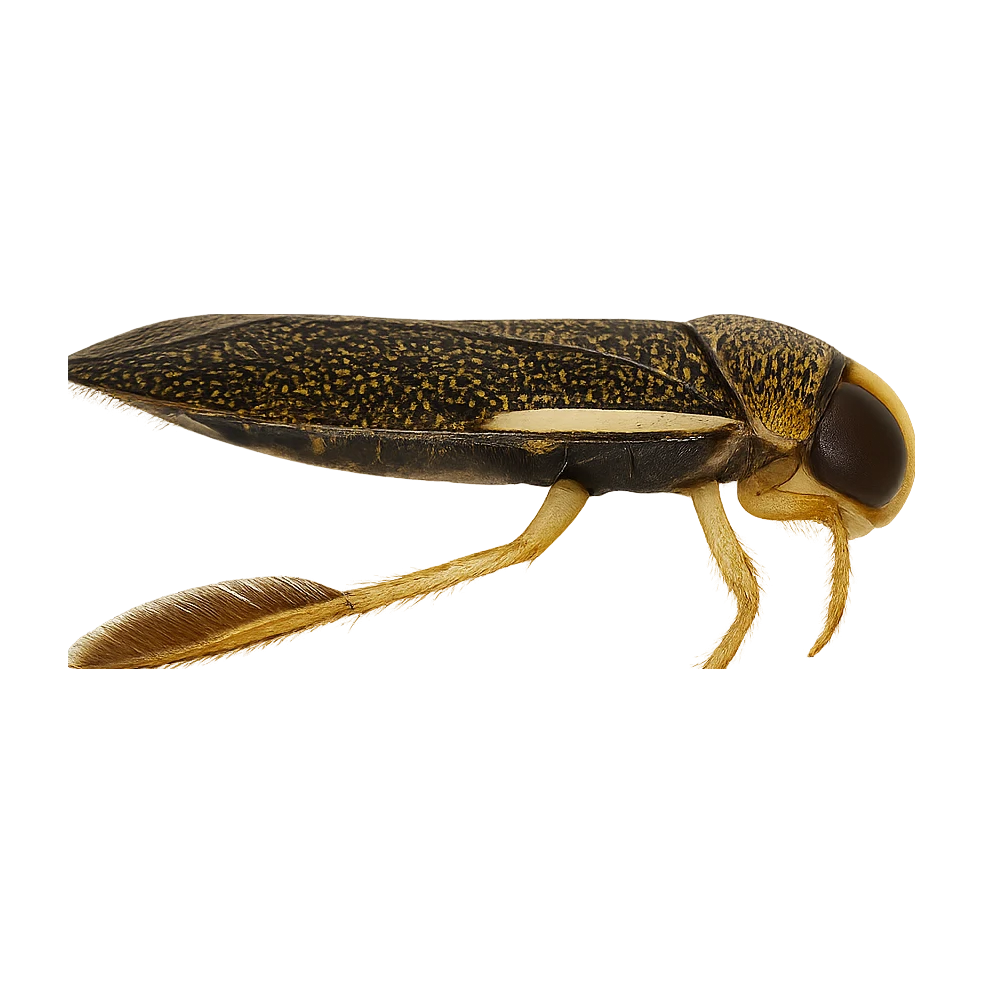
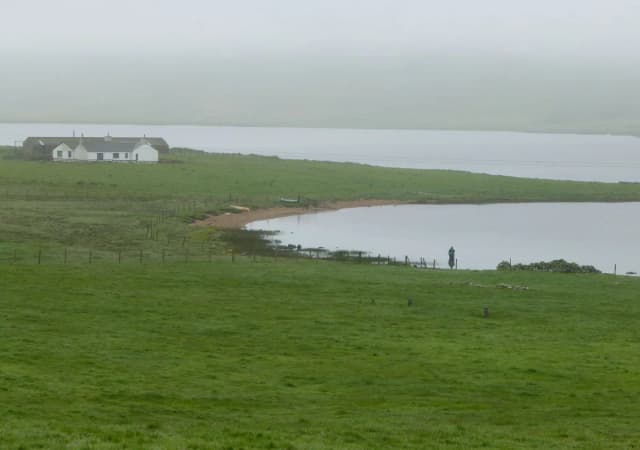
Shetland's most celebrated trout loch — a shallow, fertile water near the southern tip of Mainland that produces some of the islands' best brown trout and occasional sea trout. Spiggie is unusually rich for Shetland: the loch has a marl bed that supports good populations of shrimp, snails, and olive nymphs, giving the fish excellent condition and colouring. Trout average around three-quarters of a pound but fish to two pounds are taken each season. The loch is relatively accessible by Shetland standards and allows bank fishing, boat, and float tube. Olive patterns are notably effective here — reflecting the loch's richer food base compared to the typical peaty Shetland water. Evening rises can be spectacular in calm weather.
- Loch
- Mixed
How to get to the water
Where the rules change
- Trout15 March → 6 October
Sea trout: Variable seasonal (2026) — Shetland sea trout lochs are geographically separated from the west-coast sea-lice problem but share the wider northern Atlantic sea trout stock pressures. Spiggie is Shetland's main sea trout water; present and fishable but on a diminished baseline from historical records.
Licences, sorteo, the rules
- Single Shetland Anglers Association permit covers this and most Shetland waters
- Very affordable
- Published season: trout 15 Mar-6 Oct.
Loch of Spiggie
Shetland's most celebrated trout loch — a shallow, fertile water near the southern tip of Mainland that produces some of the islands' best brown trout and occasional sea trout.
A respectable few hours, if you choose your moments
Good wave on — drift country. A useful wave. Work the productive shore.
This venue is often best in spring through autumn.
Some readings unavailable — check directly before fishing.
A good match for this venue — most conditions are close to what it fishes best in.
Set up a broadside drift and cover the water systematically. Work Peter Ross on the bob and Snatcher on the point.
If the main plan is not working, switch to a smaller, more imitative pattern fished slower and deeper. A change of drift angle can also make a difference.
Keep an eye on changing conditions — wind shifts and cloud breaks can trigger short feeding spells.
A gentle ripple is ideal for drifting — broadside drift covering the wind lanes should be productive.
- Wind conditions (ripple) closely match what this water fishes best in.
Numbers are intensity 0 (none) to 3 (peak) — a guide, not a guarantee.
- Single Shetland Anglers Association permit covers this and most Shetland waters
- Very affordable
- Published season: trout 15 Mar-6 Oct.
Shetland's most celebrated trout loch — a shallow, fertile water near the southern tip of Mainland that produces some of the islands' best brown trout and occasional sea trout. Spiggie is unusually rich for Shetland: the loch has a marl bed that supports good populations of shrimp, snails, and olive nymphs, giving the fish excellent condition and colouring. Trout average around three-quarters of a pound but fish to two pounds are taken each season. The loch is relatively accessible by Shetland standards and allows bank fishing, boat, and float tube. Olive patterns are notably effective here — reflecting the loch's richer food base compared to the typical peaty Shetland water. Evening rises can be spectacular in calm weather.
- Loch
- Mixed
- Trout15 March → 6 October
Sea trout: Variable seasonal (2026) — Shetland sea trout lochs are geographically separated from the west-coast sea-lice problem but share the wider northern Atlantic sea trout stock pressures. Spiggie is Shetland's main sea trout water; present and fishable but on a diminished baseline from historical records.
Shetland's most celebrated trout loch — a shallow, fertile water near the southern tip of Mainland that produces some of the islands' best brown trout and occasional sea trout. Spiggie is unusually rich for Shetland: the loch has a marl bed that supports good populations of shrimp, snails, and olive nymphs, giving the fish excellent condition and colouring. Trout average around three-quarters of a pound but fish to two pounds are taken each season. The loch is relatively accessible by Shetland standards and allows bank fishing, boat, and float tube. Olive patterns are notably effective here — reflecting the loch's richer food base compared to the typical peaty Shetland water. Evening rises can be spectacular in calm weather.