Damsel & Dragonfly Nymph (Southern)
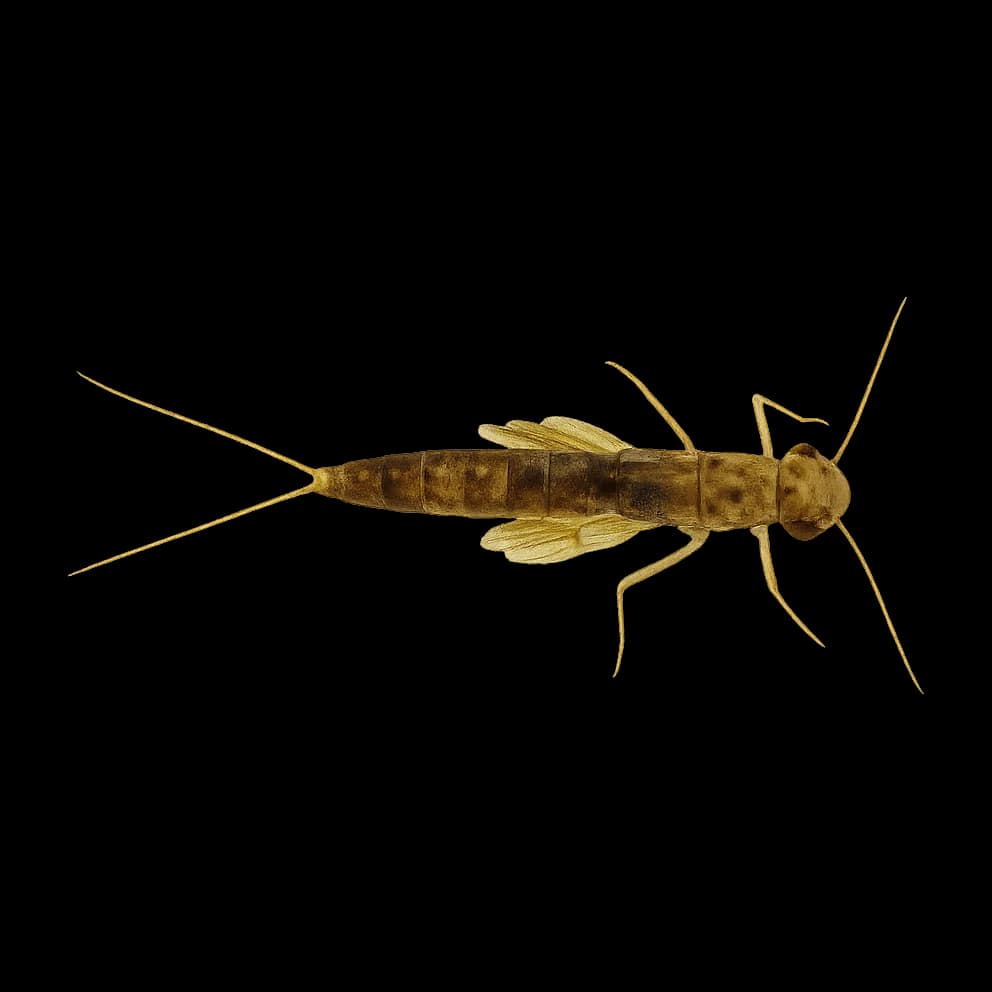
Nymphs are in the water all year, long before and after the hatch window — the season and temperature figures on this card describe when the adults emerge, not when this stage is available. It very nearly always is.
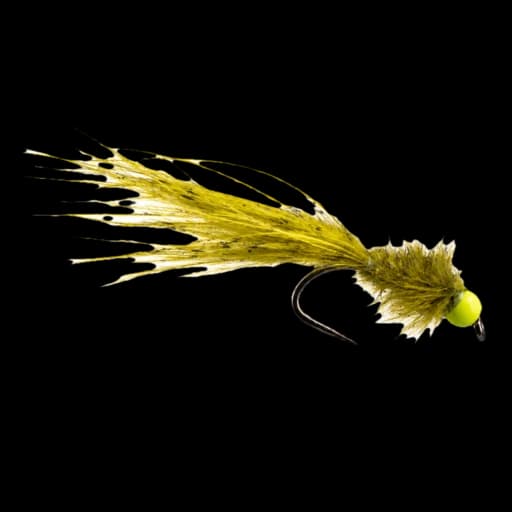
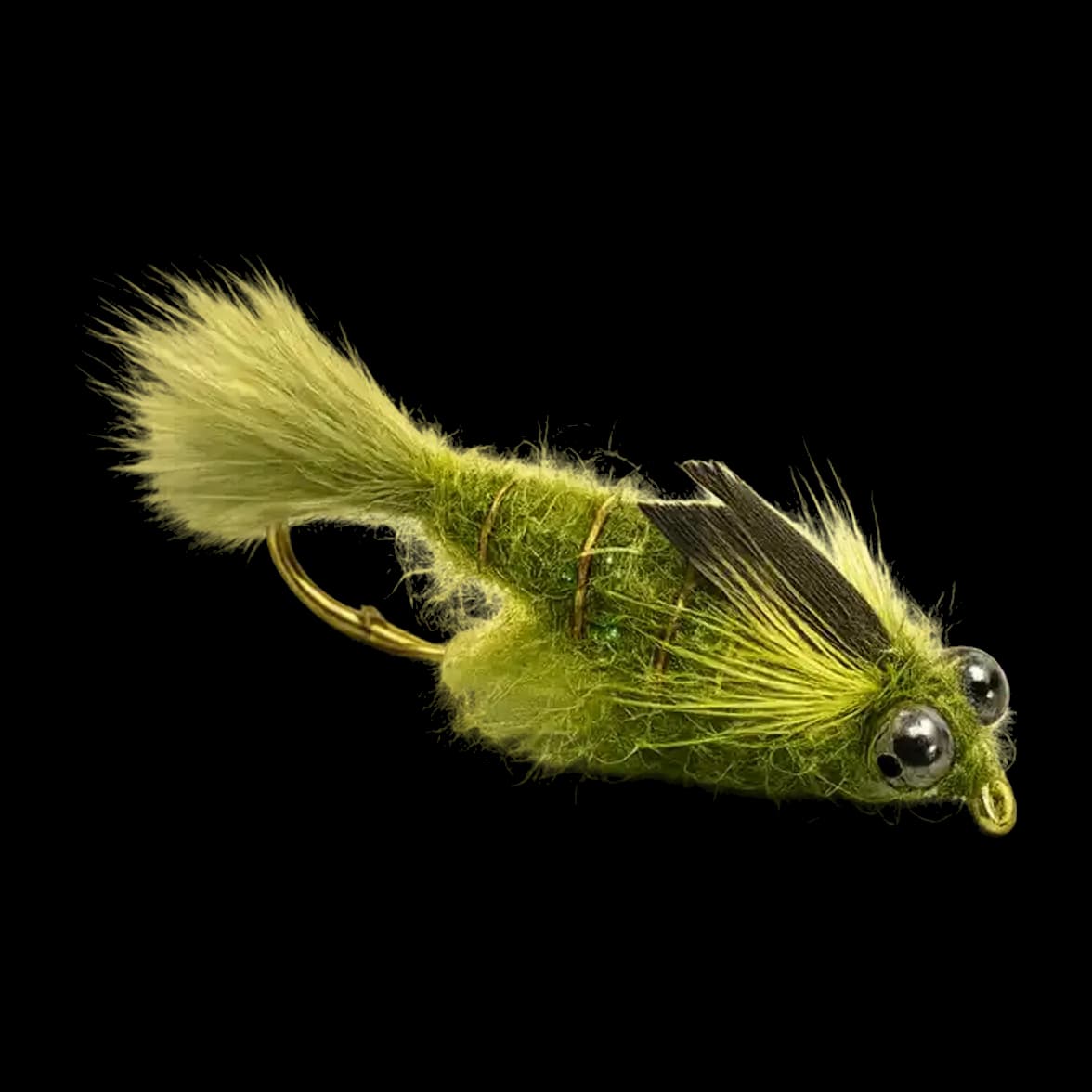
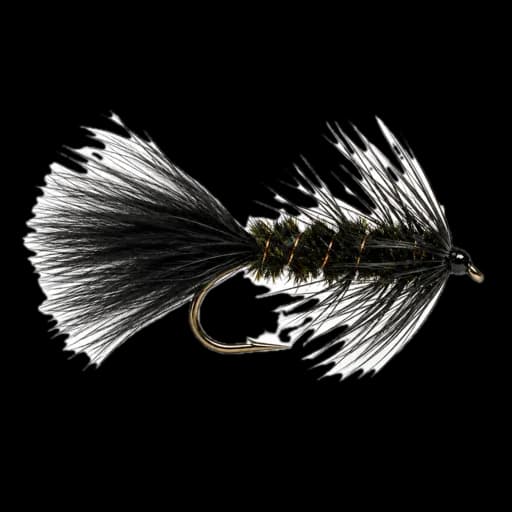
The red coat is New Zealand's own — the most common native damselfly in the country, and the one this card actually pictures — but the trigger behind it, and the migration behaviour described here, cover Patagonian water too, where the real naturals are different animals entirely: Coenagrionidae generally for the damsels, Rhionaeschna for the big dragonfly nymphs of the Andean lagunas. Whichever the local fly is, the tactic is the same one that matters everywhere this happens: just before emergence, in the Southern summer from November into March, nymphs leave the weed and migrate to the margins in numbers, all moving the same way at once, and trout patrol the shallows to meet them. Fish shallow, towards the bank, with a slow jerky retrieve — a fair searching fly outside that window, the only one worth having on during it.
- New ZealandPresent
- PatagoniaPresent
Xanthocnemis zealandica , commonly known as red damsefly or red coat damselfly is the most common native New Zealand damselfly. Adult damselflies are often seen flying around vegetation close to streams.