A southwesterly has held for 14 hours, running warmer than the water (11°C air against 8°C water). Expect fish at the north-eastern end — the bank it is blowing into — where the drift piles food, colour and warmth together. This reads the upper water, though — a bottom bait at range feels it far less than a floater or a fish in the margins. Treat it as a tiebreaker between good swims rather than an override — features and angling pressure usually count for more.
Work a bushy searching pattern on the bob and drop a contrasting nymph on the point.
If the main plan is not working, switch to a smaller, more imitative pattern fished slower and deeper. A change of drift angle can also make a difference.
Keep an eye on changing conditions — wind shifts and cloud breaks can trigger short feeding spells.
Strong wind makes boat fishing difficult — sheltered bank spots near lee shores will fish best.

Hatch predictions
Top nymph shown — see all 2 guilds as a supporter.
Start free trial14-day free trial. Cancel anytime.
Beyond the hatch · worth watchingambient prey(1)

Hatch predictions
Top prey shown — see all 4 as a supporter.
Start free trial14-day free trial. Cancel anytime.
Numbers are intensity 0 (none) to 3 (peak) — a guide, not a guarantee.
- Calendar permit + sea-trout /coastal permit.
A reasonable day here, though wind isn't quite in the sweet spot.
Terrain map
- Wind conditions (strong) are not ideal for this water.
- Trout 1 June → 31 October
Sea trout: Variable seasonal (2026) — Baltic sea trout (Salmo trutta trutta) enter coastal rivers of the Finnish Archipelago Sea from the Baltic. Stocks have suffered from historical overfishing, Baltic ecosystem changes, and dam obstruction. Finland protects wild sea trout through adipose-fin identification — wild (intact adipose) fish are catch-and-release; adipose-clipped hatchery fish may be retained. Sea trout are present and fishable but stocks are monitored and condition-dependent.
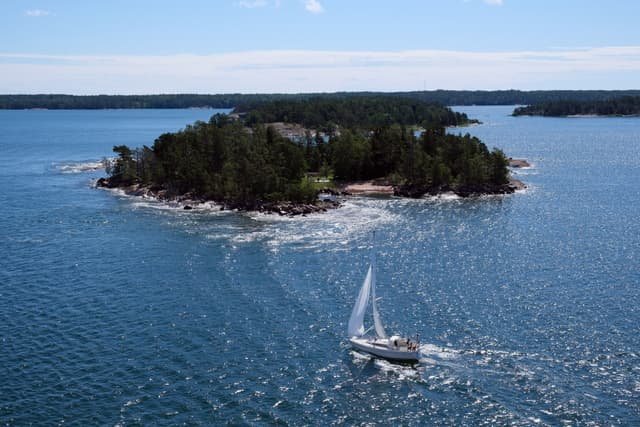
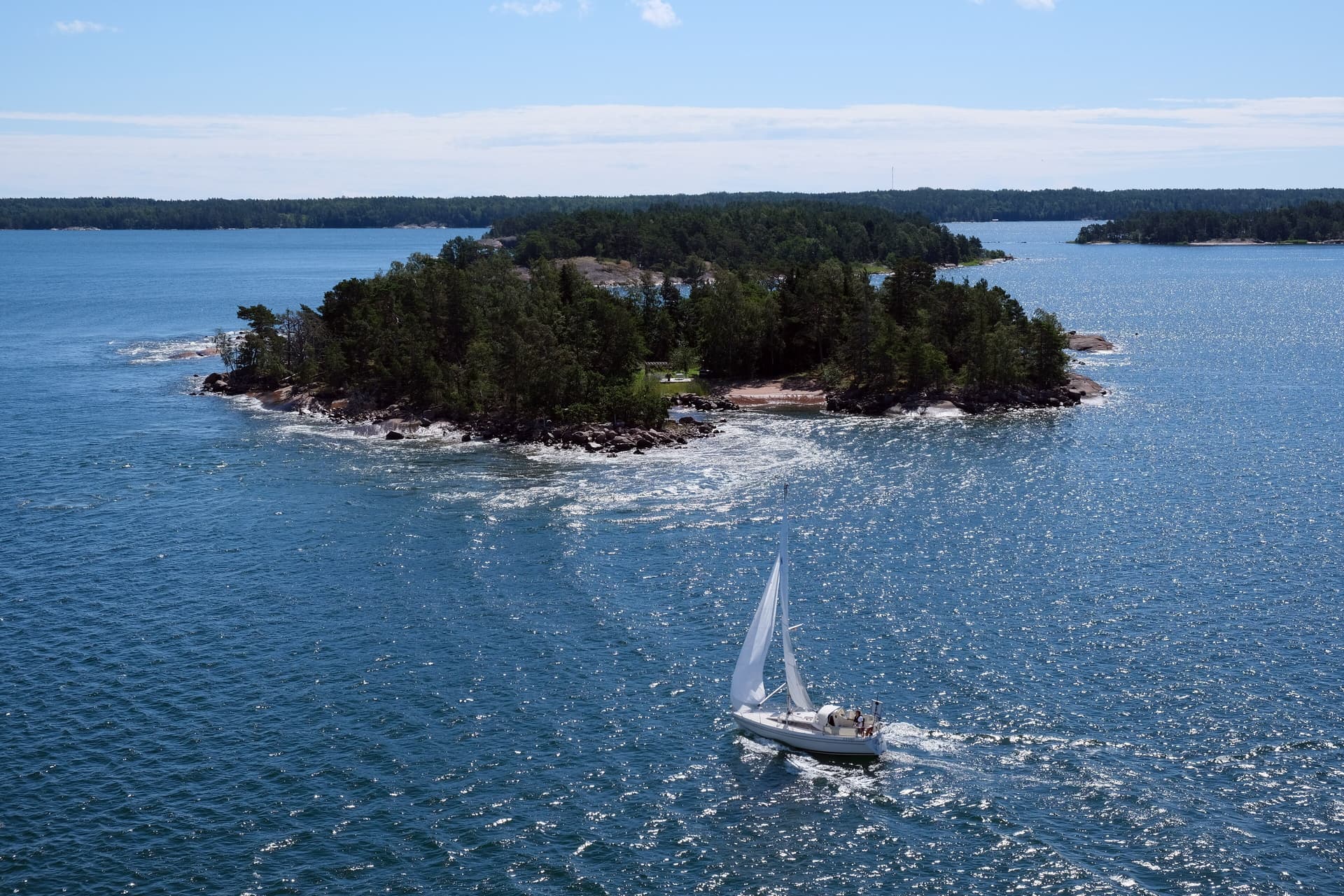
Archipelago Sea System (Sea-Trout)
A southwesterly has held for 14 hours, running warmer than the water (11°C air against 8°C water). Expect fish at the north-eastern end — the bank it is blowing into — where the drift piles food, colour and warmth together. This reads the upper water, though — a bottom bait at range feels it far less than a floater or a fish in the margins. Treat it as a tiebreaker between good swims rather than an override — features and angling pressure usually count for more.
Work a bushy searching pattern on the bob and drop a contrasting nymph on the point.
If the main plan is not working, switch to a smaller, more imitative pattern fished slower and deeper. A change of drift angle can also make a difference.
Keep an eye on changing conditions — wind shifts and cloud breaks can trigger short feeding spells.
Strong wind makes boat fishing difficult — sheltered bank spots near lee shores will fish best.
Hatch predictions
Top nymph shown — see all 2 guilds as a supporter.
Start free trial14-day free trial. Cancel anytime.
Beyond the hatch · worth watchingambient prey(1)
Hatch predictions
Top prey shown — see all 4 as a supporter.
Start free trial14-day free trial. Cancel anytime.
Numbers are intensity 0 (none) to 3 (peak) — a guide, not a guarantee.
- Calendar permit + sea-trout /coastal permit.
A reasonable day here, though wind isn't quite in the sweet spot.
Terrain map
- Wind conditions (strong) are not ideal for this water.
- Trout 1 June → 31 October
Sea trout: Variable seasonal (2026) — Baltic sea trout (Salmo trutta trutta) enter coastal rivers of the Finnish Archipelago Sea from the Baltic. Stocks have suffered from historical overfishing, Baltic ecosystem changes, and dam obstruction. Finland protects wild sea trout through adipose-fin identification — wild (intact adipose) fish are catch-and-release; adipose-clipped hatchery fish may be retained. Sea trout are present and fishable but stocks are monitored and condition-dependent.