

Nymphing and dry fly work during caddis and olive hatches. Low clear summer water demands stealth and stillness.
- Granite
Hatch predictions
Top nymph shown — see all 3 guilds as a supporter.
Start free trial14-day free trial. Cancel anytime.
Backed by regional invertebrate surveys; no sampling on this exact reach yet.
Numbers are intensity 0 (none) to 3 (peak) — a guide, not a guarantee.
Southern Germany only. Trout and grayling in Bavarian meadow streams, alpine creeks and famous upper-river systems.
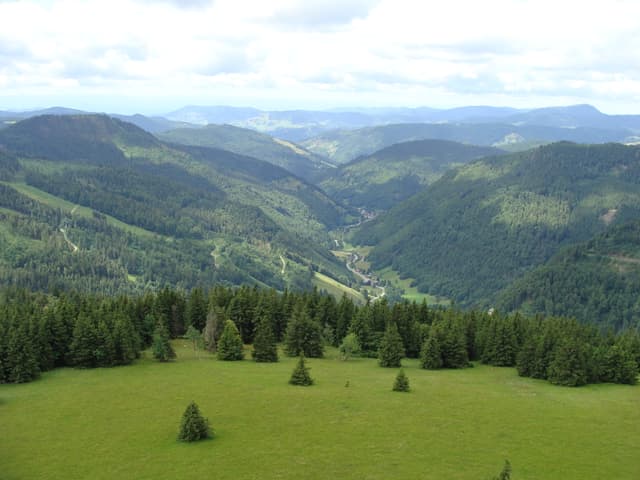
Nymphing and dry fly work during caddis and olive hatches. Low clear summer water demands stealth and stillness.
WFD classification · DERW_DEBW_21-04
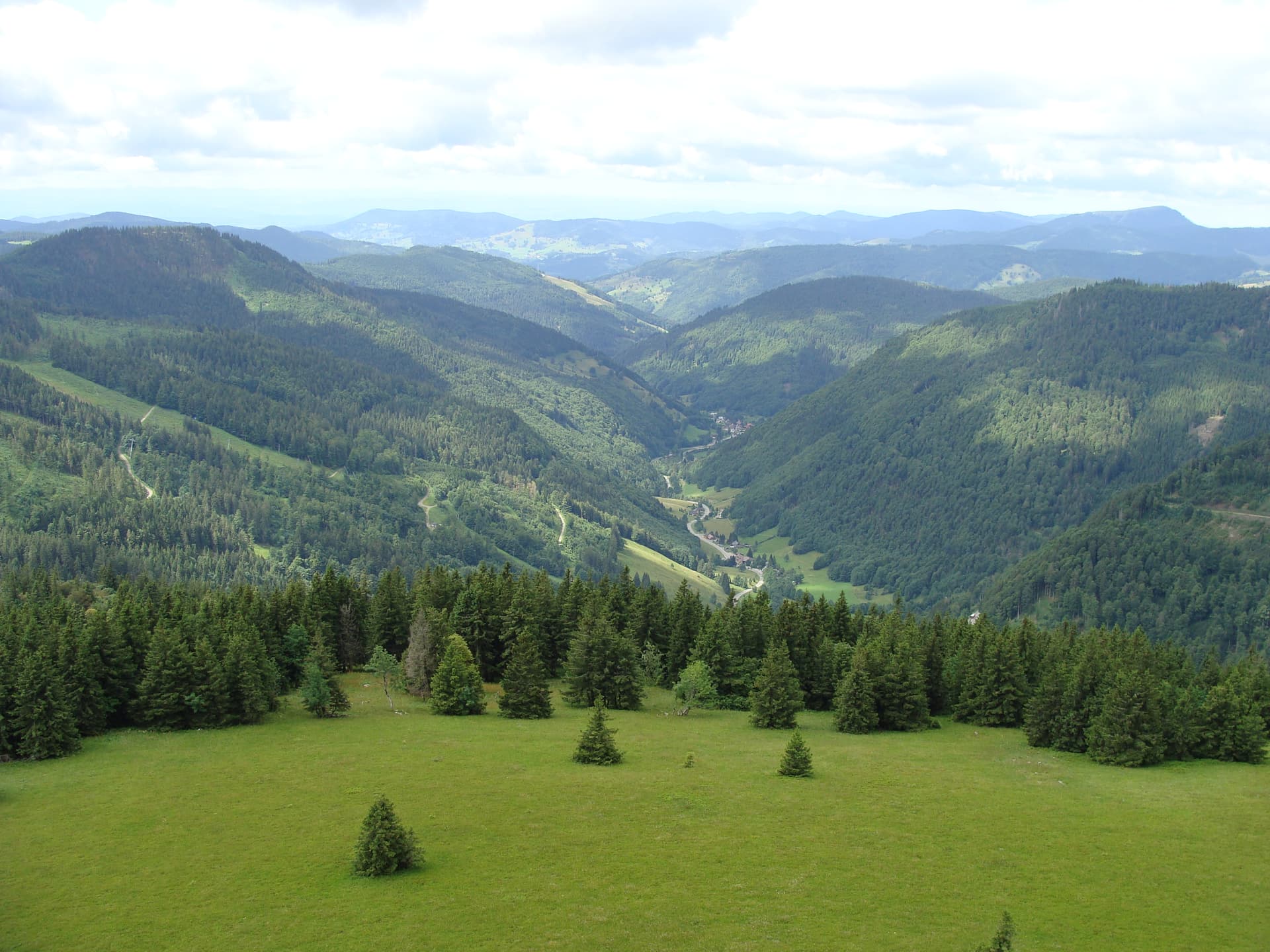
Black Forest trout stream in the Wiesental, water that shifts character with every bend—pocket water, runs and glides all in one mile.
Hatch predictions
Top nymph shown — see all 3 guilds as a supporter.
Start free trial14-day free trial. Cancel anytime.
Backed by regional invertebrate surveys; no sampling on this exact reach yet.
Numbers are intensity 0 (none) to 3 (peak) — a guide, not a guarantee.
Southern Germany only. Trout and grayling in Bavarian meadow streams, alpine creeks and famous upper-river systems.
Nymphing and dry fly work during caddis and olive hatches. Low clear summer water demands stealth and stillness.
WFD classification · DERW_DEBW_21-04
Wiese (Todtnau) is a freestone river in Black Forest / Baden-Württemberg, Germany. The catchment geology is recorded as granite, and the water sits at about 678 m above sea level. The species listed for this water is brown trout. The trout season is recorded as running from 1 March to 30 September. Best window recorded for anglers: April–September. Core methods listed: nymph in pocket water; dry fly on hatches; small streamer. Level and flow data for this water is linked from 1 gauge. Its Water Framework Directive ecological status is recorded as moderate. Nearby waters in our listings include Große Wiese at 11 km, Schluchsee at 17 km and Wutach at 34 km.