
Freestone · Sedimentary · Honshū, JP

Tama River (upper / Okutama)

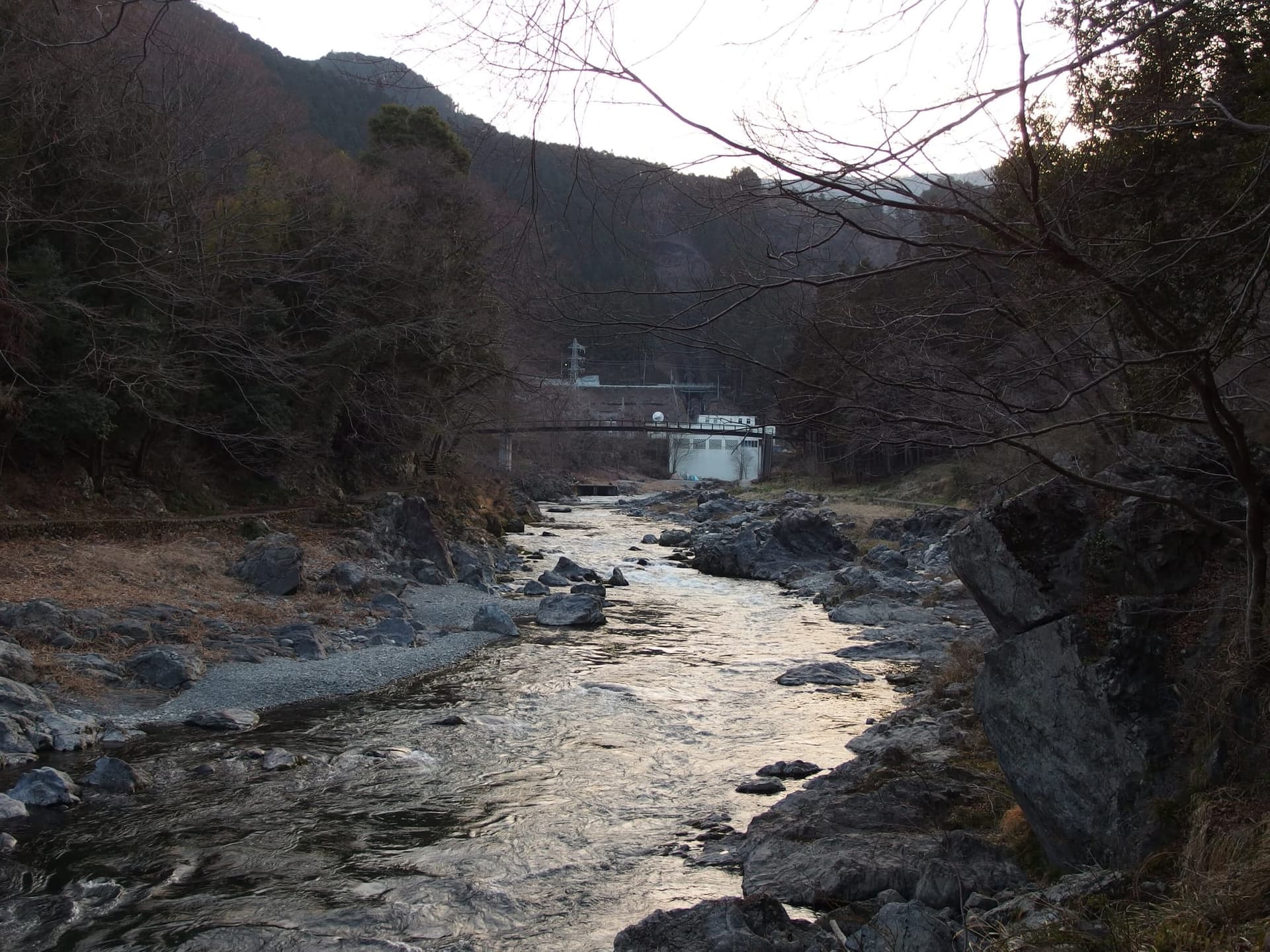
Tama River, Mitake Valley

The upper Tama at Okutama is Tokyo's mountain river — cold, managed keiryu within reach of the city, stocked and looked after by the local co-operative, where yamame, iwana and rainbows hold in clear pools beneath wooded ridges.

Tomorrow · Not the day for it
Sakasa kebari
Forecast · Tomorrow
Not the day for it
Not much stacked in your favour today. Worth an hour if you are nearby, not worth the special trip.
45% projected
Today's fly
Sakasa kebari
Sakasa kebari
Conditions on the water · Tomorrow
Estimate
Level
Light rain recently
No gauge reading
Water temp16.7°C
ClarityUnfishable
Weather19°C
WindN 8 km/h
Pressure1019 hPa
Rain · recent4.1 mm
Rain · ahead0.0 mm

No gauge on this water — readings are regional estimates from weather, not a live gauge.

Water temperature for Rainbow Trout
Ideal
17°C est.ideal 1018°C
0°14°28°
How to fish it · for Rainbow Trout
When
Nymphing can work through most of the day.
Where
Cover mixed depths.
Method
Start with tight-line nymphs and adjust if fish rise or drift higher.
Kit
9 ft #4 rod, floating line, 12 ft tapered leader to 4–5 lb fluoro tippet.
Why this works
Excellent water temperature is right today, though time of day could be better.
Hatch timeline · tomorrowPeak at 6pm

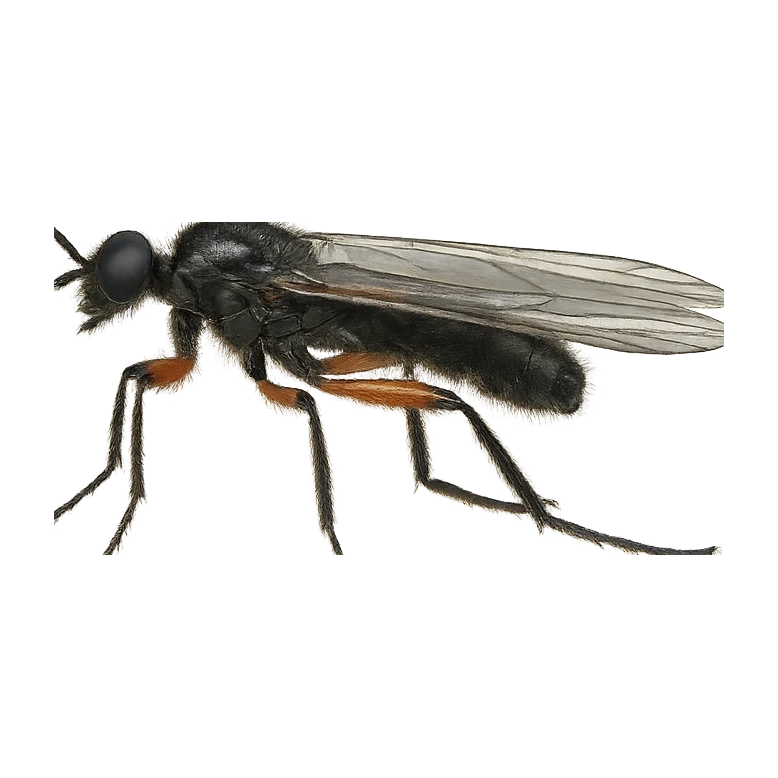
12pm(now) Glossosoma (Japan)

Stage: Taking dunsApproach: Dry flyActivity: 63%
Also:Heather Fly54%Reed Smut46%Isonychia japonica40%
Peak emergence windowWeather boost11 food groups active

Peak activity at 6pmStenopsyche Caddis (Stenopsyche Caddis, Weather boost)

Sub-surface · on the nymphunder the surface

Hatch predictions

Top nymph shown — see all 3 guilds as a supporter.

Start free trial

14-day free trial. Cancel anytime.

Beyond the hatch · worth watchingambient prey(1)

Hatch predictions

Top prey shown — see all 4 as a supporter.

Start free trial

14-day free trial. Cancel anytime.

Evidence
Records-basedModerate confidence

Based on species-occurrence records, not local invertebrate surveys.

Through the year
0–3 scale · September highlighted
J
F
M
A
M
J
J
A
S
O
N
D
Stenopsyche CaddisHatch
2
3
3
2
Cicada (Semi)Hatch
2
2
Ephemera strigata (Mid-Reach Keiryu Mayfly)Hatch
2
3
3
3
2
Epeorus latifolium (Riffle Mayfly)Hatch
2
3
3
3
3
3
2

Numbers are intensity 0 (none) to 3 (peak) — a guide, not a guarantee.

Ranked for today
Rainbow Trout fly box
Permits & access
Permit required — see local rules.
  • Local co-operative yugyoken required (day/annual ticket); managed stocked reaches with method rules
  • Confirm before fishing.
What's coming
Plan ahead
5-day outlook
Gallery · 2
  1. Tama River, Mitake Valley
    Upper Tama at Mitake Valley
  2. Terrain map of the venue
    Terrain map
About this water

The upper Tama at Okutama is Tokyo's mountain river — cold, managed keiryu within reach of the city, stocked and looked after by the local co-operative, where yamame, iwana and rainbows hold in clear pools beneath wooded ridges. The accessible face of Japanese stream fishing, busy but genuine.

Under the surface

Tokyo's home mountain river, running cold and clear through the wooded Okutama hills within reach of the city. A managed, stocked co-operative water — yamame, iwana and rainbow in pools and pocket runs — busy at weekends but a true keiryu all the same.

Wading: Accessible but slick rock, weekend crowds

  • River
  • Sedimentary
  • Partly confined
  • Pool riffle
  • Pocket water
Conservation note

Stocked rainbow with wild white-spotted char (iwana) and yamame.

The full read · show the working · for Rainbow Trout · confidence 90%
How the 82 is built — score × weight = contribution
Temperature100 × 28%28.0
Flow80 × 22%17.6
Clarity85 × 18%15.3
Feeding Time55 × 13%7.2
Pressure75 × 7%5.3
Insect activity72 × 12%8.6
Conditions total= 82
Can you trust it?
Water temperatureair-to-water estimateestimated
Level / flowon-river gaugeobserved
Prey activitymodelled from regional profilemodelled
What would change the calculation
The dawn and dusk windows score higher than the midday lull.
Directions
Seasons & zones
  • Char late February to Aprillate September to mid-October

    Honshu/Shikoku/Kyushu keiryu are managed by local fishery co-operatives — a yugyoken (day/annual ticket) is required, and most streams close around 30 September / mid-October for spawning. Species are surfaced in prose only (no engine slugs for yamame, amago or iwana). Legal status: guidance_not_permission.

Related guides
Booking & contacts