
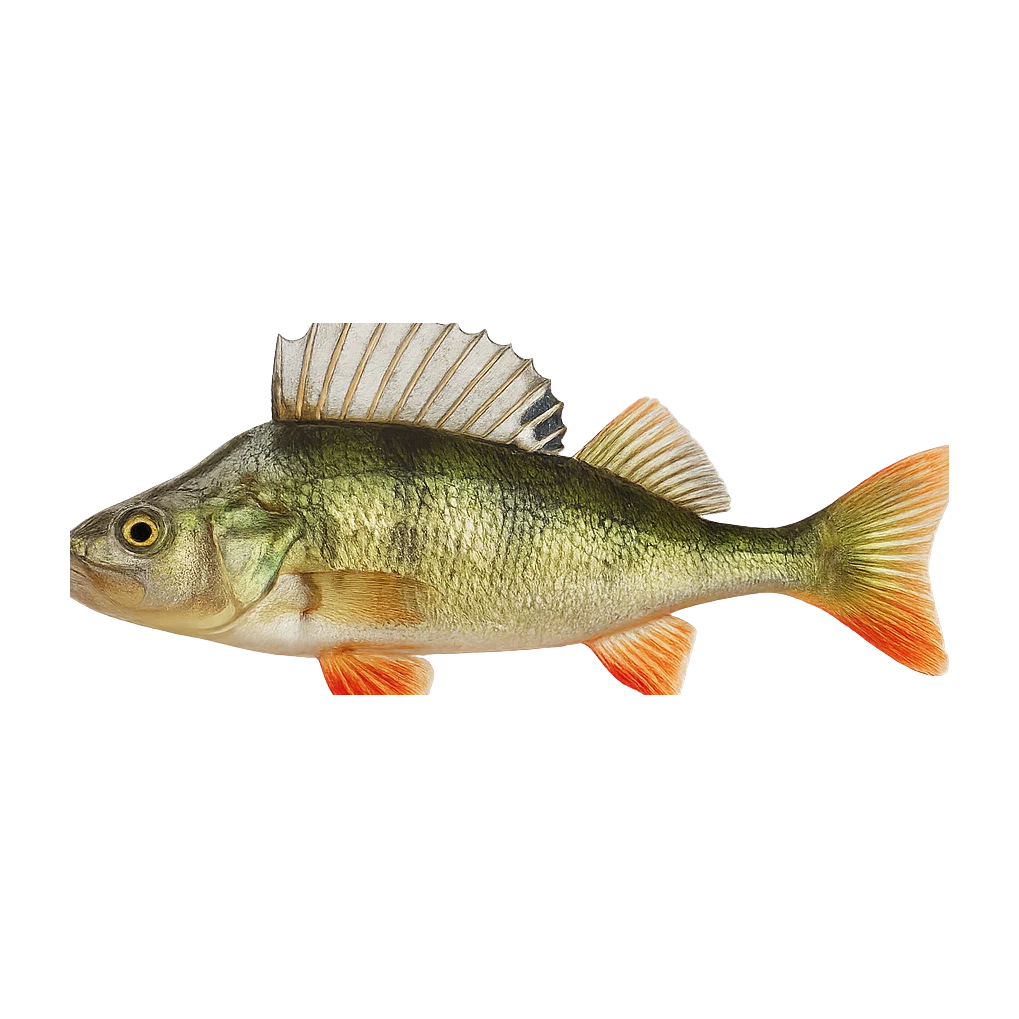
Two natural loughs in the Northumberland moors at the headwaters of the Wansbeck — Great Lough (140 acres) and Little Lough (12 acres) — managed as a trout fishery. The moorland setting and peaty water give both waters a character closer to a Scottish loch than an English commercial fishery. Rainbows here fight hard in the cold, low-nutrient water, and the chance of a fish of a lifetime — the kind that earns an immediate retelling — is real enough that regulars plan trips around it rather than treating it as a quick-visit water.
A patient day, if you fancy it
Good wave on — drift country. Take your time — read the water before you cast.
Conditions on the water
Some readings unavailable — check directly before fishing.
The brief
The plan
Set up a broadside drift and cover the water systematically. Work Egg Fly on the bob and Bloodworm on the point.
If the main plan is not working, switch to a smaller, more imitative pattern fished slower and deeper. A change of drift angle can also make a difference.
Keep an eye on changing conditions — wind shifts and cloud breaks can trigger short feeding spells.
A gentle ripple is ideal for drifting — broadside drift covering the wind lanes should be productive.
What's on, when
Numbers are intensity 0 (none) to 3 (peak) — a guide, not a guarantee.
Top pattern + the box
Why today scores what it does
- Hawthorn Fly is in its seasonal window, boosting the chance of targeted feeding.
Precipitation
Who this water suits
Sweethope Lough, on the water
Field guide · contributor-editedWhat this water is
Two natural loughs in the Northumberland moors at the headwaters of the Wansbeck — Great Lough (140 acres) and Little Lough (12 acres) — managed as a trout fishery. The moorland setting and peaty water give both waters a character closer to a Scottish loch than an English commercial fishery. Rainbows here fight hard in the cold, low-nutrient water, and the chance of a fish of a lifetime — the kind that earns an immediate retelling — is real enough that regulars plan trips around it rather than treating it as a quick-visit water.
- Loch
- Acidic
How to get to the water
Sweethope Lough
No photos yet for this water.
Two natural loughs in the Northumberland moors at the headwaters of the Wansbeck — Great Lough (140 acres) and Little Lough (12 acres) — managed as a trout fishery.
A patient day, if you fancy it
Good wave on — drift country. Take your time — read the water before you cast.
Some readings unavailable — check directly before fishing.
A reasonable day here, though temperature isn't quite in the sweet spot.
Set up a broadside drift and cover the water systematically. Work Egg Fly on the bob and Bloodworm on the point.
If the main plan is not working, switch to a smaller, more imitative pattern fished slower and deeper. A change of drift angle can also make a difference.
Keep an eye on changing conditions — wind shifts and cloud breaks can trigger short feeding spells.
A gentle ripple is ideal for drifting — broadside drift covering the wind lanes should be productive.
- Hawthorn Fly is in its seasonal window, boosting the chance of targeted feeding.
Numbers are intensity 0 (none) to 3 (peak) — a guide, not a guarantee.
Two natural loughs in the Northumberland moors at the headwaters of the Wansbeck — Great Lough (140 acres) and Little Lough (12 acres) — managed as a trout fishery. The moorland setting and peaty water give both waters a character closer to a Scottish loch than an English commercial fishery. Rainbows here fight hard in the cold, low-nutrient water, and the chance of a fish of a lifetime — the kind that earns an immediate retelling — is real enough that regulars plan trips around it rather than treating it as a quick-visit water.
- Loch
- Acidic
Two natural loughs in the Northumberland moors at the headwaters of the Wansbeck — Great Lough (140 acres) and Little Lough (12 acres) — managed as a trout fishery. The moorland setting and peaty water give both waters a character closer to a Scottish loch than an English commercial fishery. Rainbows here fight hard in the cold, low-nutrient water, and the chance of a fish of a lifetime — the kind that earns an immediate retelling — is real enough that regulars plan trips around it rather than treating it as a quick-visit water.