
 Mayflies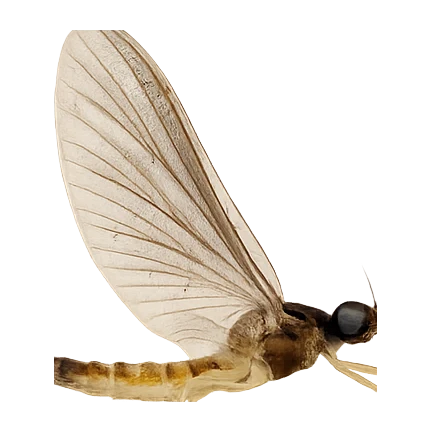
 Stoneflies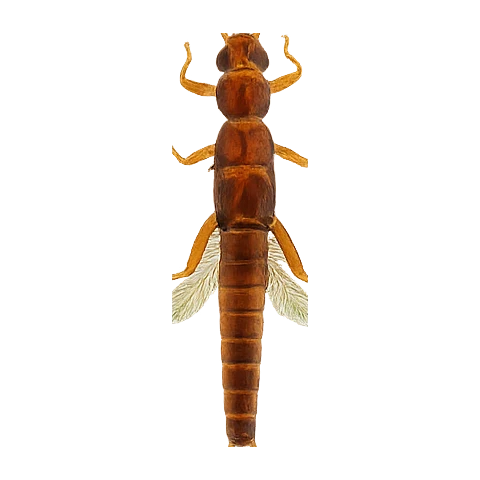
 Caddisflies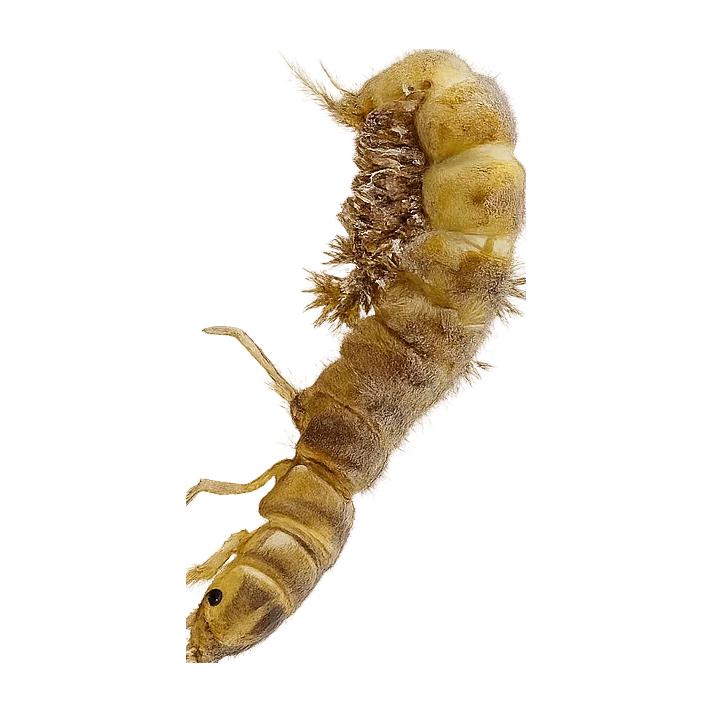
 Gammarids
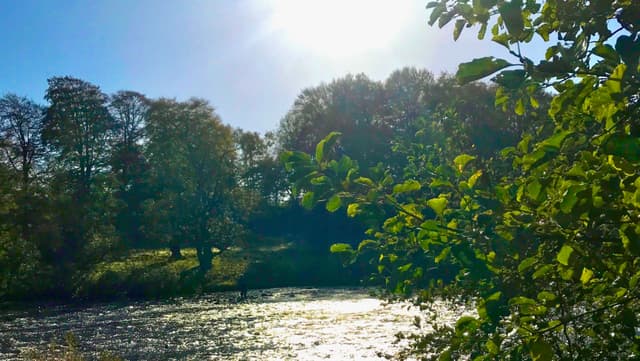
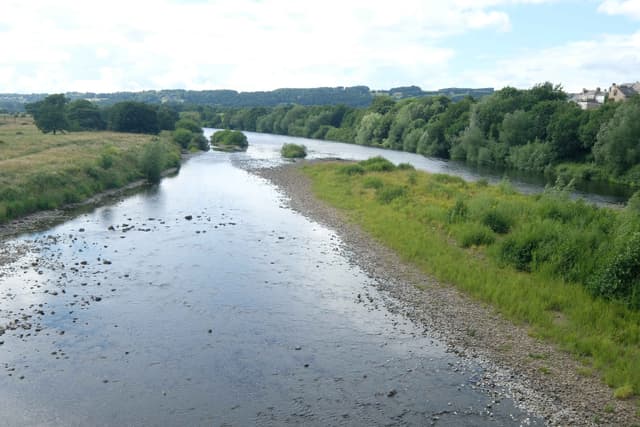
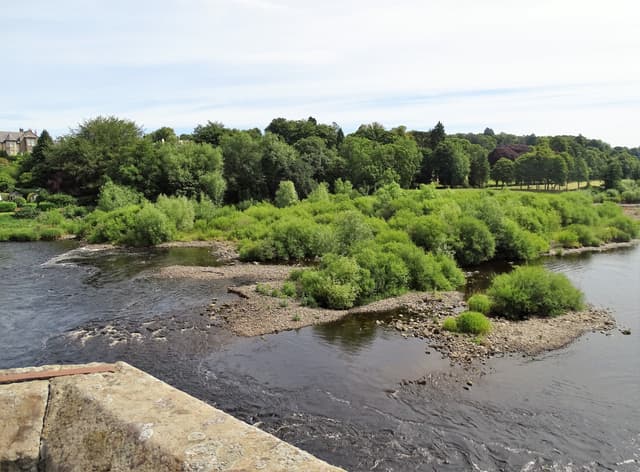
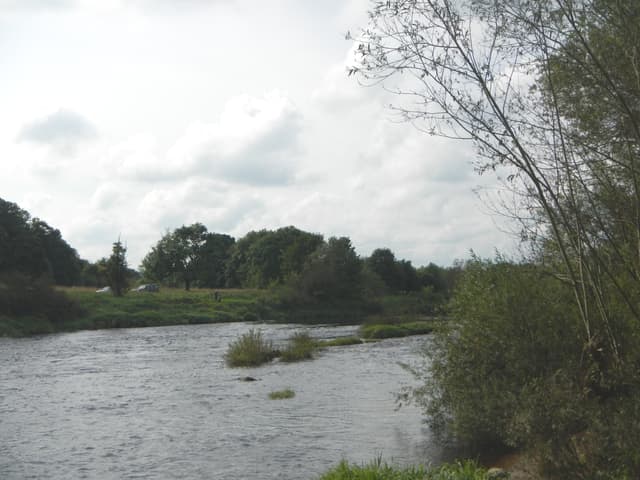
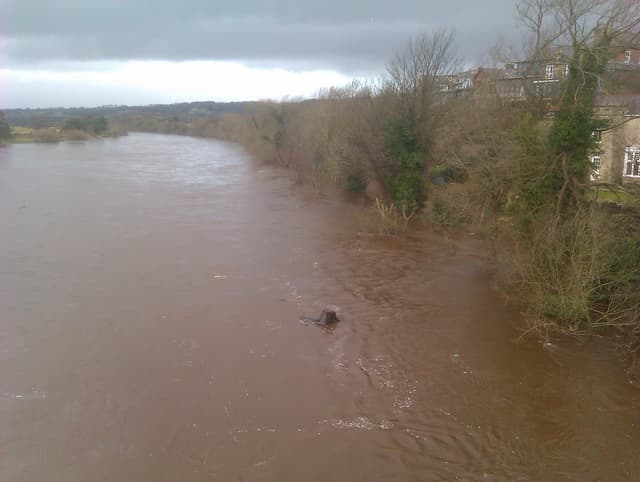
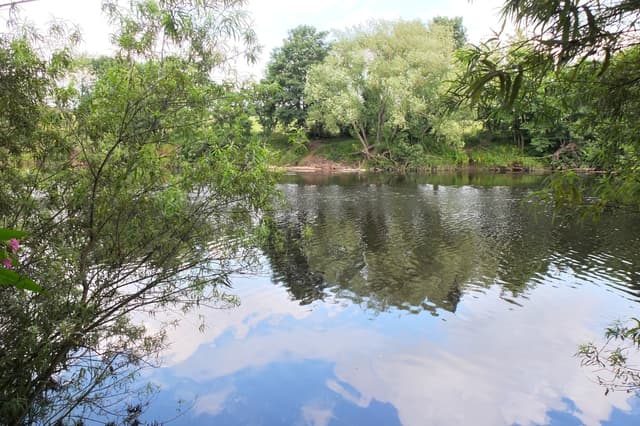
England's premier salmon recovery system, formed by the North and South Tyne merger at Hexham. The river responds within eight hours to rain on the hills. Spring salmon (February–May, peak March–April) require sinking-tip line and larger tubes in cold water. Grilse from June onwards fish smaller doubles. Sea trout (June–September) present throughout. The Northumbrian beats at Bywell, Styford, and Corbridge are excellent platforms. Fish the main river as it drops and clears after spates; tributaries hold wild trout year-round. Sandstone freestone bedrock underlies this river. Atlantic salmon are assessed by the Environment Agency against each river's Conservation Limit — many principal rivers are classed 'at risk' with mandatory catch-and-release byelaws; check current rules before fishing.
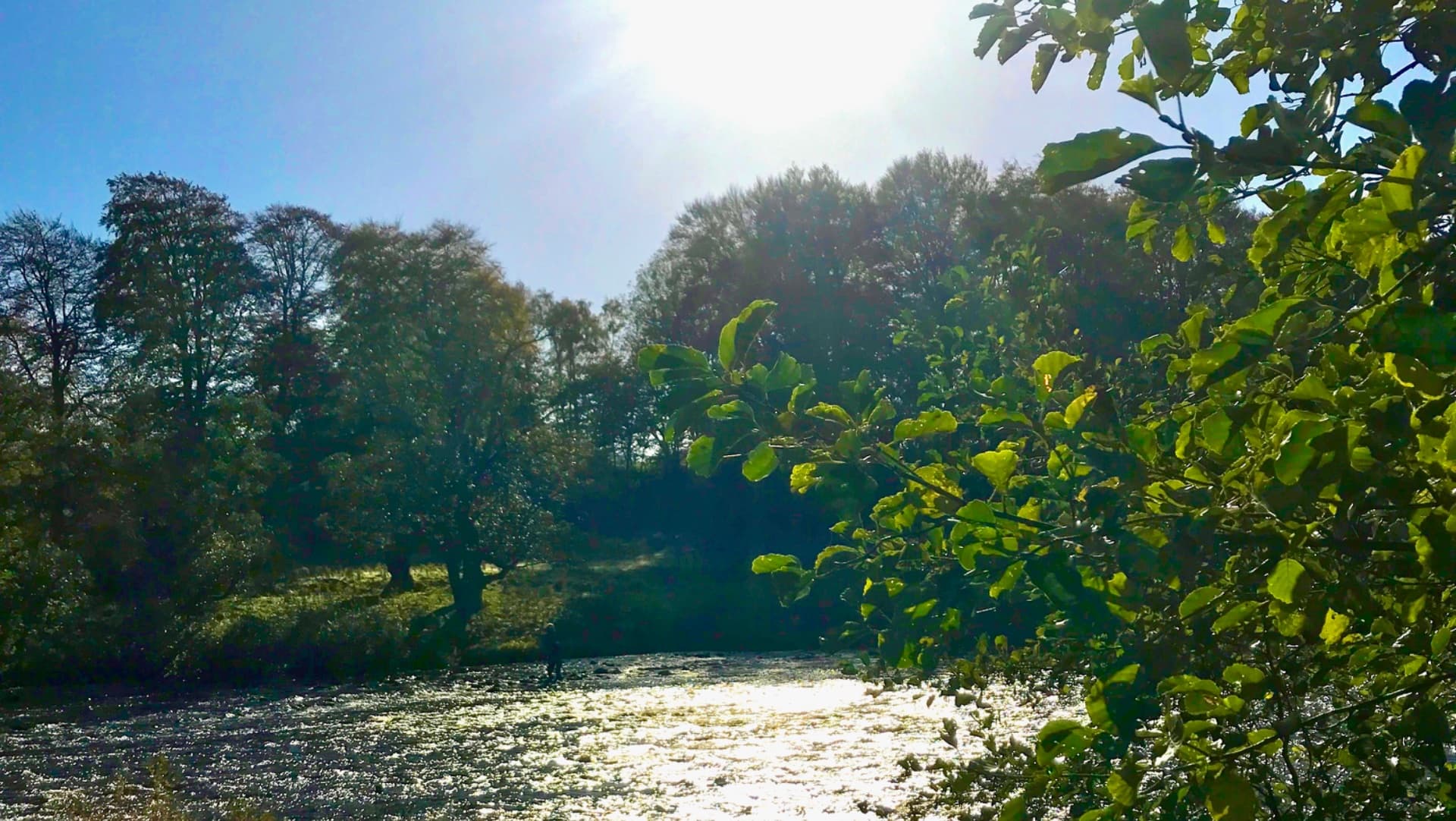
The Tyne is really two rivers wearing one name, and they meet at Watersmeet above Hexham like two arguments resolving into a single sentence. The North Tyne comes off the peat and grass moors below the Cheviots, slowed and steadied now by Kielder Water — the largest man-made lake in northern Europe — so that it runs wide and deliberate, pool and riffle over rounded cobble. The South Tyne falls faster from the high ground around Cross Fell, the Pennine roof, draining the old lead-mining dales of Alston Moor where the fellsides are still stitched with the spoil heaps and flues of that vanished industry. One arm is broad and reasoned; the other is narrow and quick to rise. Below the confluence the valley turns to sandstone and broadens through Corbridge and Bywell, past the Roman wall country, the river threading ground that has been worked for two thousand years. This is the Tyne's real story. Within living memory it was an open sewer — the industrial Tyne of shipyards and staithes, a river declared biologically dead. Its return to one of England's most productive salmon rivers is among the great quiet triumphs of British river conservation: the salmon came back to water that had forgotten them. It is a spate river still. It colours and lifts after rain, then drops and clears, and it fishes best on that falling, clearing water. To read the Tyne you read the weather on the hills first — and you learn quickly that the North arm and the South arm answer the same rain in different voices.
Wading: Spate river — fast rises after hill rain, slippery bedrock ledges on the South Tyne
June–September run, nocturnal summer pattern, pool-tail fishing at dusk and night
- Sandstone
- Partly confined