
 Caddisflies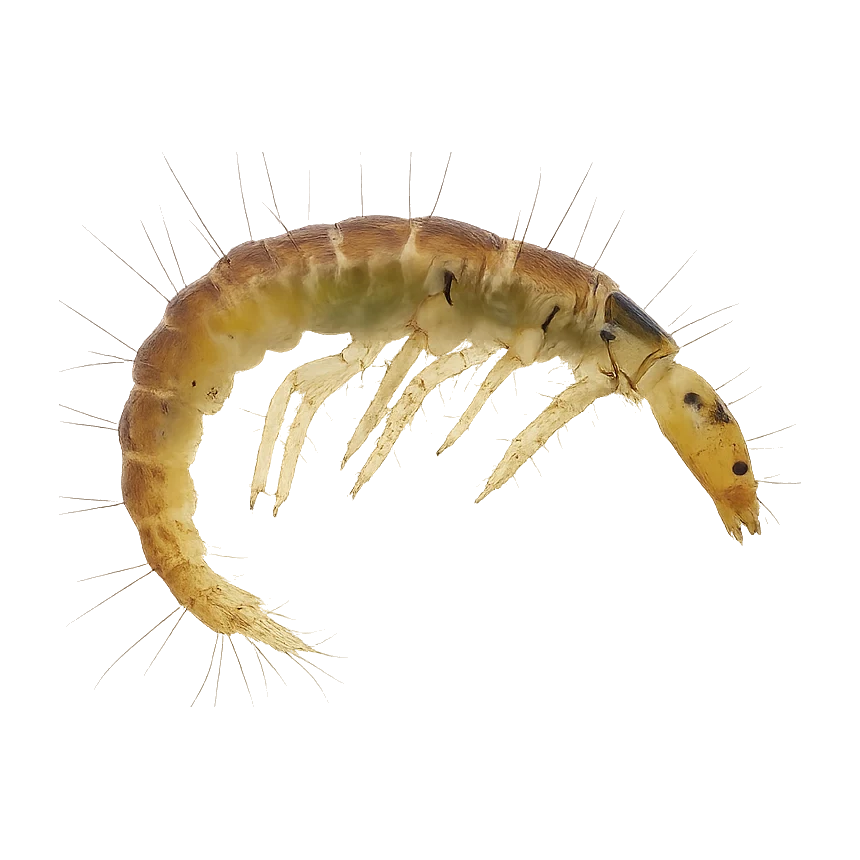
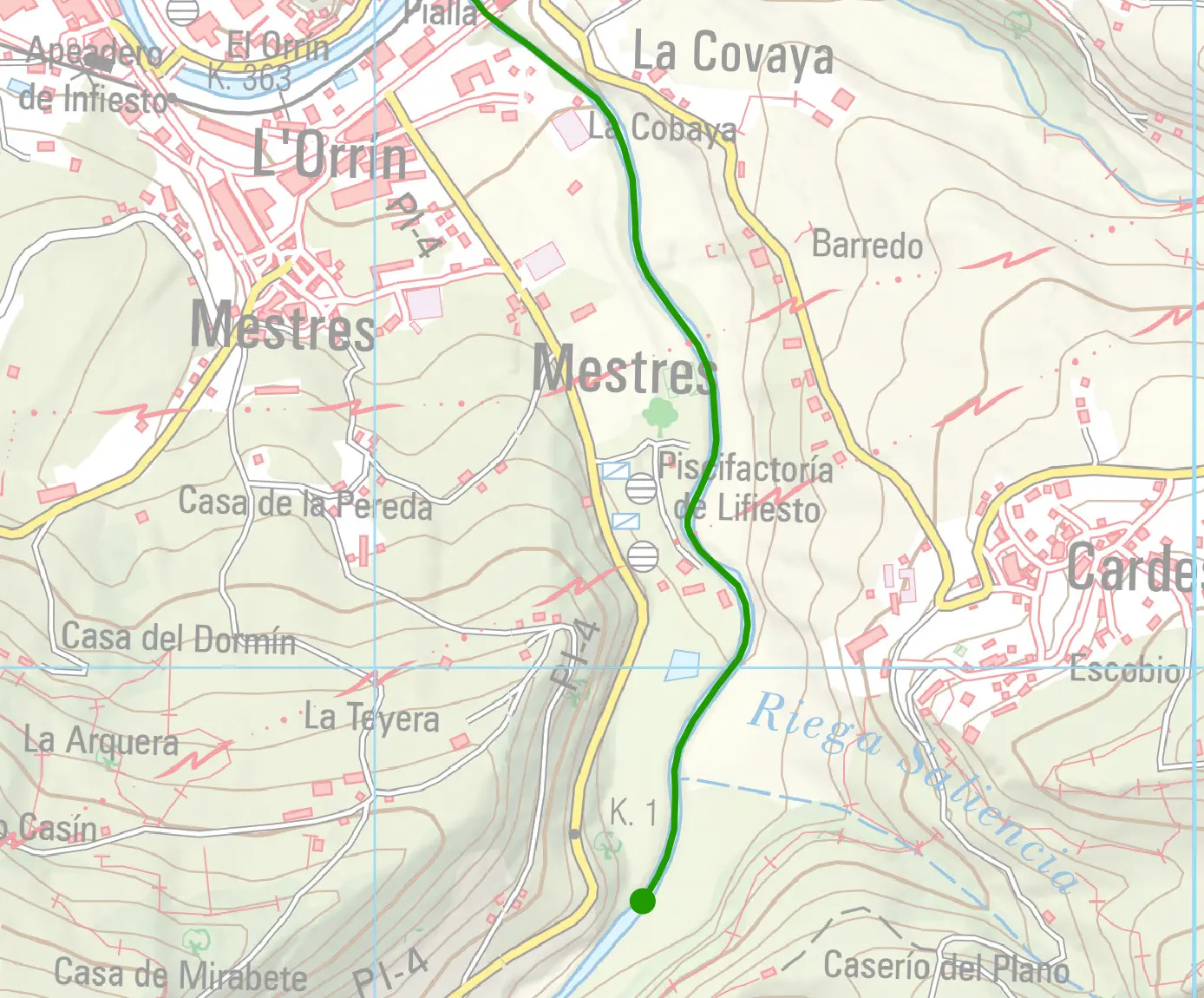
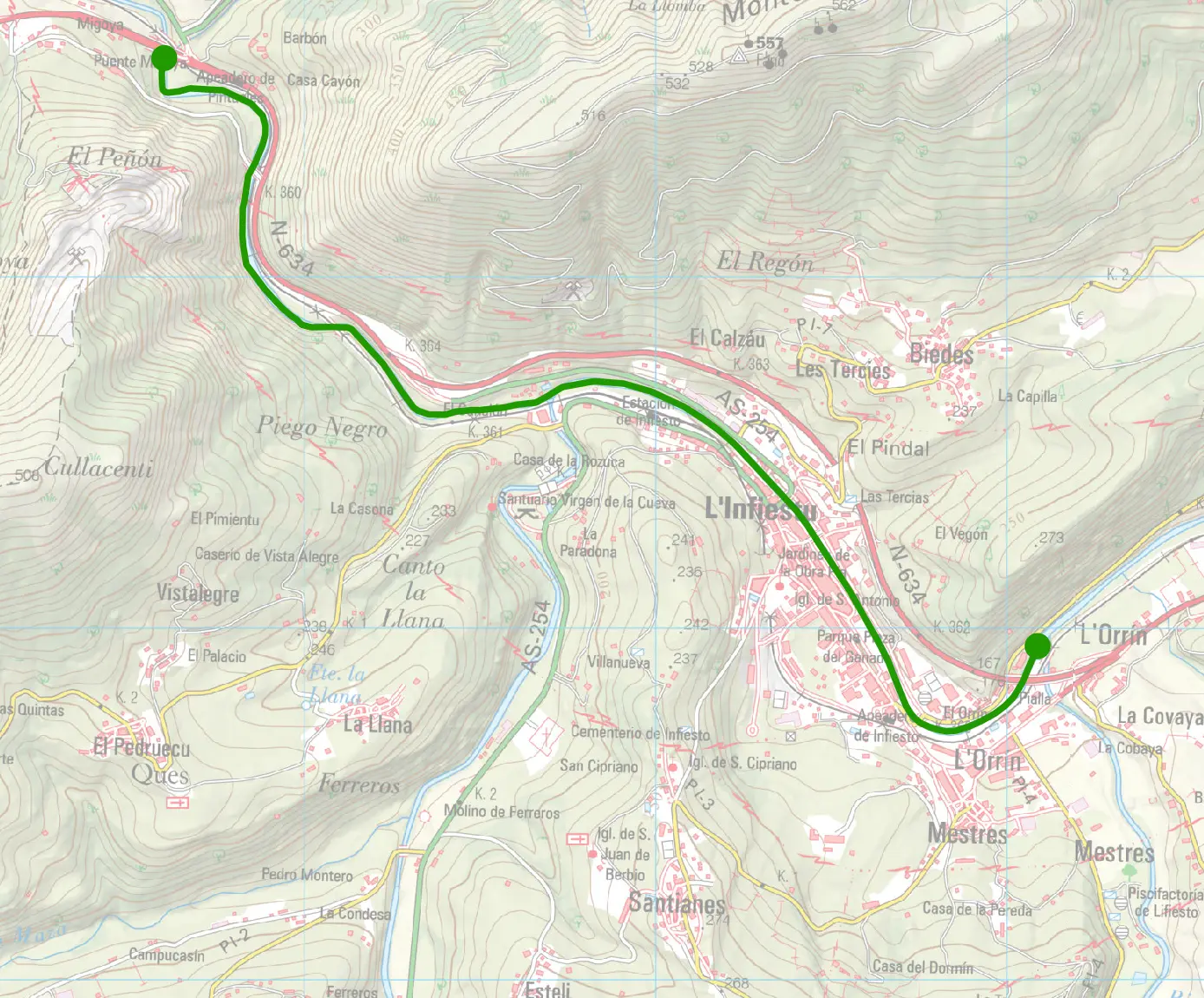
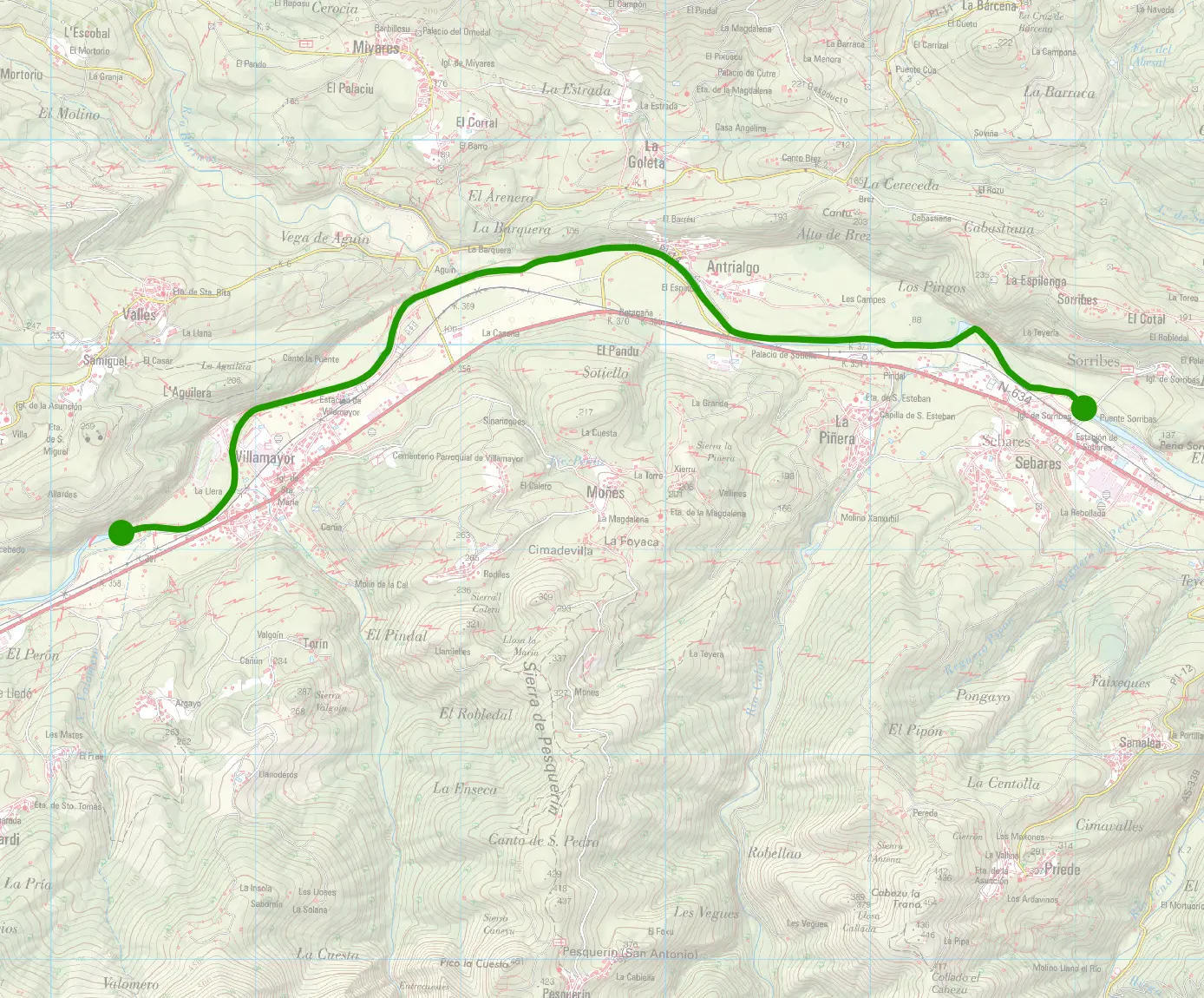
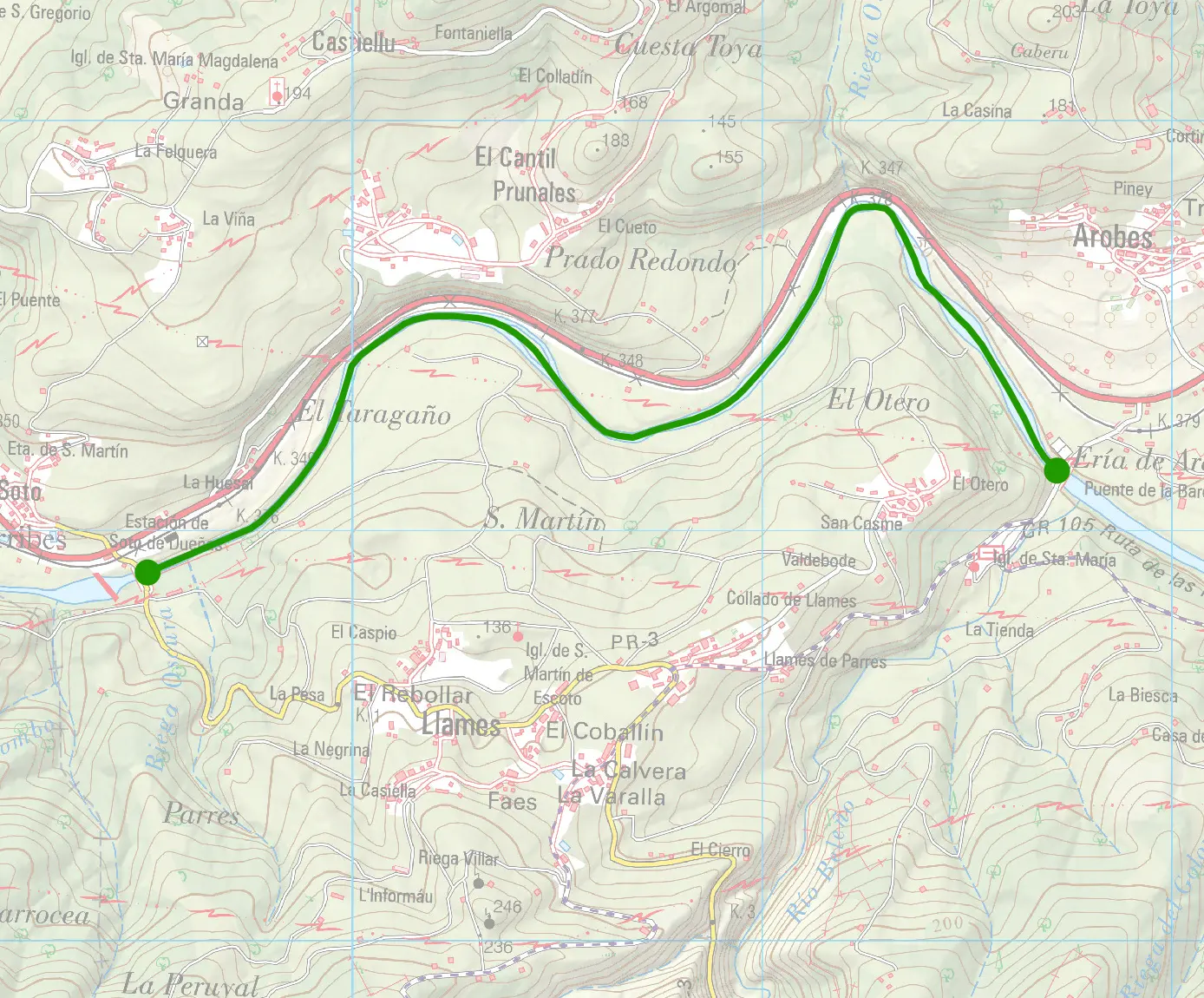
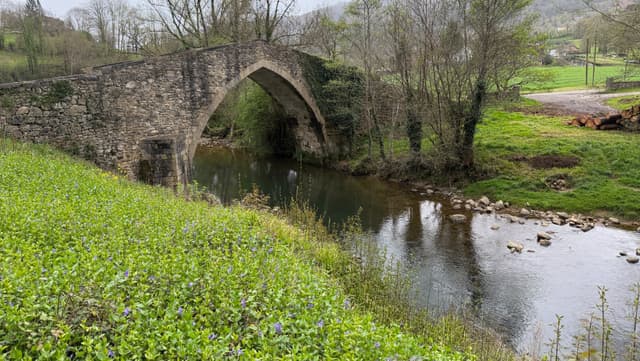
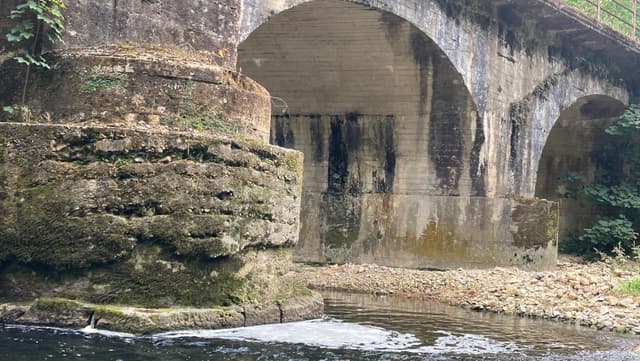
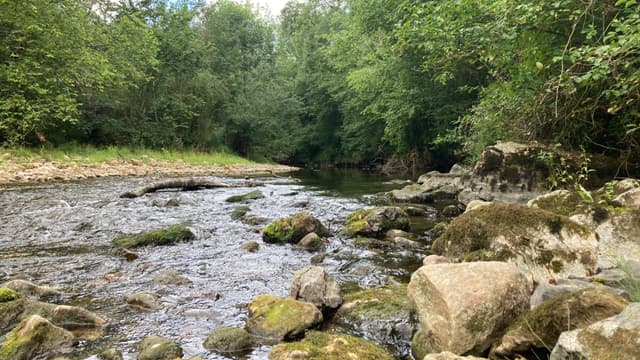
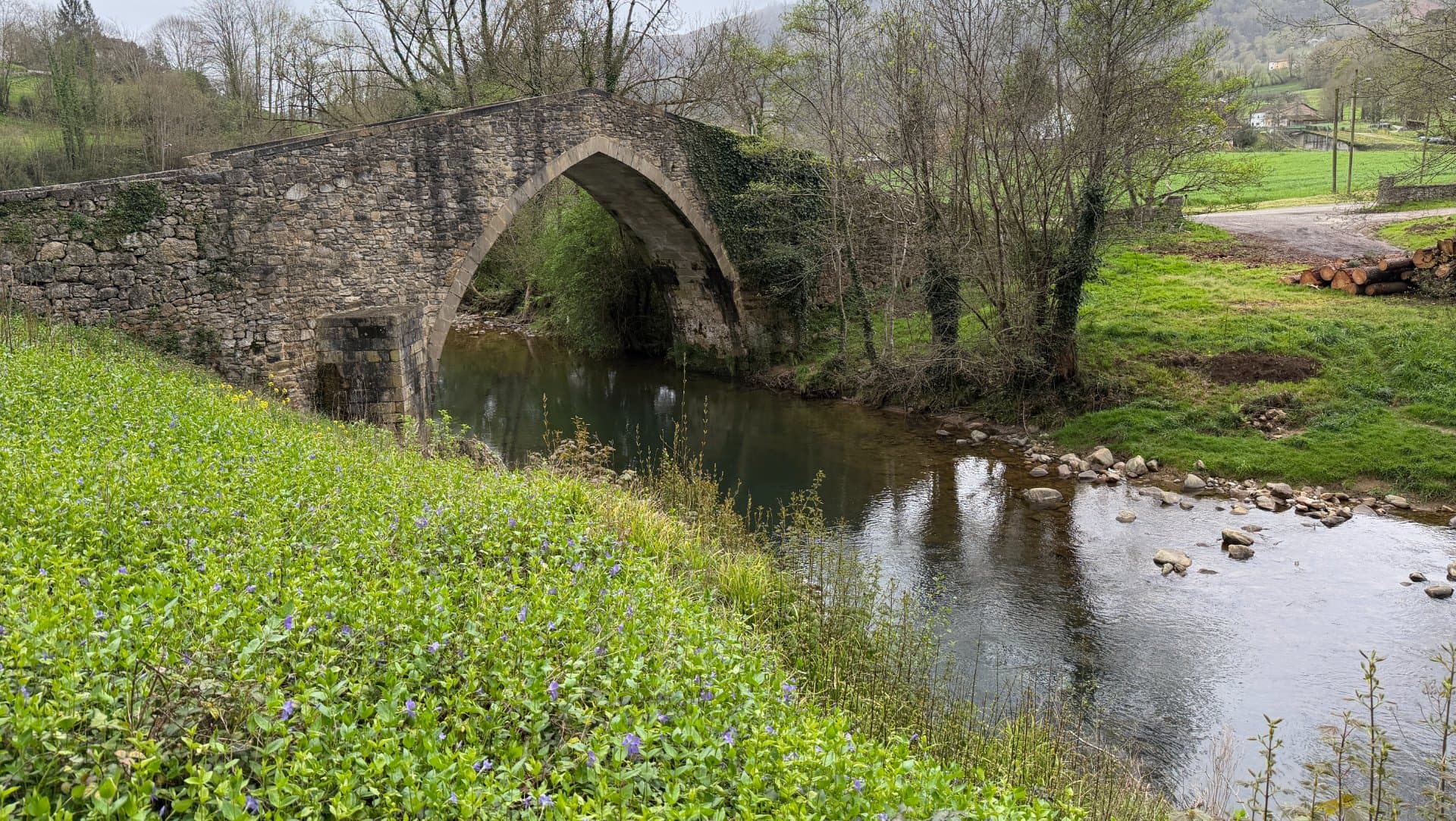
The Piloña flows through green valleys to meet the famous Sella near Ribadesella — a gemstone of a tributary that rewards unhurried observation. Wild browns run 15–30 cm with larger residents in deep pools and runs; sea trout arrive May–June on high tides. The mixed limestone and sandstone geology creates clear, responsive water (4-hour spate response). Mayfly hatches dominate May–June; sedges and terrestrials fish well. Its modest profile and proximity to coastal Ribadesella make it attractive for anglers seeking uncrowded trout fishing, but Asturian licence and local tramo or coto rules still need checking. Nymphing productive year-round; dry fly in low water rewards accurate placement.
The Piloña runs from high slate and quartzite country down through partly-confined and pool-riffle sequences to its confluence with the Sella. The river is responsive and spate-characterized, rising quickly when the rain arrives in the Cantabrian Mountains. The upper reaches show the slate character — step-pool, amber water, quick response. The middle Piloña settles into pool-riffle sequences on cobble emerging from mixed slate and quartzite. The pools are productive and hold generations of fishing tradition; each one is known, marked, fished with deliberation. The river maintains character throughout its reach — responsive to weather, coloured with slate fines, and belonging to the particular landscape of central Asturias. The wading demands attention in the upper sections, but becomes more approachable as the valley opens.
Wading: Algal glazed bedrock ribs at lithology boundaries
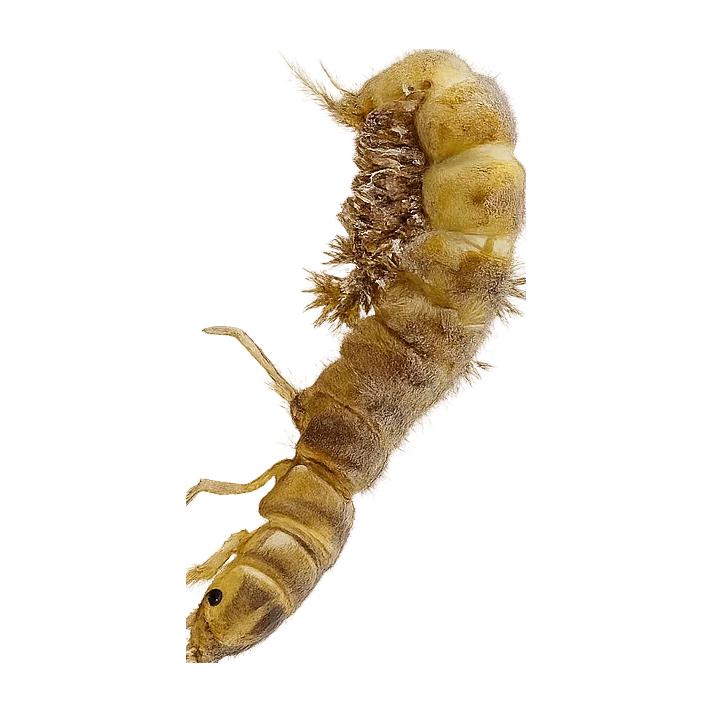
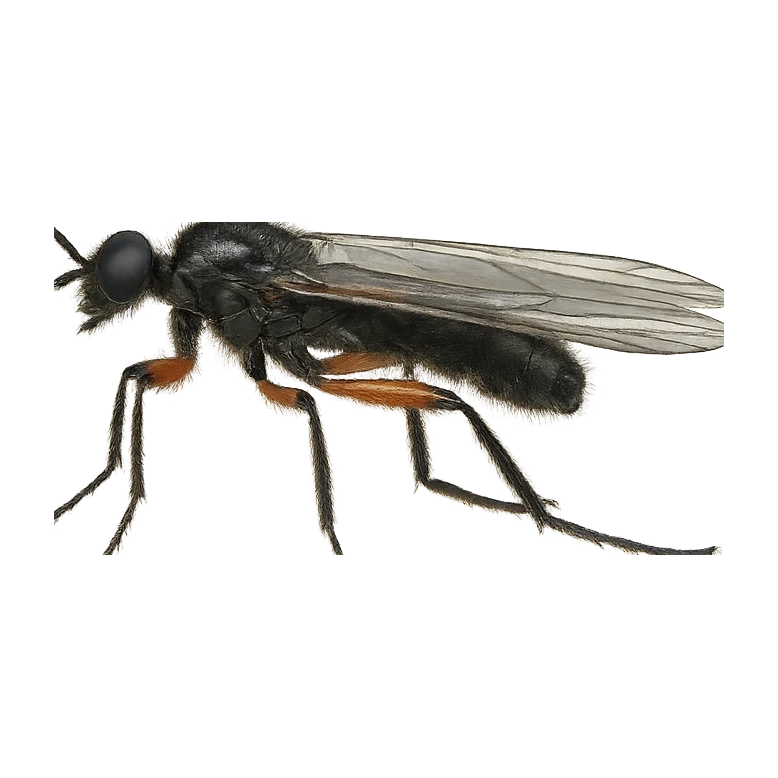
In the mountain-to-sea trout rivers of Asturias, olives and other mayflies do much of the work in spring whenever levels and colour allow, followed by strong evening caddis and steady buzzer life through early and mid-summer, with terrestrials and mixed surface food from wooded, pastoral banks rounding out the diet whenever flows drop back into safe wading range.
- Mixed
- Partly confined
- Step pool
- Pool riffle