
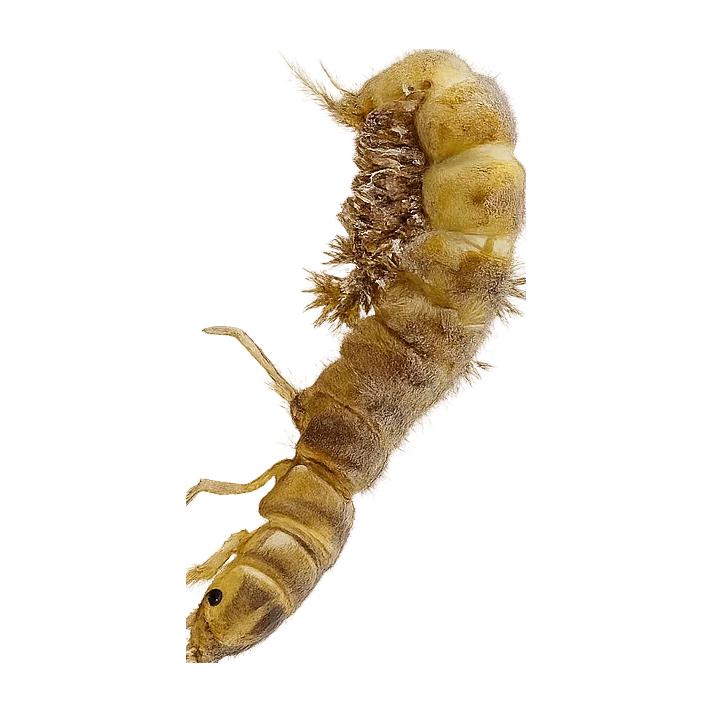
 Caddisflies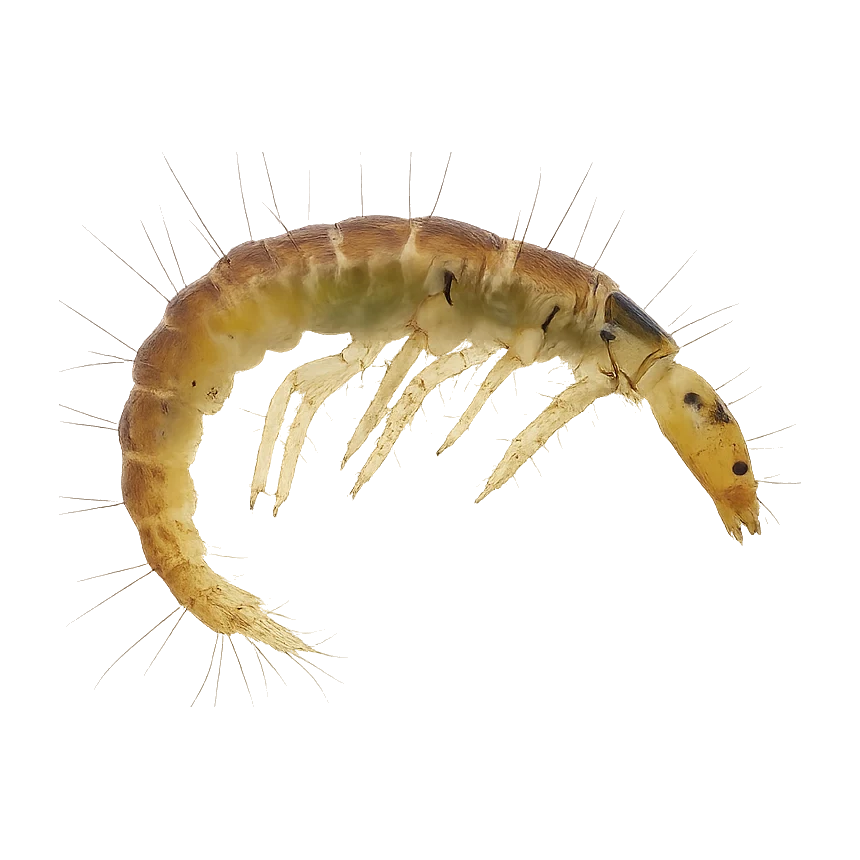
 Gammarids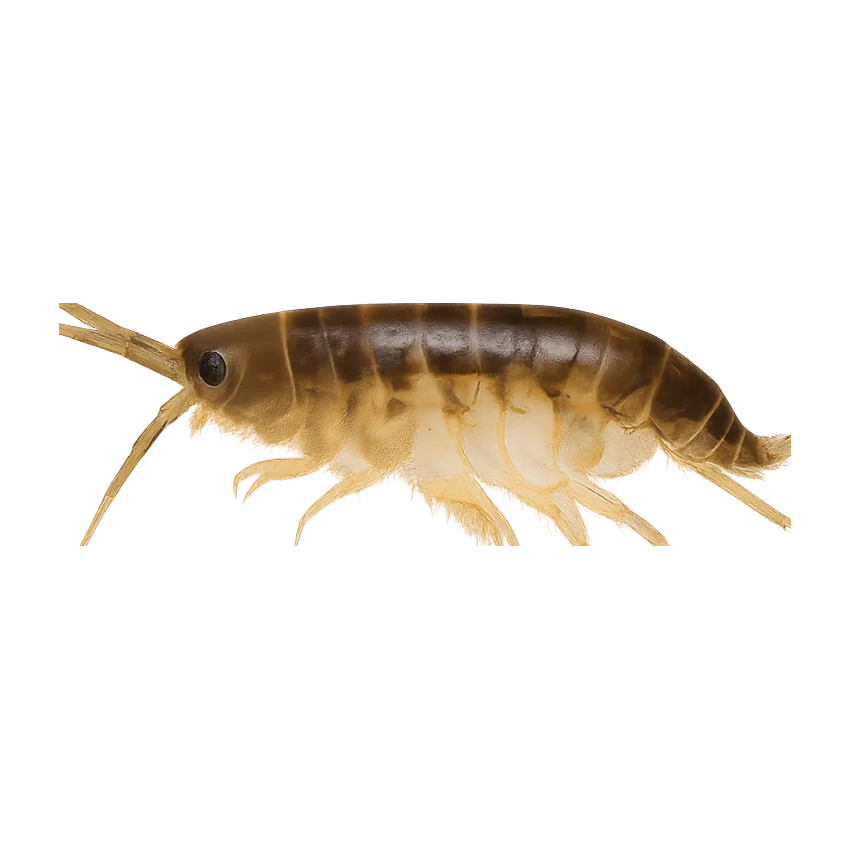

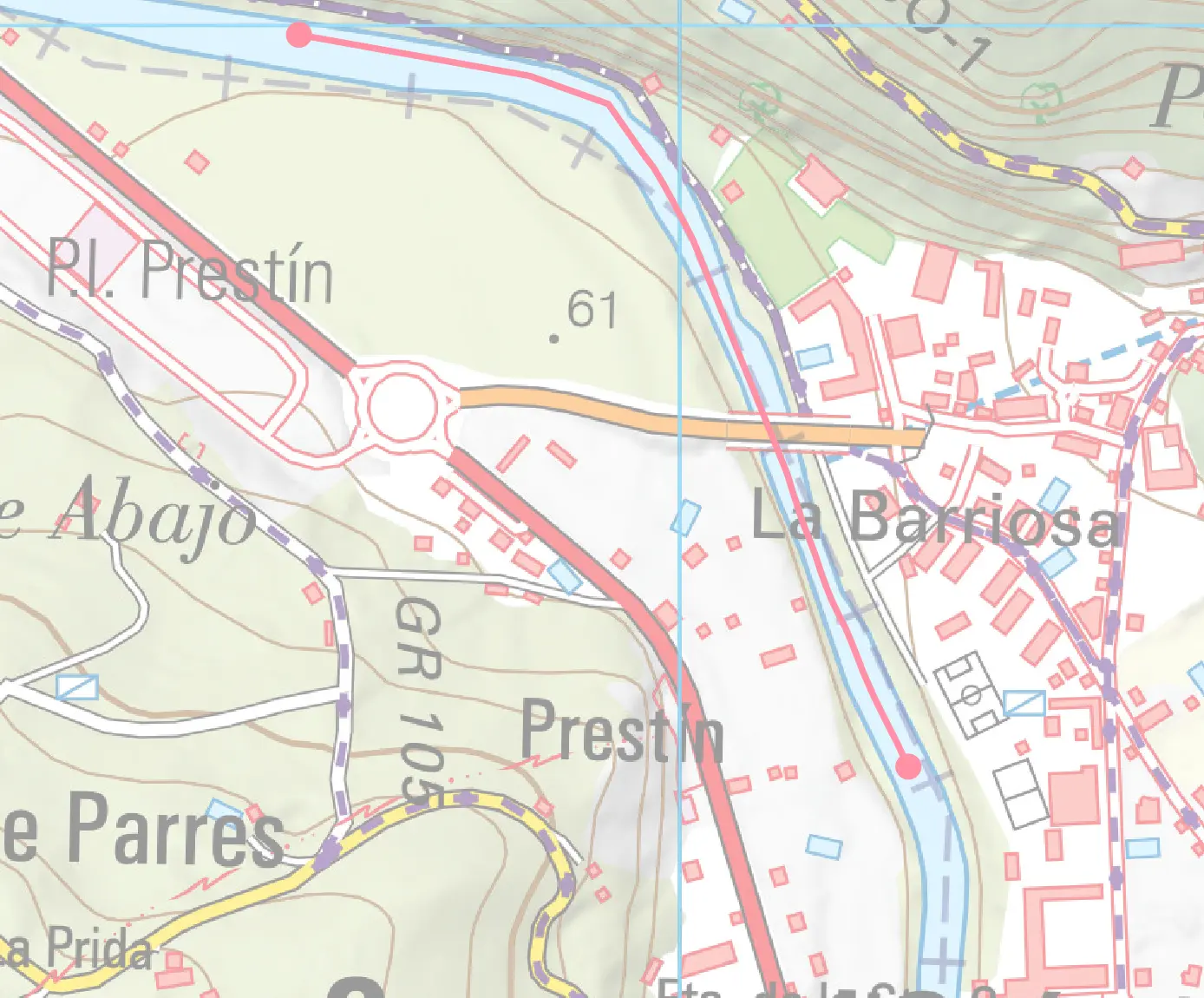
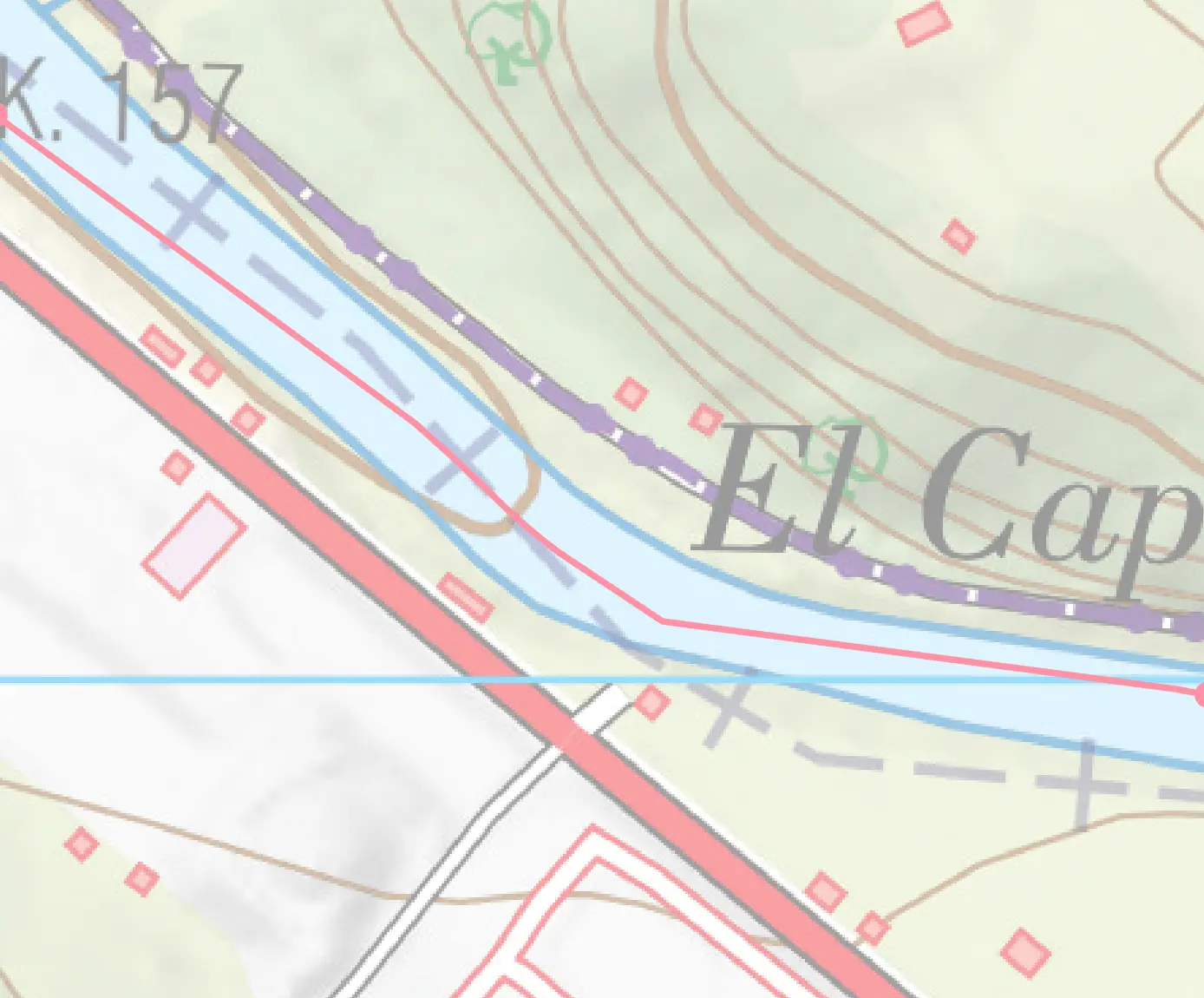
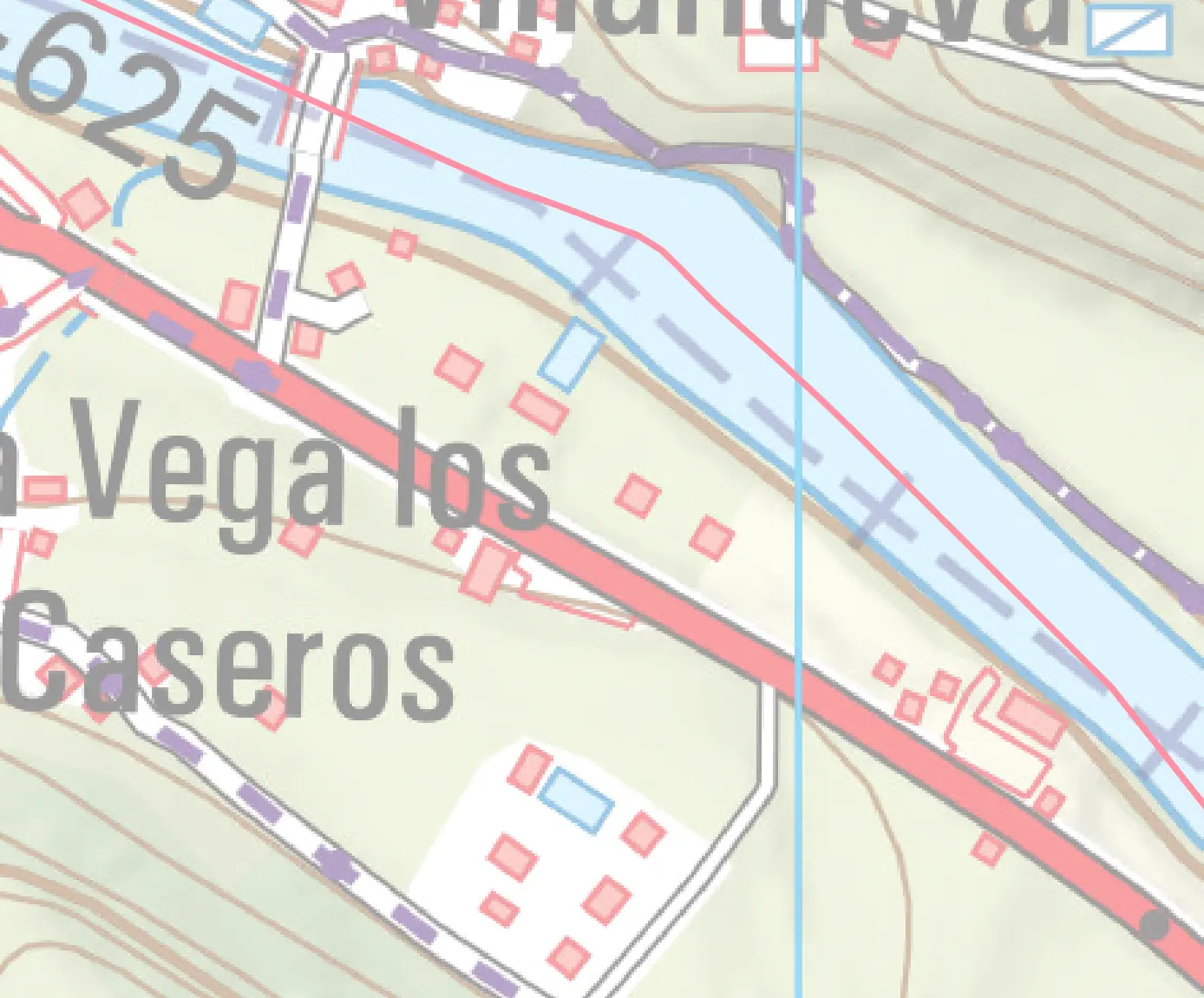
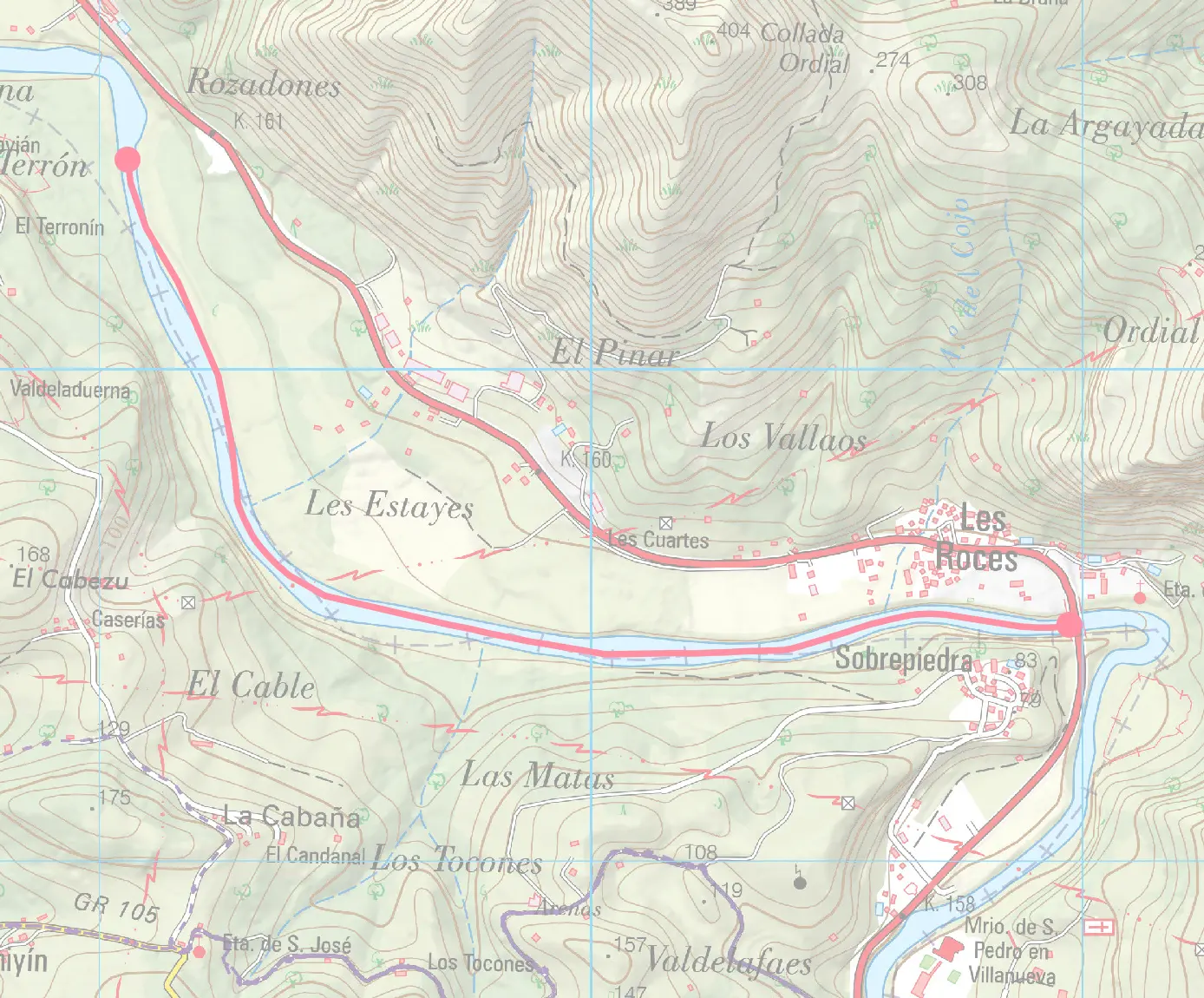
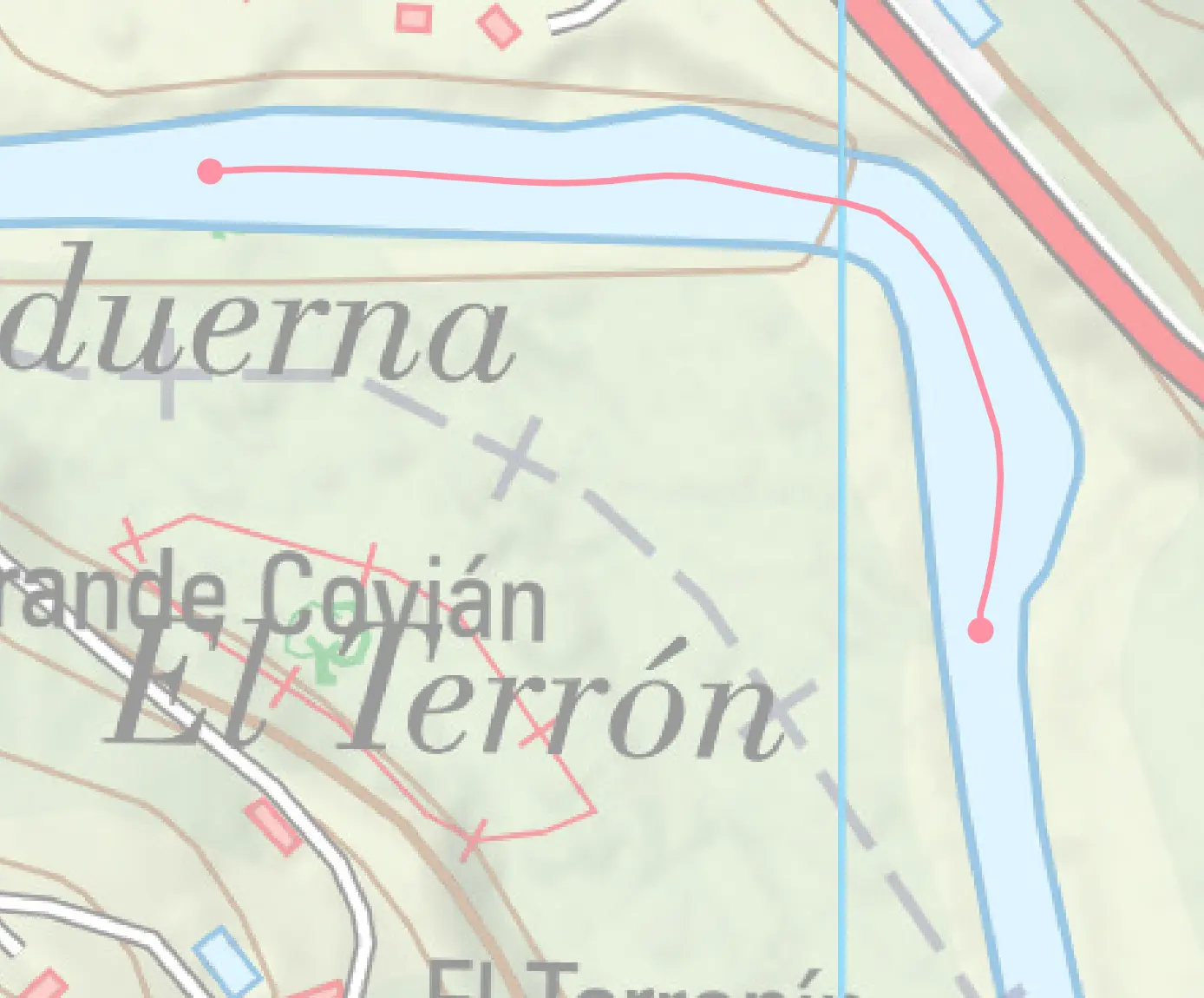
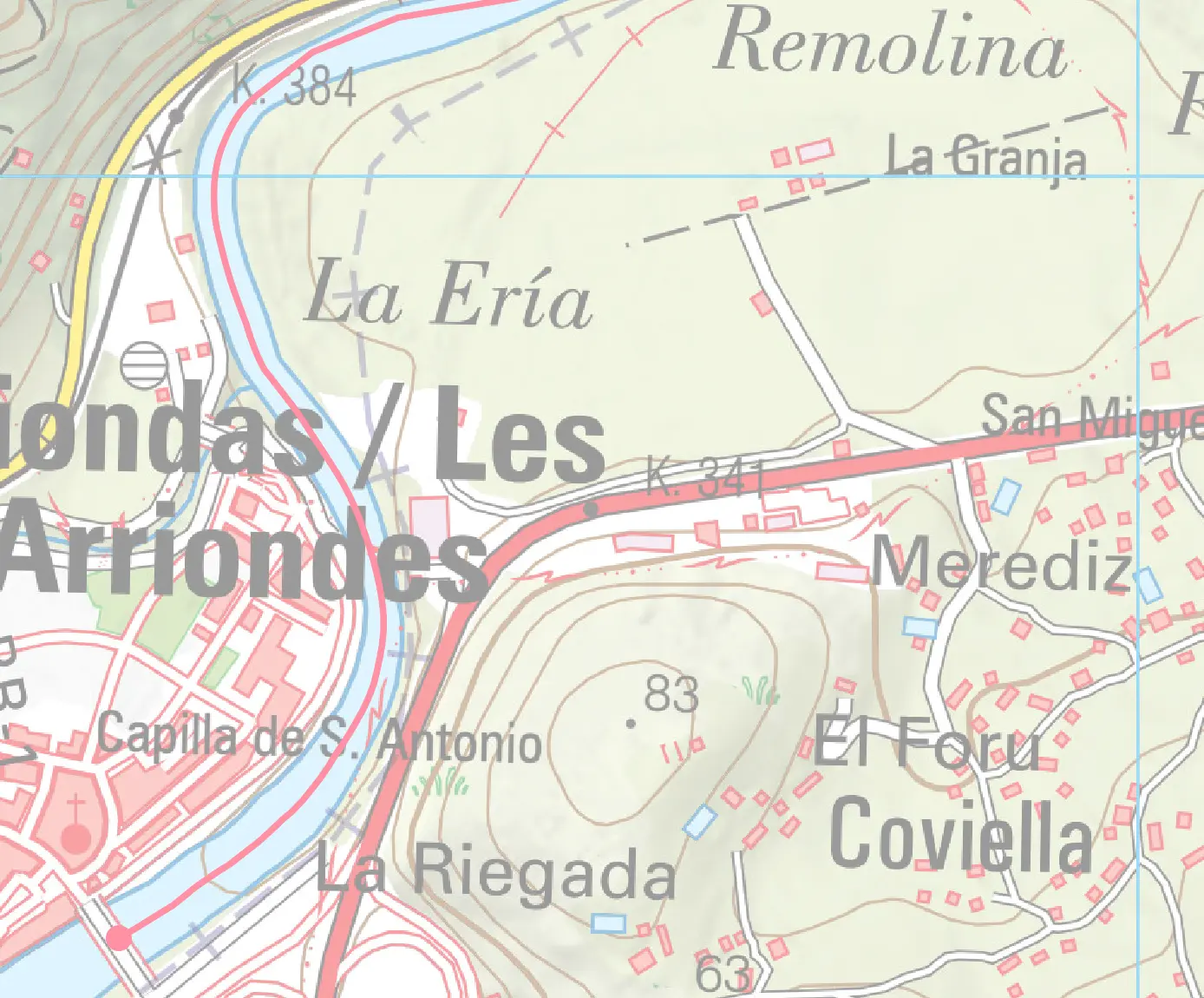
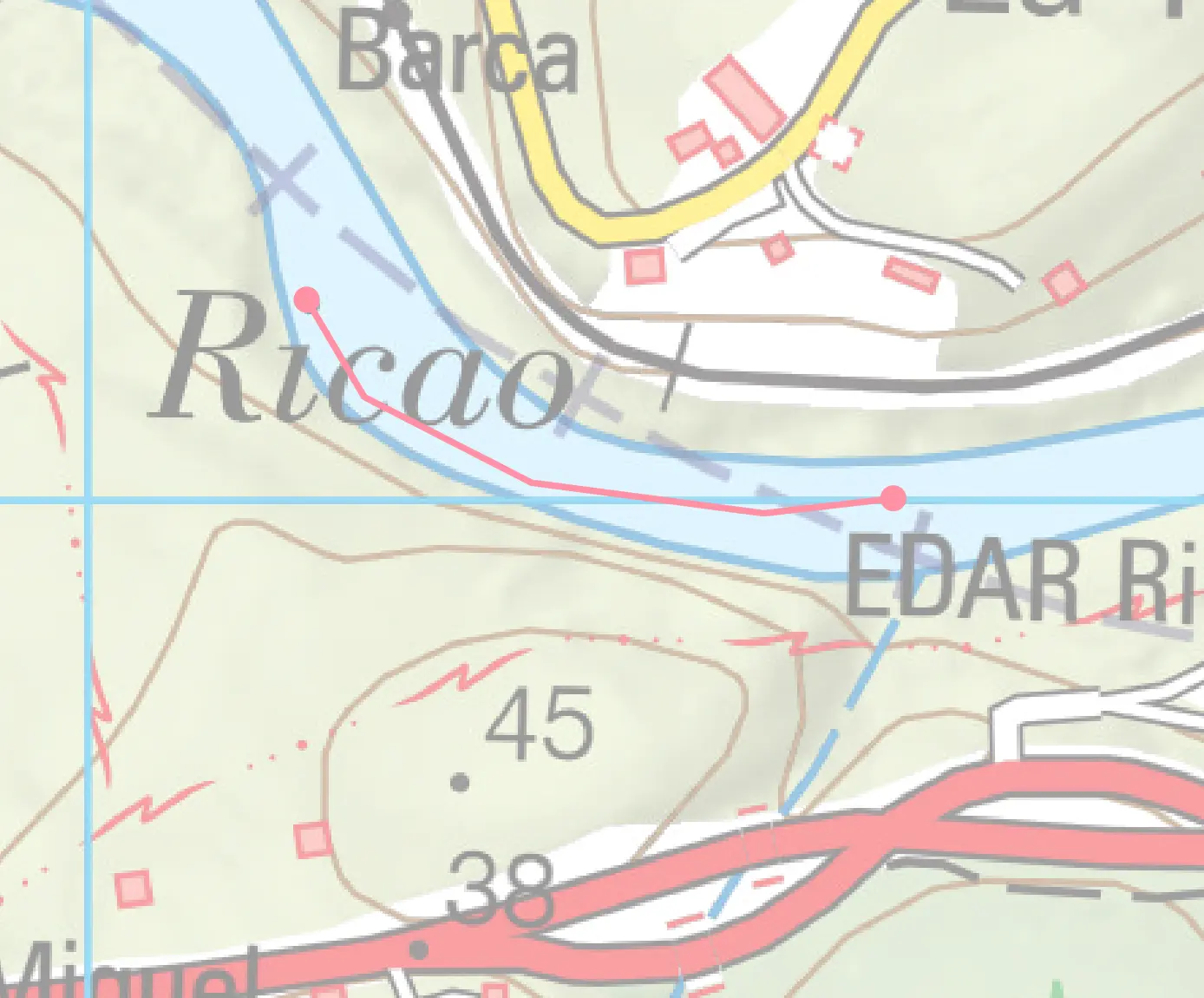
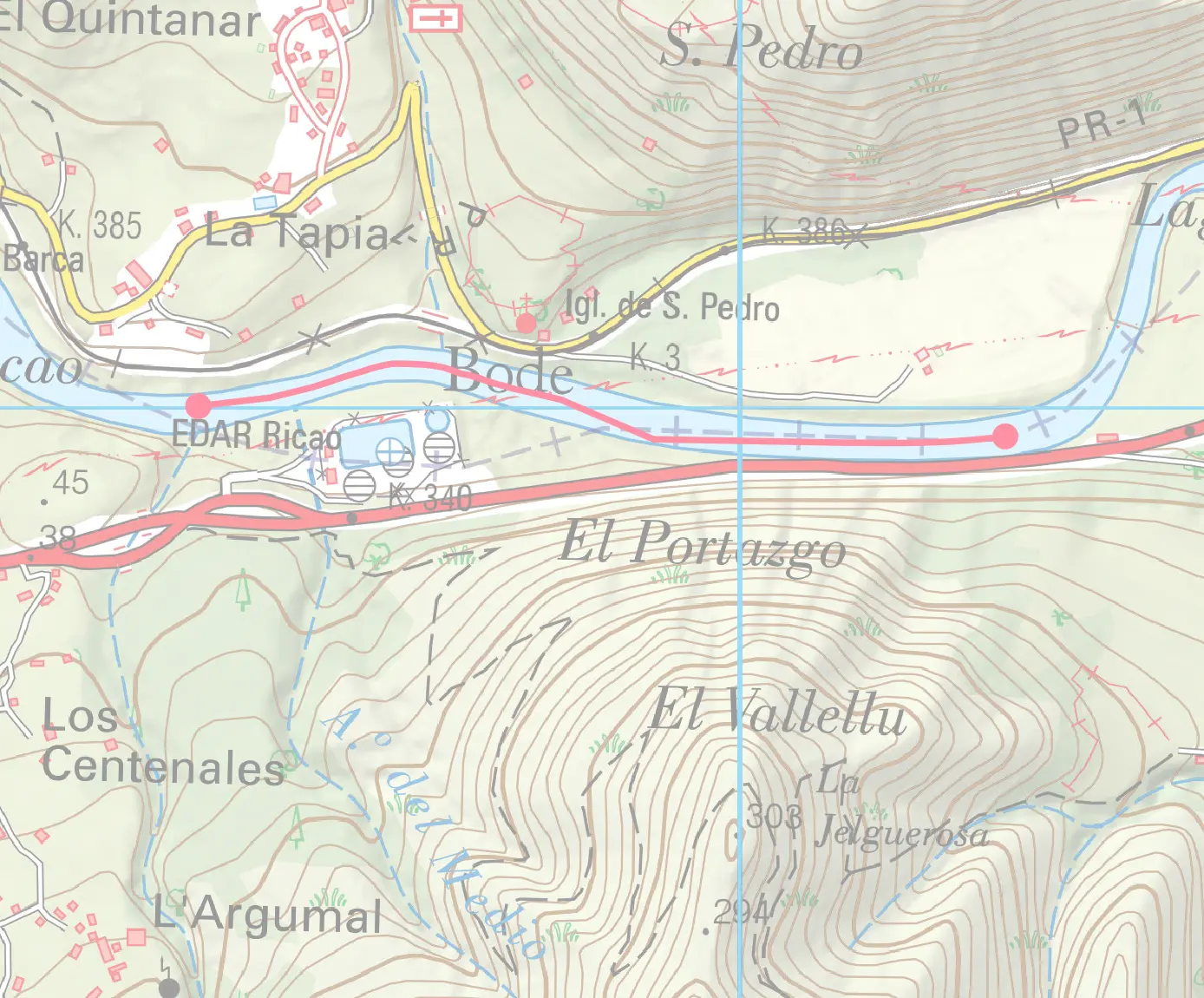
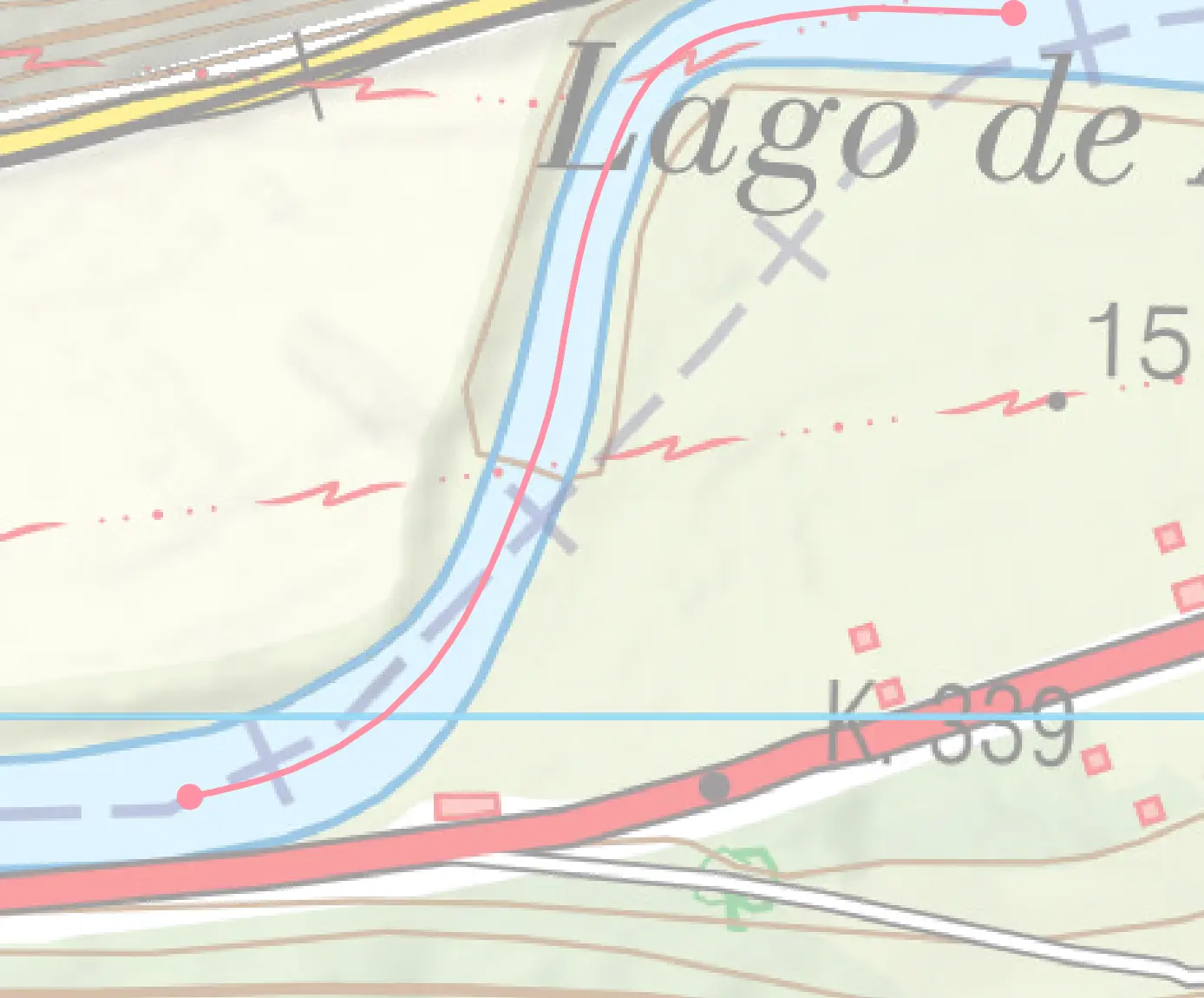
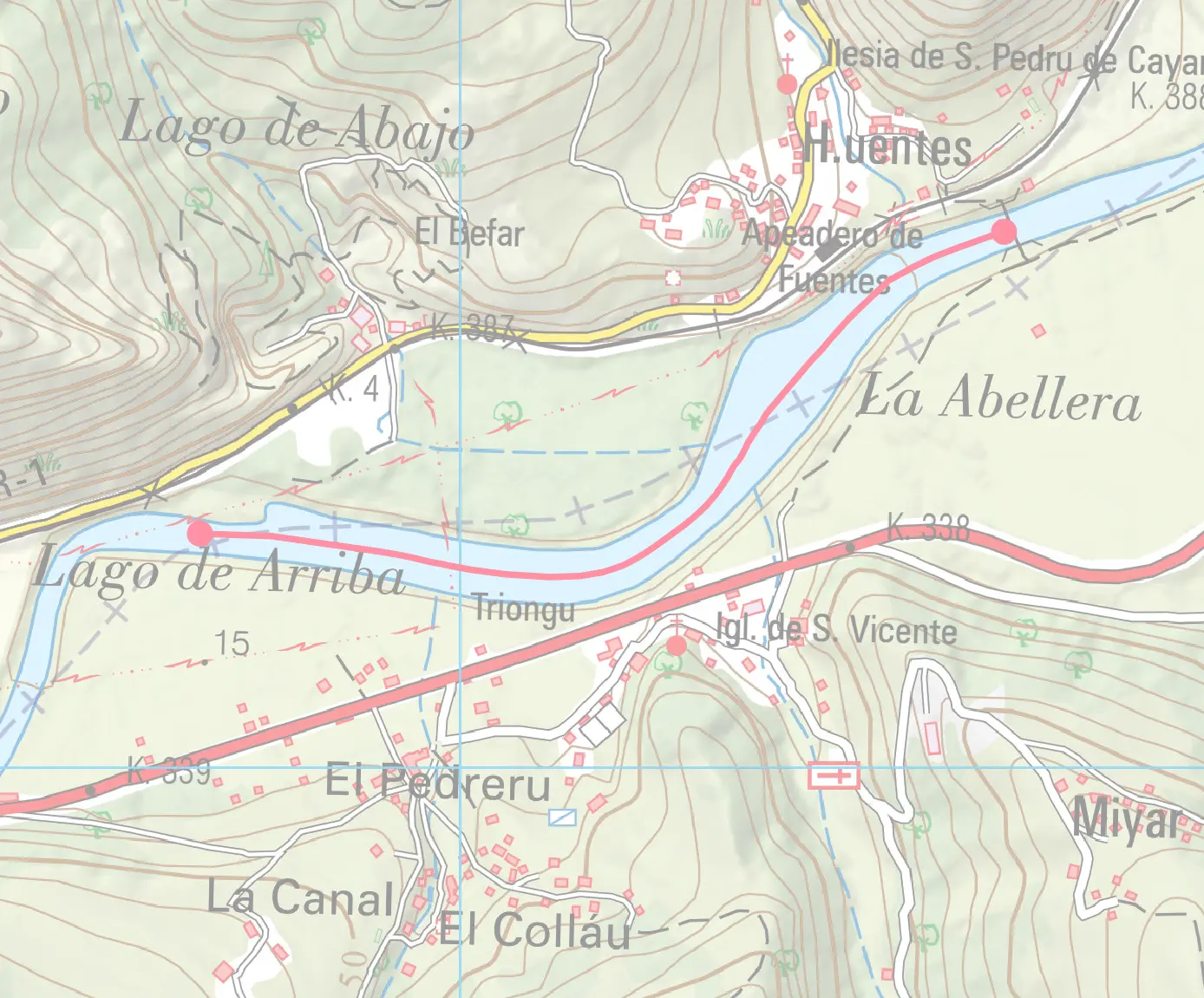
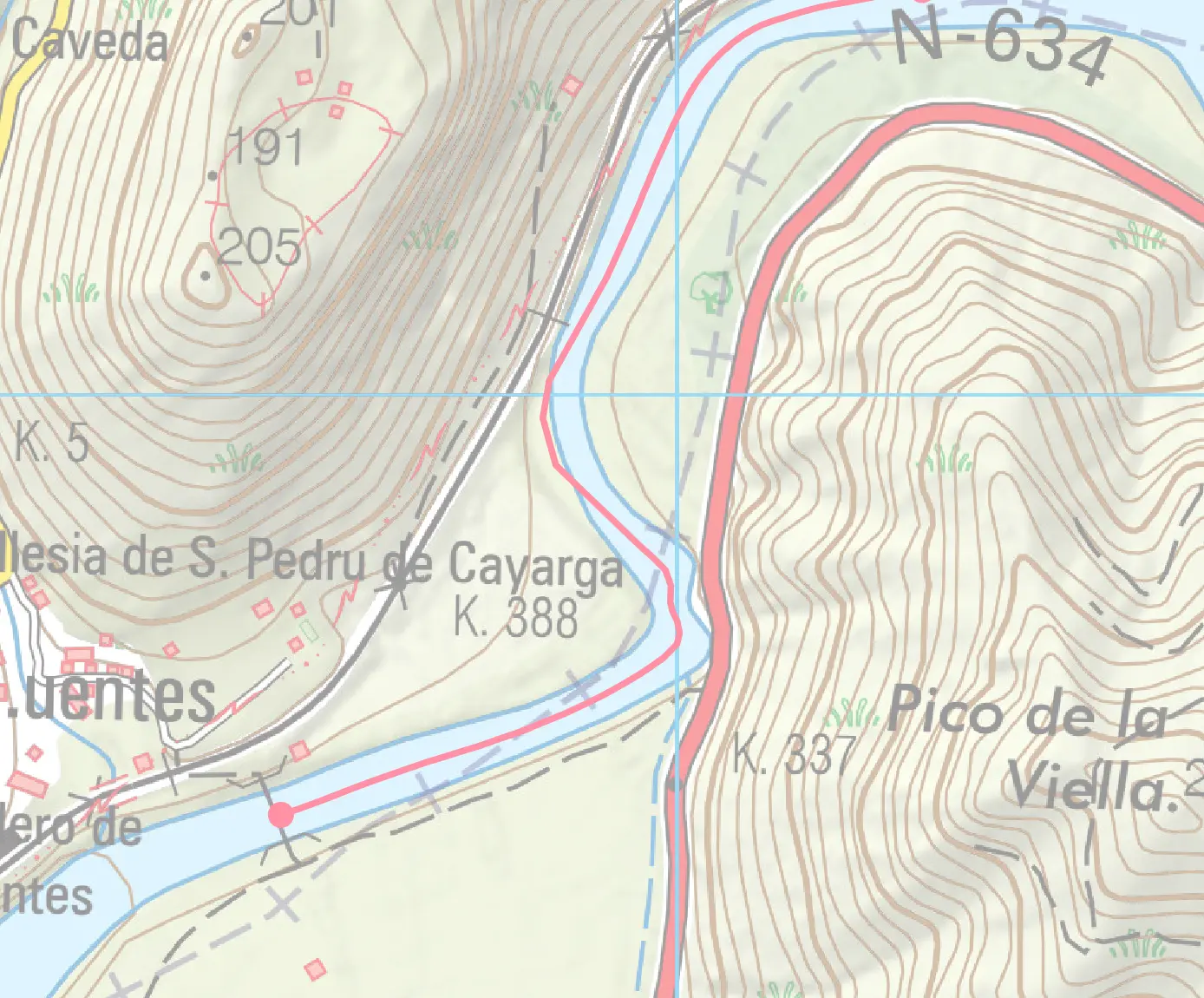
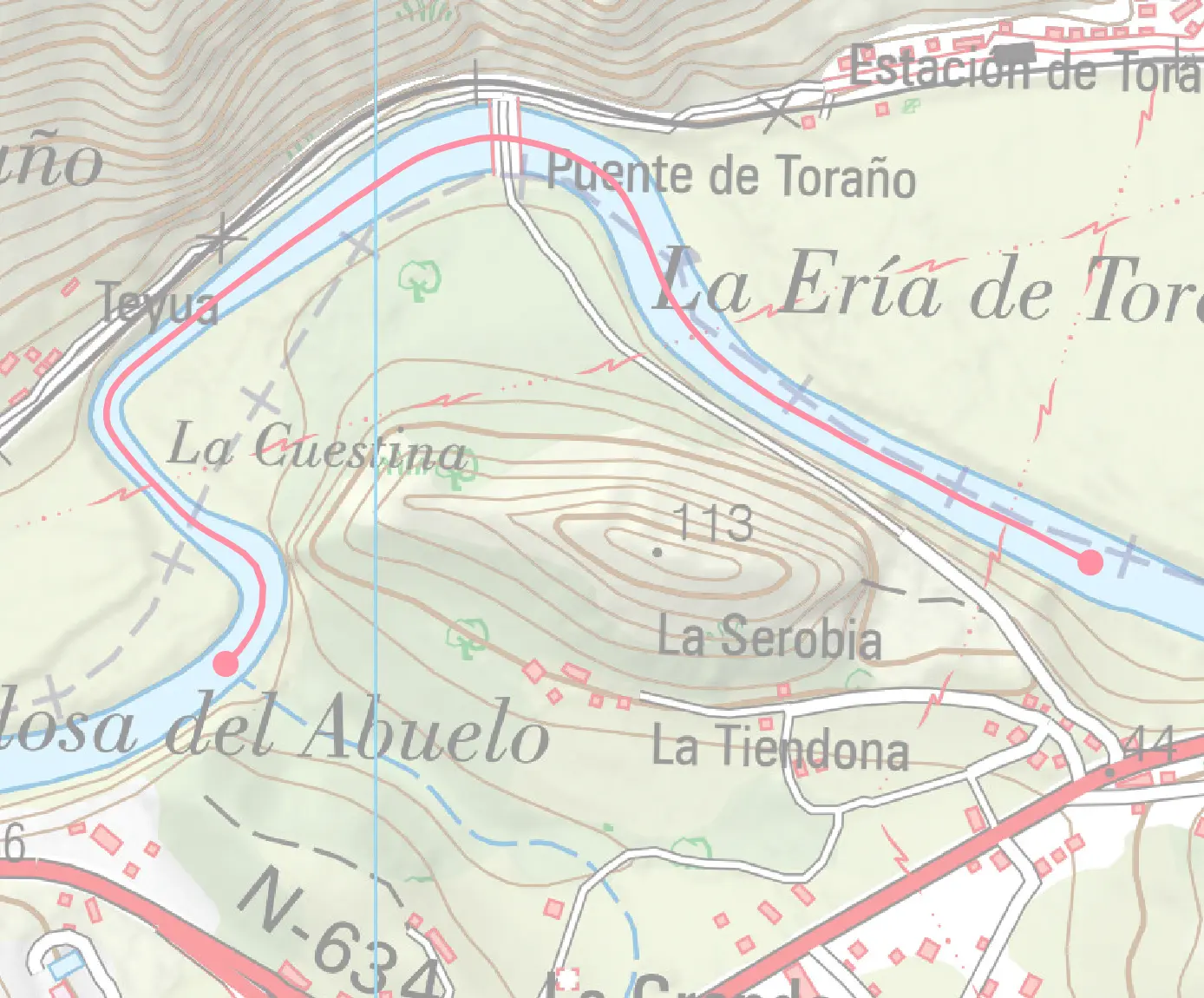
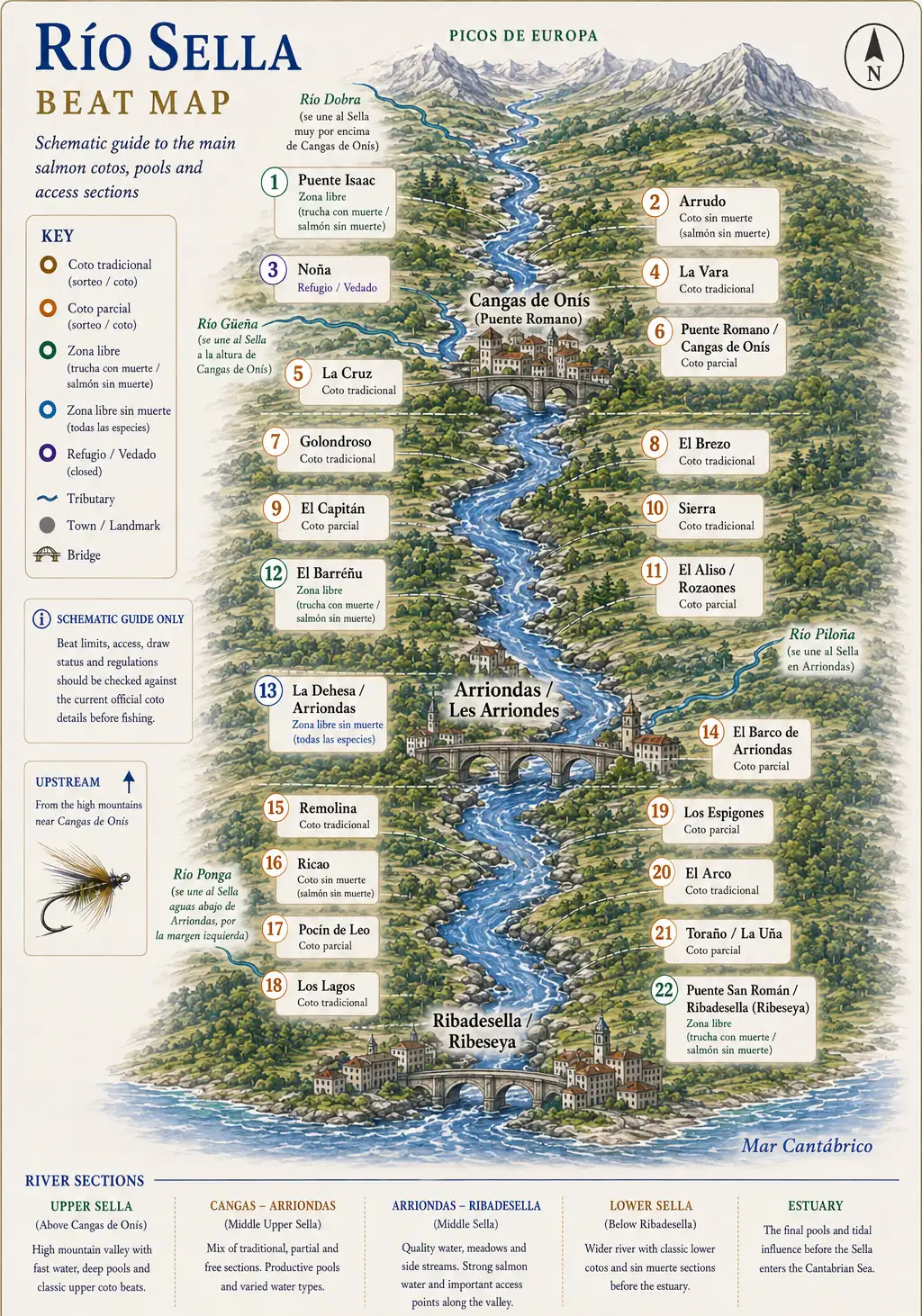
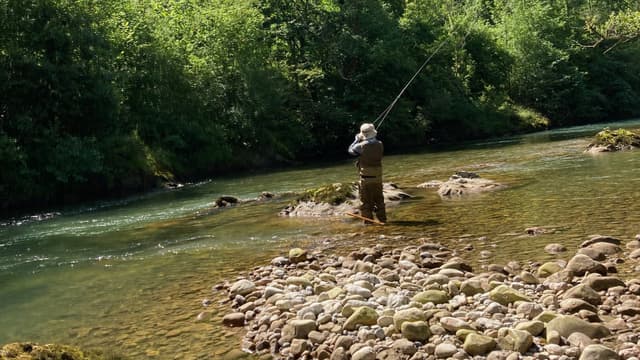
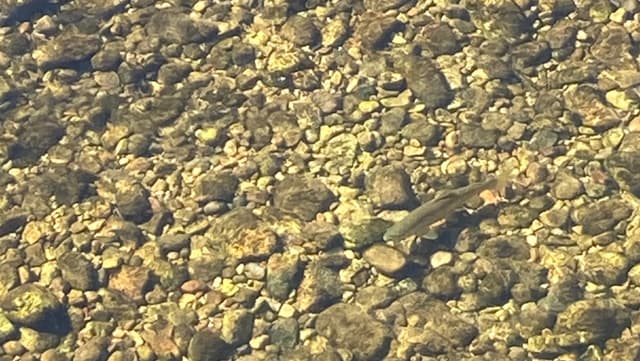
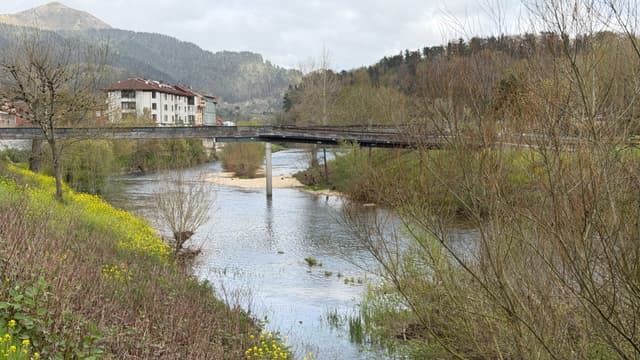
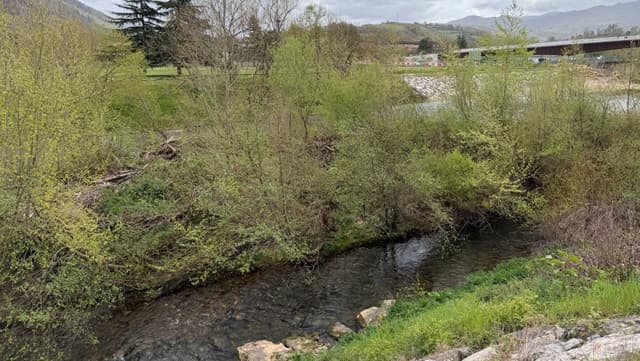
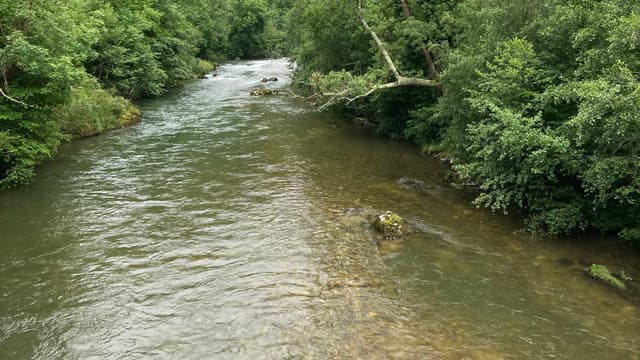
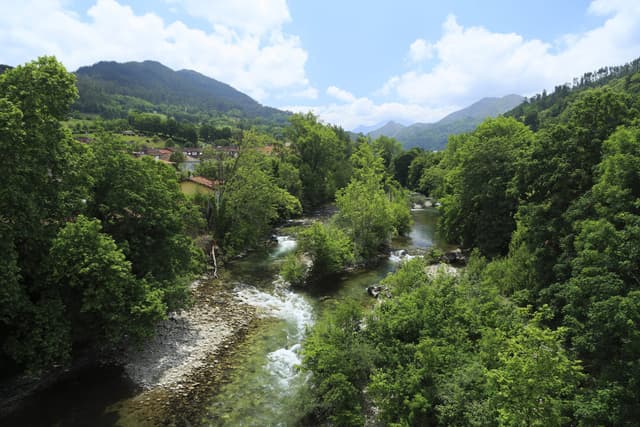
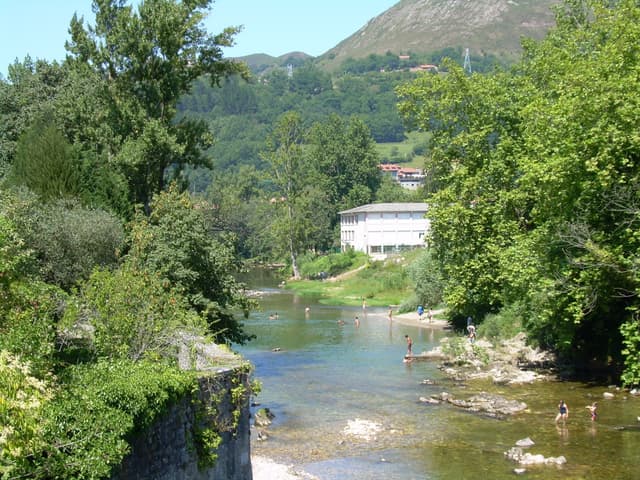
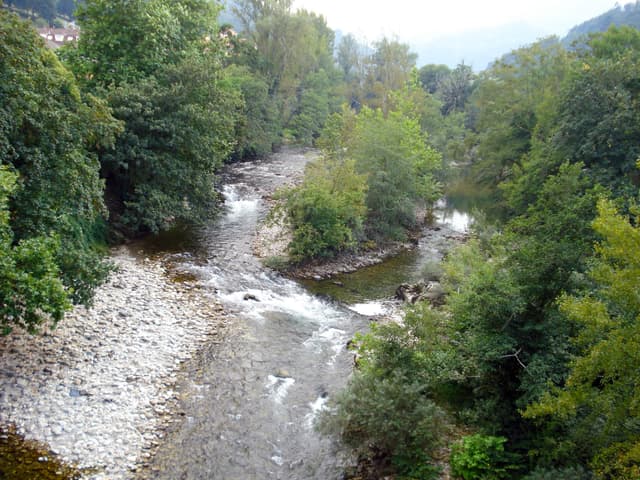
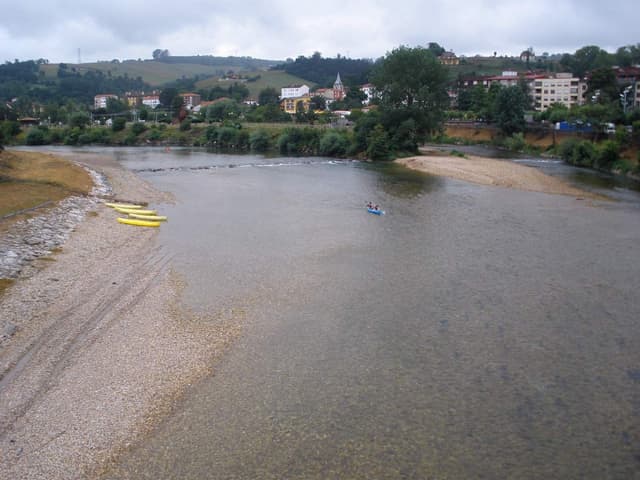
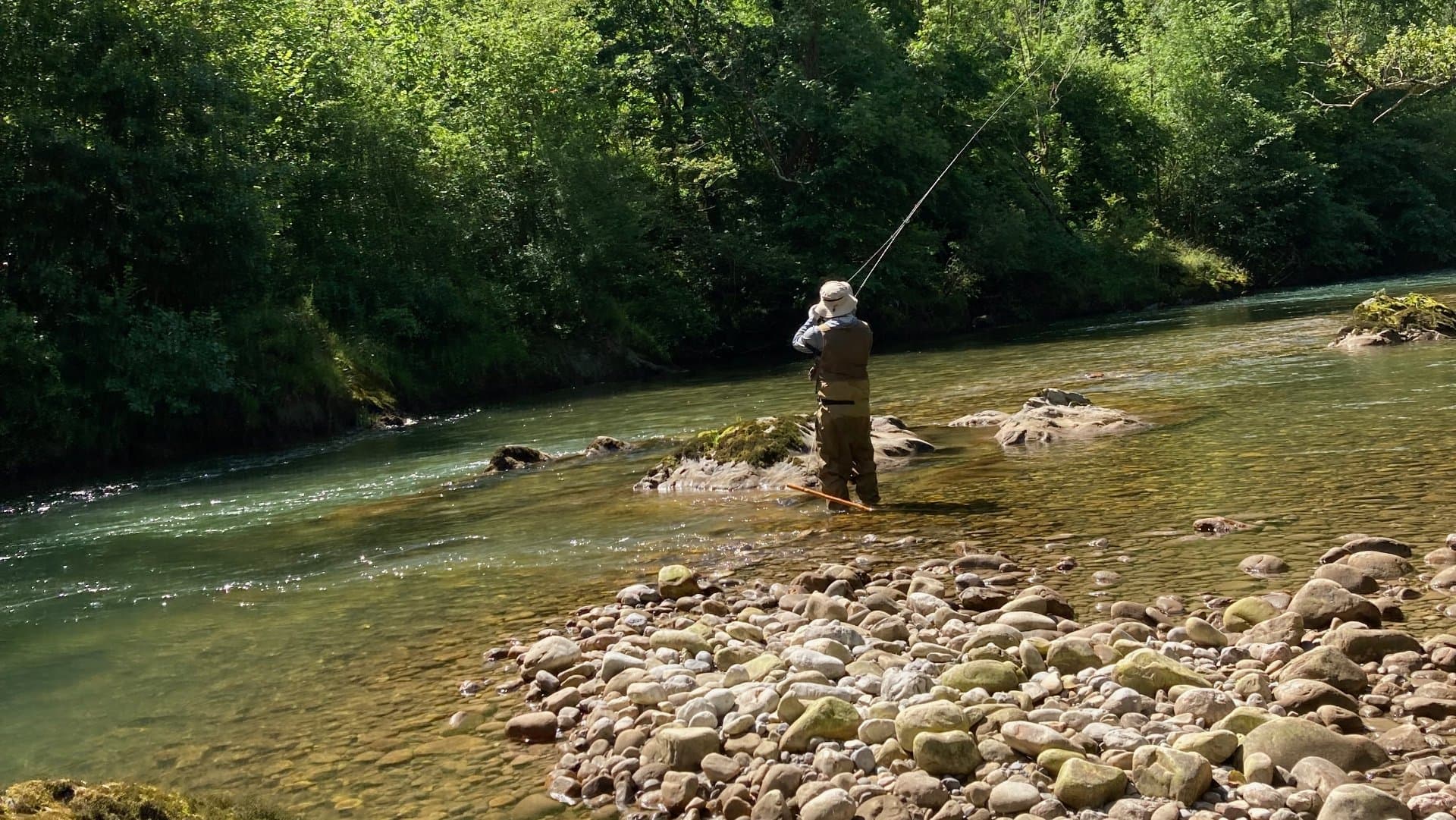
The Sella is a river of limestone light — water so clear you can see through it to the bottom as if looking through air, the canyon walls rising sheer above pools that hold salmon visible in their depths. From the high Picos down through the famous cotos to the sweet town of Ribadesella, it is unquestionably Spain's river, the one that calls serious salmon anglers as the Tweed calls to Scots or the Spey to those who learned their casting there. Salmon runs peak May–June; fish the Sella as a sight-fishing river when water is clear (the privilege of limestone geology) — spot salmon in the pools, adjust your approach to match their position and angle. In low summer water, small dry flies and tiny tubes (0.5–1 inch) on floating line work well; in spring and early summer flood, switch to larger tubes (1–1.5 inch, fished deep on sinking line with Spey or double-hand casting). The annual lottery (sorteo anual) allocates prime coto beats pre-season through the Federación Asturiana de Pesca. Visiting anglers should target cotos parciales (free access Tue/Wed/Sat) or zonas libres. Sea trout (reo) are crepuscular and nocturnal here as everywhere — they hold in salmon pools during the day and become most active from dusk onwards. The last 90 minutes before the legal closing time (fixed monthly clock times in Asturias) are the prime window; overcast evenings extend the opportunity. Current Principado salmon rules should always be checked before travel, as cupos and kill rules can change by season. Atlantic salmon stocks are under serious conservation pressure, so the 2026 season is tightly limited — one salmon per angler per year may be killed (daily limit of one), with reduced daily hours and a 15 July close; any further fish must be released.
The Sella announces itself from the Picos limestone country — arrivals from that particular stone announce themselves with urgency. In the high gorge above Cangas de Onís, the river has cut straight down through Picos rock in a confined sequence of limestone step and plunge pool, the water so clear you see the cave resurgence jets entering from the bed itself. The limestone cobble is pale and durable; the clarity comes of that geology speaking directly to the water. Below Cangas the valley opens — Güeña enters from the east, Dobra from the south, Ponga and Piloña arrive in turn — and the Sella settles into partly-confined pool-riffle water on the same durable limestone. The meanders have room now to develop their full wavelength; the outer-bank scours deepen year on year and hold fish with predictable loyalty. You recognise each pool by the cut it's made into that limestone; each one has its own character worn into the stone. The lower river flattens into long glides held in pale limestone cobble. By Ribadesella the tidal influence is beginning to assert itself. The wading through all this is secure on limestone — it's the wet limestone shelf in the gorge that catches the unready, algae-slick and steeper than it looks. But once you understand the limestone bedrock, the river rewardingly holds its secrets in the stone.
Wading: Wet limestone bedrock shelves in the upper gorge
In the mountain-to-sea trout rivers of Asturias, olives and other mayflies do much of the work in spring whenever levels and colour allow, followed by strong evening caddis and steady buzzer life through early and mid-summer, with terrestrials and mixed surface food from wooded, pastoral banks rounding out the diet whenever flows drop back into safe wading range.
- Limestone
- Mixed
- Step pool
- Pool riffle