

 Caddisflies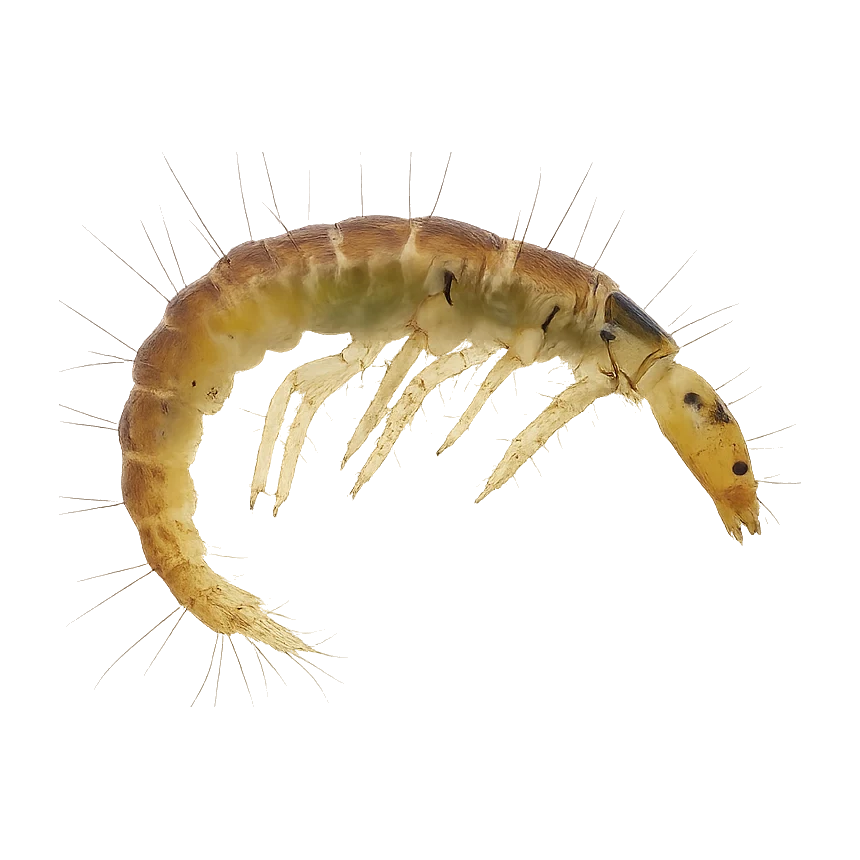
 Gammarids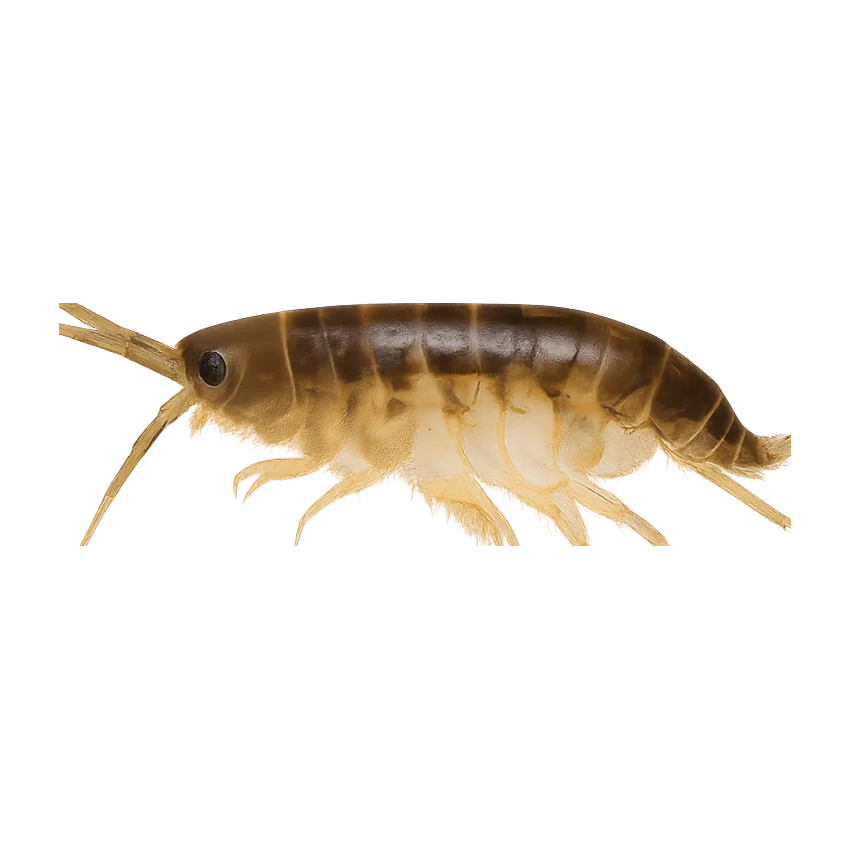



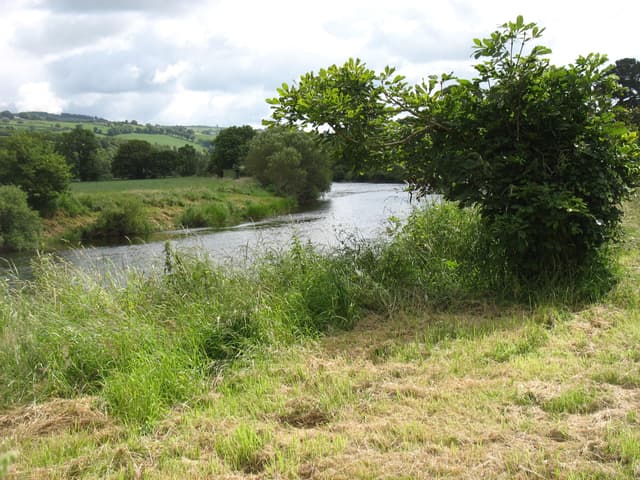
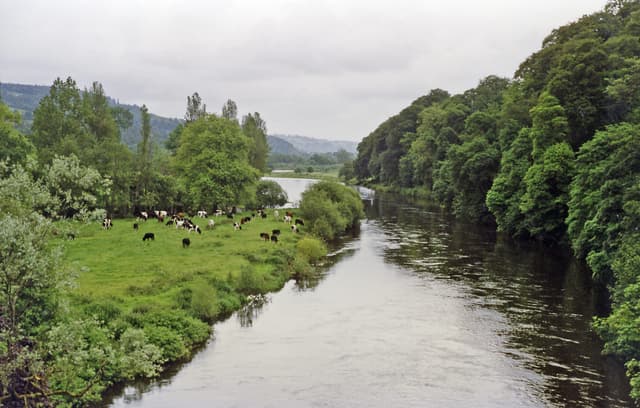
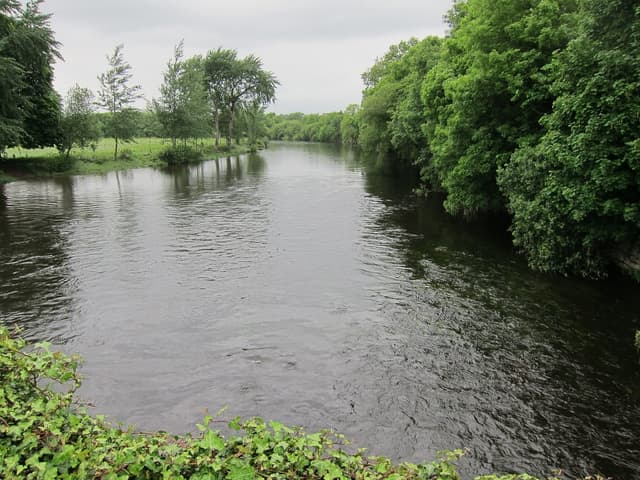
One of the finest salmon rivers in the country — a large, mature Old Red Sandstone system running a hundred and sixty kilometres through Cork and Waterford, with the managed beats around Lismore offering as civilised a stretch of salmon water as exists anywhere in Ireland. Four distinct runs make up the year: spring fish from February, though late March is the more honest start, since February itself is often slow; a second run of fresh fish in May; grilse building from early May to a peak in late June or early July; and worthwhile back-end sport through August into September. The river's great virtue is its patience with low water — the lower reaches are tidal for a considerable distance, and the deep, slow pools there hold salmon even when the flow is minimal, where a smaller spate river would simply empty. A fresh rise helps, but the Blackwater has never needed a flood to fish. The Lismore fishery publishes its day-rod prices plainly: around €30 in February, €40 in March, €50 in April, €70–80 in May, €90–120 through June at the height of the grilse run, €80–100 in July, and €60–80 in August. Spring fish take size 4 to 6 tubes — Collie Dog, Willie Gunn, Cascade — worked deep on a full intermediate or sink-tip; lower-river grilse fishing in low water can be excellent on size 10 to 12 doubles, Ally's Shrimp or Stoat's Tail, fished on a floating line across the pool tails. The Old Red Sandstone geology keeps the water moderate in temperature, with a response time to rain of around eight hours. It's also outstanding brown trout water, with prolific mayfly and olive hatches from April to September, and sea trout running from June below Cappoquin. The Lismore fishery's own beat-by-beat guide is unusually thorough and worth reading before you arrive. Several distinct fisheries share the river's hundred-mile course — Careysville, Lismore Castle, Fortwilliam and the Blackwater Salmon Fishery among the named waters, with IFI and club water through the upper river around Mallow, Banteer and Killavullen — and each has its own booking arrangements, season nuances and pricing, worth confirming with the fishery directly before travelling. Catch-and-release is mandatory throughout.
The Munster Blackwater is a 169 km mature river that rises in the Mullaghareirk Mountains at around 230 m and runs eastwards along the structural grain of the Munster Basin, hemmed on both sides by Old Red Sandstone ridges through Mallow, Fermoy and Lismore. The upper reaches are swift and rocky, but the river quickly settles into a long partly-confined pool-riffle and glide sequence on cobble, gravel and sandy flats. At Cappoquin the valley abruptly bends south and cuts through high sandstone ridges to reach the Celtic Sea at Youghal; this is also the tidal limit, and the lower river below Cappoquin is brackish for a considerable distance. Long-term mean discharge is near 89 m³/s, drained from a catchment of roughly 3,320 km² — the hydrograph is slow, broad and resistant to drought.
Wading: Tidal drown out below Cappoquin
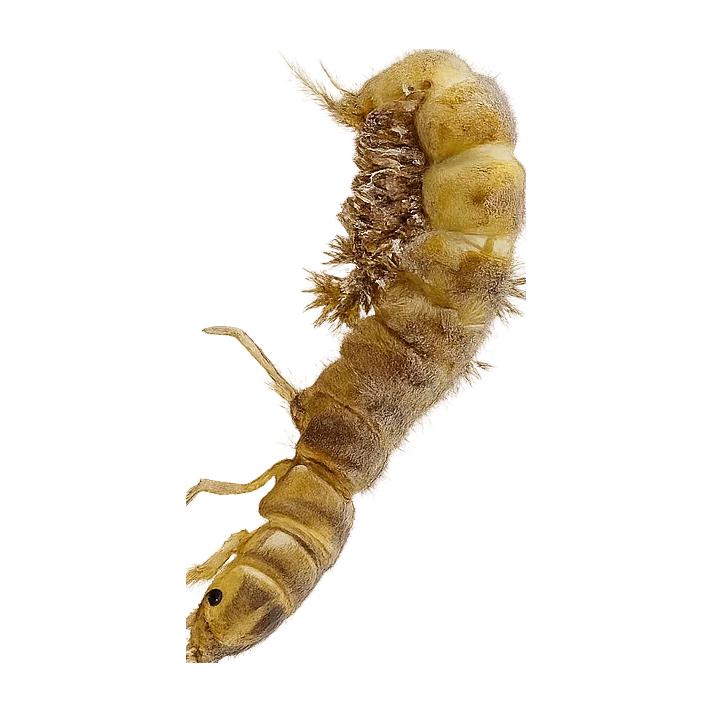
EPA freshwater monitoring across the Munster Blackwater's many WFD segments confirms mayflies, stoneflies, caddis, aquatic diptera and freshwater crustaceans (including white-clawed crayfish) are present throughout the catchment. The records establish food presence rather than adult emergence timing or a dependable rise.
- Old red sandstone
- Partly confined
- Pool riffle
- Glide