
 Mayflies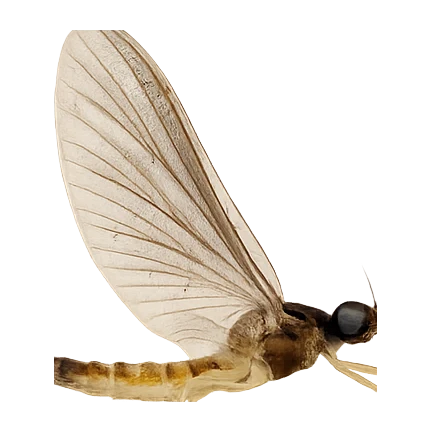
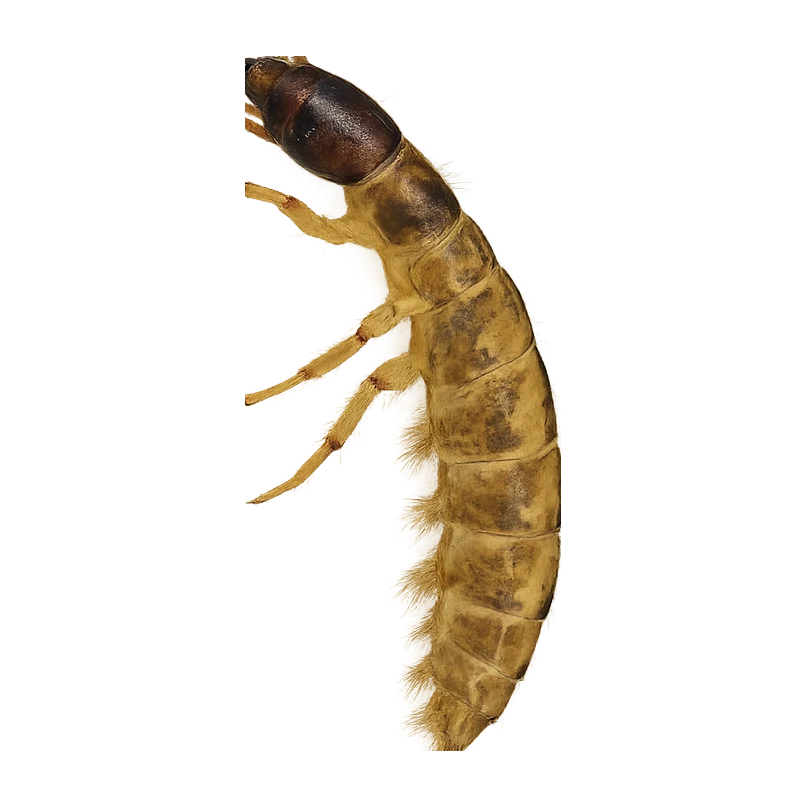
 Stoneflies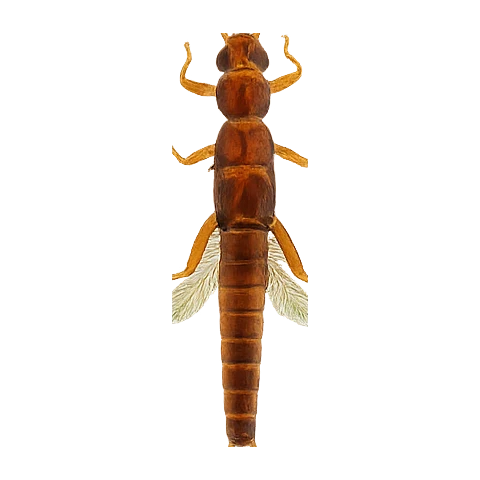
 Caddisflies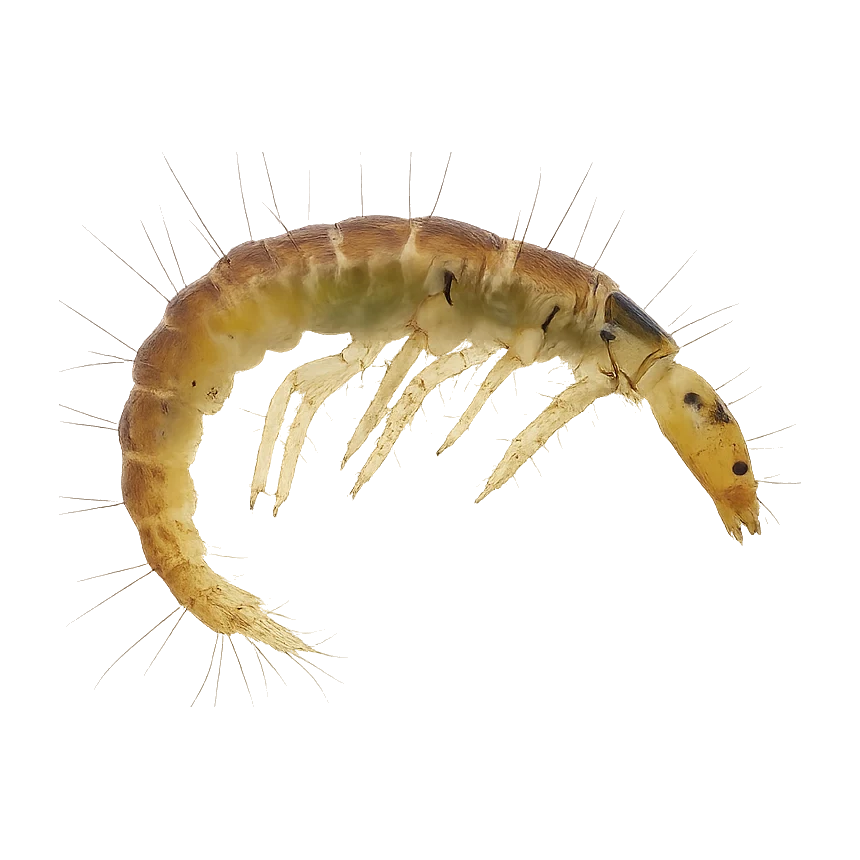
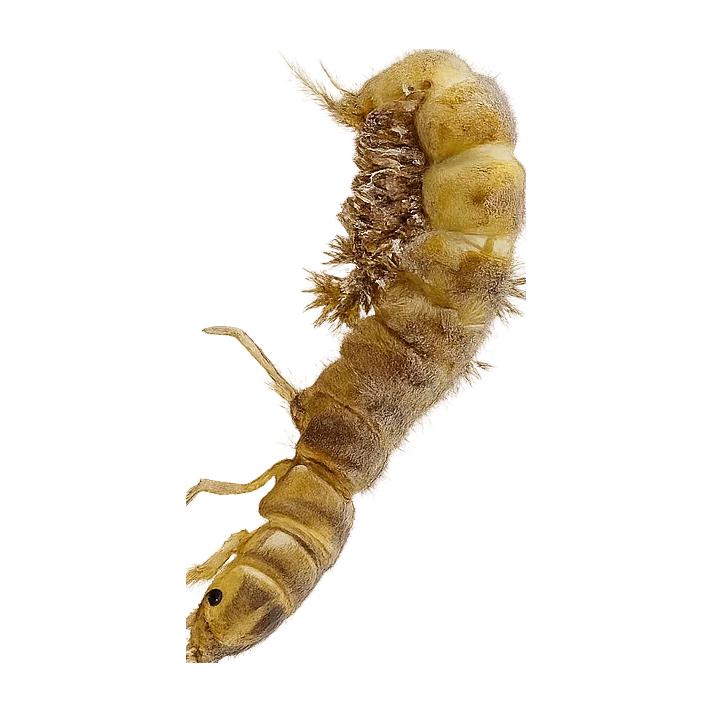
 Gammarids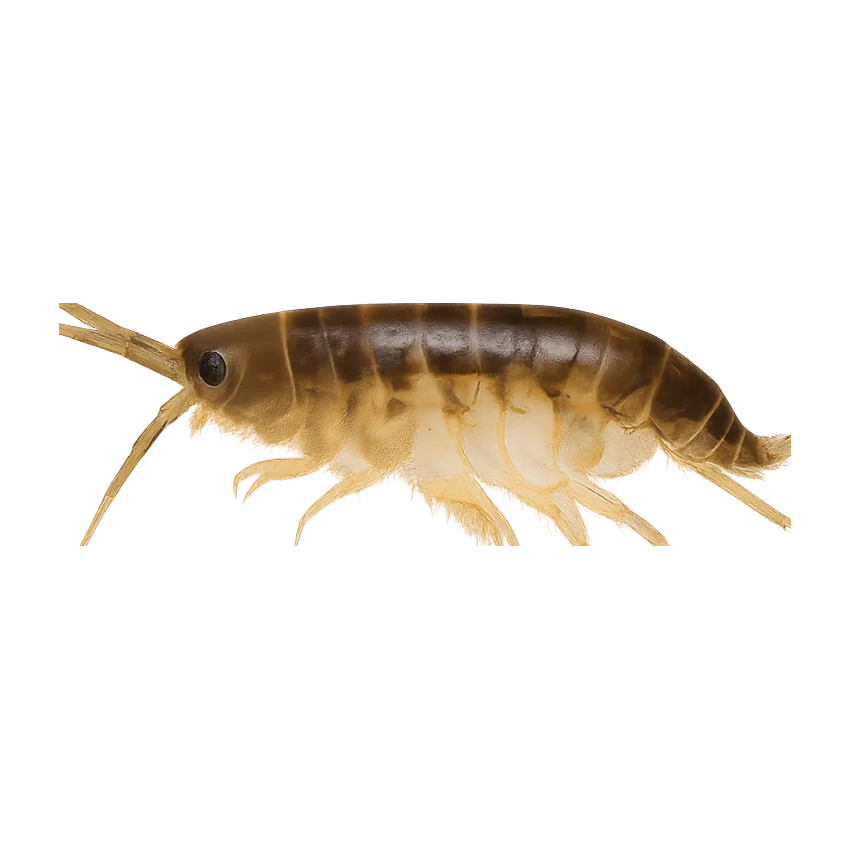

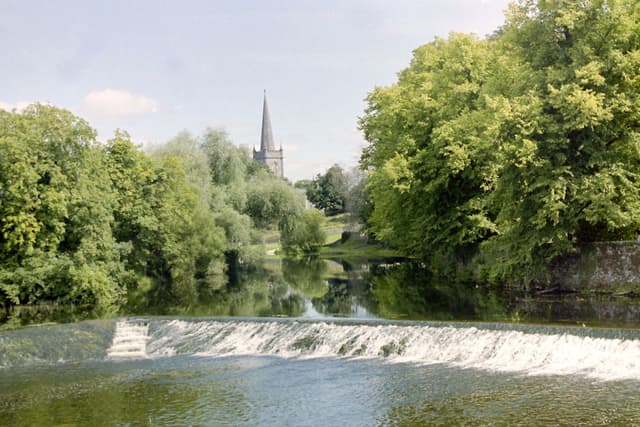
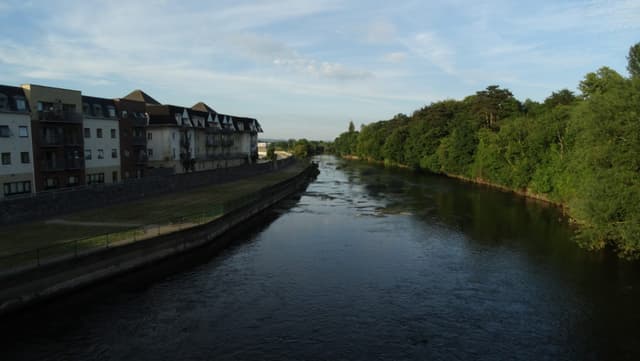
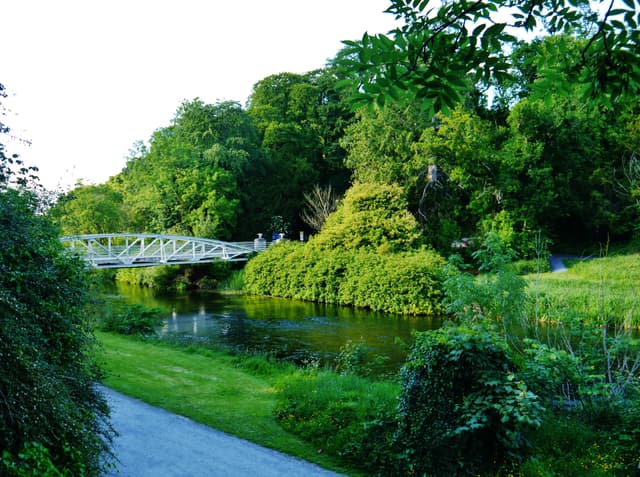
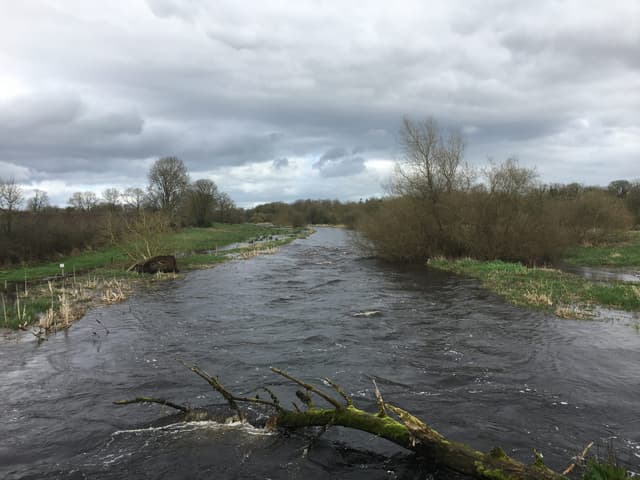
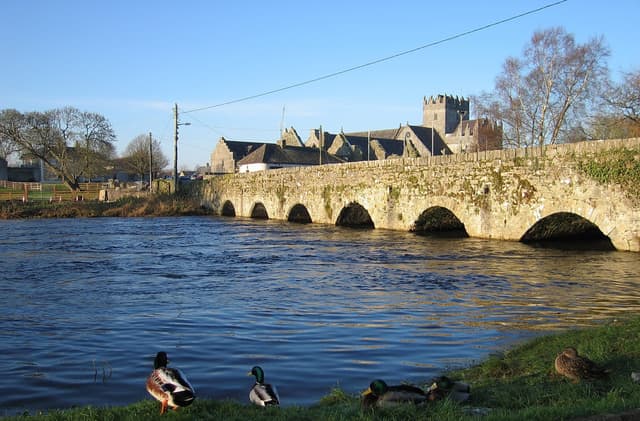
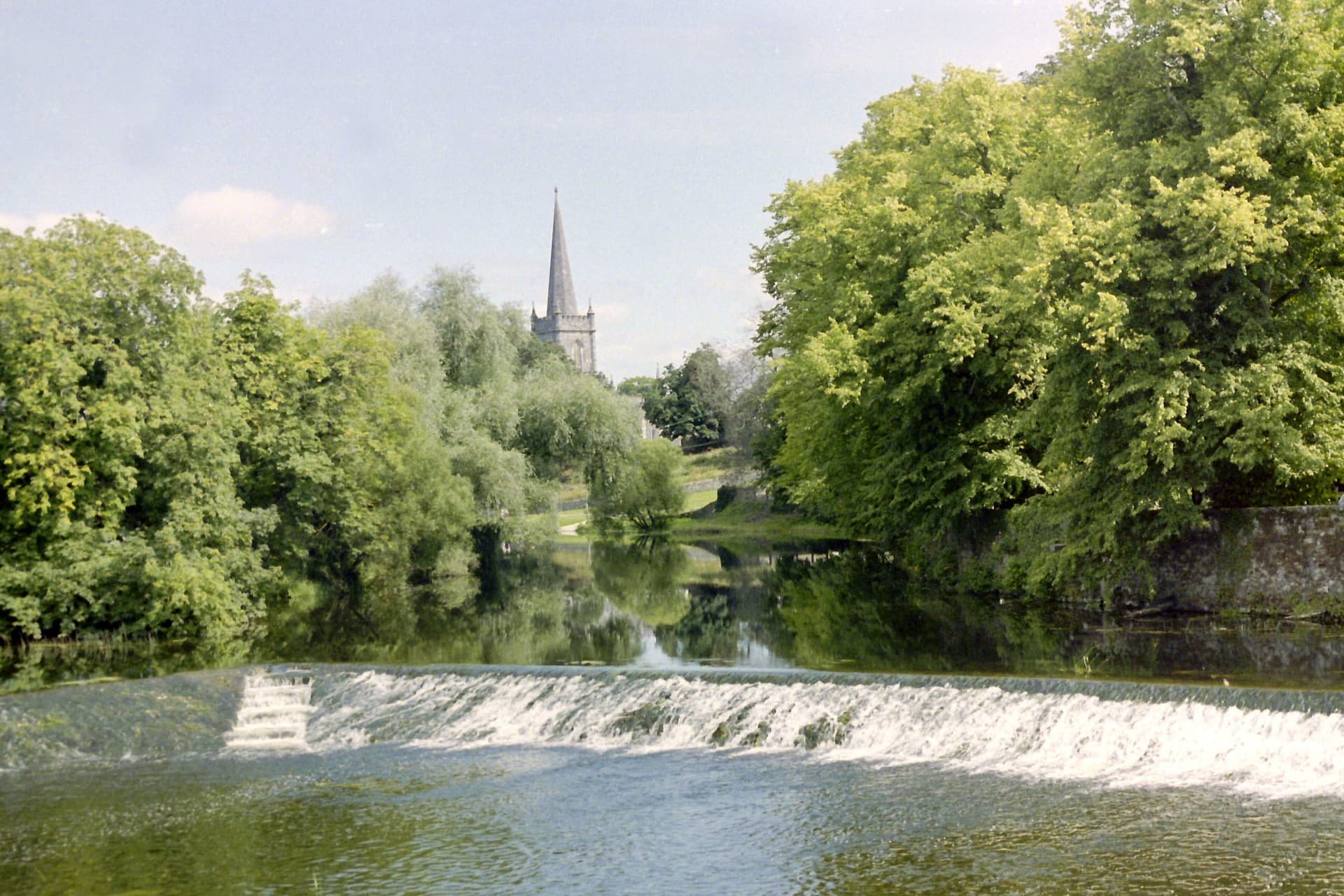
A major southern salmon river through Cahir and Clonmel, though the salmon here need conservation put first — the stock in decline, and every migratory fish going back unharmed as a matter of course. The limestone-enriched water is productive and clear, and it makes for excellent wild brown trout fishing in the upper reaches, with mayfly and olive hatches as reliable as anywhere. Spring and grilse runs still arrive on schedule, and sea trout do well in the estuary and lower river. Fish the pools systematically — sunk-tip in spring, smaller doubles through summer. A river of real trout potential travelling alongside modest, carefully husbanded salmon prospects.
The Suir rises on the Devil's Bit in Tipperary and runs a hundred and eighty-five kilometres south and then east to Waterford Harbour, where it joins the Barrow and the Nore. For most of its length it flows over Carboniferous limestone — turning to Old Red Sandstone toward Waterford — and that lime-rich water makes it one of the great brown-trout rivers of Europe, producing trout in numbers few rivers can match. It is a wide, strong, even-flowing river of clear water, weed-rich glides and defined pools through fertile farmland. The Suir is also a salmon river — it gave up the Irish rod record, a fish of fifty-seven pounds, in 1874 — though, as on so many Atlantic rivers, the stock has declined, the best of it lying downstream of Ardfinnan. The character is classic limestone water. Wading is steady over firm gravel and weed, the clear flow rewarding a careful approach.
Wading: Weed and clear water over firm gravel
EPA river-invertebrate monitoring on the Suir confirms mayflies, stoneflies, caddis, chironomids and other aquatic diptera, and freshwater crustaceans are present across its extensive monitored reaches - food-presence evidence only, with no record of hatch timing or emergence strength.
- Limestone
- Unconfined
- Pool riffle