

Freestone · Acidic Metamorphic · Tennessee, US

Lynn Camp Prong

Lynn Camp Prong terrain map

A Tremont-side restoration success — browns and rainbows were stripped out and the native specks brought back, reopened in 2015.

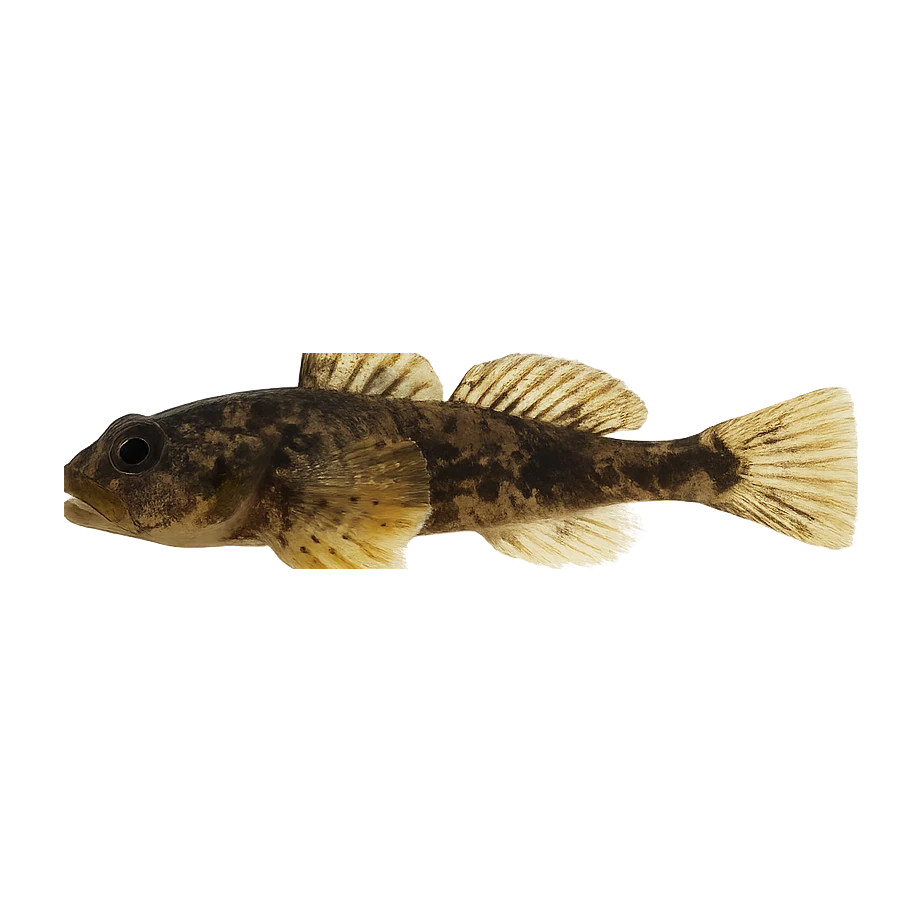
Poor · Brook Trout
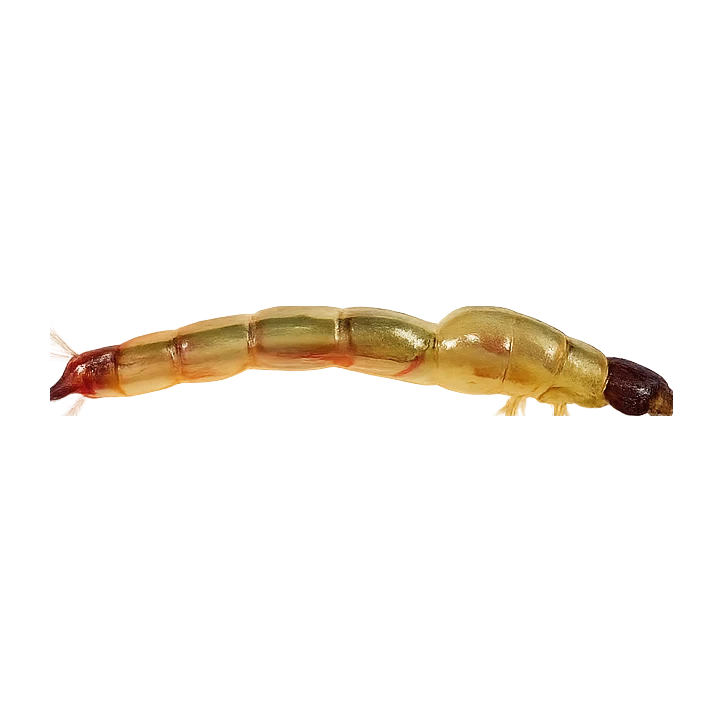
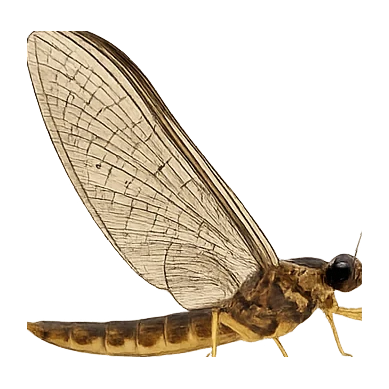
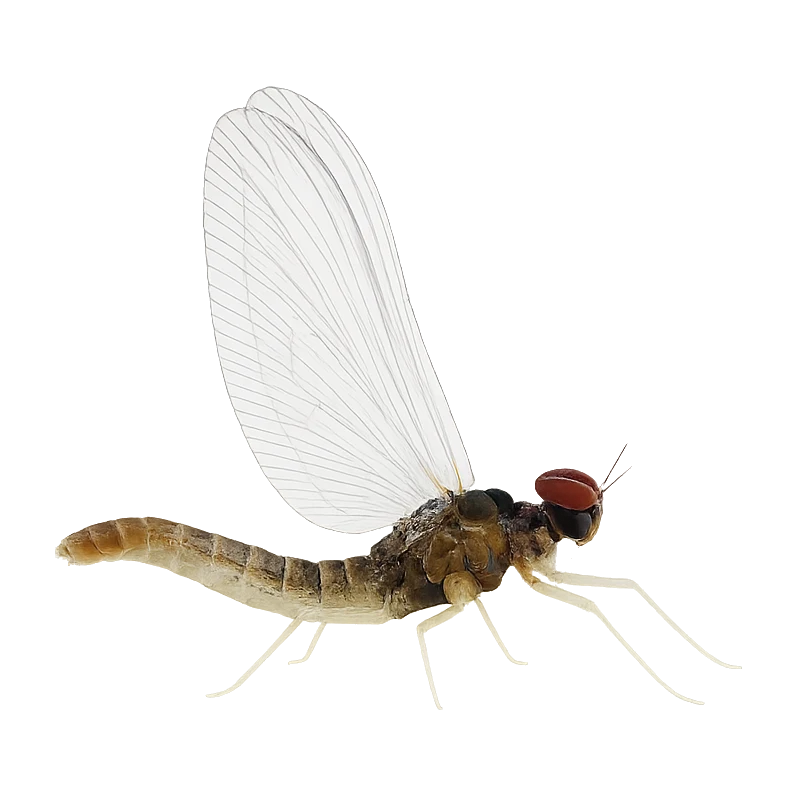
Blue Winged Olive · 16-20
Poorlive now
Not the day for it
Low and clear — careful approach country. A morning for the obvious fish only.
90% confidence
What moved it
  • LevelDry recentlyNo gauge reading
  • Water temp19.4°C
  • ClarityClear
Today's fly
Blue Winged Olive
Blue Winged Olive16-20
High-confidence seasonal pick
Conditions on the water
Estimate
Level
Dry recently
No gauge reading
Water temp19.4°C
ClarityClear
Weather28°C
WindNW 8 km/h
Pressure1022 hPa
Rain · recent0.0 mm
Rain · ahead5.4 mm

No gauge on this water — readings are regional estimates from weather, not a live gauge.

Water temperature for Brook Trout
Warm — slow
19°C est.ideal 1016°C
0°14°28°
How to fish it · for Brook Trout
When
Nymphing can work through most of the day.
Where
Cover mixed depths.
Method
Start with tight-line nymphs and adjust if fish rise or drift higher.
Kit
9 ft #4 rod, floating line, 12 ft tapered leader to 4–5 lb fluoro tippet.
Why this works
Water at 19.4°C. This is the line where catch-and-release kills brook trout. Do not fish for them today.
Likely species
Hatch timeline · todayPeak at 5pm

Hatch predictions

Today's headline hatch shown — see all 5 active hatches hour by hour with Pro.

Start free trial

14-day free trial. Cancel anytime.

Sub-surface · on the nymphunder the surface

Hatch predictions

See the full sub-surface read with Pro.

Start free trial

14-day free trial. Cancel anytime.

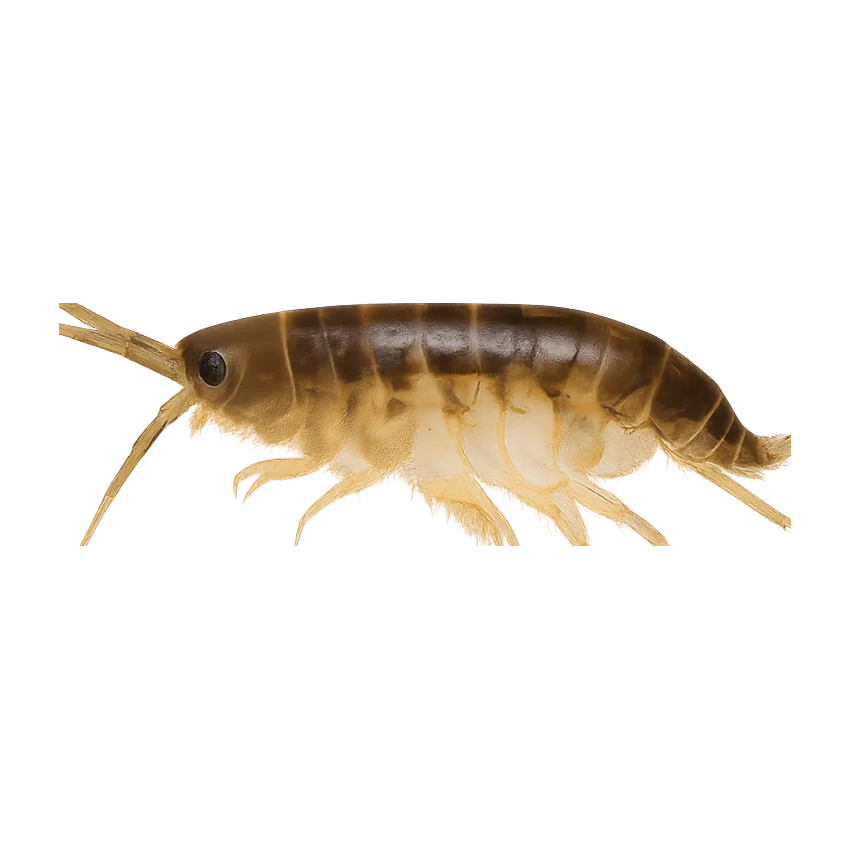
Beyond the hatch · worth watchingambient prey(1)

Hatch predictions

Top prey shown — see all 2 with Pro.

Start free trial

14-day free trial. Cancel anytime.

Evidence
Records-basedModerate confidence

Based on species-occurrence records, not local invertebrate surveys.

Through the year
0–3 scale · September highlighted
J
F
M
A
M
J
J
A
S
O
N
D
Sculpin (North America)Hatch
2
3
2
Brown DunHatch
2
3
3
3
3
3
3
2
Early Black StoneflyHatch
2
3
2
Eastern Golden StoneHatch
2
2

Numbers are intensity 0 (none) to 3 (peak) — a guide, not a guarantee.

Ranked for today
Brook Trout fly box
What's coming
Plan ahead
5-day outlook
Cooler water nearby · 1
Probably above the Brook Trout safety line — these are likely cooler, but carry a thermometer.
About this water

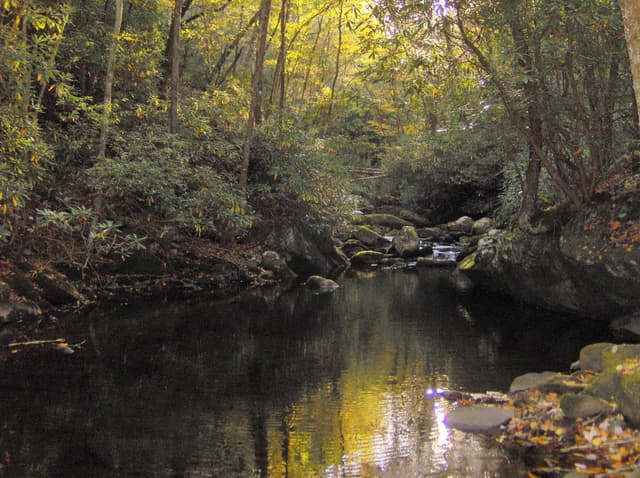
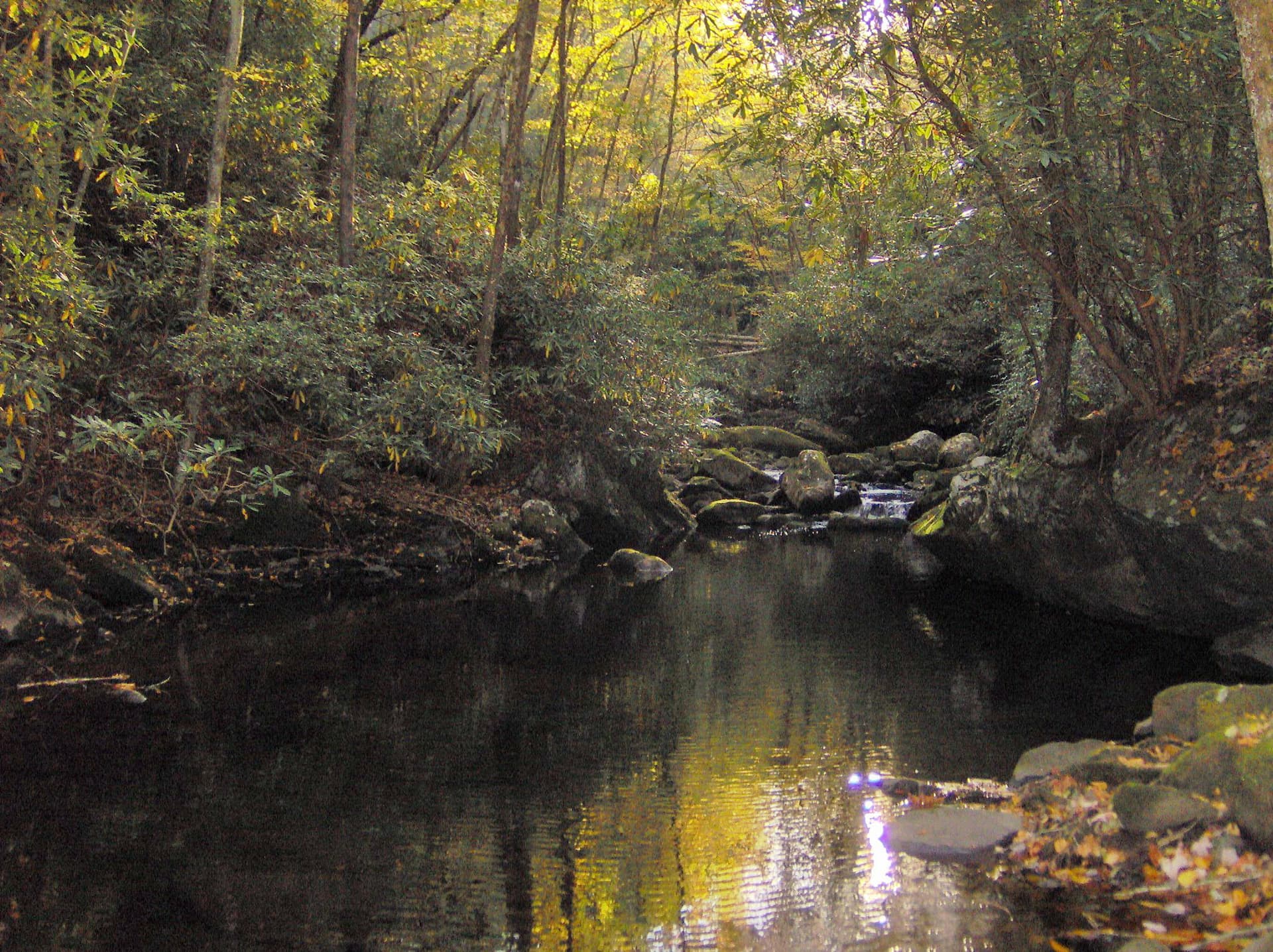
A Tremont-side restoration success — browns and rainbows were stripped out and the native specks brought back, reopened in 2015. It's a classic rhododendron-tunnel plunge-pool ladder: six feet wide in places, the canopy closed overhead, every cast a bow-and-arrow flick under a laurel branch. Fish high and stealthy, attractor dry or dry-dropper, and in summer let them rest — this is conservation water first and a fishery second.

  • Acidic metamorphic
Conservation note

Primary species is native Southern Appalachian Brook Trout (Salvelinus fontinalis, southern lineage / SABT). brook_trout now scores as a char comfort-overlay (char welfare ceiling ~20°C — earliest of the salmonids) once `npm run seed:species` is applied; handled conservation-first. Reopened to fishing in 2015 after a ~7-year non-native removal restoration.

Water quality · US Clean Water Act
  • Aquatic lifeSupporting
What this classification means

EPA ATTAINS assessment unit 'Lynn Camp Prong ' (TN06010201032_0610), 2024 Integrated Report. Aquatic Life use: Fully Supporting. This is a Clean Water Act assessment-unit classification (the US analogue of WFD), not a live reading.

Status is for the Clean Water Act assessment unit covering this reach.

EPA ATTAINS (Clean Water Act) · TN06010201032_0610

The full read · show the working · for Brook Trout · confidence 90%
How the 6 is built — score × weight = contribution
Temperature3 × 28%0.8
Flow60 × 22%13.2
Clarity95 × 18%17.1
Feeding Time70 × 13%9.1
Pressure75 × 7%5.3
Insect activity62 × 12%7.4
Limiting factor: Water temperature (19.4°C) is outside Brook Trout's preferred range (10–16°C)= 53
Can you trust it?
Water temperatureair-to-water estimateestimated
Level / flowon-river gaugeobserved
Prey activitymodelled from regional profilemodelled
What would change the calculation
Cooler water — back toward the 10–16 °C ideal band — would lift the score and ease welfare.
Related guides
Booking & contacts