
 Mayflies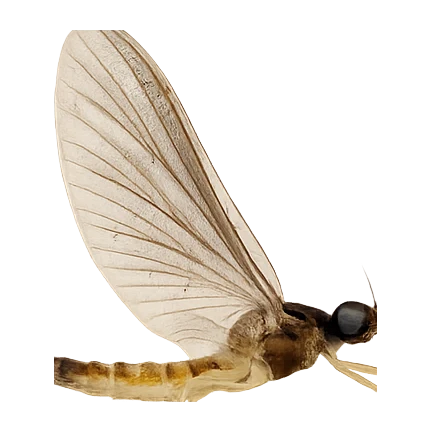
 Stoneflies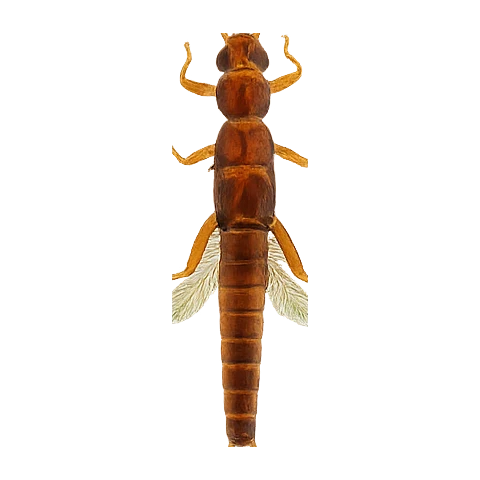
 Caddisflies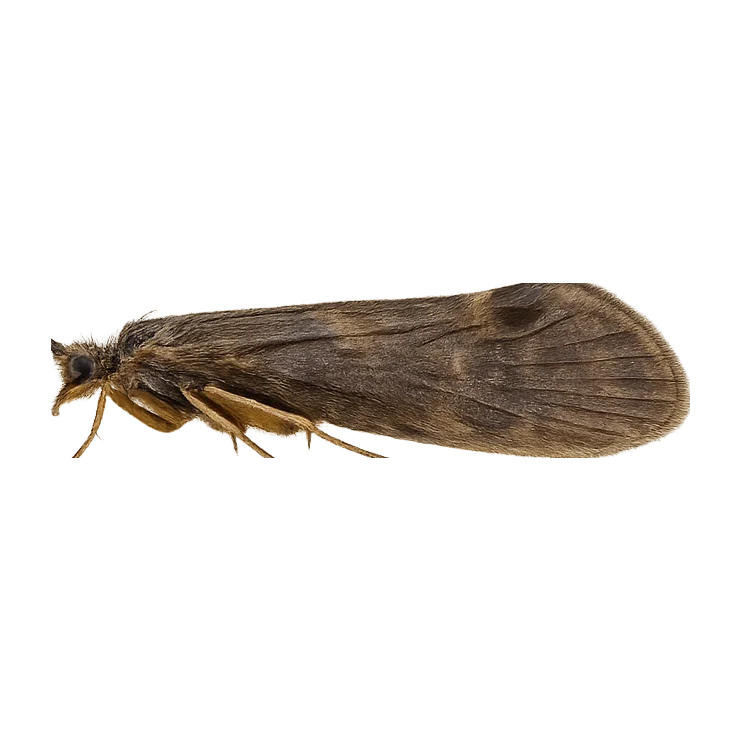
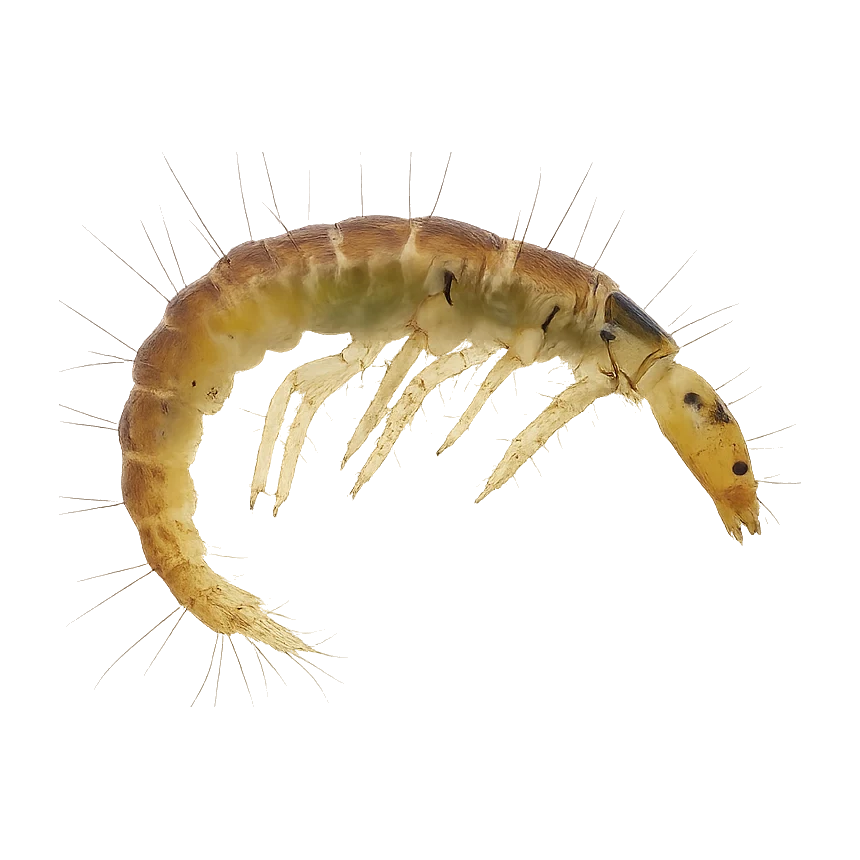
 Damselflies & dragonflies
 Gammarids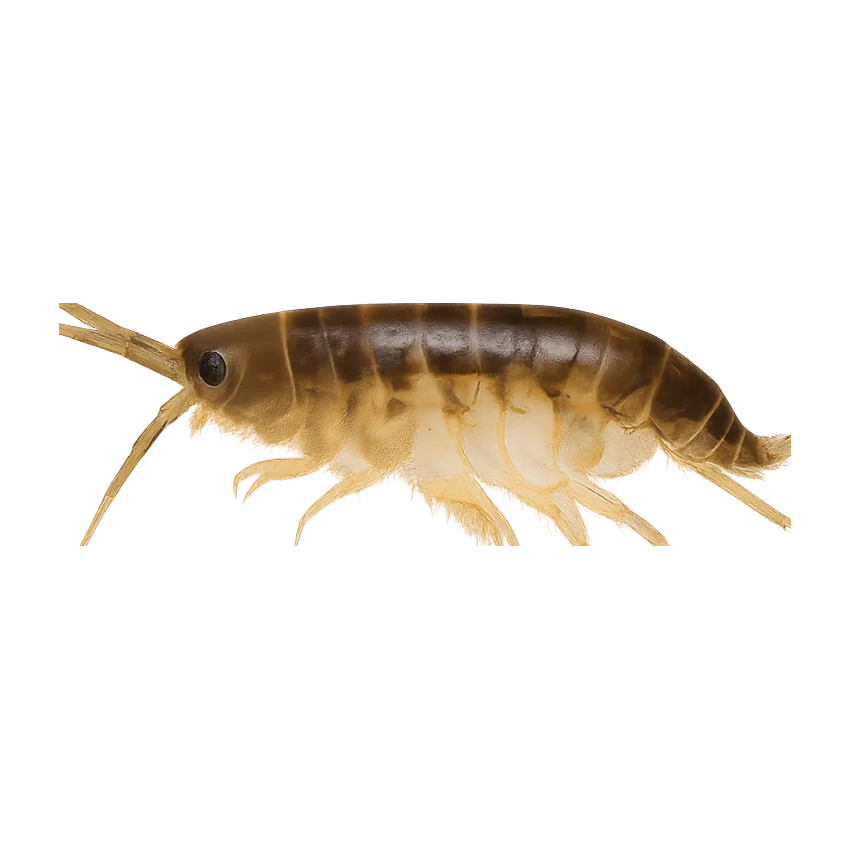
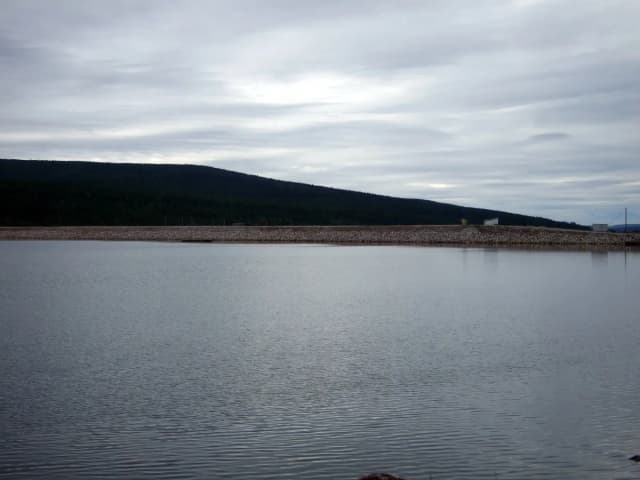
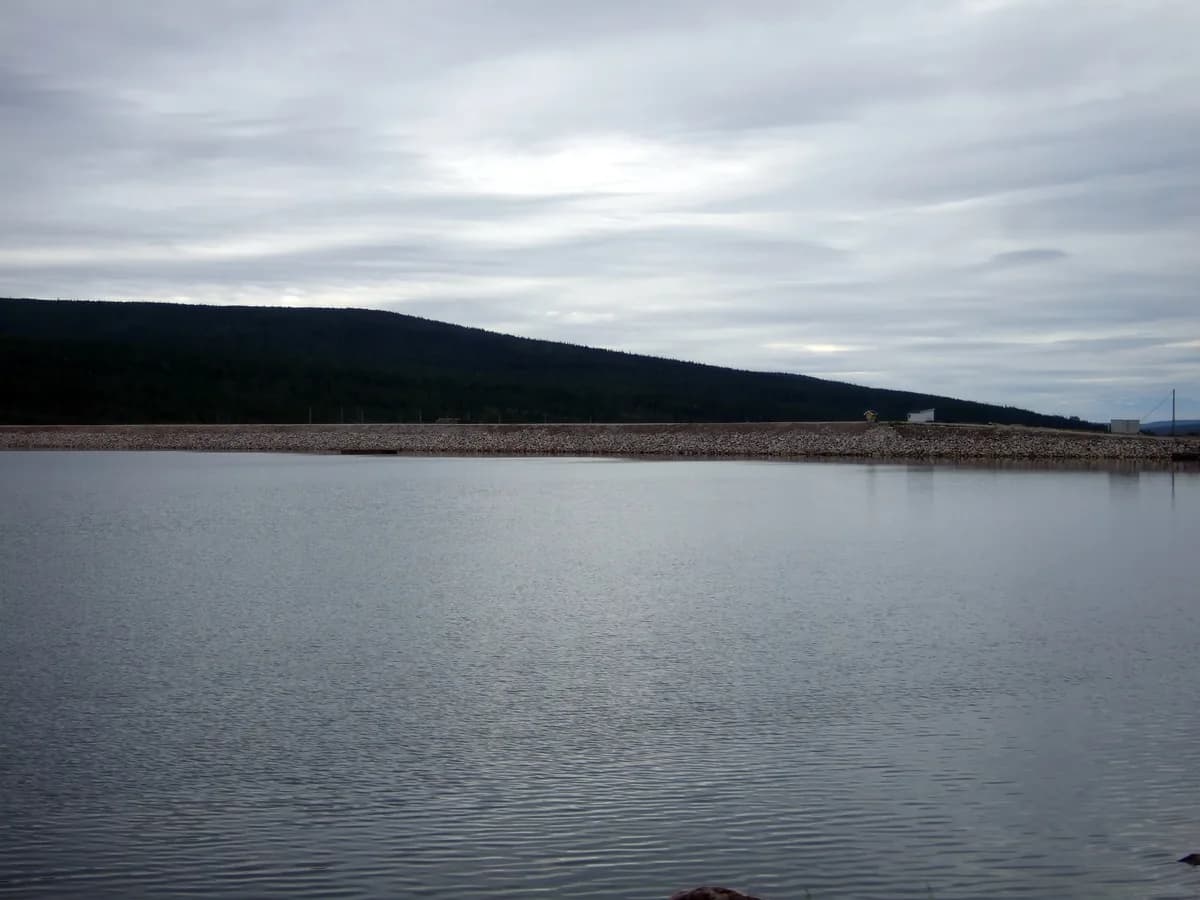
Sweden's largest river by volume, Luleälven is heavily regulated for hydropower but retains Atlantic salmon in lower reaches below Boden. Also supports sea trout. Important migratory corridor with multiple dams creating distinct ecological zones. Granite-based upland geology shapes this river. Atlantic salmon are managed under national rules (Havs- och vattenmyndigheten) — quotas, size limits and catch-and-release apply and differ between Baltic and west-coast rivers; check current rules before fishing.
The Lulealven is born in the high wilderness of the Scandinavian Mountains near the Norwegian border, two forks — the Greater and Lesser Lule — that come down off the fells and merge at Vuollerim before the river runs east through Lapland forest to the Gulf of Bothnia at Lulea. It is the most heavily worked river in Sweden: a staircase of great hydropower dams, among them Harspranget and Porjus, makes it by far the country's most important source of electricity. That development came at a cost — the natural salmon run was lost, and the fish present today are sustained by stocking. The character is a large, cold, regulated northern river over hard granite shield rock, its flow governed by the turbines rather than the weather. Wading is bold-water work where the regulated reaches allow it, with real care for the unnatural, sometimes rapidly changing levels below the power stations.
Wading: Rapidly changing regulated levels below dams
Summer-autumn runs, variable seasonal patterns by region
- Granite
- Unconfined
- Large river