

Possibly the best big wild brown trout water in the British Isles. Deep, peat-stained, with limited access. Amhuinnsuidhe Castle estate. Boat fishing only.
- Loch
- Gneiss
A southwesterly has held for 11 hours at much the same temperature as the 8°C water. No thermal steer either way, but the drift still stacks food against the north-eastern end — the bank it is blowing into — so start there. This reads the upper water, though — a bottom bait at range feels it far less than a floater or a fish in the margins. Treat it as a tiebreaker between good swims rather than an override — features and angling pressure usually count for more.
With limited drift, anchor or fish static from sheltered positions. Work a bushy searching pattern on the bob and drop a contrasting nymph on the point.
If the main plan is not working, switch to a smaller, more imitative pattern fished slower and deeper. A change of drift angle can also make a difference.
Keep an eye on changing conditions — wind shifts and cloud breaks can trigger short feeding spells.
Strong wind makes boat fishing difficult — sheltered bank spots near lee shores will fish best.
Hatch predictions
Top nymph shown — see all 2 guilds as a supporter.
Start free trial14-day free trial. Cancel anytime.
Hatch predictions
Top prey shown — see all 4 as a supporter.
Start free trial14-day free trial. Cancel anytime.
Numbers are intensity 0 (none) to 3 (peak) — a guide, not a guarantee.
Fly recommendations
Point fly shown — supporters see the whole team, sizes and why.
Start free trial14-day free trial. Cancel anytime.
More traditional, darker-fly and rough-water biased. Bushy wets, bob flies, dark patterns and strong covering-water flies matter most.
A reasonable day here, though wind isn't quite in the sweet spot.
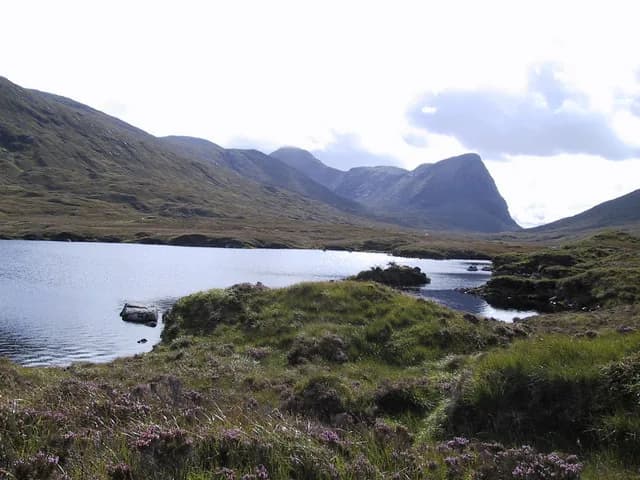
Possibly the best big wild brown trout water in the British Isles. Deep, peat-stained, with limited access. Amhuinnsuidhe Castle estate. Boat fishing only.

Remote Harris loch renowned for enormous wild brown trout — fish of 5-10lb are taken each season.
A southwesterly has held for 11 hours at much the same temperature as the 8°C water. No thermal steer either way, but the drift still stacks food against the north-eastern end — the bank it is blowing into — so start there. This reads the upper water, though — a bottom bait at range feels it far less than a floater or a fish in the margins. Treat it as a tiebreaker between good swims rather than an override — features and angling pressure usually count for more.
With limited drift, anchor or fish static from sheltered positions. Work a bushy searching pattern on the bob and drop a contrasting nymph on the point.
If the main plan is not working, switch to a smaller, more imitative pattern fished slower and deeper. A change of drift angle can also make a difference.
Keep an eye on changing conditions — wind shifts and cloud breaks can trigger short feeding spells.
Strong wind makes boat fishing difficult — sheltered bank spots near lee shores will fish best.
Hatch predictions
Top nymph shown — see all 2 guilds as a supporter.
Start free trial14-day free trial. Cancel anytime.
Hatch predictions
Top prey shown — see all 4 as a supporter.
Start free trial14-day free trial. Cancel anytime.
Numbers are intensity 0 (none) to 3 (peak) — a guide, not a guarantee.
Fly recommendations
Point fly shown — supporters see the whole team, sizes and why.
Start free trial14-day free trial. Cancel anytime.
More traditional, darker-fly and rough-water biased. Bushy wets, bob flies, dark patterns and strong covering-water flies matter most.
A reasonable day here, though wind isn't quite in the sweet spot.
Possibly the best big wild brown trout water in the British Isles. Deep, peat-stained, with limited access. Amhuinnsuidhe Castle estate. Boat fishing only.
Loch Voshimid is a loch in Harris / Outer Hebrides, Scotland. Its recorded elevation is about 55 m above sea level and the catchment geology is gneiss. The species listed for this water is brown trout. The trout season is recorded as running from 1 April to 15 October. Best window recorded for anglers: June to September. Core methods listed: traditional wet fly; dapping; dry fly. Nearby waters in our listings include Harris Hill Lochs at 3.0 km.