

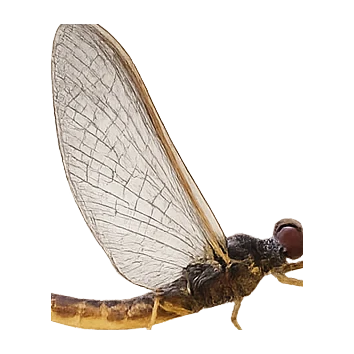
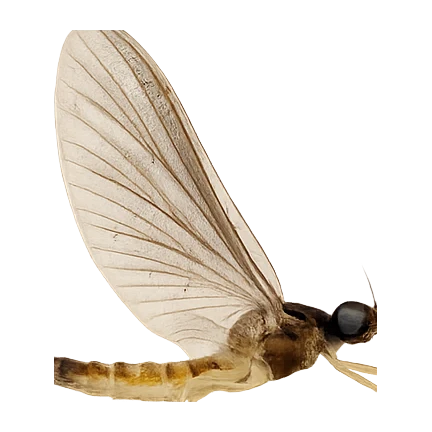
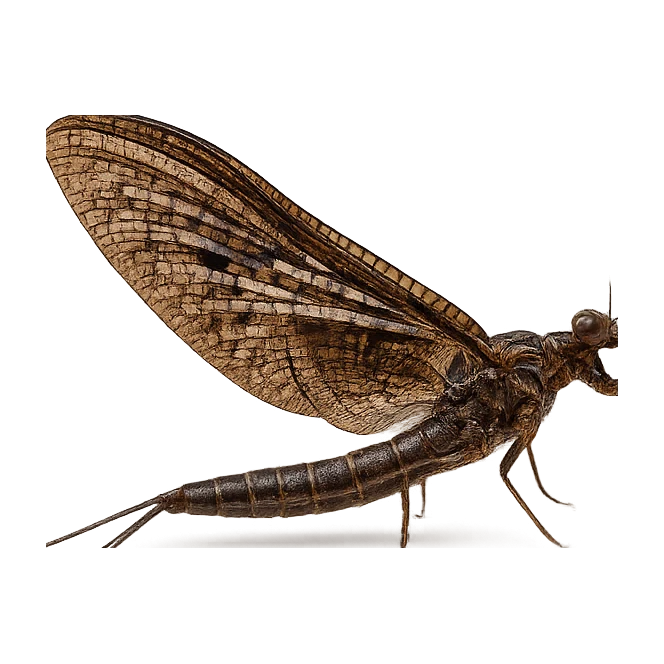
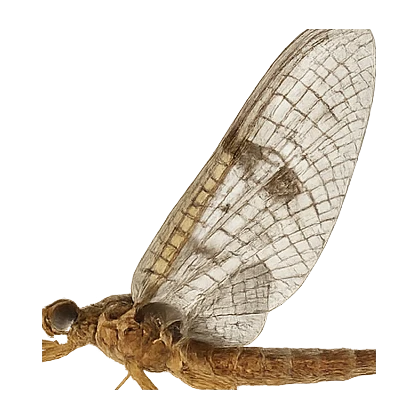
 Mayflies
 Stoneflies
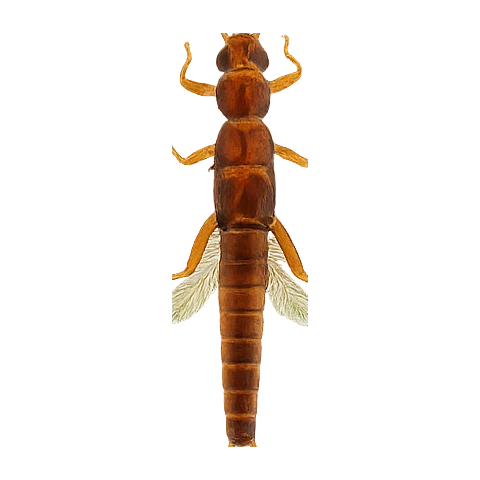
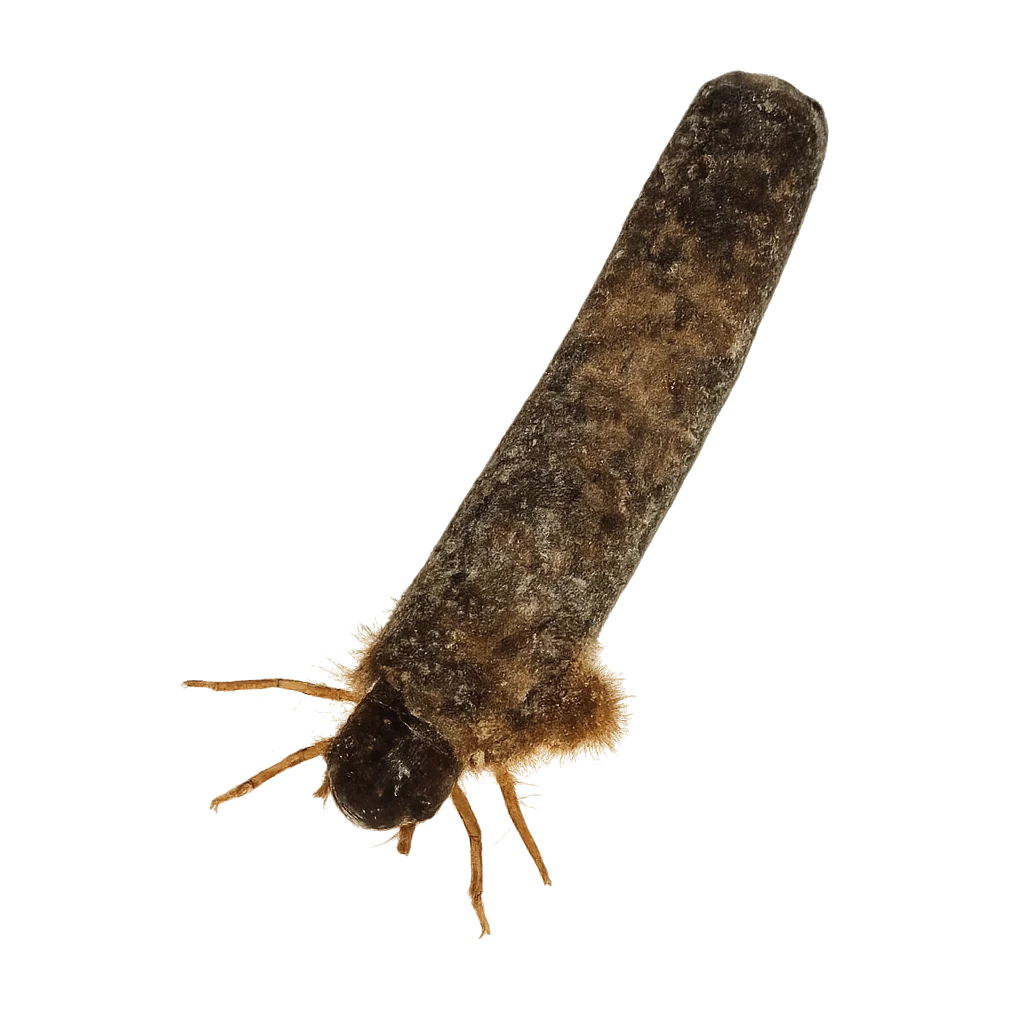
 Caddisflies
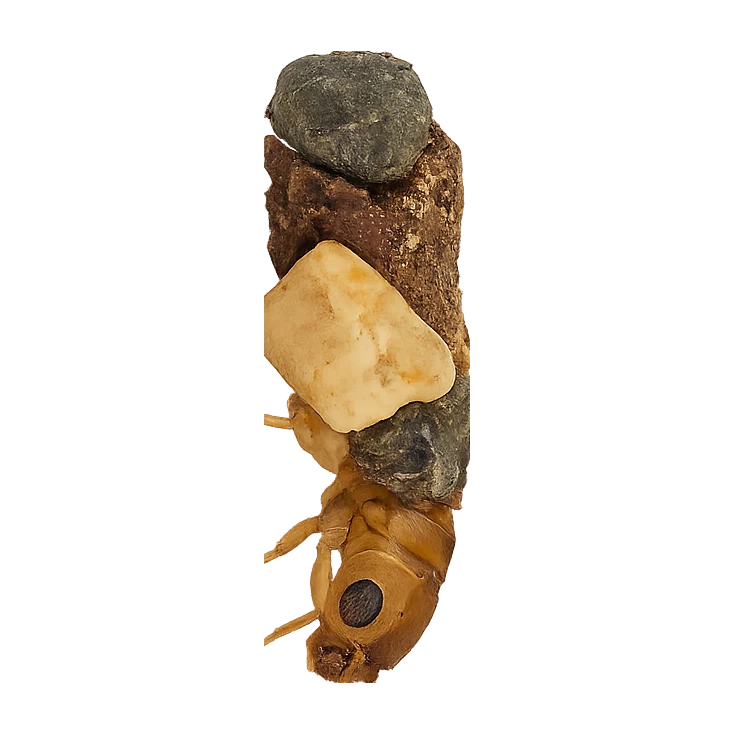
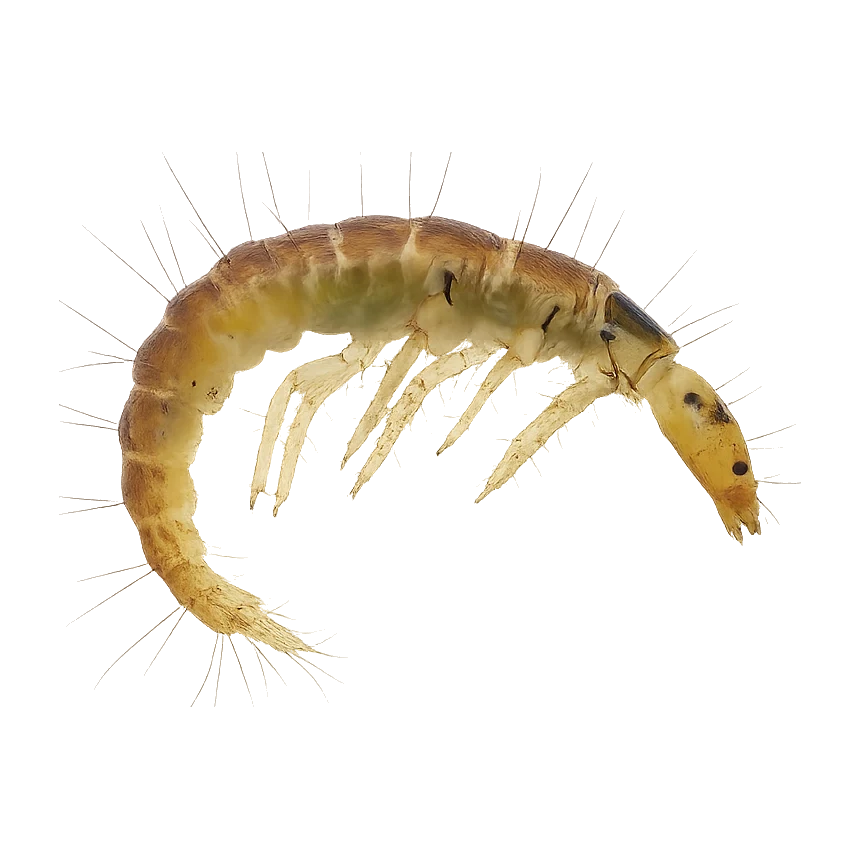
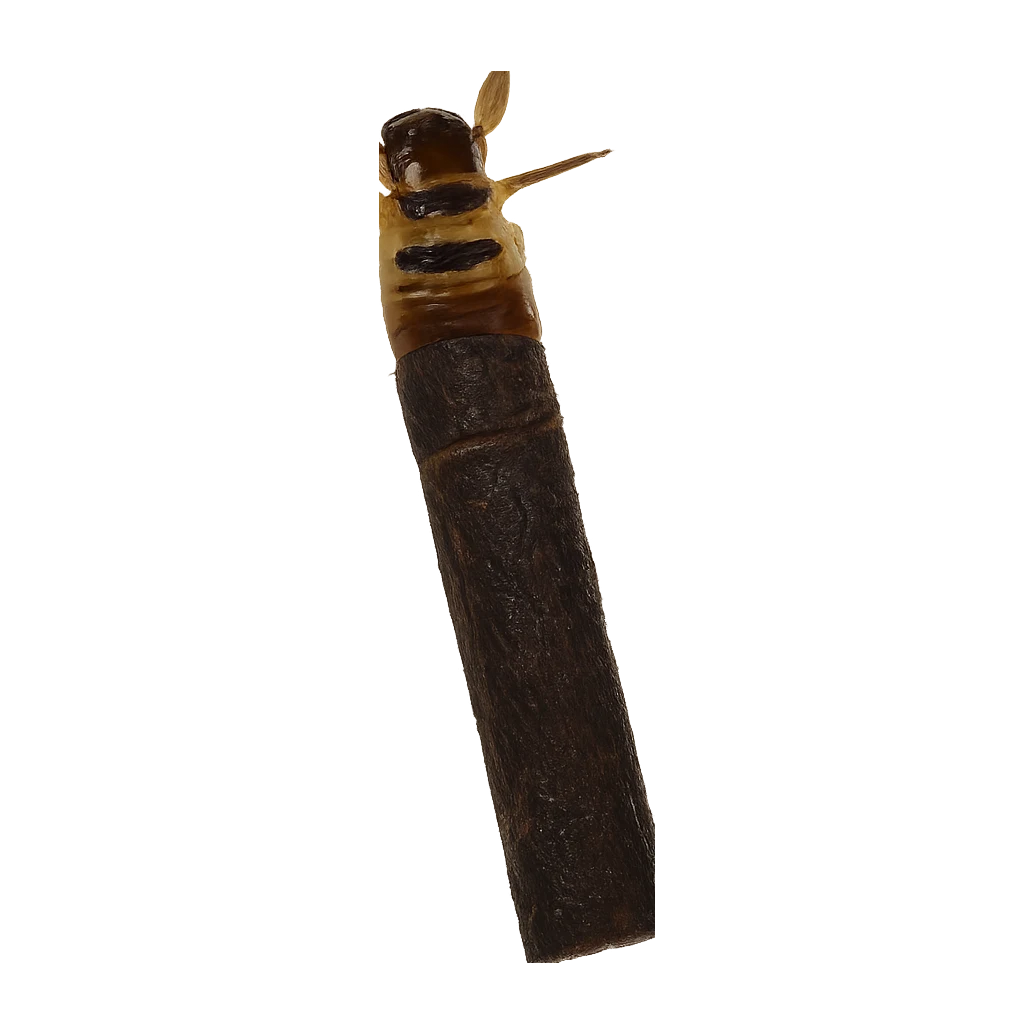
 Aquatic beetles
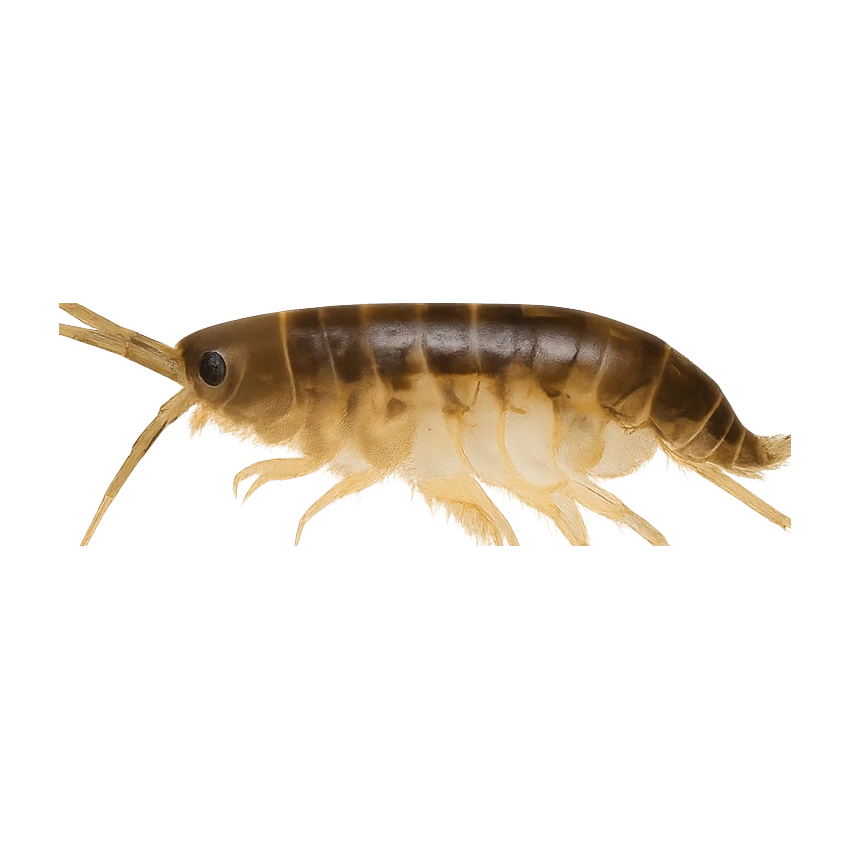
 Gammarids

A coarse fishery (barbel, carp, black bass in places), not trout water. Included for gauge/flow monitoring completeness on the Júcar main stem.
- Alluvial
12pm(now) — Autumn Olive
Peak activity at 12pm — Autumn Olive (Autumn Olive, Peak emergence window)
Hatch predictions
Top nymph shown — see all 4 guilds as a supporter.
Start free trial14-day free trial. Cancel anytime.
Hatch predictions
Top prey shown — see all 2 as a supporter.
Start free trial14-day free trial. Cancel anytime.
Backed by regional invertebrate surveys; no sampling on this exact reach yet.
Numbers are intensity 0 (none) to 3 (peak) — a guide, not a guarantee.
Cooling water through September–November drives barbel into deeper, steadier runs and the slower glides below gravel riffles. Feeding activity remains high as fish build reserves before winter. Larger nymph profiles and crayfish patterns work better in autumn than the small-nymph summer approach. Cover more water — barbel move more actively in autumn, patrolling runs rather than sitting static. After heavy rain the Squirmy Worm and San Juan Worm become the standout options as invertebrates drift in coloured water.
A coarse fishery (barbel, carp, black bass in places), not trout water. Included for gauge/flow monitoring completeness on the Júcar main stem.
The Júcar's lower plain reach as it approaches the Mediterranean below the Tous reservoir — warm, slow, alluvial water running through Valencia's rice-growing lowlands.
12pm(now) — Autumn Olive
Peak activity at 12pm — Autumn Olive (Autumn Olive, Peak emergence window)
Hatch predictions
Top nymph shown — see all 4 guilds as a supporter.
Start free trial14-day free trial. Cancel anytime.
Hatch predictions
Top prey shown — see all 2 as a supporter.
Start free trial14-day free trial. Cancel anytime.
Backed by regional invertebrate surveys; no sampling on this exact reach yet.
Numbers are intensity 0 (none) to 3 (peak) — a guide, not a guarantee.
Cooling water through September–November drives barbel into deeper, steadier runs and the slower glides below gravel riffles. Feeding activity remains high as fish build reserves before winter. Larger nymph profiles and crayfish patterns work better in autumn than the small-nymph summer approach. Cover more water — barbel move more actively in autumn, patrolling runs rather than sitting static. After heavy rain the Squirmy Worm and San Juan Worm become the standout options as invertebrates drift in coloured water.
A coarse fishery (barbel, carp, black bass in places), not trout water. Included for gauge/flow monitoring completeness on the Júcar main stem.
Río Júcar (Tramo Bajo — Valencia) is a lowland river in Valencia, Comunidad Valenciana, Spain. The catchment geology is recorded as alluvial, and the water sits at about 60 m above sea level. The species listed for this water is barbel. Best window recorded for anglers: Spring and autumn. Core methods listed: float fishing; spinning; bait fishing. Level and flow data for this water is linked from 2 gauges. Nearby waters in our listings include Río Magro at 59 km and Río Tuéjar at 83 km.