
 Stoneflies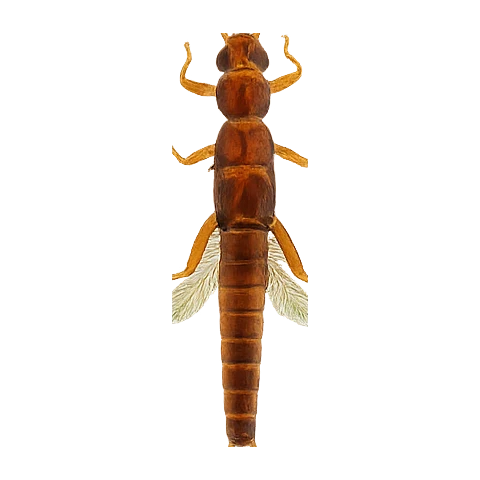
 Caddisflies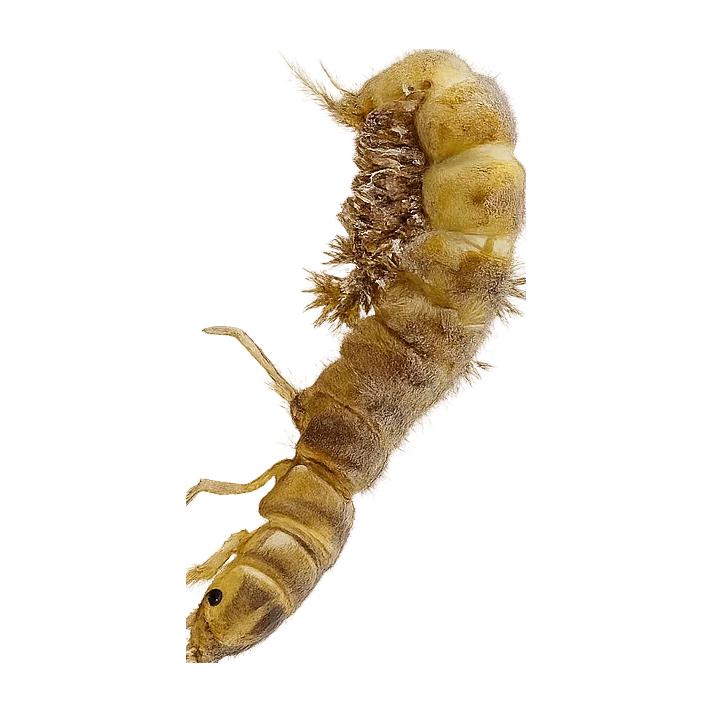
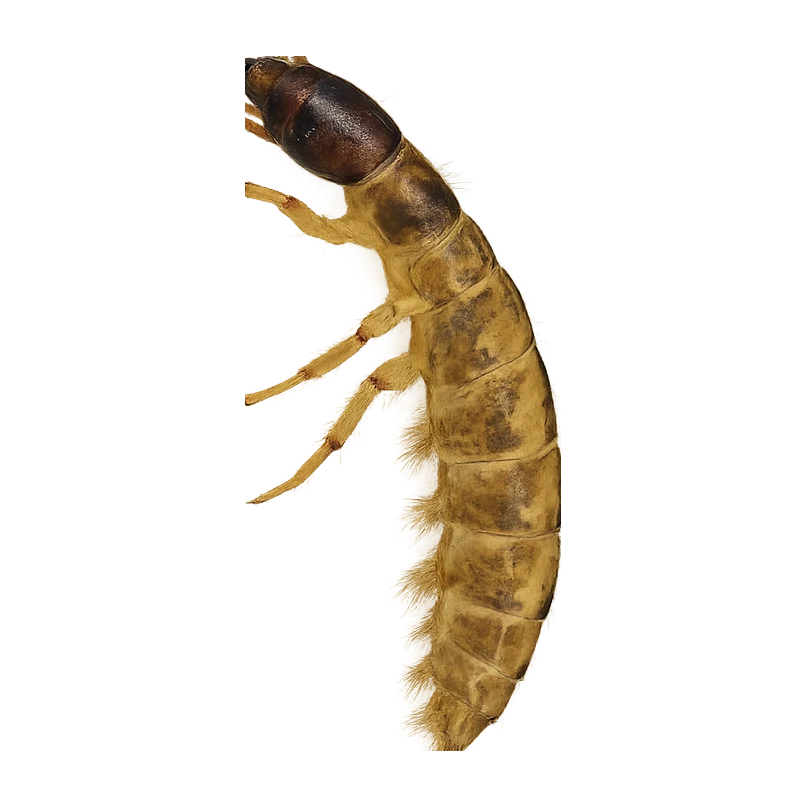
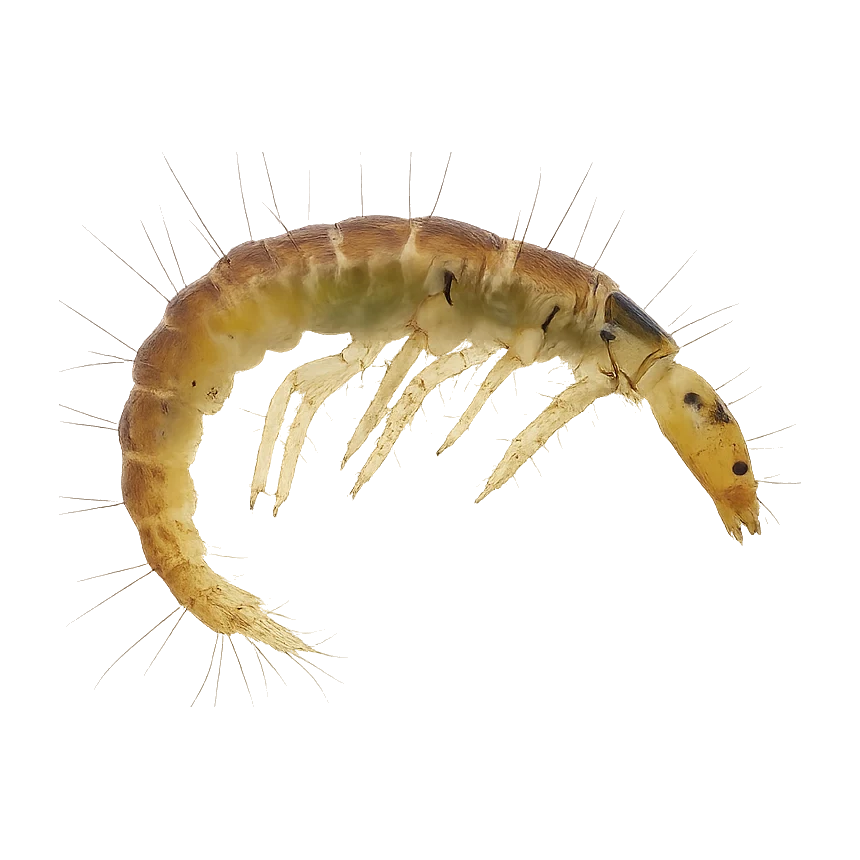
 Gammarids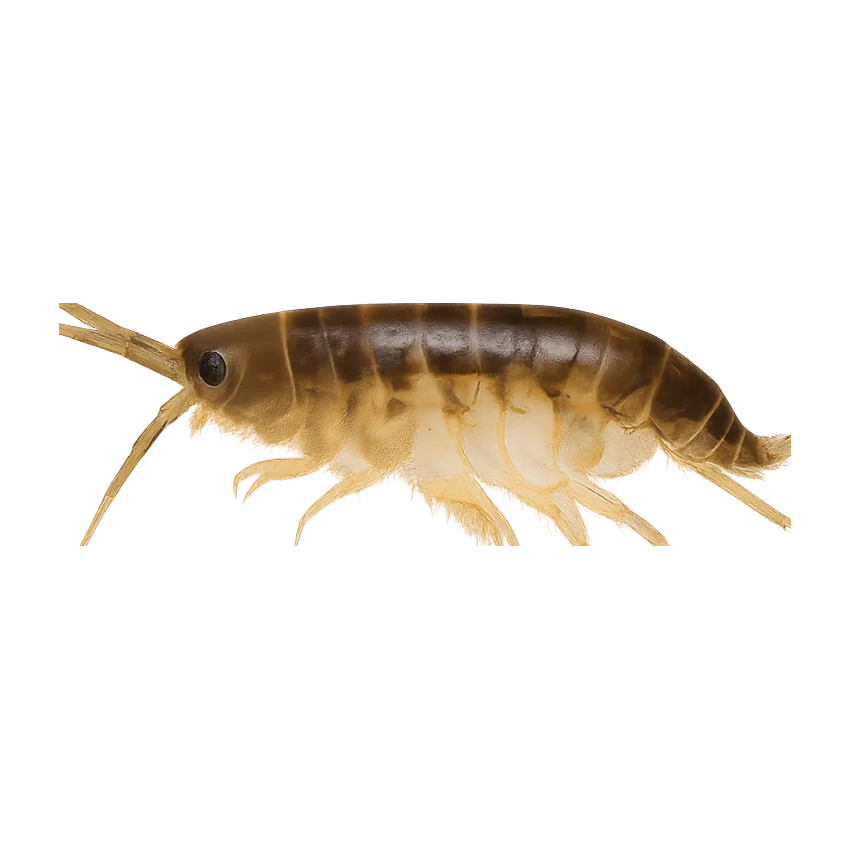
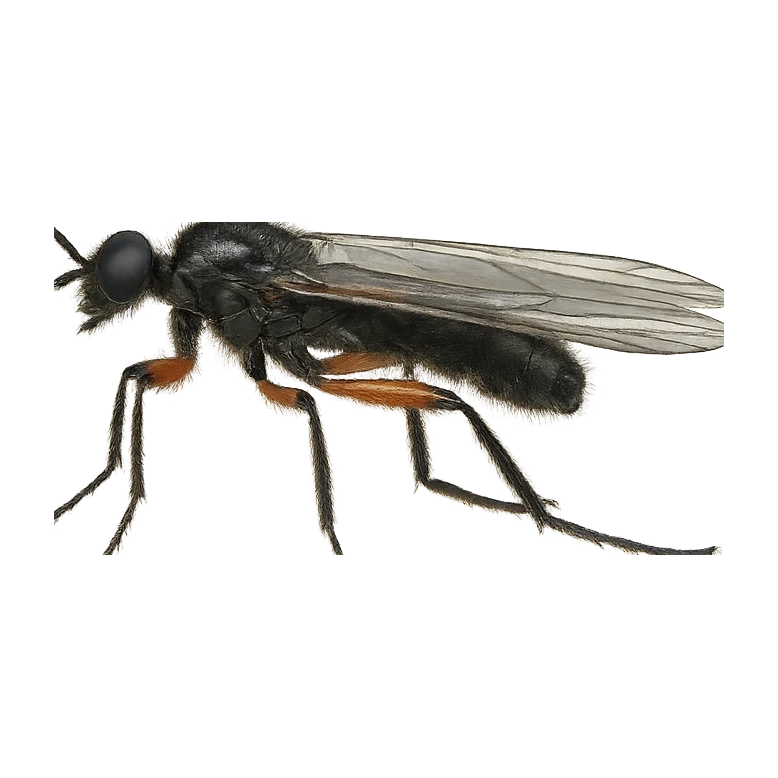
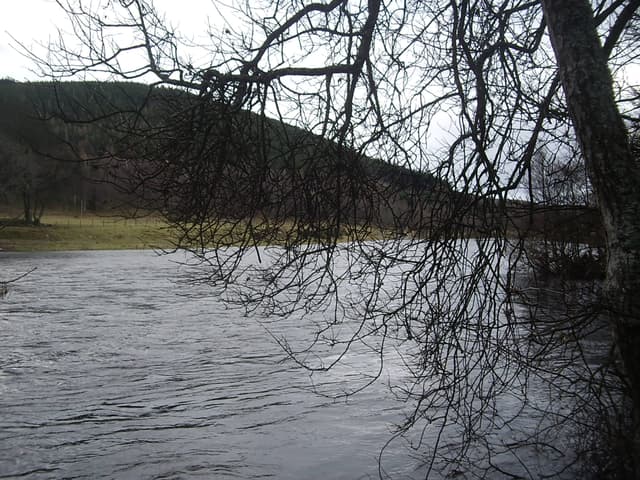
The Dee in June is a grilse river — fresh 4–6 lb fish arrive from the sea into warming water (now 15–16°C, rising toward 18°C by late June) and take aggressively on small flies. This is the opening of the season's working water. Grilse arrive in the main pools and faster runs, not in the deep spring lies; fish them on a floating line with small doubles (#6–8), not the sinking-tip tubes of February–May. The river is granite-clear and cold-stone swift from the Cairngorms — wading demands care on algae-draped slabs, approach deliberate and sight-fishing possible in this light. The Dee Conservation Code is non-negotiable: do not fish above 20°C water, exercise caution above 18°C, mandatory catch-and-release year-round, and recognize that the Dee is Category 3, declining stocks. After June, spring salmon are archived history; summer grilse peak July; autumn brings October heavy fish before the 30 September close. Brown trout in the upper reaches respond to June sedge hatches and small olives. Grayling are dormant June–September. The Dee is fly-only water on most beats, reflecting both its status as a premium fishery and its conservation requirements.
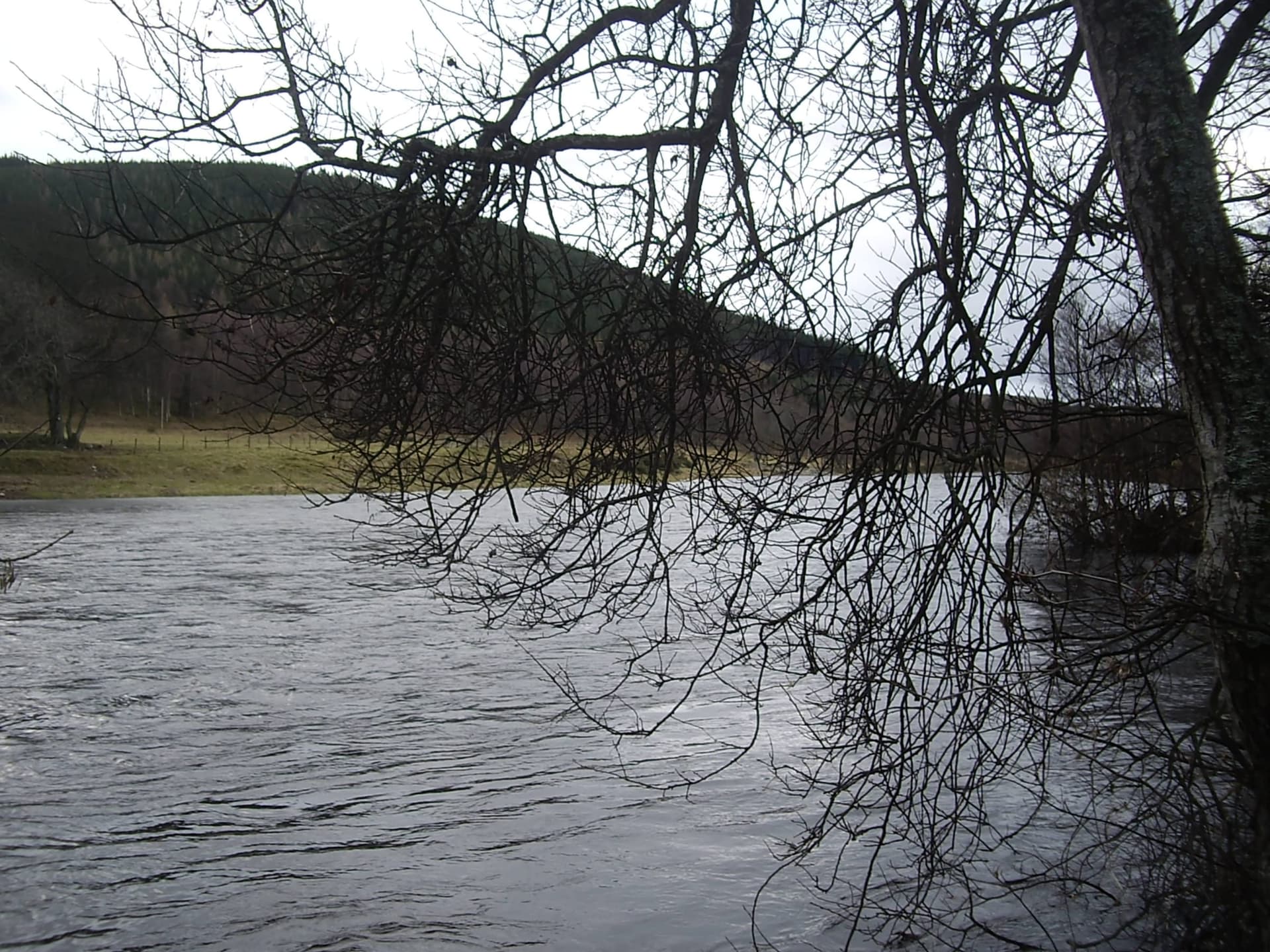
The Dee arrives from the highest moorland in Britain. The Wells of Dee sit at over 1,200 metres on the Braeriach plateau — the highest source of any major river here — and for the entire 140 kilometres down to Aberdeen, you feel that altitude in the water. Everything is granite country: clear water over clean stone, the kind of clarity that comes when a river has run down through the Cairngorms and picked up nothing else. Upper Deeside is confined and steep, cut into the granite in step-pool and gorge. Named features mark the geometry: the Falls, the Chest, the Linn where the whole flow is compressed through a 300-metre rock slot. Wading here is serious work — granite slabs grow algae, the gradient is relentless — and the rock is the wading hazard. But in these gorges you see the Dee as it truly is: transparent enough that every lie, every obstruction, every pale spawning gravel shows itself with absolute clarity. Below Braemar, the river finds room to breathe. Through Royal Deeside the pools open on cobble and coarse gravel — still granite country, but broken down clean, without the silt and compromise that haunts other rivers. The sequences move gently: riffle into pool, pool into the next easy run. By Banchory the river has settled into longer glides, and the sense is of a stream that has found its proper pace, finally content.
Wading: Algal slick granite slabs in upper gorges
- Granite
- Mixed
- Step pool
- Pool riffle