

 Mayflies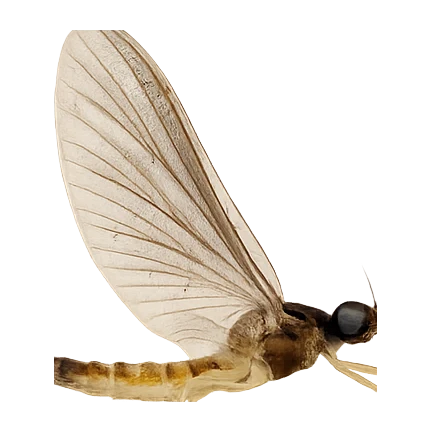
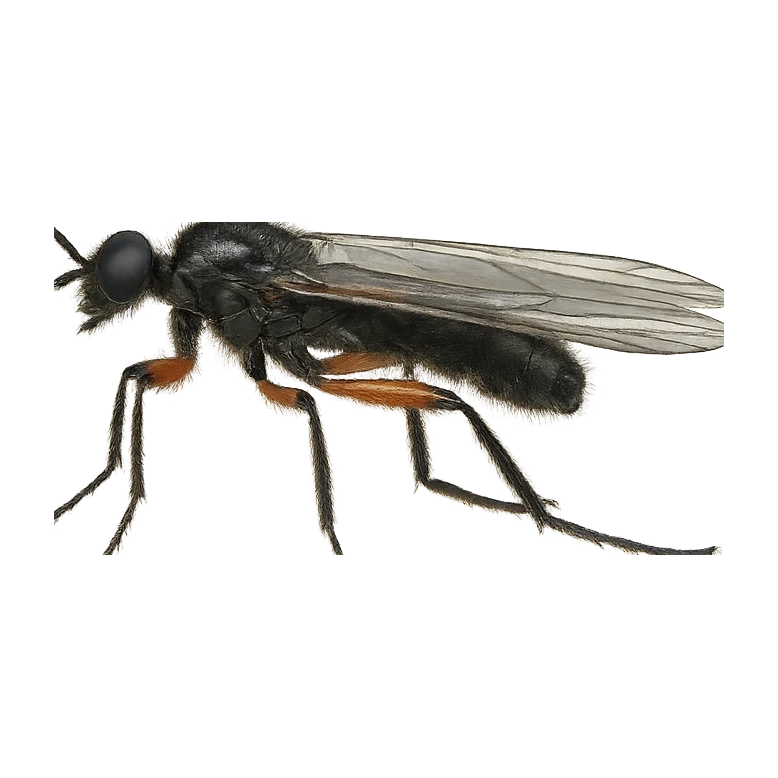
 Stoneflies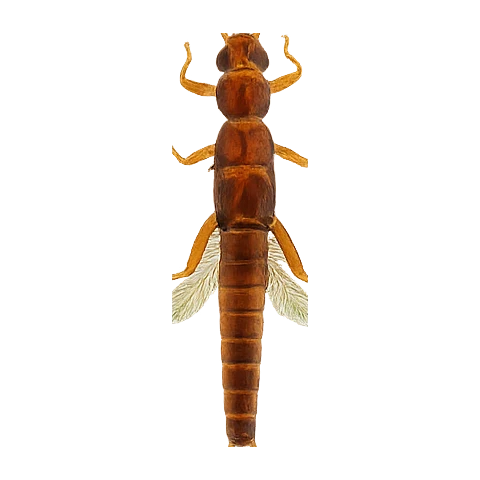
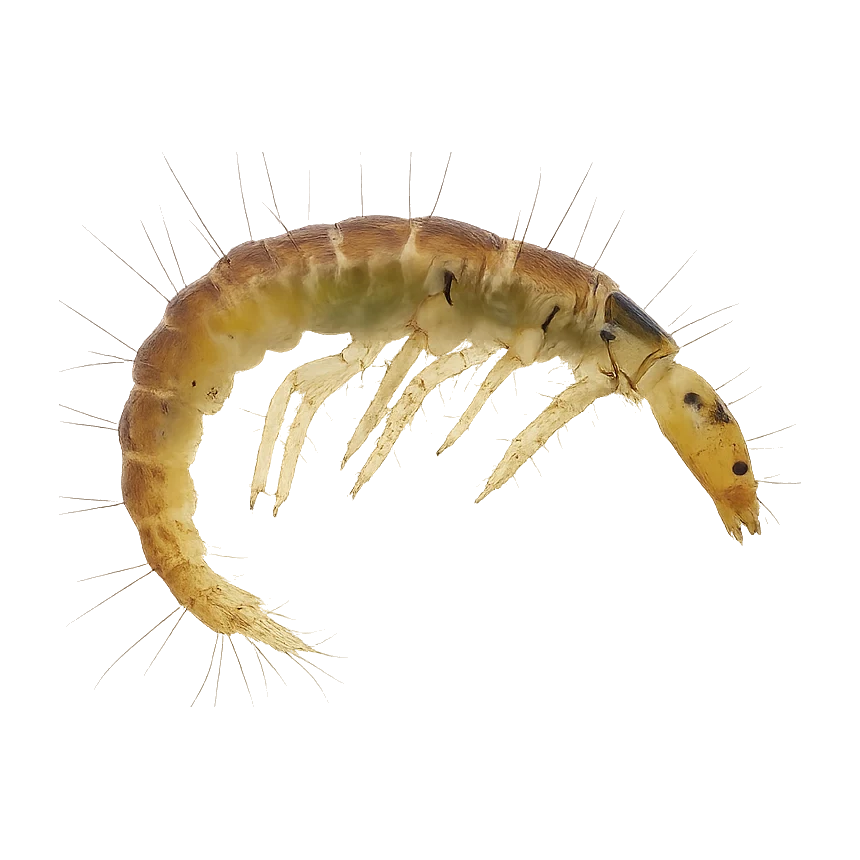
 Caddisflies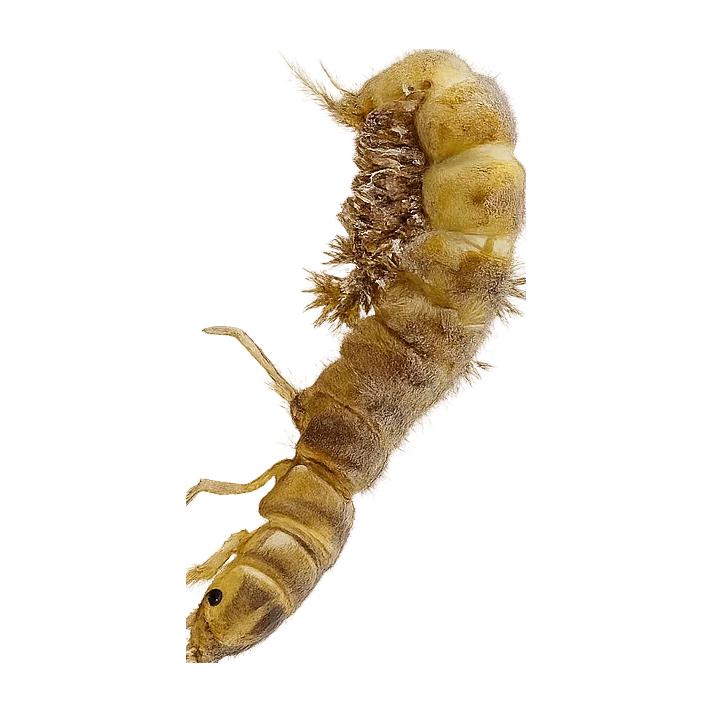
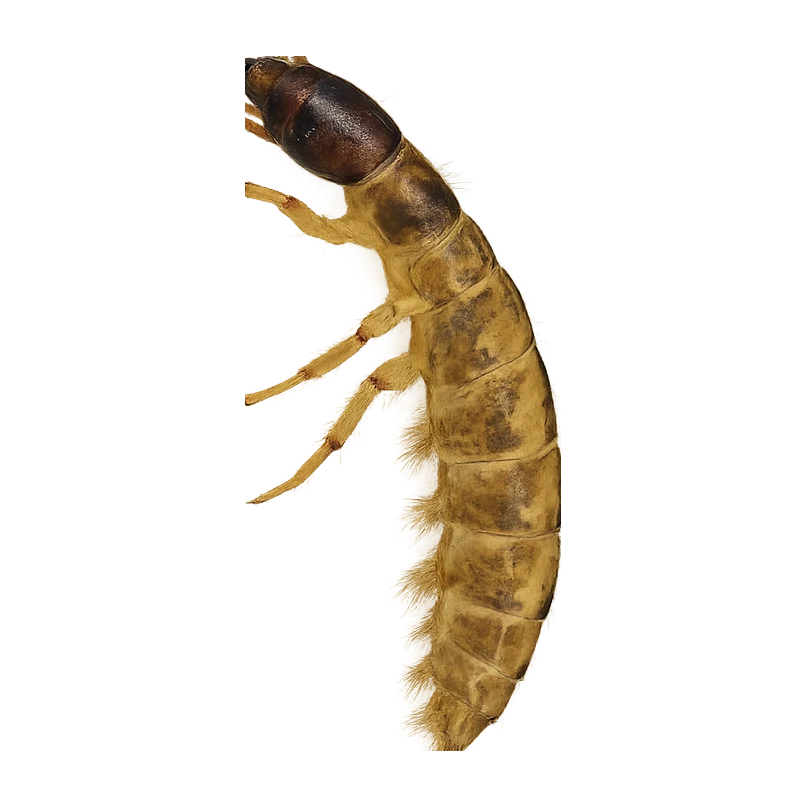
 Gammarids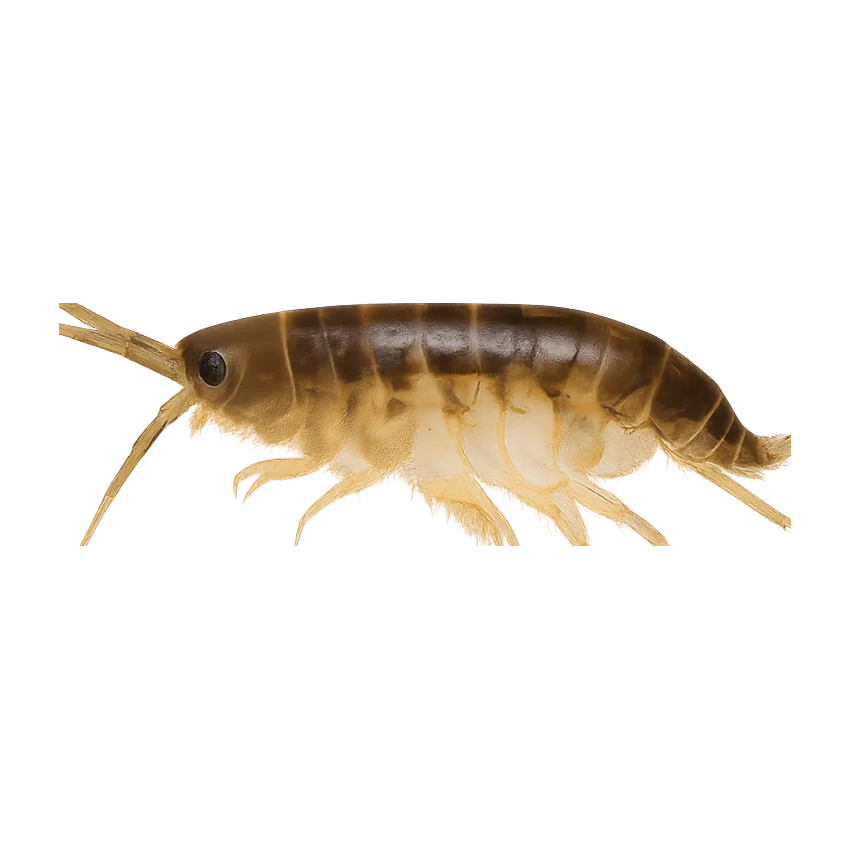
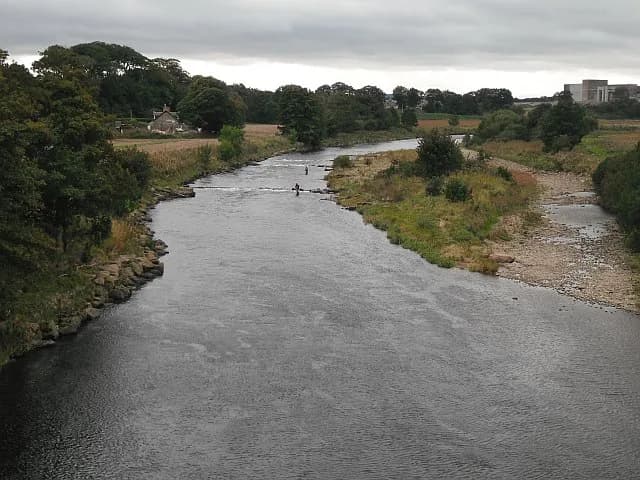
Sister river to the South Esk — faster-responding (5 hours) and more volatile spate water draining the Angus Glens. A Category 3 declining salmon system where conservation comes first; all fish should be returned unharmed. Good spring salmon from March and reliable autumn runs (September into November, with the rod season closing 31 October) reward a waiting angler and conscientious fishing. The North Esk is one of the east coast's more consistent spring rivers when conditions align. Fish it on the drop after rain with sinking-tip and medium-sized doubles; water clears fast (5-hour response), so timing and precision matter. Sea trout are present but secondary to salmon focus. Mandatory catch-and-release applies throughout the season. Fast action after spates makes this an excellent technical platform for learning spate river technique within a conservation-focused ethic.
The North Esk forms where the Water of Mark and Water of Lee meet in the Cairngorms, then runs about 37 kilometres south and east through Glen Esk before joining the South Esk near Brechin. It's a smaller river than its southern partner, more intimate, running through a landscape divided between moorland and estate farmland, with granite and schist as dominant bedrock. The character is tight and responsive — a spate river that rises quickly and falls just as fast, but with enough structure to reward careful reading. The pool-riffle sequences are well-defined, the cobble is secure underfoot, and the fishing rhythm is that of a river that demands attention and courtesy. The valley around it is beautiful in a particular Scottish way: distant hills, working farms, game paths, and the sense of fishing in a place that has held fishing in quiet regard for centuries.
Wading: Wet bedrock ledges at the Rocks of Solitude
- Mixed
- Step pool
- Bedrock