
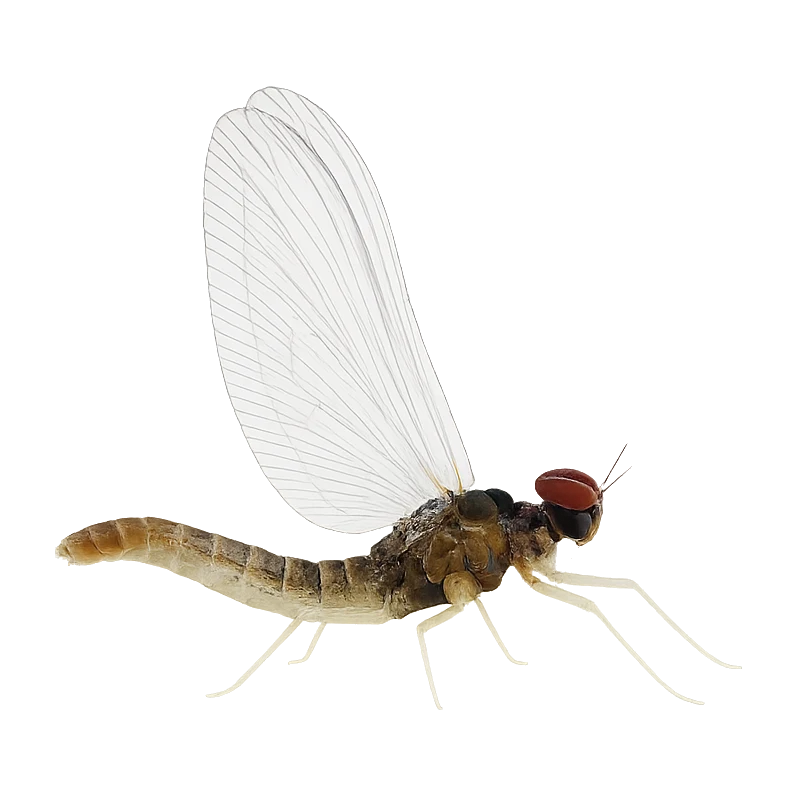
 Mayflies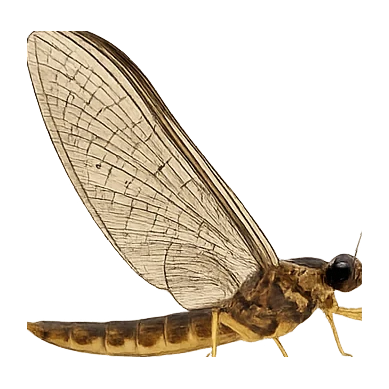
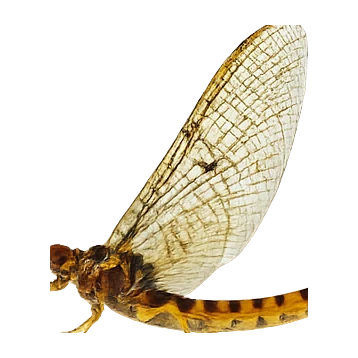
 Chironomids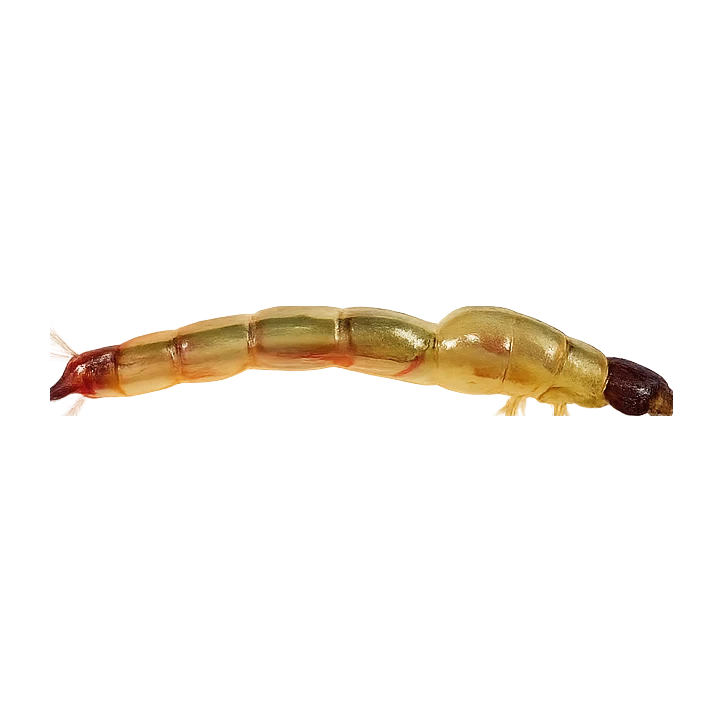
 Gammarids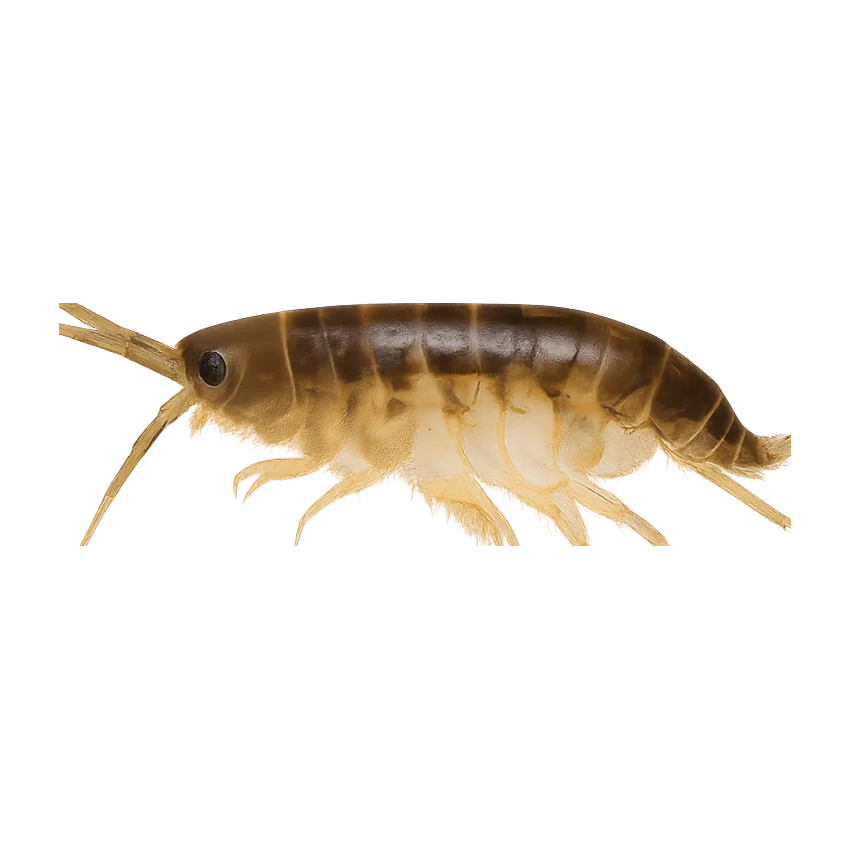
The Wild & Scenic border river between Georgia and South Carolina — cold, tumbling headwater forks holding native specks, opening into wild rainbow and brown water downstream. Rugged, beautiful, and almost entirely public.
- Acidic metamorphic
Hatch predictions
Today's headline hatch shown — see all 5 active hatches hour by hour as a supporter.
Start free trial14-day free trial. Cancel anytime.
Hatch predictions
Supporters see what else is on the menu.
Start free trial14-day free trial. Cancel anytime.
Based on species-occurrence records, not local invertebrate surveys.
Numbers are intensity 0 (none) to 3 (peak) — a guide, not a guarantee.
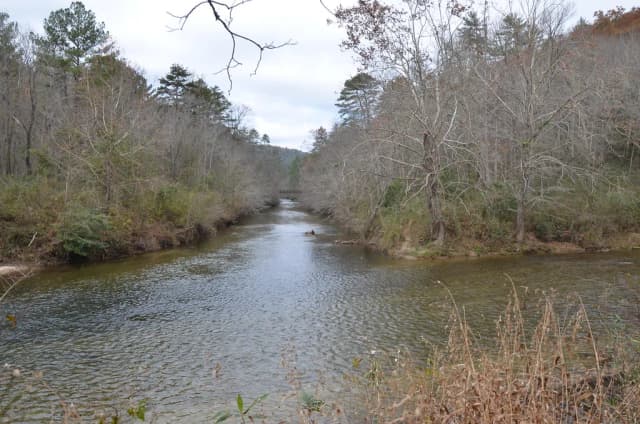
The Wild & Scenic border river between Georgia and South Carolina — cold, tumbling headwater forks holding native specks, opening into wild rainbow and brown water downstream. Rugged, beautiful, and almost entirely public.
Native brookies in the cold upper forks; wild rainbow/brown lower. brook_trout (char comfort-overlay), rainbow_trout and brown_trout all score post-seed; native brookies handled conservation-first.
EPA ATTAINS assessment unit 'Chattooga River' (GAR030601020222), 2024 Integrated Report. Aquatic Life use: Not Supporting. Listed impairment causes: Metals Other Than Mercury, Mercury. This is a Clean Water Act assessment-unit classification (the US analogue of WFD), not a live reading.
Status is for the Clean Water Act assessment unit covering this reach.
EPA ATTAINS (Clean Water Act) · GAR030601020222
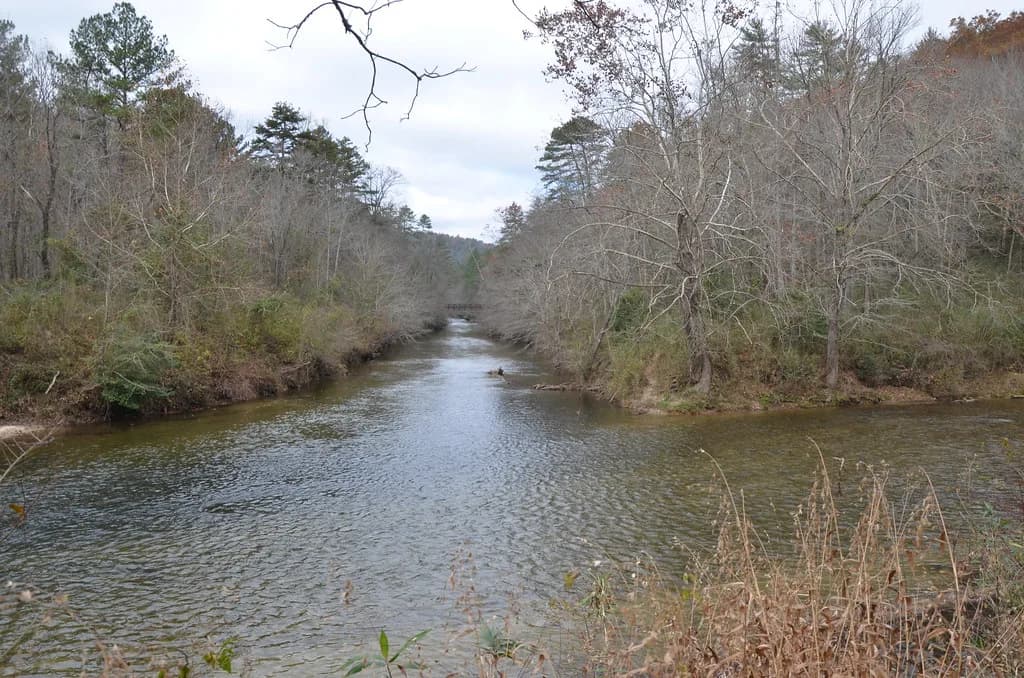
The Wild & Scenic border river between Georgia and South Carolina — cold, tumbling headwater forks holding native specks, opening into wild rainbow and brown water downstream.
Hatch predictions
Today's headline hatch shown — see all 5 active hatches hour by hour as a supporter.
Start free trial14-day free trial. Cancel anytime.
Hatch predictions
Supporters see what else is on the menu.
Start free trial14-day free trial. Cancel anytime.
Based on species-occurrence records, not local invertebrate surveys.
Numbers are intensity 0 (none) to 3 (peak) — a guide, not a guarantee.
The Wild & Scenic border river between Georgia and South Carolina — cold, tumbling headwater forks holding native specks, opening into wild rainbow and brown water downstream. Rugged, beautiful, and almost entirely public.
Native brookies in the cold upper forks; wild rainbow/brown lower. brook_trout (char comfort-overlay), rainbow_trout and brown_trout all score post-seed; native brookies handled conservation-first.
EPA ATTAINS assessment unit 'Chattooga River' (GAR030601020222), 2024 Integrated Report. Aquatic Life use: Not Supporting. Listed impairment causes: Metals Other Than Mercury, Mercury. This is a Clean Water Act assessment-unit classification (the US analogue of WFD), not a live reading.
Status is for the Clean Water Act assessment unit covering this reach.
EPA ATTAINS (Clean Water Act) · GAR030601020222