Karst · Limestone · Charente / Angoumois, FR

Charente (Upper Trout Reach)

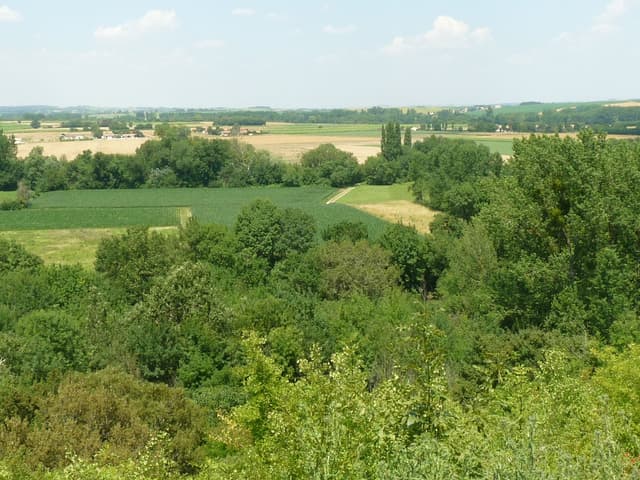
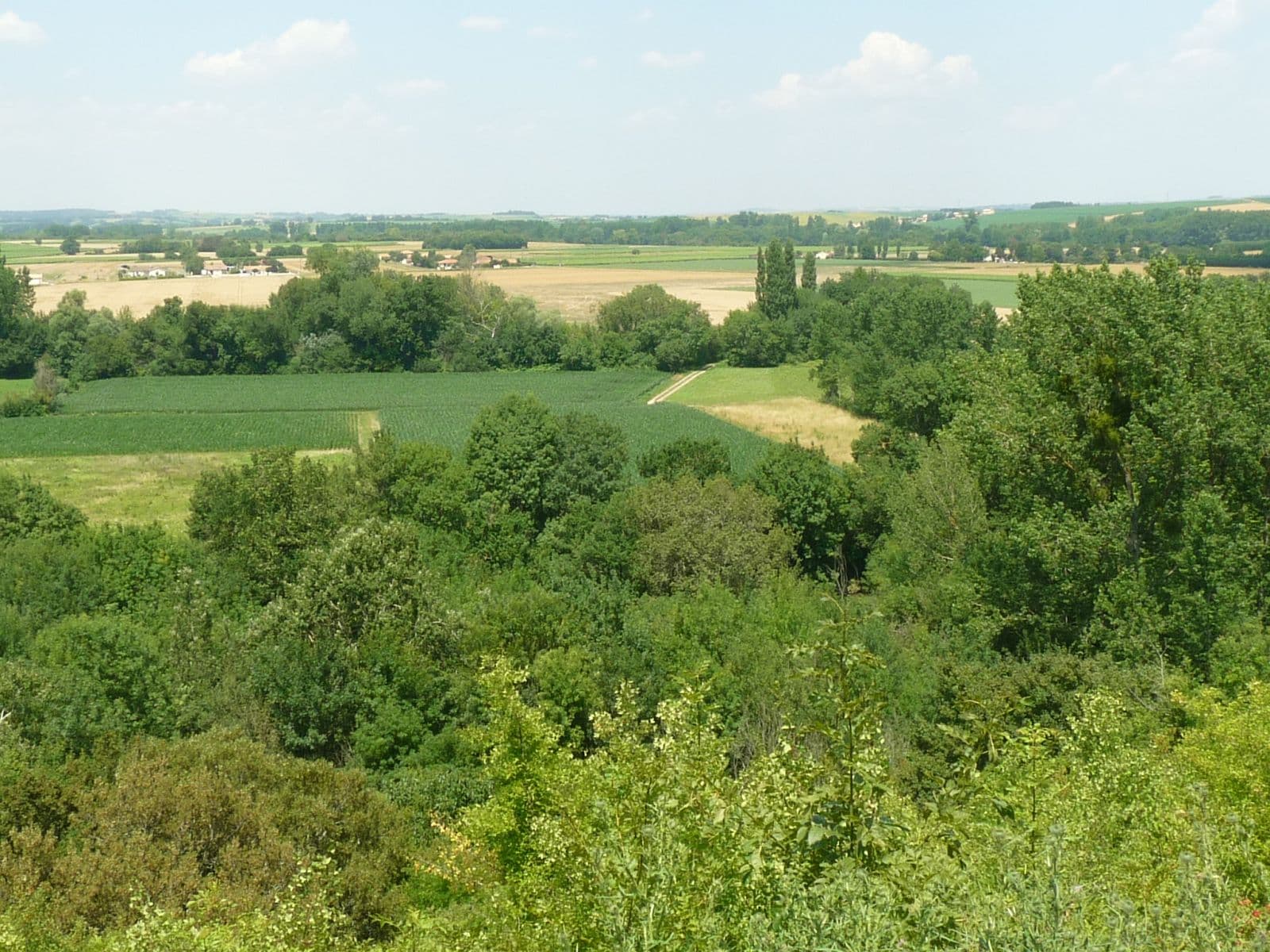
Charente vindelle

The upper Charente — the source-to-Angoulême reach, before the river becomes the broad navigable waterway of Cognac and La Rochelle — is a proper limestone trout stream that most of the world has no idea exists.

Today · Closed season
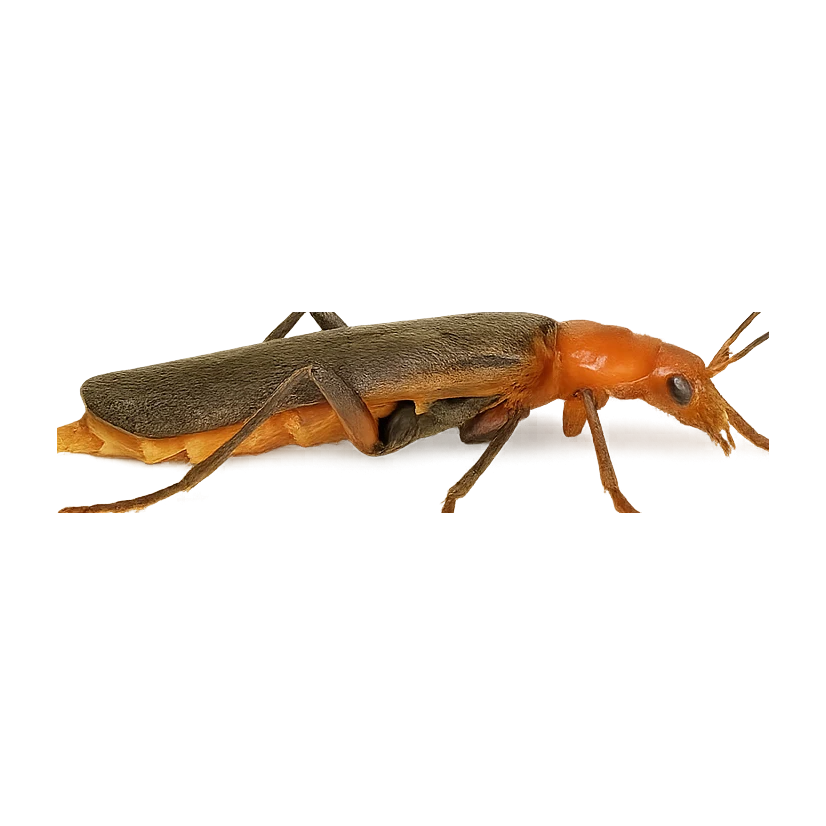
Coch-y-bonddu
Forecast · Today
Closed season
Out of season. Try elsewhere.
80% projected
Today's fly
Coch-y-bonddu
Coch-y-bonddu
Conditions on the water · Today
Proxy gauge
Level
Rising
Proxy
via Dordogne (upper)
Water temp18.3°C
ClarityVery coloured
Weather21°C
WindN 21 km/h
Pressure1017 hPa
Rain · recent3.1 mm
Rain · ahead0.5 mm

No gauge on this water — conditions are inferred from Dordogne (upper). The trend transfers, the absolute level does not.

Water temperature for Brown Trout
Warm — slow
18°C est.ideal 10–16°C
0°14°28°
How to fish it · for Brown Trout
When
Nymphing can work through most of the day.
Where
Cover mixed depths.
Method
Start with tight-line nymphs and adjust if fish rise or drift higher.
Kit
9 ft #4 rod, floating line, 12 ft tapered leader to 4–5 lb fluoro tippet.
Why this works
Water at 19.1°C — above the brown trout caution line (18°C). Fish dawn or dusk only. Land it fast, wet hands, no air shots.
Likely species
Hatch timeline · todayPeak at 5pm

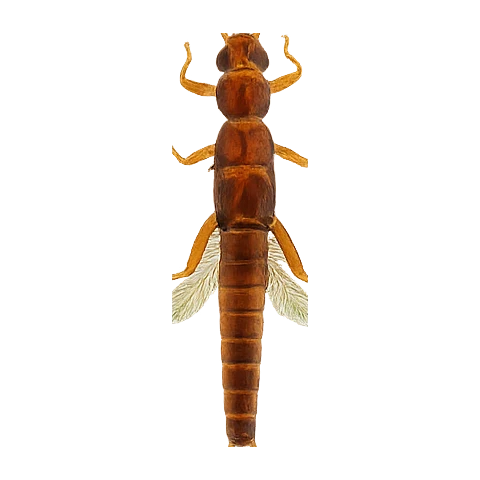
12pm(now) — Flying Ants

Stage: Terrestrials on topApproach: Dry flyActivity: 33%
Also:Reed Smut28%
Peak emergence windowWeather boost7 food groups active

Peak activity at 5pm — Summer River Midge (Summer River Midge, Weather boost)

Sub-surface · on the nymphunder the surface

Hatch predictions

Top nymph shown — see all 2 guilds as a supporter.

Start free trial

14-day free trial. Cancel anytime.

Beyond the hatch · worth watchingambient prey(1)

Hatch predictions

Top prey shown — see all 3 as a supporter.

Start free trial

14-day free trial. Cancel anytime.

Evidence
Survey-backed · regionalHigh confidence

Backed by regional invertebrate surveys; no sampling on this exact reach yet.

Through the year
0–3 scale · September highlighted
J
F
M
A
M
J
J
A
S
O
N
D
Trout seasonSeason
1
2
2
2
2
2
1
Freshwater ShrimpHatch
2
3
3
3
3
3
3
3
3
3
3
2
Brown SedgeHatch
2
3
3
3
2
Small SpurwingHatch
2
3
3
3
2
Small Dark OliveHatch
2
3
3
3
2

Numbers are intensity 0 (none) to 3 (peak) — a guide, not a guarantee.

Ranked for today
Brown Trout fly box

More balanced than the mountain-river pack. French nymphing still matters, but there is more room for dries, spiders and general searching flies.

Permits & access
Permit required — see local rules.
  • AAPPMA Confolens / Mansle / Fédération Charente
  • Standard 1ère catégorie.
What's coming
Plan ahead
5-day outlook
Cooler water nearby · 1
Water here around 19°C — probably warm enough to stress Brown Trout . These are likely cooler.
Gallery · 2
  1. Charente vindelle
  2. Terrain map of the venue
    Terrain map
About this water

The upper Charente — the source-to-Angoulême reach, before the river becomes the broad navigable waterway of Cognac and La Rochelle — is a proper limestone trout stream that most of the world has no idea exists. It rises on the Massif Central flank near Cheronnac and gathers water from a series of limestone spring feeders as it runs west through Confolens and Mansle towards Angoulême. The groundwater buffering is considerable. The river runs stable through the season, clear in most conditions, and supports a wild brown trout population that sees very few rods. Fish the headwaters and the middle reach around Confolens and Mansle. The hatches are good through spring — Baetis, olives, grannom caddis, building March Browns in the better riffles — and the trout rise freely to small dries when the conditions are right. Nymph in the cold weeks of April, shift to dry fly from mid-May, and expect a river that behaves more like a chalk stream than anything the middle Charente would suggest. The best beats are short and often require local knowledge to find — the AAPPMA of Confolens is a useful first stop.

Hatches & food

In chalk-spring and karst trout systems, generally stable temperatures broaden olive and other mayfly activity from early spring into autumn, with strong evening caddis, steady subsurface scuds and buzzers where clear groundwater and weedbeds develop, and terrestrials from meadow and woodland banks rounding out the food calendar, depending on how fast each river drops and clears after rain.

  • Limestone
Water quality (WFD)
  • Ecology: Moderate
  • Chemical: Unknown

WFD classification · FRFR19A

The full read · show the working · for Brown Trout · confidence 80%
How the 0 is built — score × weight = contribution
Temperature23 × 28%6.4
Flow80 × 22%17.6
Clarity95 × 18%17.1
Feeding Time80 × 13%10.4
Pressure80 × 7%5.6
Insect activity69 × 12%8.3
Limiting factor: Water temperature (19.1°C) is outside Brown Trout's preferred range (10–16°C)= 65
Can you trust it?
Water temperatureair-to-water estimateestimated
Level / flowproxy via Dordogne (upper)proxy
Prey activitysurvey-backed invertebrate datasurvey
What would change the calculation
Cooler water — back toward the 10–16 °C ideal band — would lift the score and ease welfare.
Directions
Seasons & zones
  • Trout 2nd Saturday of March → 3rd Sunday of September
Related guides
Booking & contacts