
 Caddisflies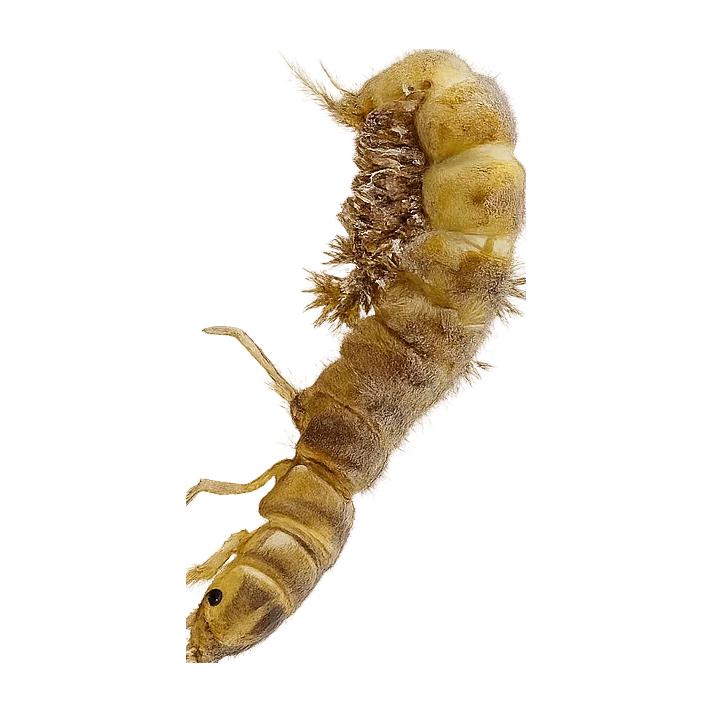

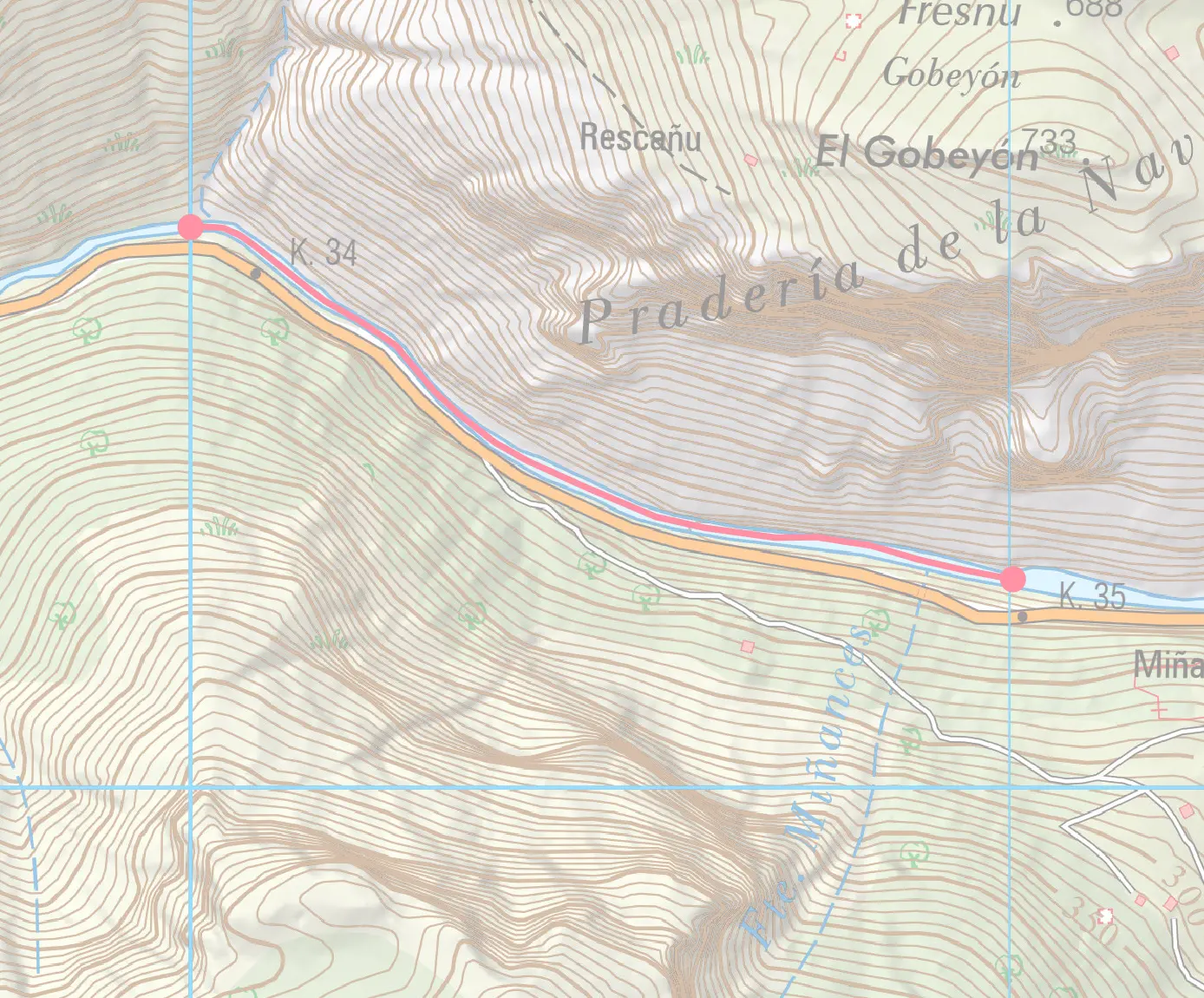
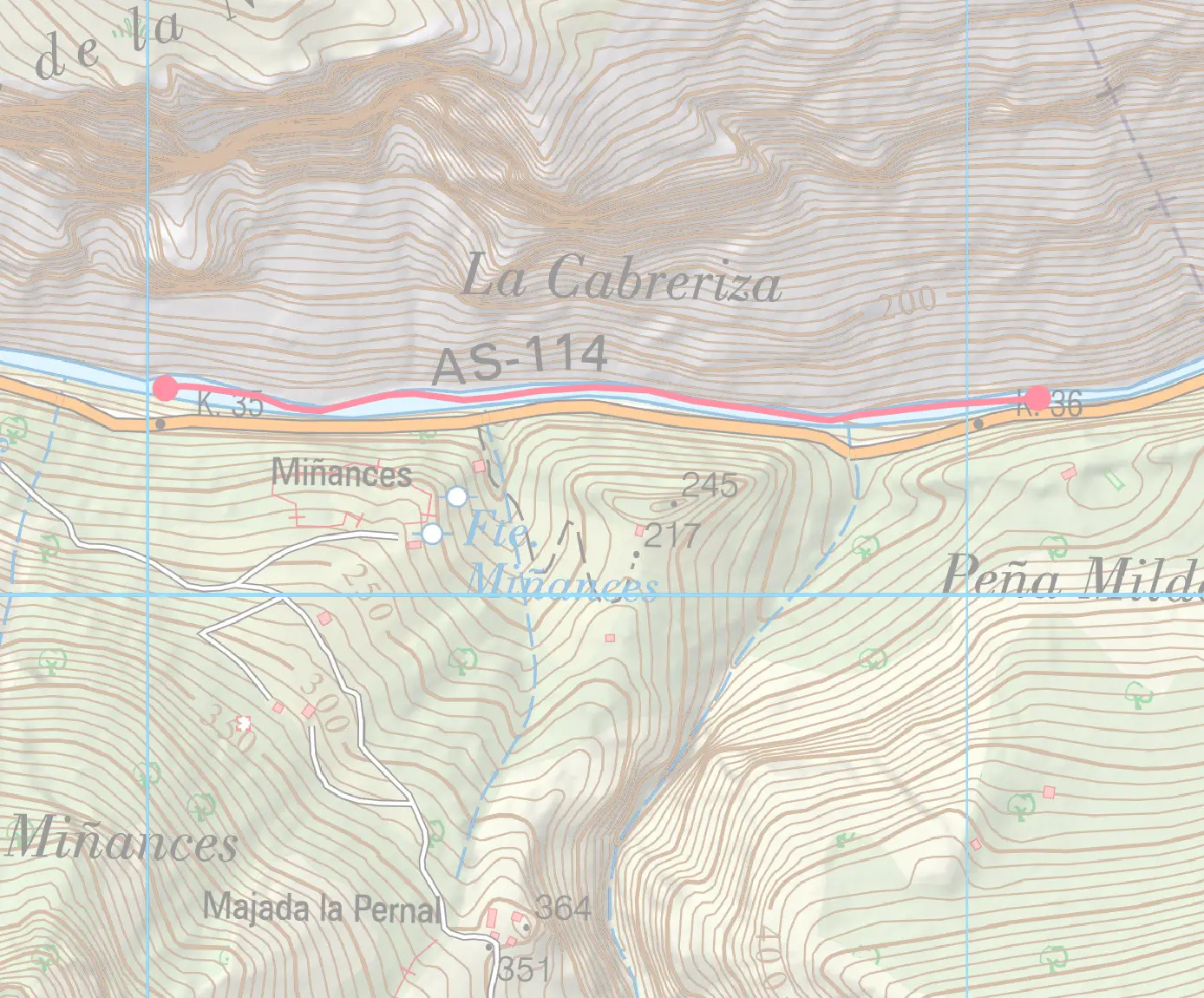
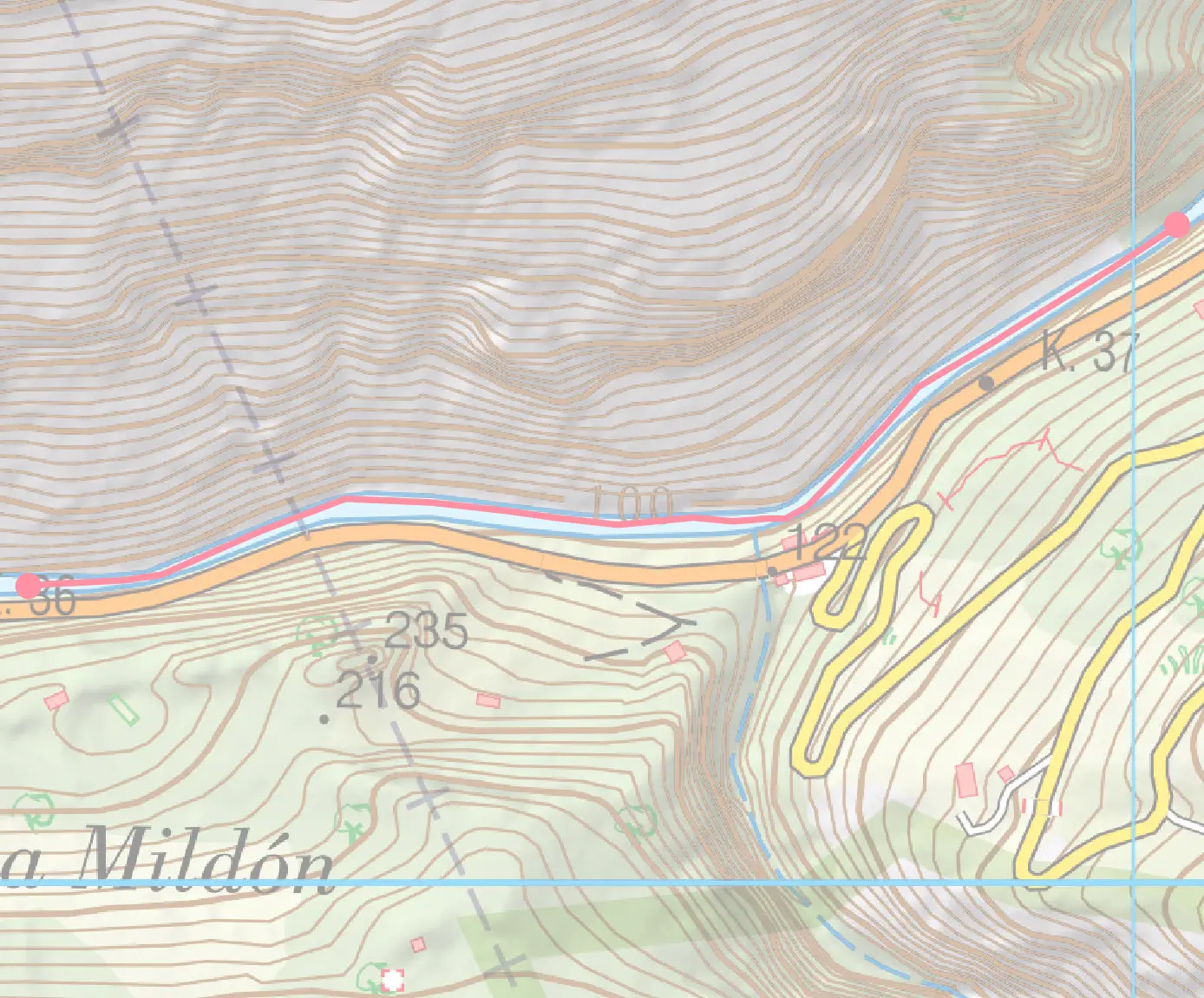
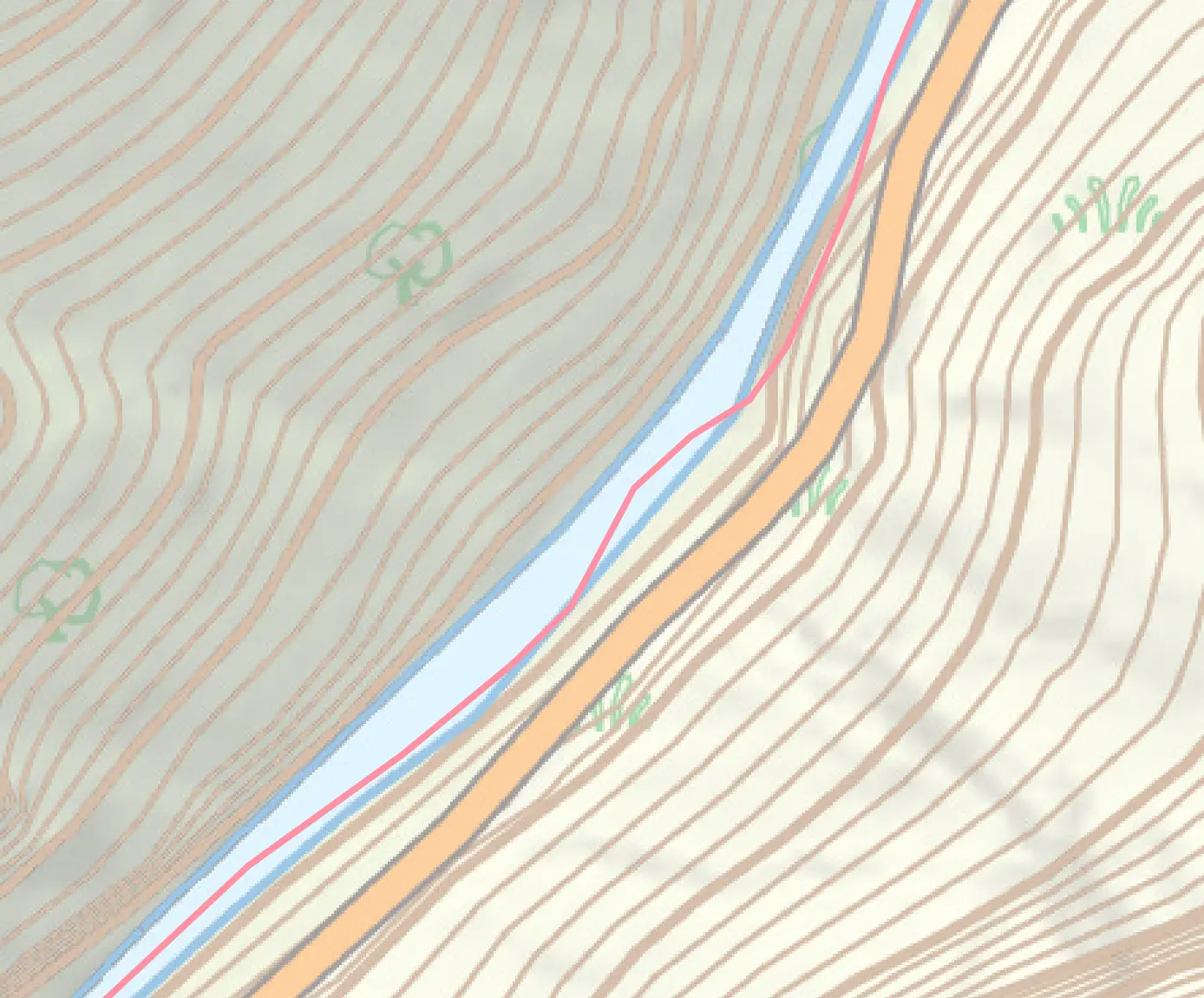
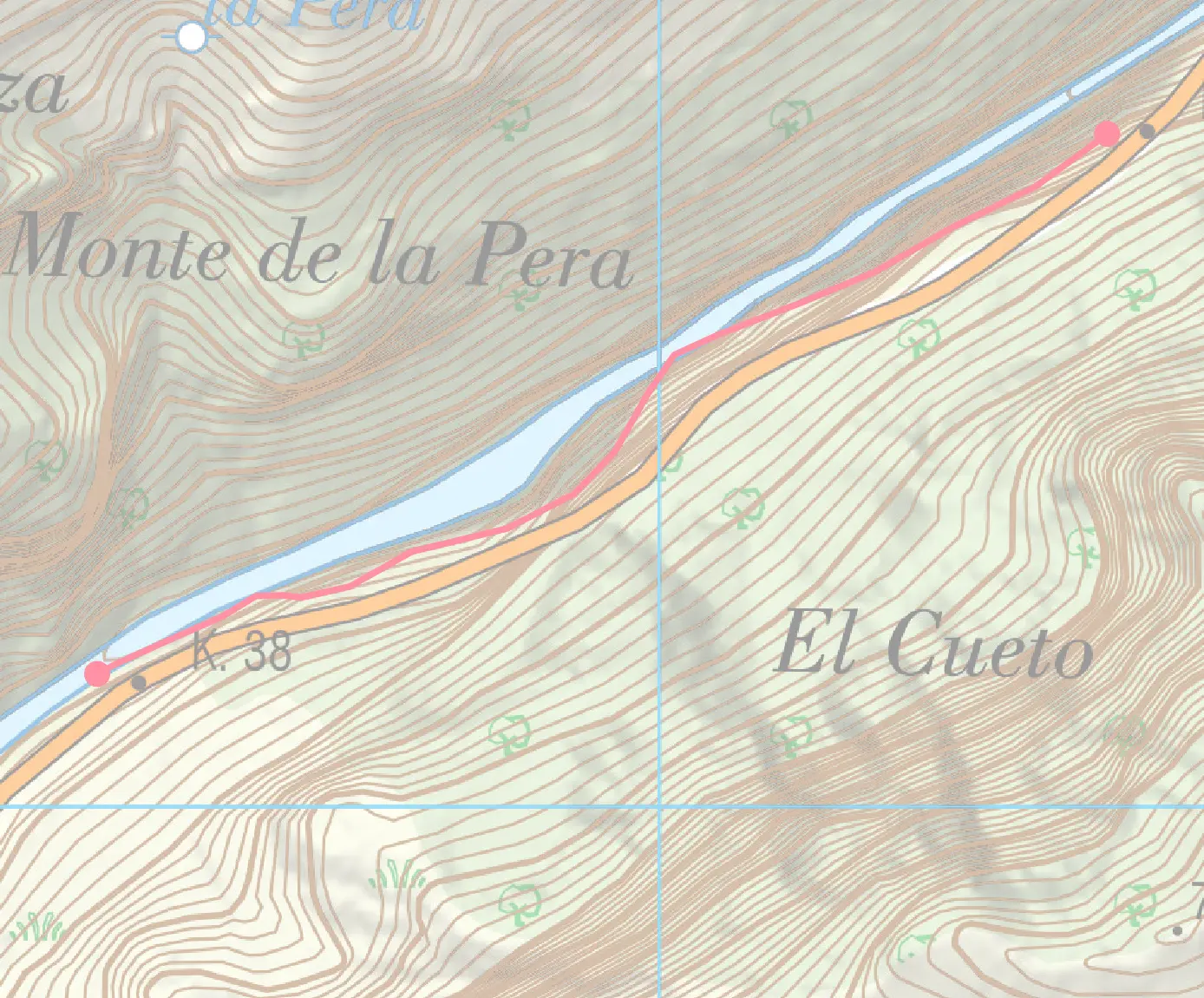
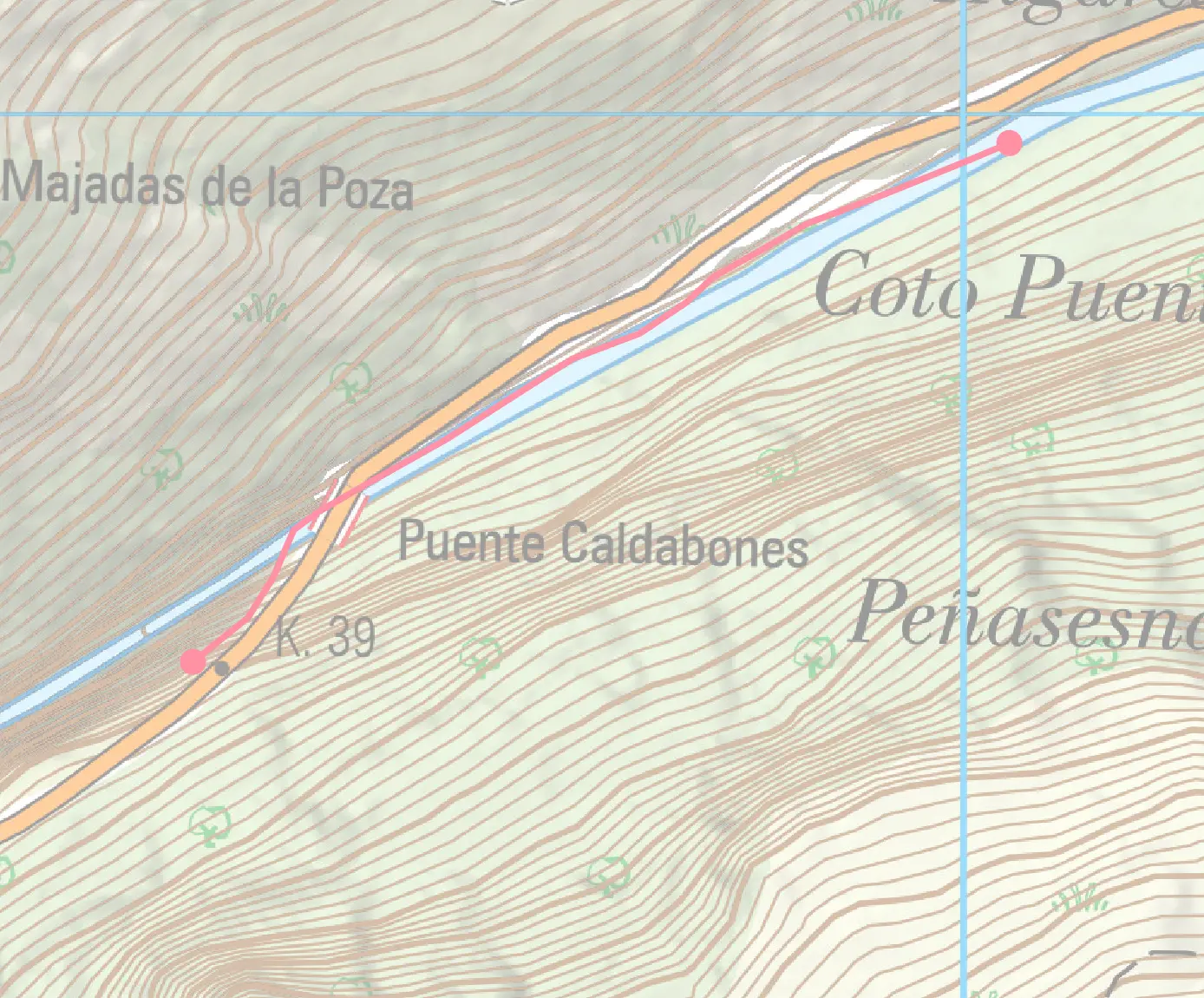
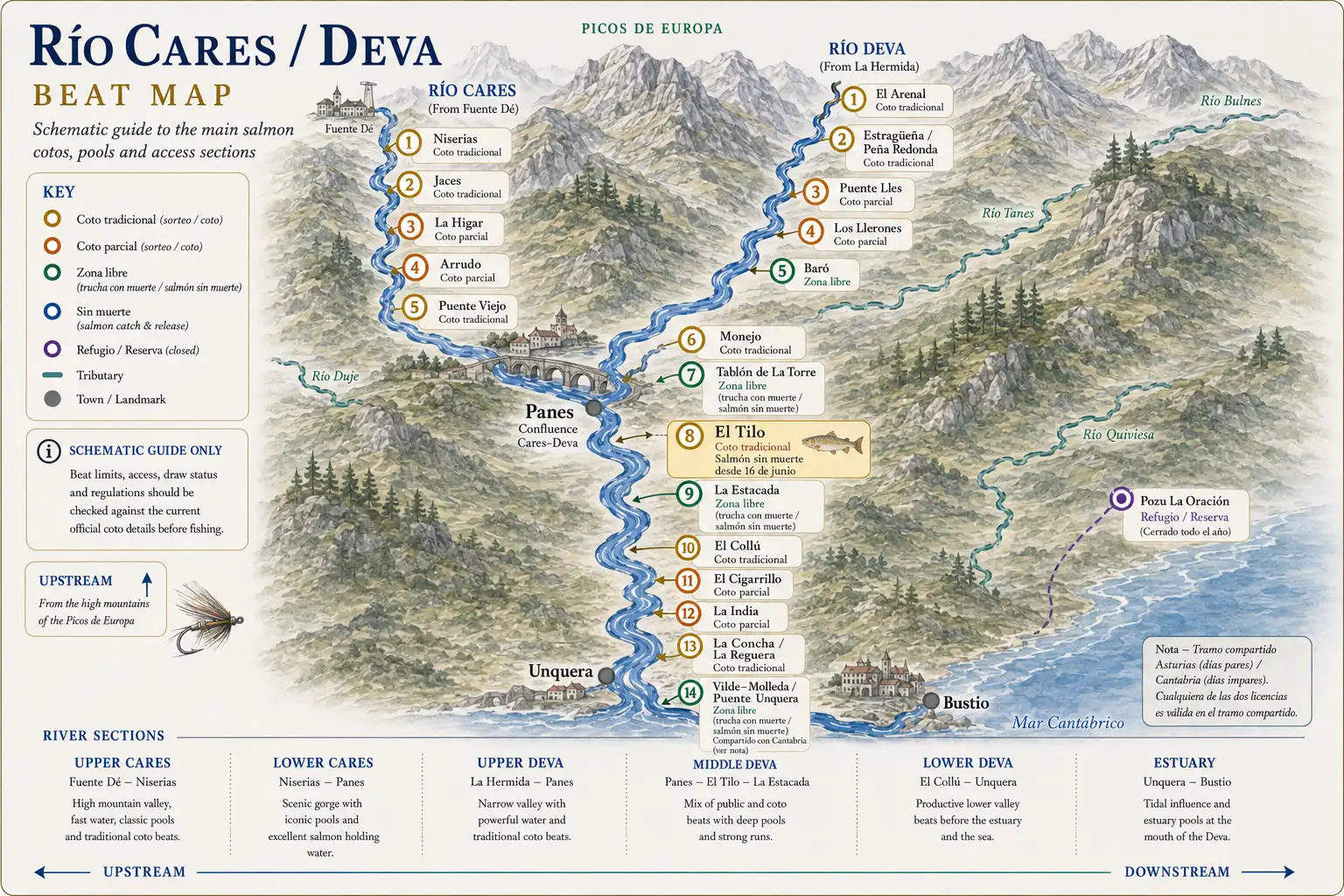
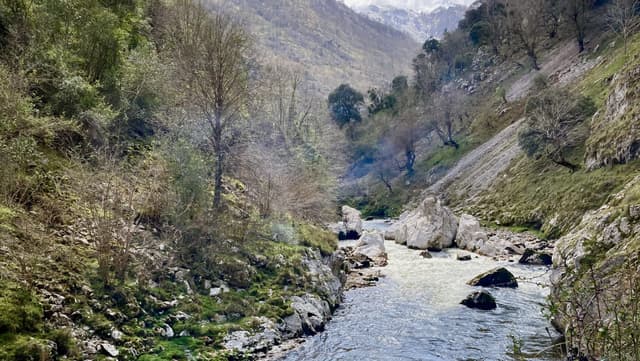
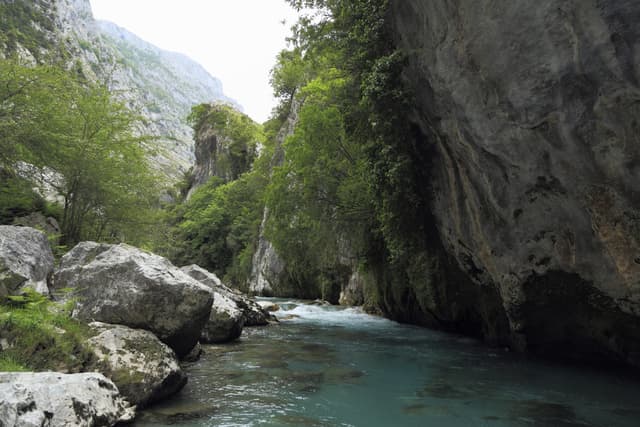
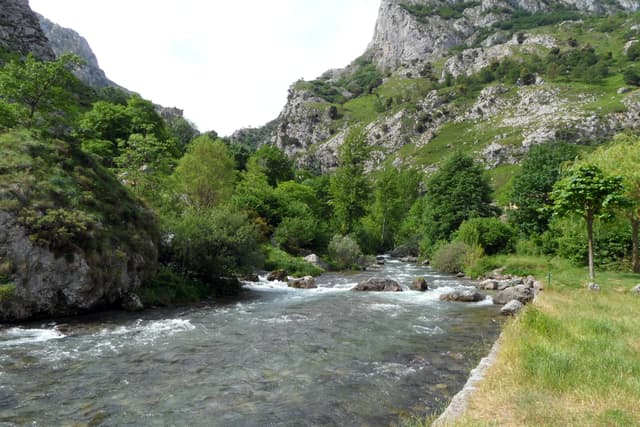
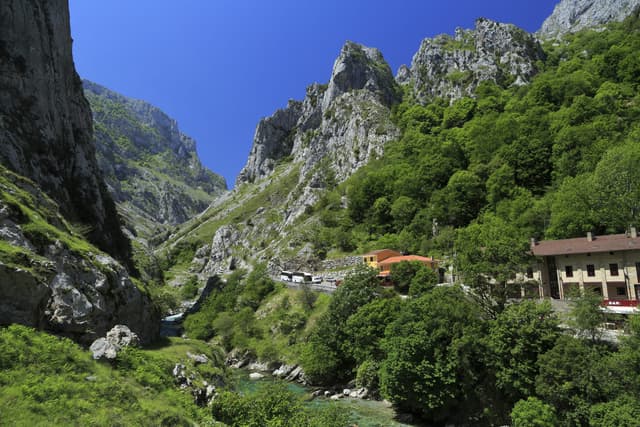
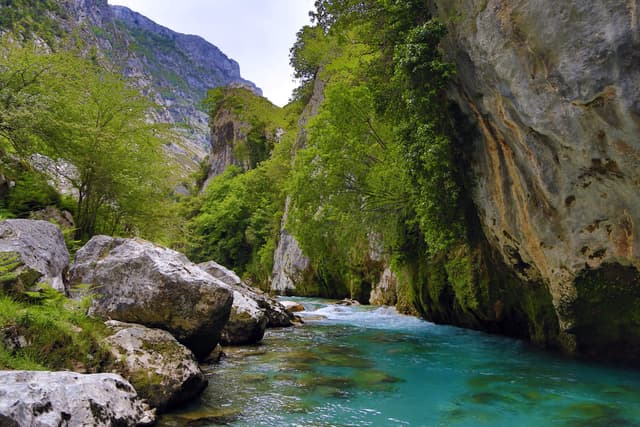
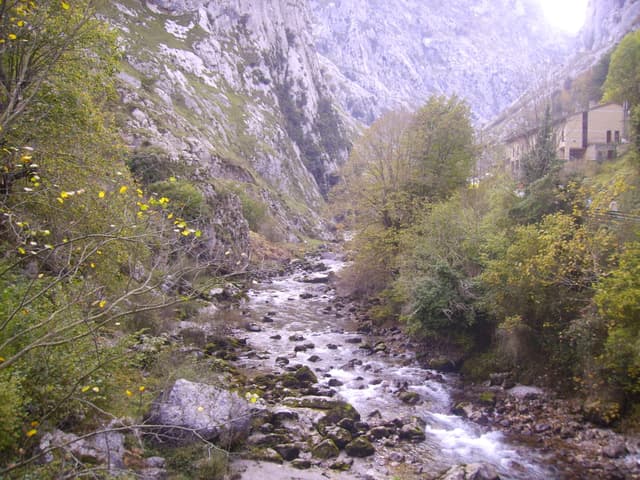
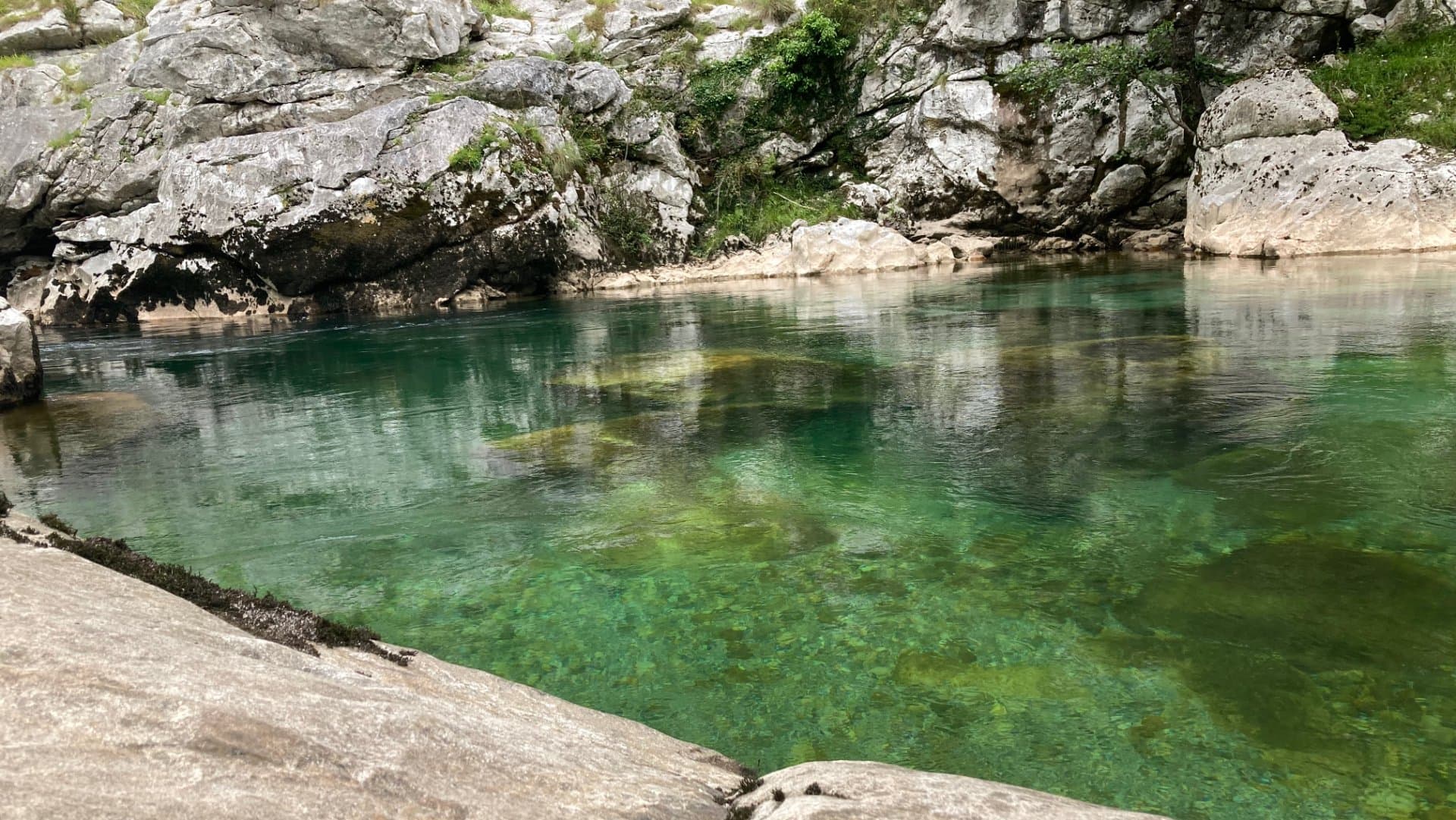
The Cares carves through Picos de Europa limestone in one of Europe's most dramatic gorges. In its upper and middle reaches this is fundamentally alpine trout water: gin-clear pockets, plunge pools, and technical dry-fly fishing for wild browns in severe mountain scenery. The salmon-regime classification matters mainly because the lower river joins the Deva near Panes and is then effectively part of the lower Cares–Deva system, which is the section where salmon are most plausible. For most visiting anglers above that confluence, however, the Cares reads and fishes as limestone trout water first. Access often requires mountain trails and scrambling; May–June and September–October offer the most stable trout conditions, while summer low water demands very fine presentation. Atlantic salmon stocks are under serious conservation pressure, and the 2026 cupo is tightly limited — one salmon per angler per year may be killed; any further fish must be released.
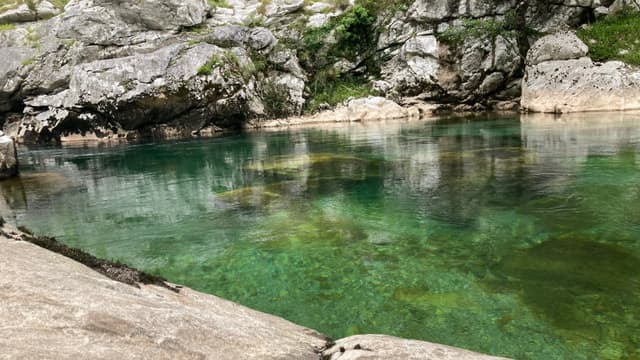
The Cares drops from the high northern Picos — a confined gorge river running through one of Spain's most dramatic limestone canyons. The whole river is step-pool and slots cut down through pale limestone bedrock; the plunge pools deepen and reward attention. Some reaches are walking-on-bedrock fishing, the water so confined and clear that every lie is exposed; other sequences open slightly into classic pool-riffle on limestone cobble. The Cares is relatively short — only about 49 kilometres to its confluence with the Deva — but it carries the full character of the Picos canyonland. The isolation is part of its appeal; the limestone bedrock is the defining feature throughout. Wading is secure on the pale limestone once you learn the slope and the algae patterns; the main hazard is the confined gorge itself — high flows fill the canyon completely. But in normal summer conditions, the Cares rewards the reaching-in with fish that know very little pressure.
Wading: Algal filmed limestone bedrock in the gorge
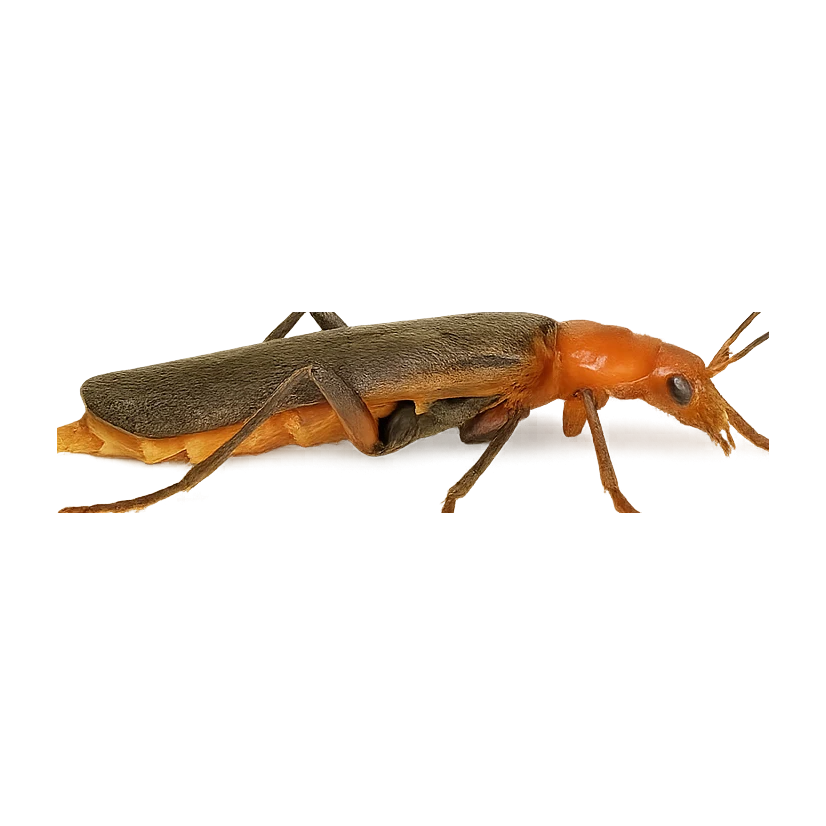
In the mountain-to-sea trout rivers of Asturias, olives and other mayflies do much of the work in spring whenever levels and colour allow, followed by strong evening caddis and steady buzzer life through early and mid-summer, with terrestrials and mixed surface food from wooded, pastoral banks rounding out the diet whenever flows drop back into safe wading range.
Part of the Cares–Deva system, which remains one of the clearest practical reo names in Asturias. Salmon secondary; trout and reo the realistic quarry.
- Limestone
- Confined
- Cascade
- Step pool