
Stillwater · Mixed · Alentejo / Algarve border, PT

Alqueva Lake / Guadiana system

One of Europe's best-known carp-on-the-fly destinations, with long-standing coverage from fly-travel specialists.

Fair · Carp
Hopper · 10–12
Fairlive now
Autumn carp — feeding hard before winter
Good wave on — drift country. A useful wave. Work the productive shore.
64% confidence
What moved it
  • WindS 18 km/hGentle breeze
Today's fly
Hopper
Hopper10–12
Fish it tight to the bank on warm, breezy days.
Conditions on the water
Estimate
Wind
Gentle breeze
S 18 km/h
N
S
from the south
Wave20 cm ripple
Water temp22.2°C
Air temp27°C
CloudOvercast
Pressure1014 hPa
Rain · recent0.0 mm

No gauge on this water — readings are regional estimates from weather, not a live gauge.

Head to
Wind driftS wind
Northern end

A southerly has held for 15 hours, running warmer than the water (24°C air against 22°C water). Expect fish at the northern end — the bank it is blowing into — where the drift piles food, colour and warmth together. This reads the upper water, though — a bottom bait at range feels it far less than a floater or a fish in the margins. Treat it as a tiebreaker between good swims rather than an override — features and angling pressure usually count for more.

How to fish it · for Carp
When
Carp are building reserves for winter, feeding aggressively in shorter windows. Warm calm afternoons produce visible fish in the shallows. The season is closing but there are still good days to be had.
Where
Autumn carp on the fly. The window narrows but carp feed hard before winter. Warm, calm afternoons are best — look for tailing fish and cruisers in the shallows. Water clarity often improves in autumn which helps spotting. Be prepared for shorter feeding windows as temperatures drop.
The plan
Plan A

Autumn carp on the fly. The window narrows but carp feed hard before winter. Warm, calm afternoons are best — look for tailing fish and cruisers in the shallows. Water clarity often improves in autumn which helps spotting. Be prepared for shorter feeding windows as temperatures drop.

Plan B

If the main plan is not working, switch to a smaller, more imitative pattern fished slower and deeper. A change of drift angle can also make a difference.

Watch for

Keep an eye on changing conditions — wind shifts and cloud breaks can trigger short feeding spells.

Either bank or boat

Good ripple suits both bank and boat. Bank: work inflows, dam walls, and points. Boat: broadside drift covering wind lanes.

Beyond the hatch · worth watchingambient prey(1)

Hatch predictions

Top prey shown — see all 4 as a supporter.

Start free trial

14-day free trial. Cancel anytime.

Through the year
0–3 scale · September highlighted
J
F
M
A
M
J
J
A
S
O
N
D
Black MidgeHatch
2
3
3
3
3
3
3
3
3
3
3
2
Daphnia SwarmHatch
2
3
3
3
2
Lake OliveHatch
2
3
3
3
3
3
2
Silverhorns & LonghornsHatch
1
2
2
2
1

Numbers are intensity 0 (none) to 3 (peak) — a guide, not a guarantee.

Ranked for today
Carp fly box

A wild brown trout pack for northern and mountain Portugal. River-first, compact, and practical, with nymphs leading and dry flies taking over in the stronger windows.

BS
Backstabber-style carp fly
12–16 · Fly
A dependable searching pattern for these waters.
Permits & access
Permit required — see local rules.
  • Portuguese fishing licence required
  • Available online from ICNF.
What's coming
Plan ahead
5-day outlook
Condition match
54%
Cloud70%
Wind65%
Temp25%

A reasonable day here, though temperature isn't quite in the sweet spot.

Gallery · 1
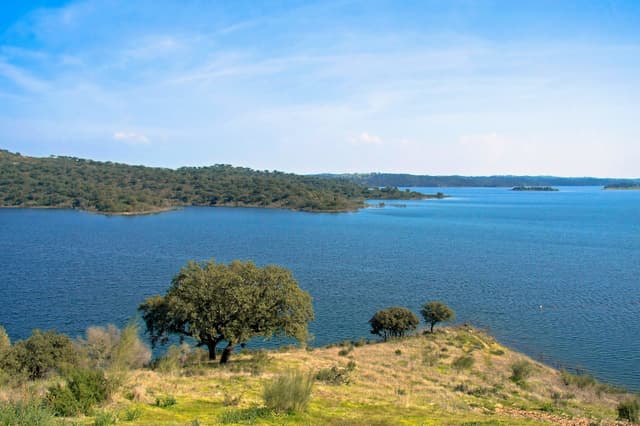
  1. Albufeira do Alqueva - Portugal
About this water

One of Europe's best-known carp-on-the-fly destinations, with long-standing coverage from fly-travel specialists. Alqueva is Europe's largest artificial lake — a vast Guadiana system reservoir with huge shoreline and multiple fishable bays. Carp cruise the warm margins in summer, and Iberian barbel are also present in the wider Guadiana system. The warmth, clarity, and sheer scale make this a destination unlike any other in European fly fishing.

  • Reservoir
  • Mixed
Why this score
  • High temperatures may push fish deeper and reduce surface activity.
Related guides
Booking & contacts