
- Free fishing
- Fly only
12:00(now) — Heather Fly
Peak activity at 18:00 — Stenopsyche Caddis (Stenopsyche Caddis, Weather boost)
Based on species-occurrence records, not local invertebrate surveys.
Numbers are intensity 0 (none) to 3 (peak) — a guide, not a guarantee.
- Co-operative yugyoken required; sakuramasu are often specially regulated or restricted — verify before targeting
- Spawning closure in autumn.
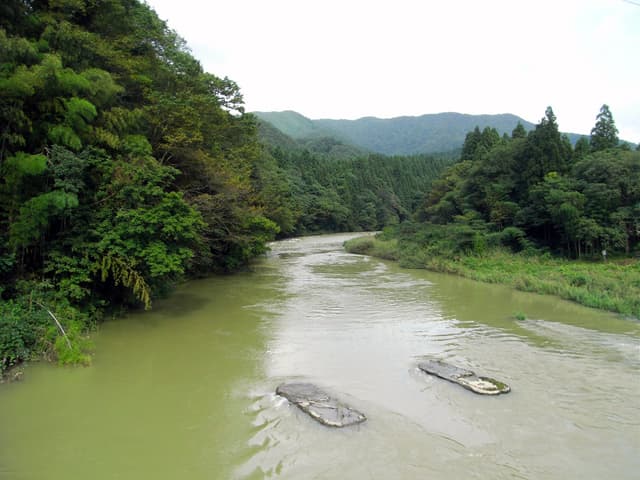
River in Niigata Prefecture. Terrain map
White-spotted char (iwana), yamame, and the sea-run cherry salmon sakuramasu (the migratory form of yamame); sakuramasu are conservation-sensitive and often restricted.
The full read · show the working · for White-spotted Char · confidence 80%
- Char late February to April → late September to mid-October
Honshu/Shikoku/Kyushu keiryu are managed by local fishery co-operatives — a yugyoken (day/annual ticket) is required, and most streams close around 30 September / mid-October for spawning. Species are surfaced in prose only (no engine slugs for yamame, amago or iwana). Legal status: guidance_not_permission.
Miomote River
12:00(now) — Heather Fly
Peak activity at 18:00 — Stenopsyche Caddis (Stenopsyche Caddis, Weather boost)
Based on species-occurrence records, not local invertebrate surveys.
Numbers are intensity 0 (none) to 3 (peak) — a guide, not a guarantee.
- Co-operative yugyoken required; sakuramasu are often specially regulated or restricted — verify before targeting
- Spawning closure in autumn.
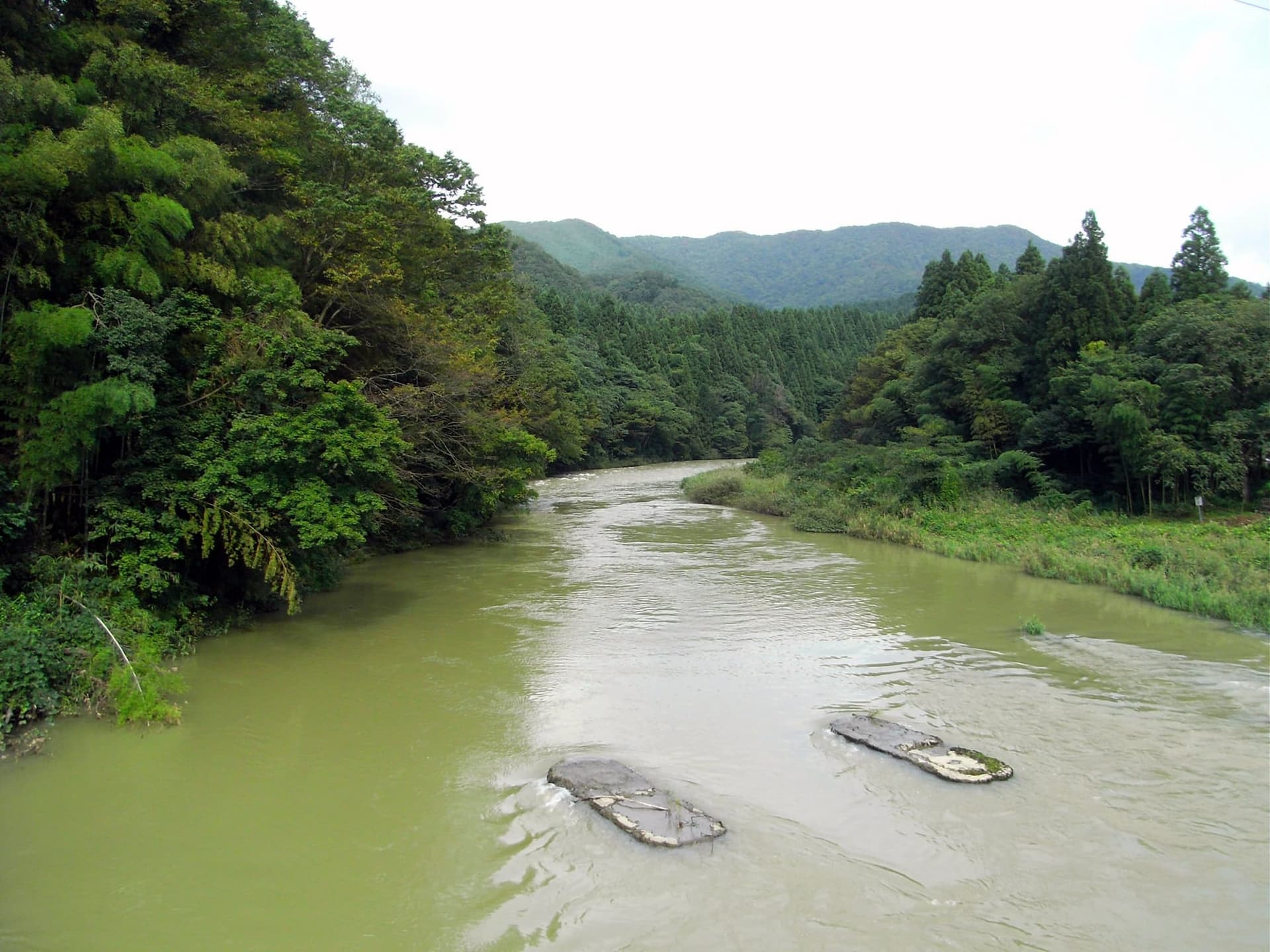
River in Niigata Prefecture. Terrain map
White-spotted char (iwana), yamame, and the sea-run cherry salmon sakuramasu (the migratory form of yamame); sakuramasu are conservation-sensitive and often restricted.
The full read · show the working · for White-spotted Char · confidence 80%
- Char late February to April → late September to mid-October
Honshu/Shikoku/Kyushu keiryu are managed by local fishery co-operatives — a yugyoken (day/annual ticket) is required, and most streams close around 30 September / mid-October for spawning. Species are surfaced in prose only (no engine slugs for yamame, amago or iwana). Legal status: guidance_not_permission.