
- Licence required
 Chironomids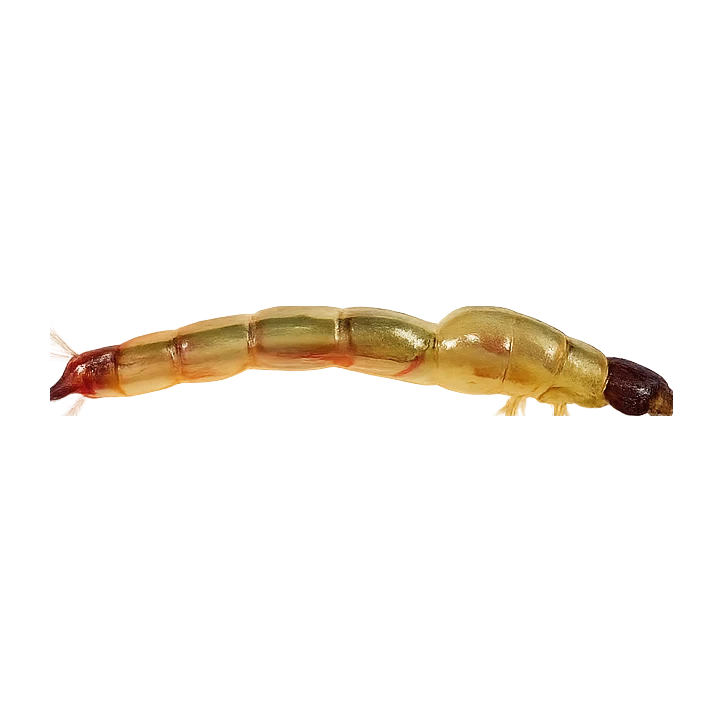
Hatch predictions
Today's headline hatch shown — see all 5 active hatches hour by hour as a supporter.
Start free trial14-day free trial. Cancel anytime.
Beyond the hatch · worth watchingambient prey(1)
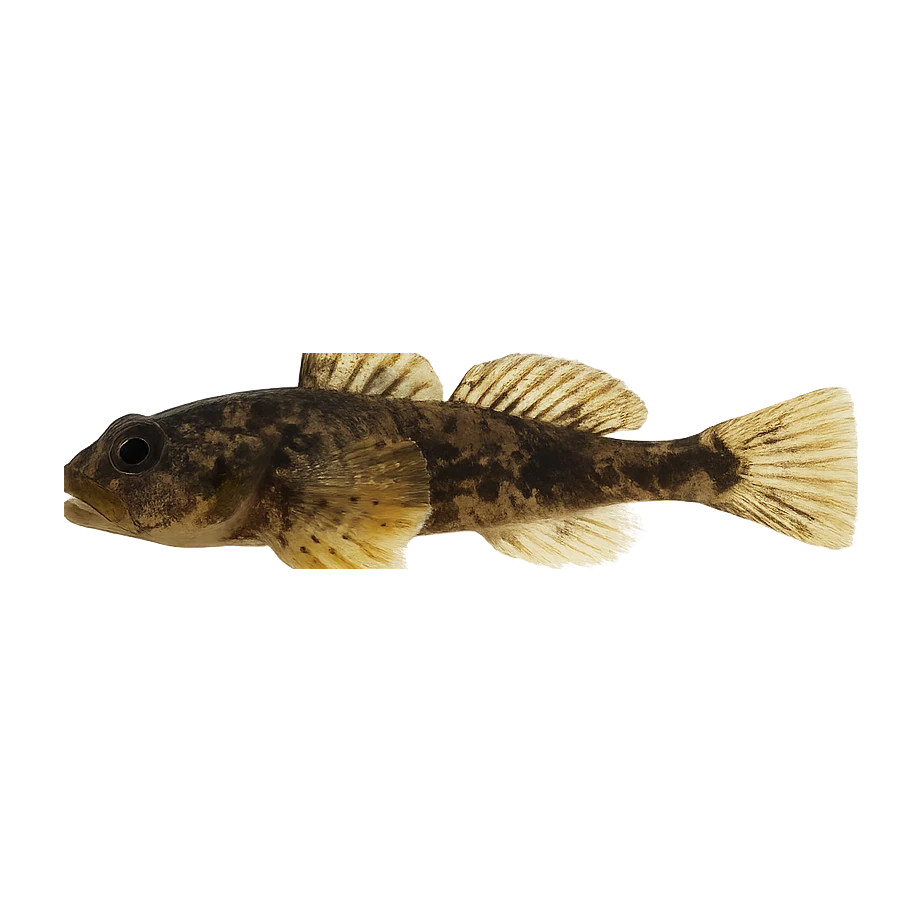
Hatch predictions
Supporters see what else is on the menu.
Start free trial14-day free trial. Cancel anytime.
Based on species-occurrence records, not local invertebrate surveys.
Numbers are intensity 0 (none) to 3 (peak) — a guide, not a guarantee.
The Humber is not a beat-let or syndicate river — it is public, scheduled salmon water you fish on a provincial licence with tags, grouped here by the DFO river-class reach you are standing in. What changes from reach to reach is not who controls the water but what you may keep: the class-6 main system allows retention with tags, the class-0 tributaries are catch-and-release only, and a short autumn window on the lower main stem flips the whole river to release. Always confirm the current class, tag and closure status for your exact stretch in the DFO Newfoundland & Labrador Anglers' Guide before fishing — boundaries and in-season measures can move.
The 2 beats
- Newfoundland scheduled-salmon-river rules apply
- Provincial salmon licence is required and barbless single-hook rules are standard on scheduled water.
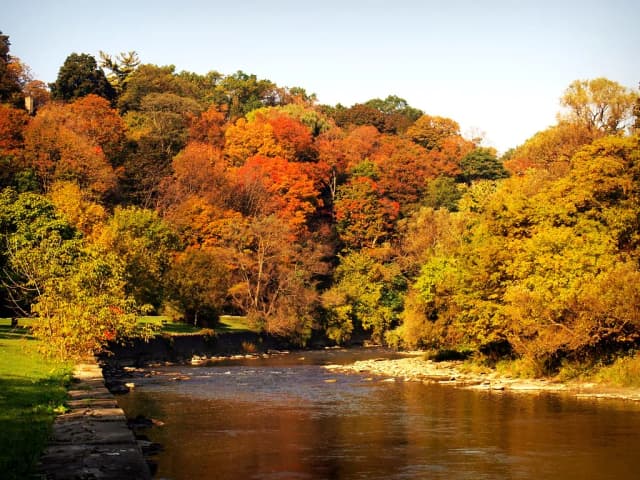
Autumn at Humber River Terrain map
Why this score · for Atlantic Salmon
- Temperature2730% weight
- Flow6025% weight
- Clarity9520% weight
- Feeding Time9515% weight
- Pressure8510% weight
- Salmon 1 June → 7 September
- Trout 15 January → 15 September
- Brook trout varies by zone (earliest 1 February) → 7–15 September (zone-specific)
Newfoundland (Island) brook trout (speckled trout) — zone-specific dates. Earliest Zone opener is Feb 1; Zone 2 opens Mar 1; Zone 1 has a split season (Feb 1–Apr 15 and May 15–Sep 7). Close dates range Sep 7–Sep 15 by zone. Check NL Anglers' Guide 2026-27 for the specific zone covering this water. Coastal waters allow year-round trout angling. This is primarily an Atlantic salmon river — brook trout present throughout, especially in headwaters and smaller tributaries.
Humber
Hatch predictions
Today's headline hatch shown — see all 5 active hatches hour by hour as a supporter.
Start free trial14-day free trial. Cancel anytime.
Beyond the hatch · worth watchingambient prey(1)
Hatch predictions
Supporters see what else is on the menu.
Start free trial14-day free trial. Cancel anytime.
Based on species-occurrence records, not local invertebrate surveys.
Numbers are intensity 0 (none) to 3 (peak) — a guide, not a guarantee.
The Humber is not a beat-let or syndicate river — it is public, scheduled salmon water you fish on a provincial licence with tags, grouped here by the DFO river-class reach you are standing in. What changes from reach to reach is not who controls the water but what you may keep: the class-6 main system allows retention with tags, the class-0 tributaries are catch-and-release only, and a short autumn window on the lower main stem flips the whole river to release. Always confirm the current class, tag and closure status for your exact stretch in the DFO Newfoundland & Labrador Anglers' Guide before fishing — boundaries and in-season measures can move.
The 2 beats
- Newfoundland scheduled-salmon-river rules apply
- Provincial salmon licence is required and barbless single-hook rules are standard on scheduled water.
Autumn at Humber River Terrain map
Why this score · for Atlantic Salmon
- Temperature2730% weight
- Flow6025% weight
- Clarity9520% weight
- Feeding Time9515% weight
- Pressure8510% weight
- Salmon 1 June → 7 September
- Trout 15 January → 15 September
- Brook trout varies by zone (earliest 1 February) → 7–15 September (zone-specific)
Newfoundland (Island) brook trout (speckled trout) — zone-specific dates. Earliest Zone opener is Feb 1; Zone 2 opens Mar 1; Zone 1 has a split season (Feb 1–Apr 15 and May 15–Sep 7). Close dates range Sep 7–Sep 15 by zone. Check NL Anglers' Guide 2026-27 for the specific zone covering this water. Coastal waters allow year-round trout angling. This is primarily an Atlantic salmon river — brook trout present throughout, especially in headwaters and smaller tributaries.