
 Caddisflies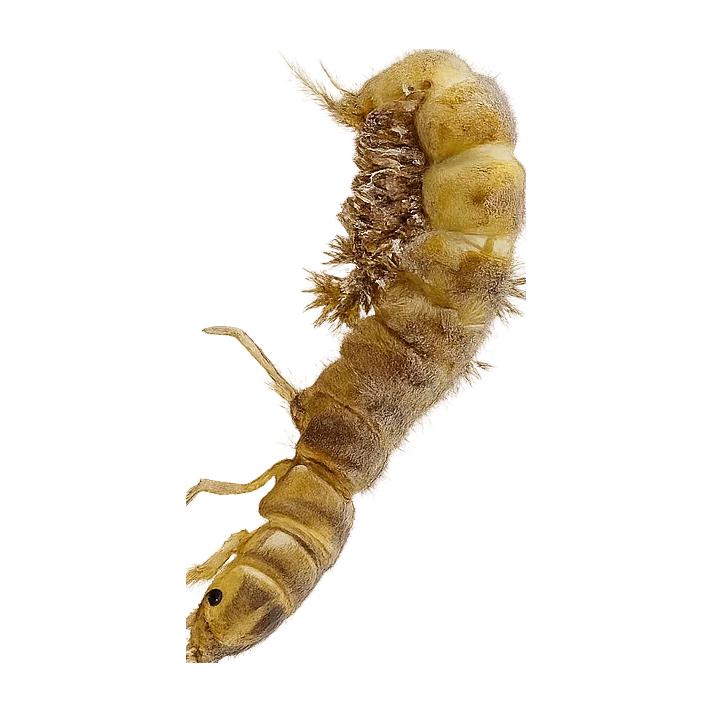
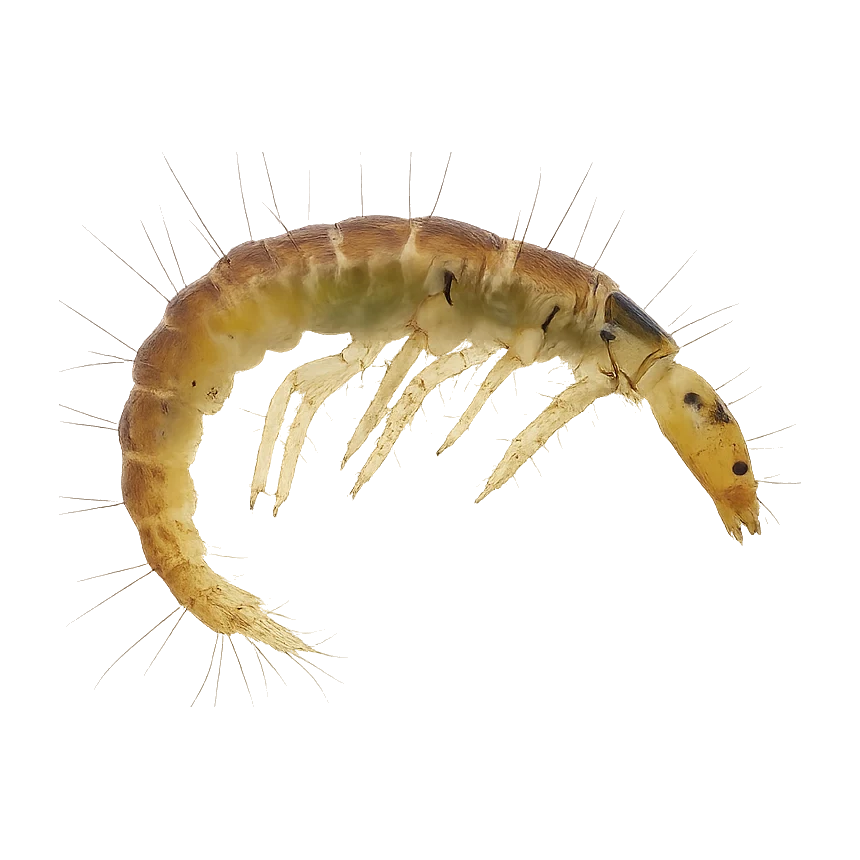
 Gammarids
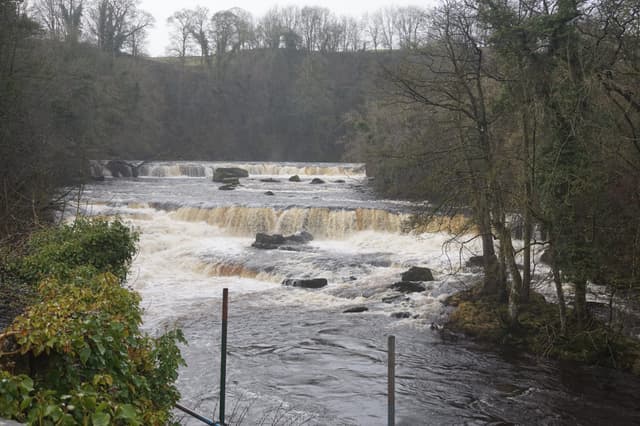
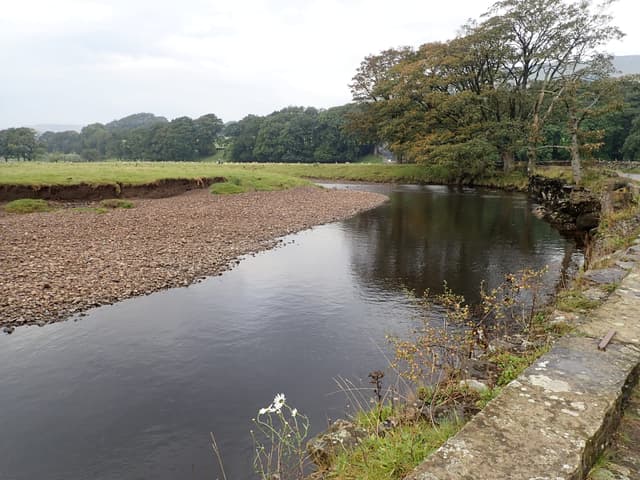
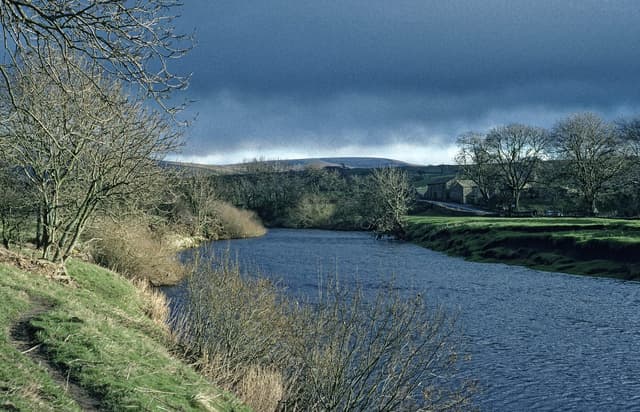
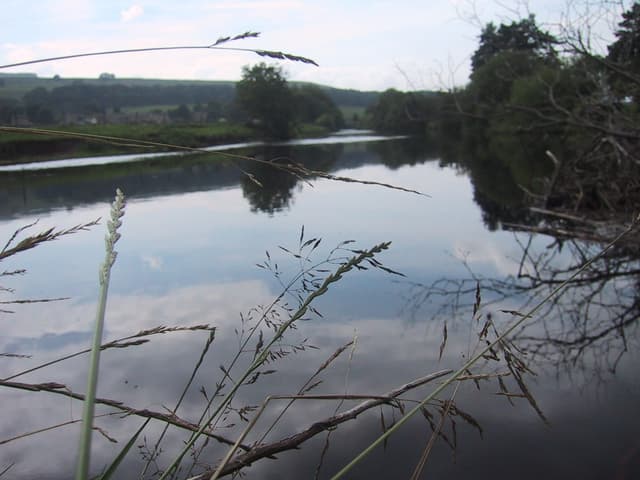
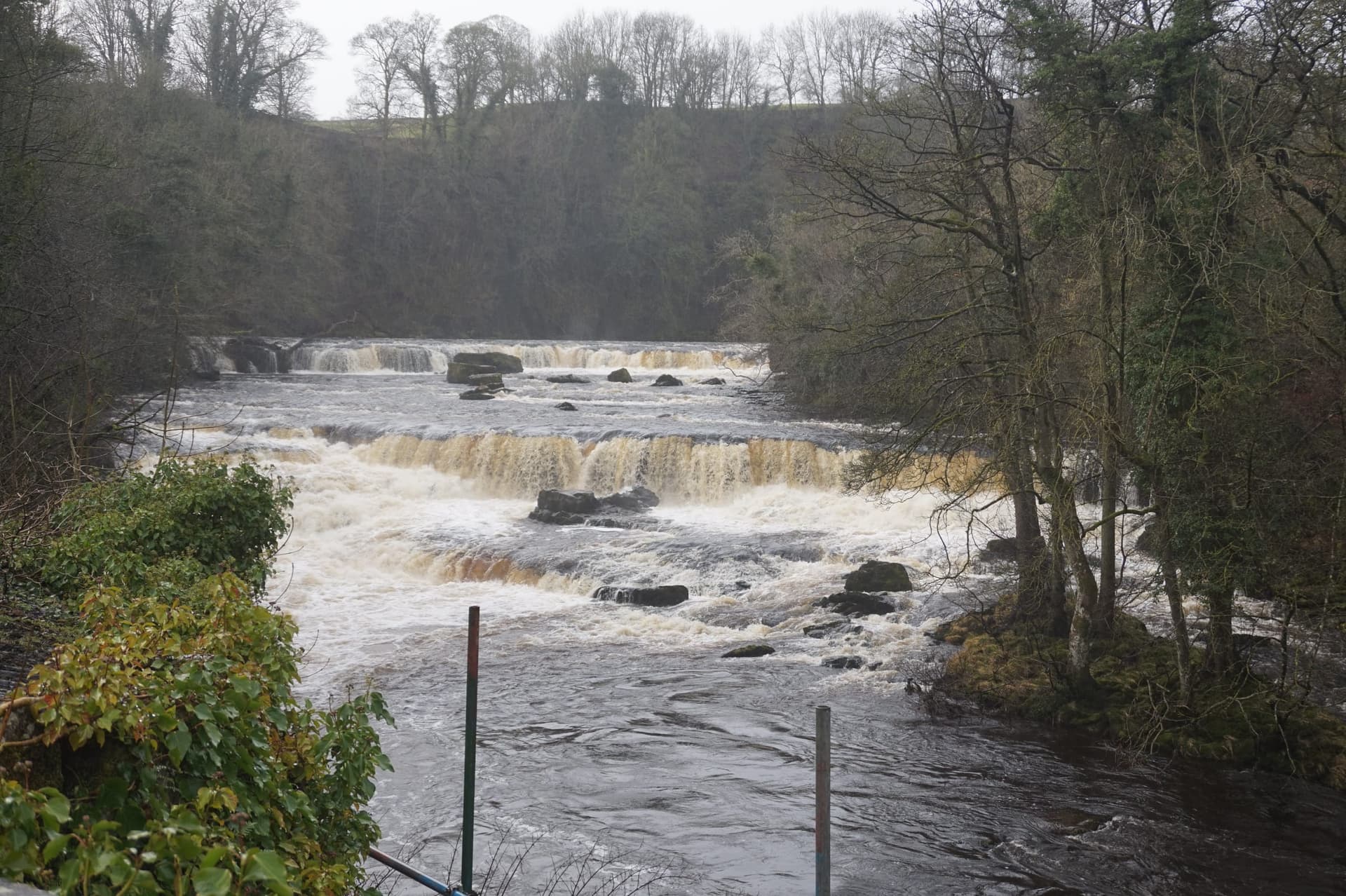
Large Yorkshire river that changes character by section — upper Wensleydale fast and rocky, middle river broadening into longer pools where dry fly shines. Strong trout and grayling identity throughout. March Brown hatches in spring are particularly good here. More beat-driven than the Wharfe; Swinton Estate offers premium single-bank miles. The Ure teaches adaptability — be ready to switch from spiders in fast water to dry fly in pools to nymph in the deeper glides.
The old name for the Ure was the Yore, and the dale it carved still half-remembers it — Wensleydale was Yoredale before a single village lent the valley its modern name, the only one of the great Dales not called after its river. It rises high on Abbotside Common where the Pennine watershed sheds rain toward two seas, and from the first it is a limestone river, running over the stepped benches of the Yoredale rock — that patient layer-cake of limestone, sandstone and shale that gives Wensleydale its terraced fells and its waterfalls. The ice did the rest, grinding the valley broad and flat-floored, so the Ure threads a wide glacial trough rather than a cut gorge. Above Hawes it is small and quick, pocket water over clean stone. At Bainbridge the Bain comes in off Semer Water, and at Aysgarth the river falls down a triple flight of limestone steps — a natural barrier that splits the river's character in two. Below the falls it broadens and slows into long gravel glides and deep limestone-floored pools, the alkaline water growing good fly and famously strong grayling. By Masham and Ripon it is an estate river, deliberate and wide, before it gives up the name Yore entirely and becomes the Ouse below Boroughbridge.
Wading: Slick limestone bedrock and pavement ledges; the river lifts and colours quickly after Pennine rain, then drops and clears
- Limestone
- Mixed
- Limestone pocket water (upper)
- Broad gravel glides and pools (middle)