Tailwater · Mixed · Castilla y León / Salamanca (below Santa Teresa reservoir), ES

Río Tormes (Santa Teresa trout beats — Salamanca)

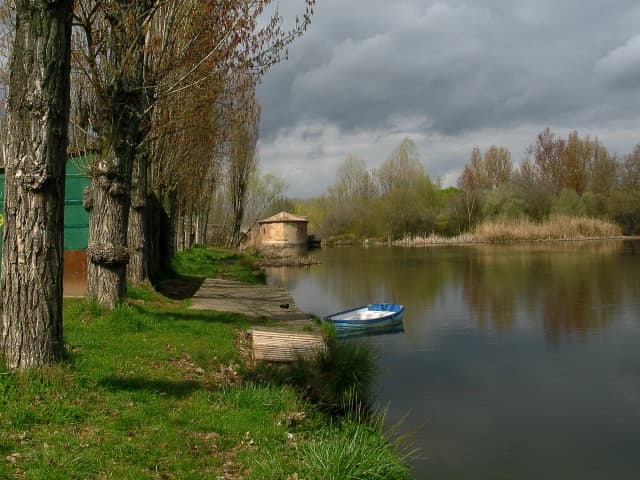
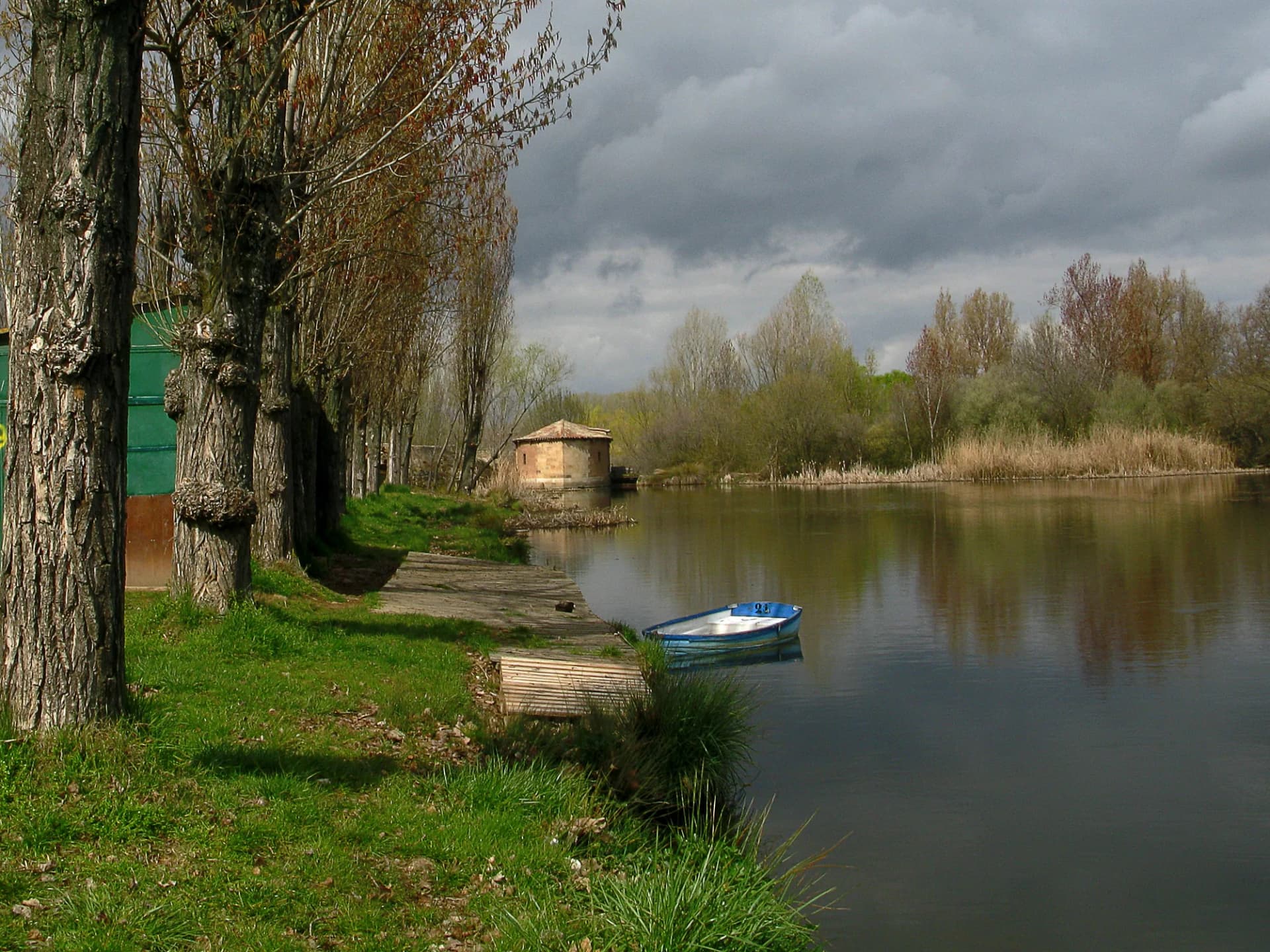
Río Tormes (Santa Teresa trout beats — Salamanca) — Aceña del Arrabal

The stretch below the Santa Teresa reservoir is where the modern Tormes reputation lives.

Today · A proper day on the water
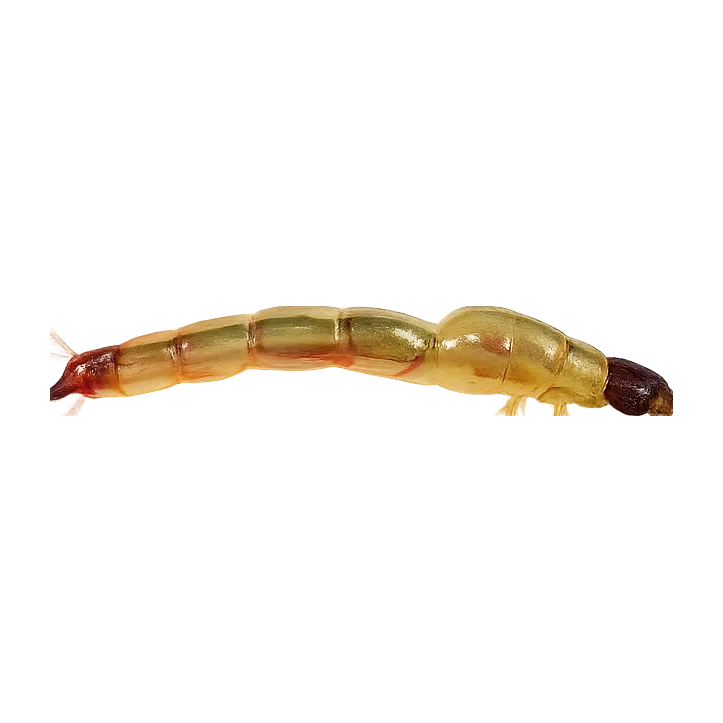
Czech Nymph
Forecast · Today
A proper day on the water
A proper day for it. Work the seams with an upstream nymph, switch to the dry when they show.
75% projected
Today's fly
Czech Nymph
Czech Nymph
Conditions on the water · Today
Live gauge
Level
Falling
0.98 m
Dropping after lift
Water temp10.3°C
ClarityClearing
Weather11°C
WindN 28 km/h
Pressure1021 hPa
Rain · recent6.9 mm
Rain · ahead0.2 mm

The nearest gauge doesn't record temperatures, so we've estimated it — defer to the river keeper's advice.

Water temperature for Barbel
Cool — slow
10°C est.ideal 16–24°C
0°14°28°

We have not characterised this dam's release, so this is a general cold-release figure and could be several degrees out in either direction. Treat it as a hint, not a reading, and check locally before you fish.

How to fish it · for Barbel
When
Summer through autumn — barbel feed in warmer water than trout enjoy. June through September is prime; fish move to deeper runs in midsummer heat.
Where
Slower deeper runs and the cushion behind boulders. Barbel hold below the trout water in summer warm; the lower Santa Teresa beats hold them reliably.
Method
Weighted nymphs upstream — Spanish-style heavy nymphing through the deeper runs. San Juan worm patterns and large weighted caddis pupa take well; strike on the slightest pause.
Kit
10 ft #4 nymphing rod with a heavy weighted point fly; 5 to 6 lb fluoro tippet. Studded boots — barbel water runs deeper and slicker than the trout reaches.
Why this works
Fair — water clarity is working for you, but water temperature is the limiting factor today.
Likely species
Hatch timeline · todayPeak at 12pm

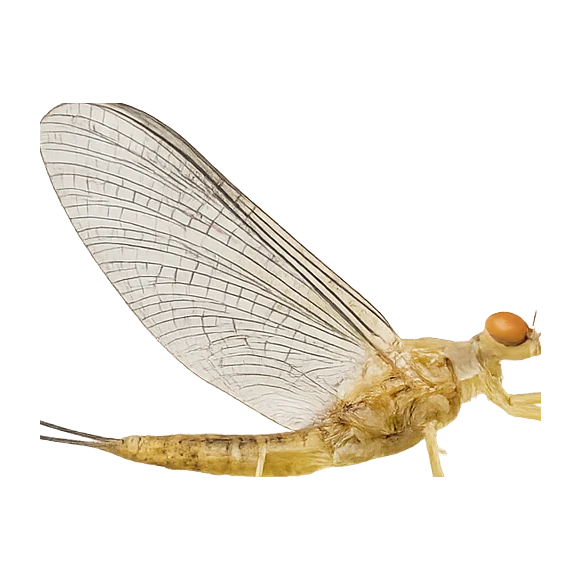
12pm(now) — Autumn Olive

Stage: On emergersApproach: Emerger or dryActivity: 49%
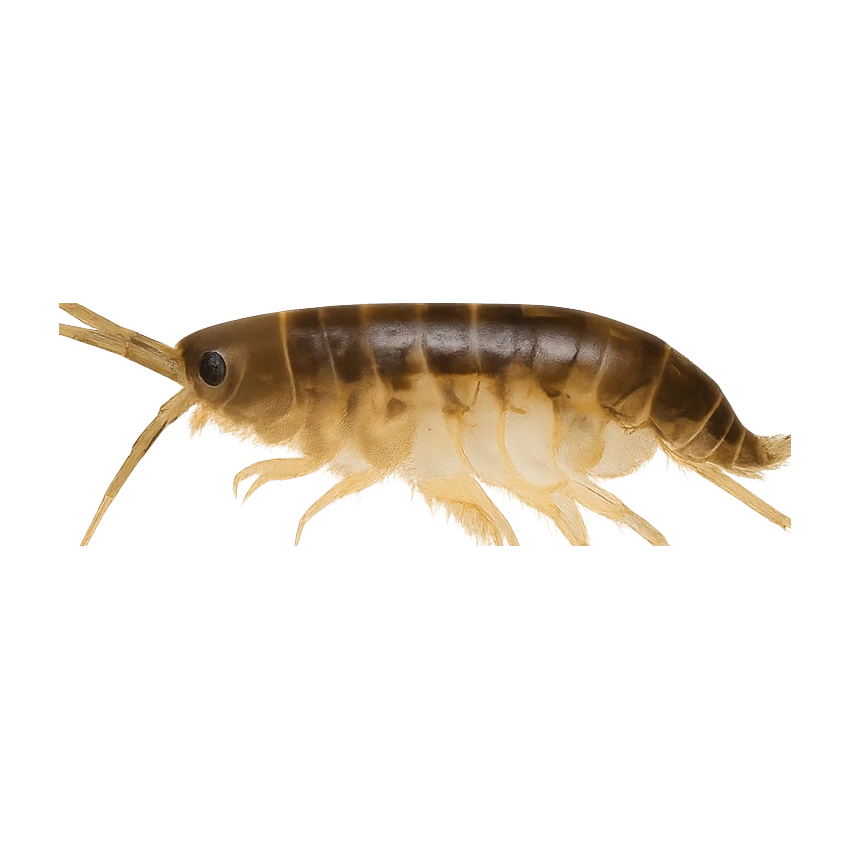
Also:Black Midge38%
Peak emergence windowWeather boost5 food groups active

Peak activity at 12pm — Autumn Olive (Autumn Olive, Peak emergence window)

Sub-surface · on the nymphunder the surface

Hatch predictions

Top nymph shown — see all 4 guilds as a supporter.

Start free trial

14-day free trial. Cancel anytime.

Beyond the hatch · worth watchingambient prey(1)

Hatch predictions

Top prey shown — see all 2 as a supporter.

Start free trial

14-day free trial. Cancel anytime.

Evidence
Survey-backed · regionalHigh confidence

Backed by regional invertebrate surveys; no sampling on this exact reach yet.

Through the year
0–3 scale · November highlighted
J
F
M
A
M
J
J
A
S
O
N
D
Black MidgeHatch
2
3
3
3
3
3
3
3
3
3
3
2
Freshwater ShrimpHatch
2
3
3
3
3
3
3
3
3
3
3
2
Summer River MidgeHatch
2
3
3
3
2
Large Dark OliveHatch
1
2
2
1

Numbers are intensity 0 (none) to 3 (peak) — a guide, not a guarantee.

Ranked for today
Barbel fly box

Cooling water through September–November drives barbel into deeper, steadier runs and the slower glides below gravel riffles. Feeding activity remains high as fish build reserves before winter. Larger nymph profiles and crayfish patterns work better in autumn than the small-nymph summer approach. Cover more water — barbel move more actively in autumn, patrolling runs rather than sitting static. After heavy rain the Squirmy Worm and San Juan Worm become the standout options as invertebrates drift in coloured water.

SC
Small Crayfish
Hook 6–10 · Fly
Barbel are significant predators of signal crayfish (Pacifastacus leniusculus) in English rivers, and invasive crayfish are present across much of Europe.
Permits & access
Permit required — see local rules.
  • Castilla y León fishing licence required
  • Four cotos on the Tormes in Salamanca province, all under mixed or catch-and-release regimes
  • The Junta says most of these sections require C&R for trout
  • Free-access stretches are generally sin muerte with a valid licence
  • Check the annual Castilla y León tramo map and order before travelling — detail is section-specific.
What's coming
Plan ahead
5-day outlook
Gallery · 2
  1. Río Tormes (Santa Teresa trout beats — Salamanca) — Aceña del Arrabal
    Aceña del Arrabal
  2. Terrain map of the venue
    Terrain map
About this water

The Junta de Castilla y León describes this as one of the best trout-water sections in Salamanca province — water where trucha común lives and reproduces, not just stocked put-and-take. The managed beats are El Chorrón, Tormes, Galisancho, Tormes I, and Alba de Tormes — collectively covering over 27 km of access-improved river. Below these trout beats, the Villagonzalo II coto holds Spain's only legal hucho fishery (see separate entry). This is a bigger, more fertile, regulated river than the upper Tormes — think tailwater character with steady flows, depth changes, and fish that respond to methodical, structure-oriented fishing rather than romantic dry-fly covering of pretty pocket water.

  • Mixed
The full read · show the working · for Barbel · confidence 65%
Fair · river comfort — temperature and flow led
Water temperatureWater temp 10.3°C — outside the comfort band.
FlowStable flow — fishable but not the prime trigger.
LightOvercast — less favourable for bright-sun species.
SeasonIn-season but not prime.
Water clarityWater clarity clear — read accordingly for barbel.
Can you trust it?
Water temperatureair-to-water estimateestimated
Level / flowon-river gaugeobserved
What would change the calculation
Water nearer the species’ warm comfort band would lift the temperature score.
Seasons & zones
  • Barbel 1 January → 31 December

    Barbel is fishable year-round in Castilla y León's aguas libres, but a mandatory catch-and-release (zero-kill) window applies 1 May–15 July each year to protect spawning — anglers must release all barbel caught in that period (Orden MAV/1506/2025). This is a harvest rule, not a closure, so the season stays open throughout the year.

Related guides
Booking & contacts
At a glance

Río Tormes (Santa Teresa trout beats — Salamanca) is a tailwater river (flow regulated by a dam) in Castilla y León / Salamanca (below Santa Teresa reservoir), Spain. It sits at about 879 m above sea level. Our data lists brown trout and barbel here. The barbel season is recorded as running from 1 January to 31 December. Best window recorded for anglers: April–July (trout); September–October (extended on some tramos). Best trout fishing May–June. Core methods listed: Euro nymph / tight-line nymphing; Indicator nymphing (broader glides); Upstream dry fly (when hatching). Level and flow data for this water is linked from 1 gauge. Nearby waters in our listings include Embalse de Santa Teresa at 8.0 km, Río Tormes — Villagonzalo II (Hucho) at 18 km and Reservoirs near Salamanca / lower Tormes at 20 km.