
 Mayflies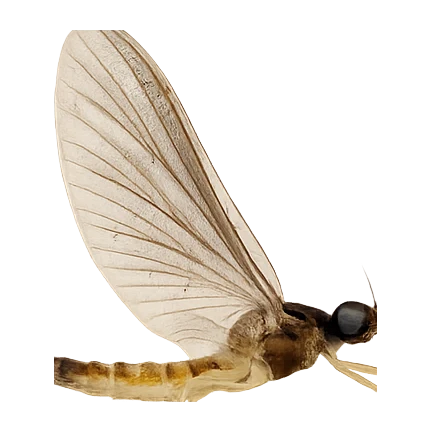
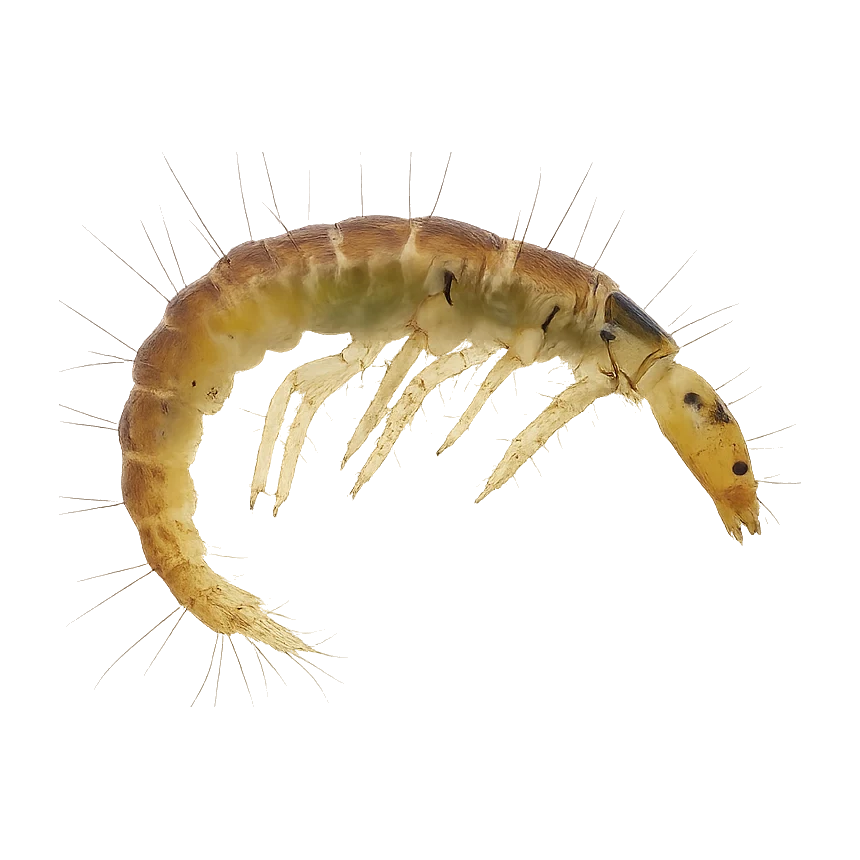
 Caddisflies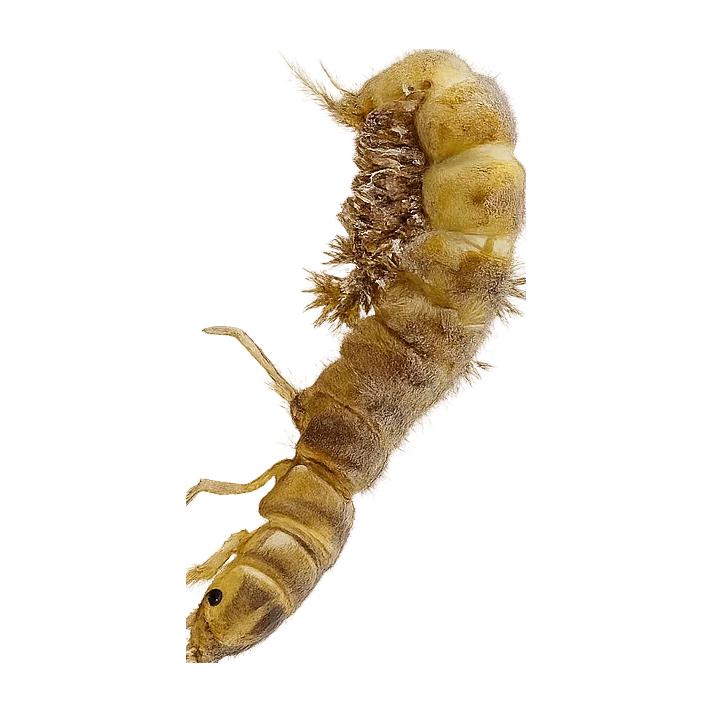
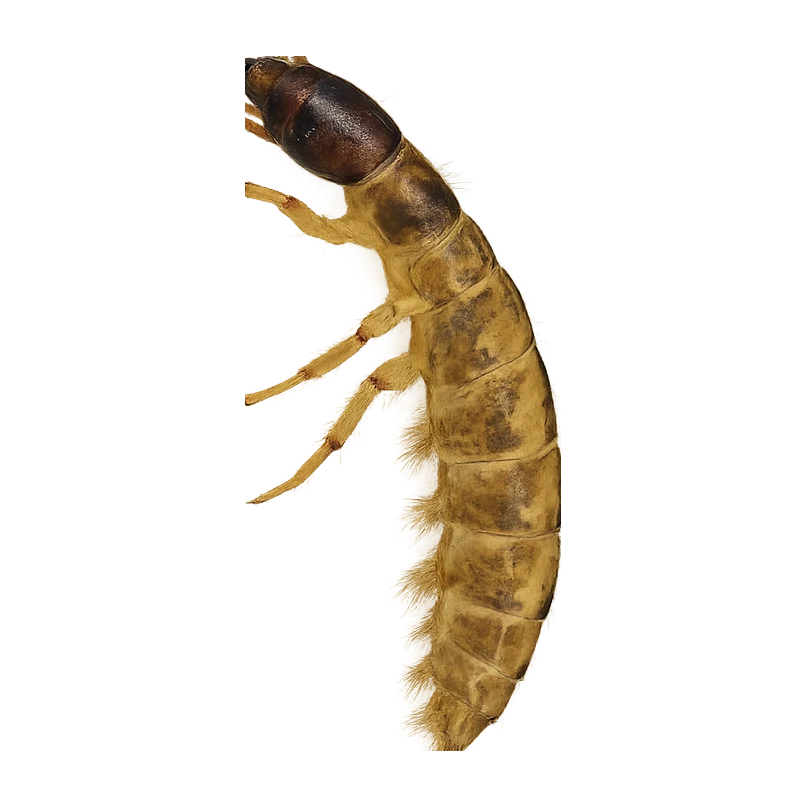
 Gammarids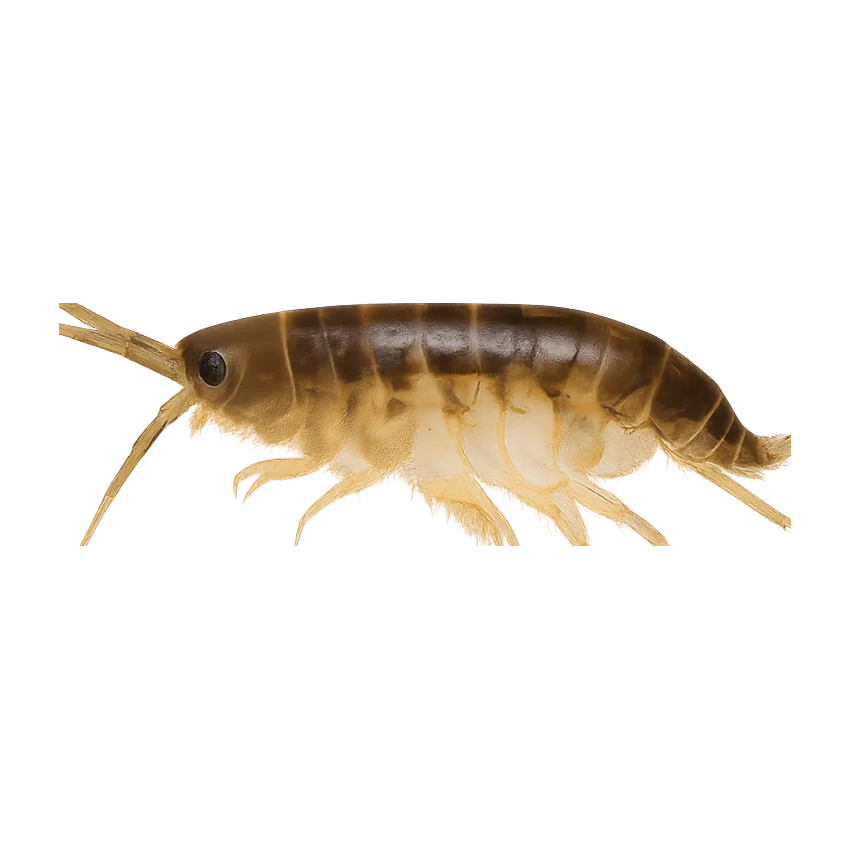
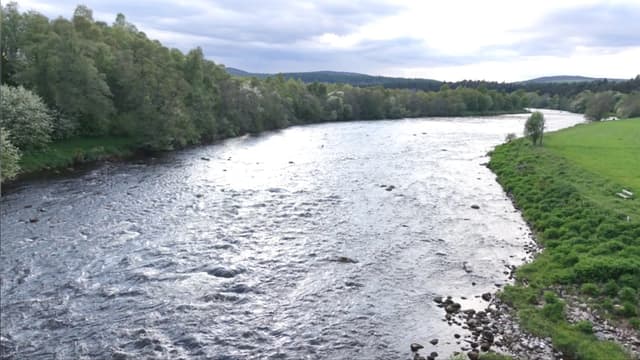
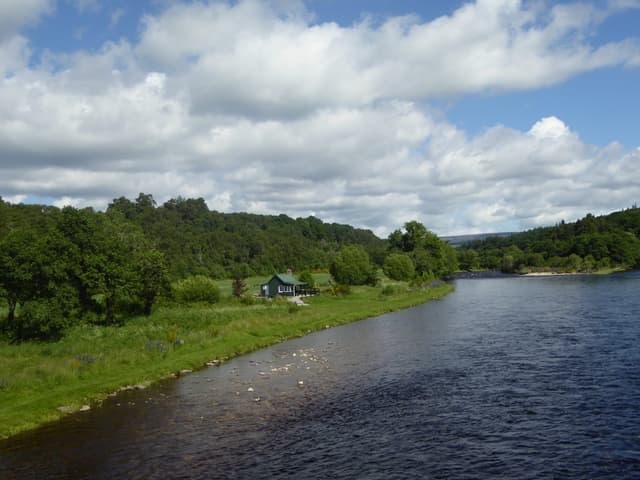
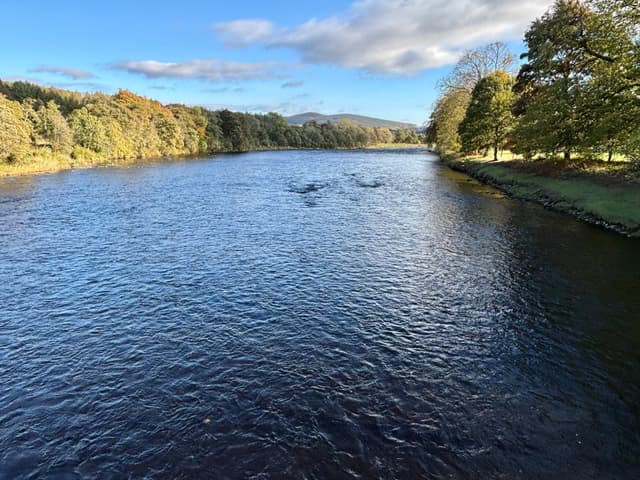
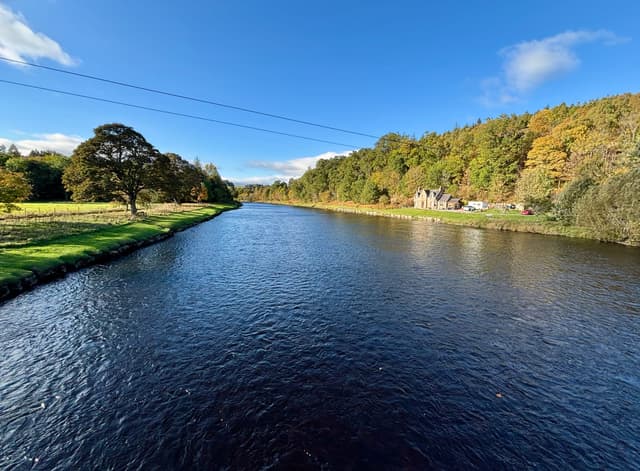
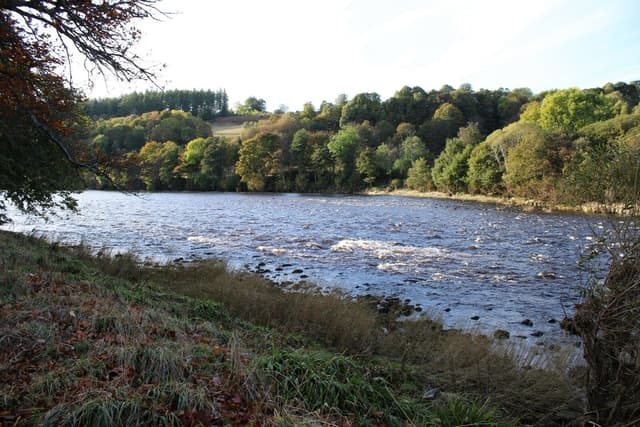
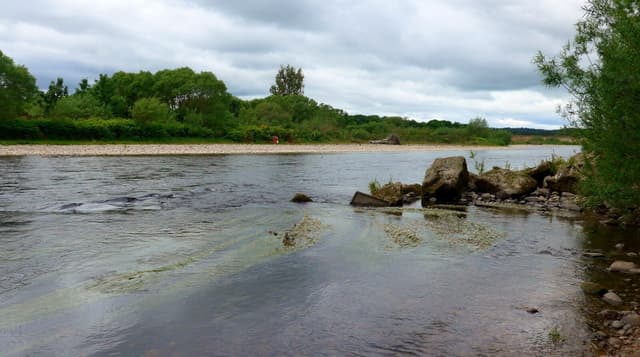
The Spey is the salmon river against which all others are measured — the birthplace of Spey casting and a granite spate system that teaches you to read big water. Atlantic salmon populations are Category 3 (declining under Scottish Government classification), so every fish returned matters. The season opens 11 February, but real fishing begins in April when water temperatures climb above 6°C; February and March are cold and spate-prone — a period for learning the river rather than expecting takes. Spring salmon peak April–May. Summer brings grilse from July onwards, with evening and early-morning sessions becoming critical once water warms above 16°C. Autumn fishing peaks in September; the rod season closes on the 30th, though fresh fish keep running into October. Fish the Spey on the drop after spring rain, when fish have settled into lies. Upstream beats first, through the head and middle of the pool on a sinking line with a tube fly (size 1–1.5 inch, black/orange combination), working the far bank and the deep channel. The lower reaches hold sea trout from July onwards; Spey casting is standard on this big water — distance and control are essential in frequent wind. Mandatory catch-and-release applies.
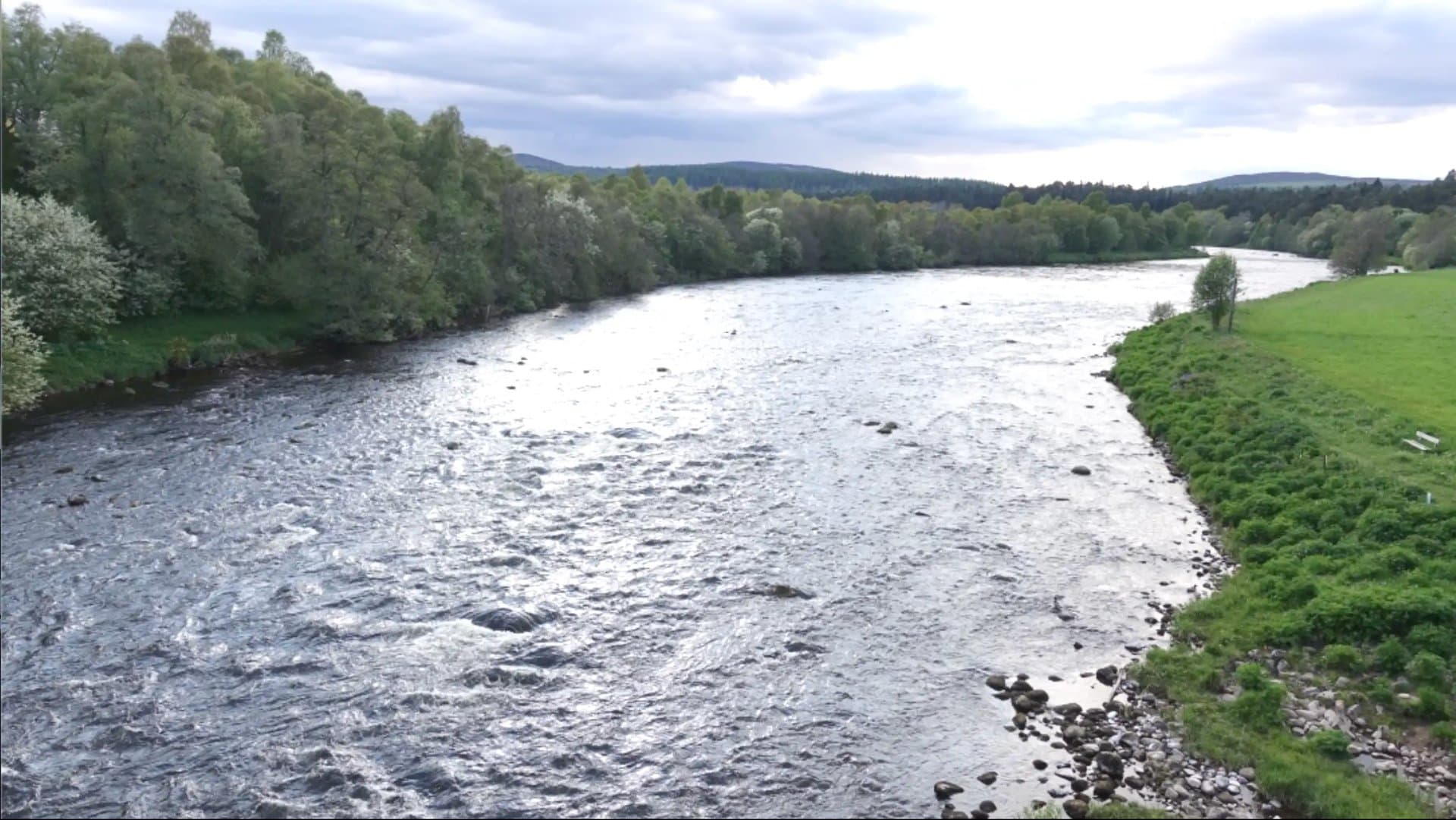
The Spey descends with urgency. From the Cairngorms it falls steeply — 200 metres in just 76 kilometres — giving the river its reputation as the fastest large water in Scotland. You feel the mountain character throughout: granite cobble, high bedload, bars that shift in the current, and the sense of a river that is always moving downstream with intent. Above Grantown the river meanders through moorland on a gentler slope. Below, it quickens and the character transforms. The Feshie alluvial fan marks a natural boundary where channels can shift position in hours and the wading becomes serious business. The lower beats demand respect — velocity, bar-edge drop-offs, and gravel that moves underfoot. Watch for the granite cobble, clear water, and the legacy of the last glacier in every bend.
Wading: Velocity and mobile gravel underfoot on lower beats
- Granite
- Partly confined
- Wandering gravel bed
- Pool riffle