
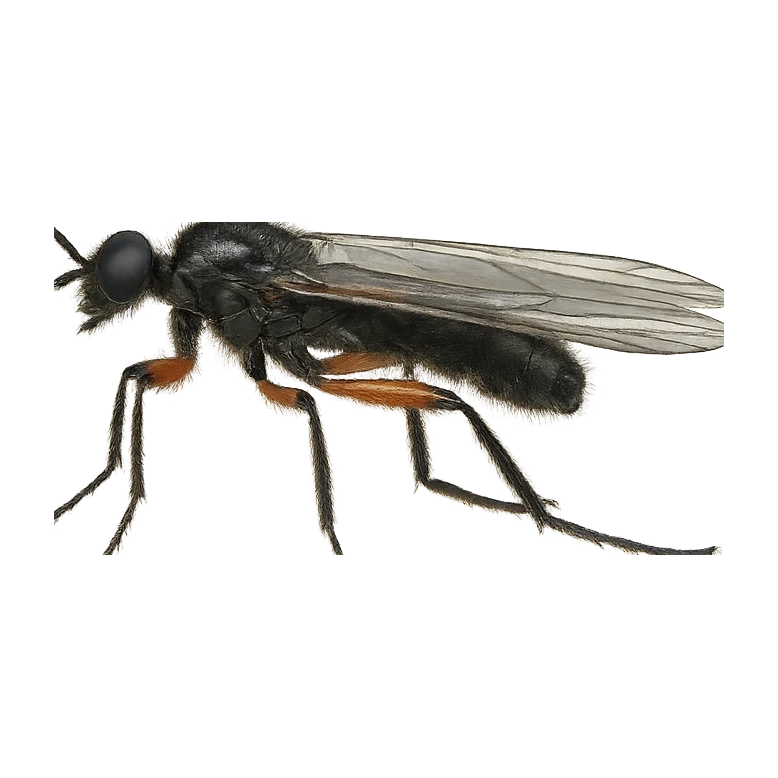
 Mayflies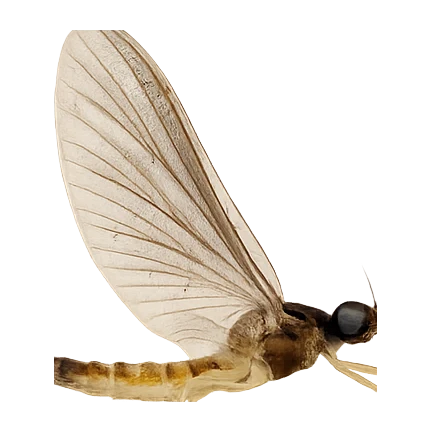
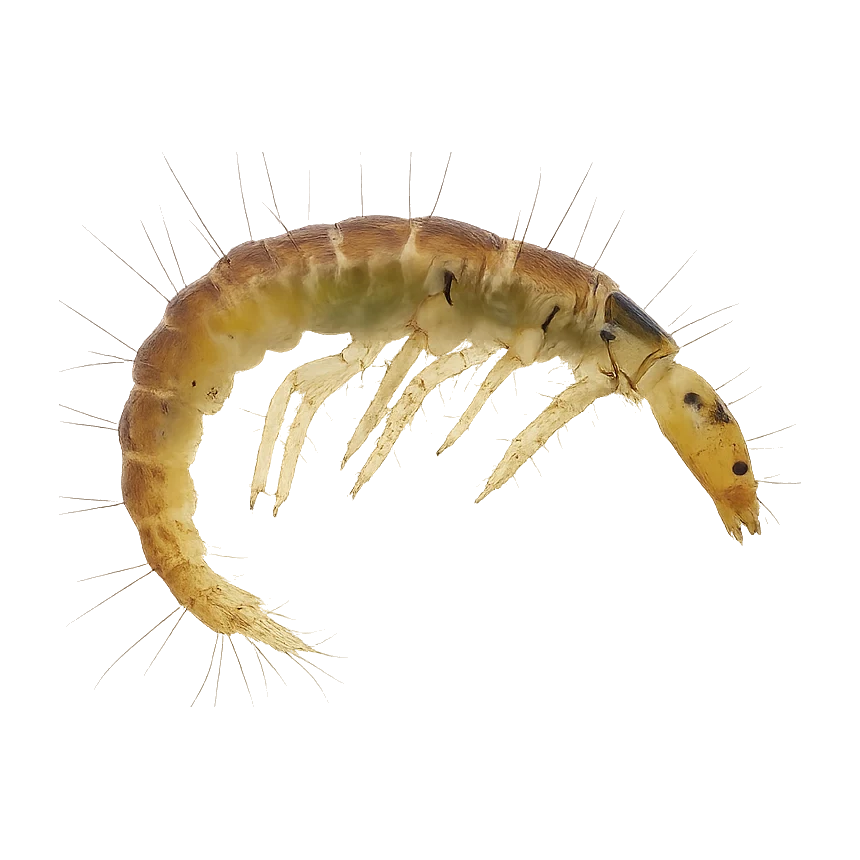
 Caddisflies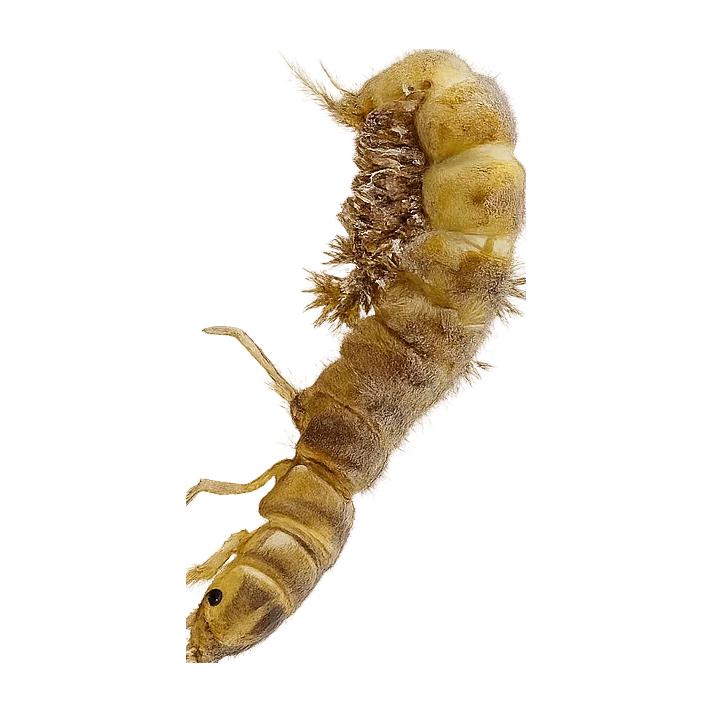
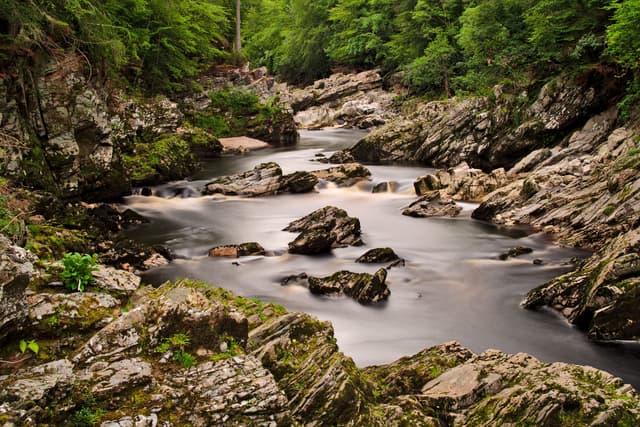
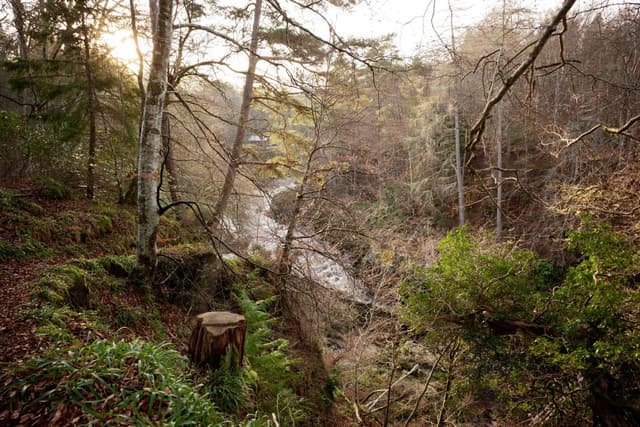
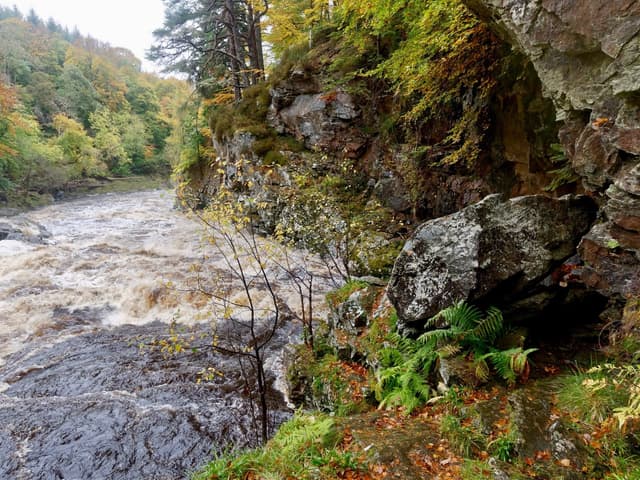
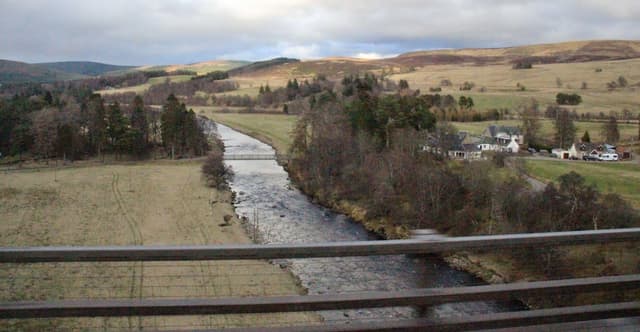
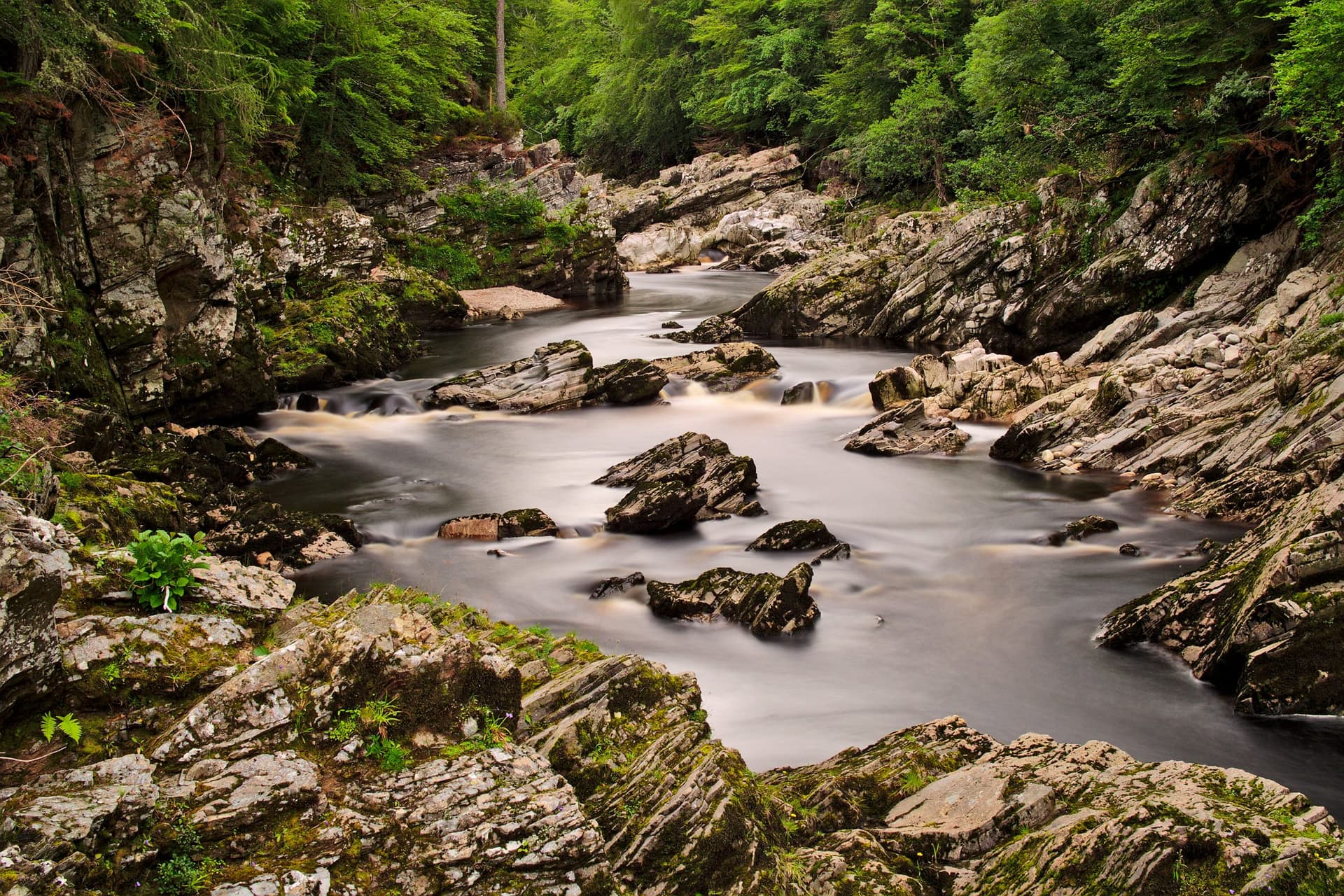
Wild spate river cutting through the Findhorn gorge — a Category 3 declining system that demands respect and conservation-focused fishing. Responsive to rain in 5 hours and dramatically variable between sessions, the Findhorn's productivity depends on careful stewardship. All salmon should be released unharmed; check beat-specific rules for C&R windows. Good summer salmon from June onwards and excellent sea trout in the lower river. Fish the gorge pools on the drop after heavy rain with smaller doubles (size 8–10); as water clears, move upstream to the shallower broken ground and reduce fly size further. Timing is everything on spate rivers — the Findhorn will reward patience and planning to hit the perfect water window. Granite-based upland geology shapes this river.
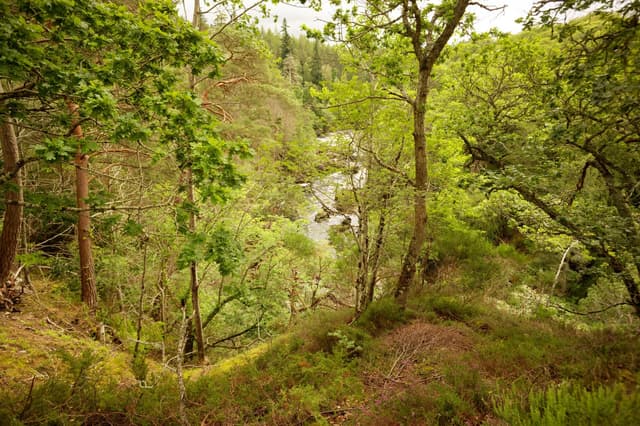
The Findhorn emerges from moorland beauty: roughly 100 kilometres from the Coignafearn Forest headwaters in the Monadhliath mountains, running northeast through mixed geology toward the Moray Firth. The river is a spate character — responsive to rainfall with a brief peak and a quick return to base. The upper reaches are confined step-pool and cascade, the lower reaches open to pool-riffle sequences on well-sorted cobble and gravel. Below the Randolph's Leap gorge — a dramatic chasm where the entire river is forced through a narrow slot in old red sandstone, creating a natural bottleneck — the river changes personality. The gorge marks a transition point: above it, wild mountain water; below it, the river settles into beaten paths and pools known to generations of fishers. The wading is secure on the lower beats once you learn the cobble, but the upper gorges demand respect for gradient and flow.
Wading: Algal filmed bedrock inside the Streens gorge
- Granite
- Mixed
- Step pool
- Bedrock