
 Stoneflies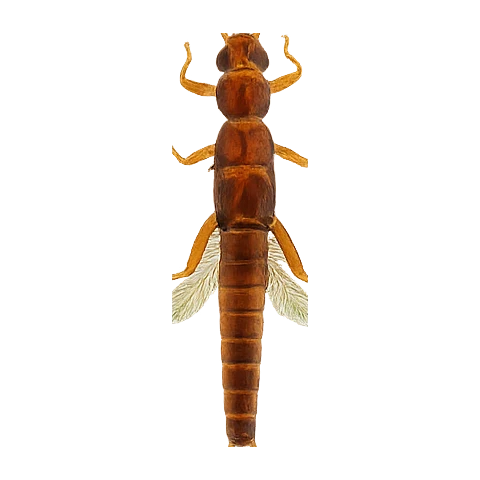
 Caddisflies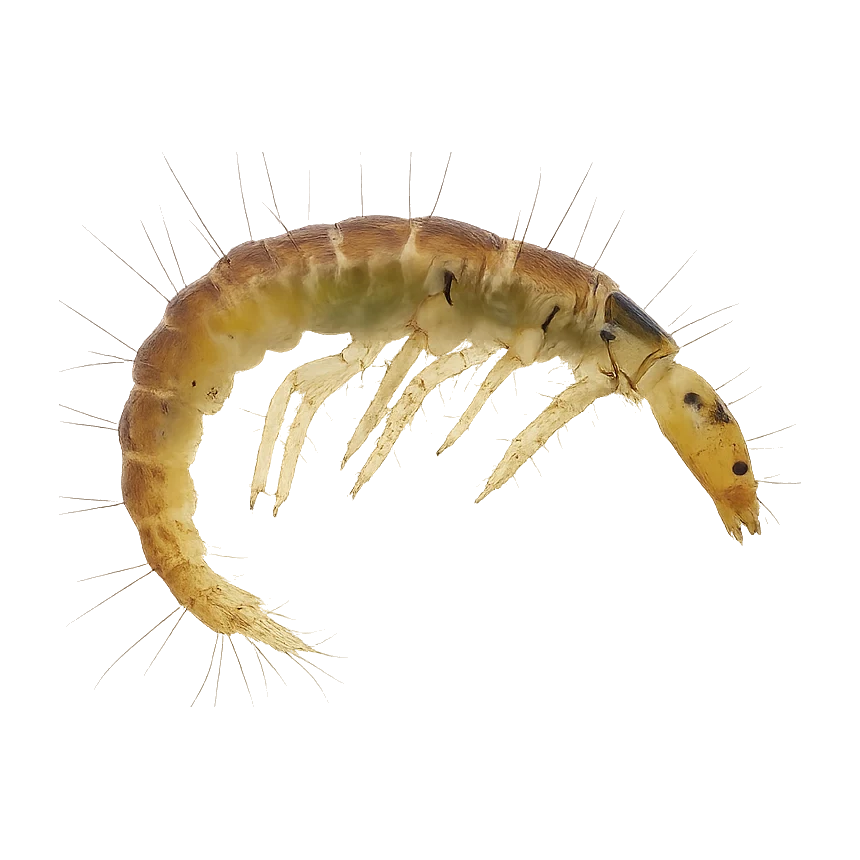
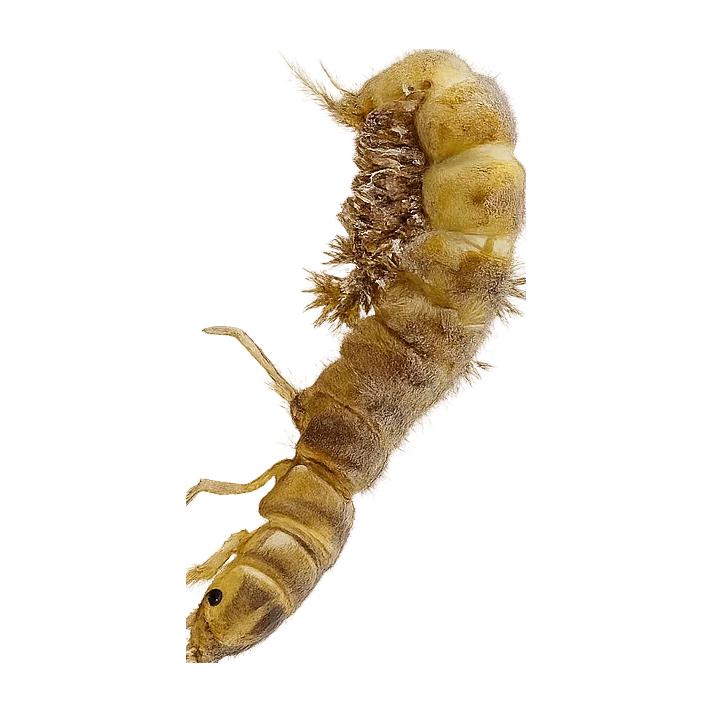
 Damselflies & dragonflies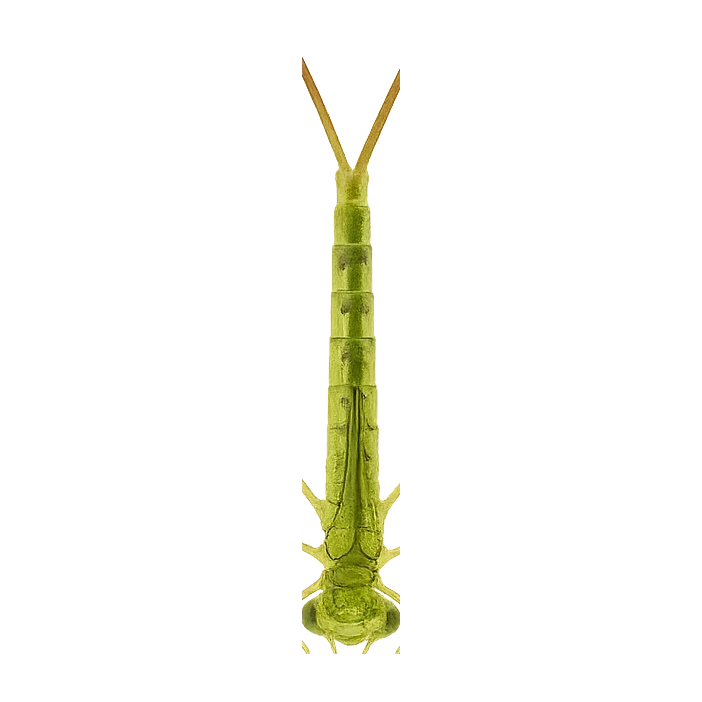
 Gammarids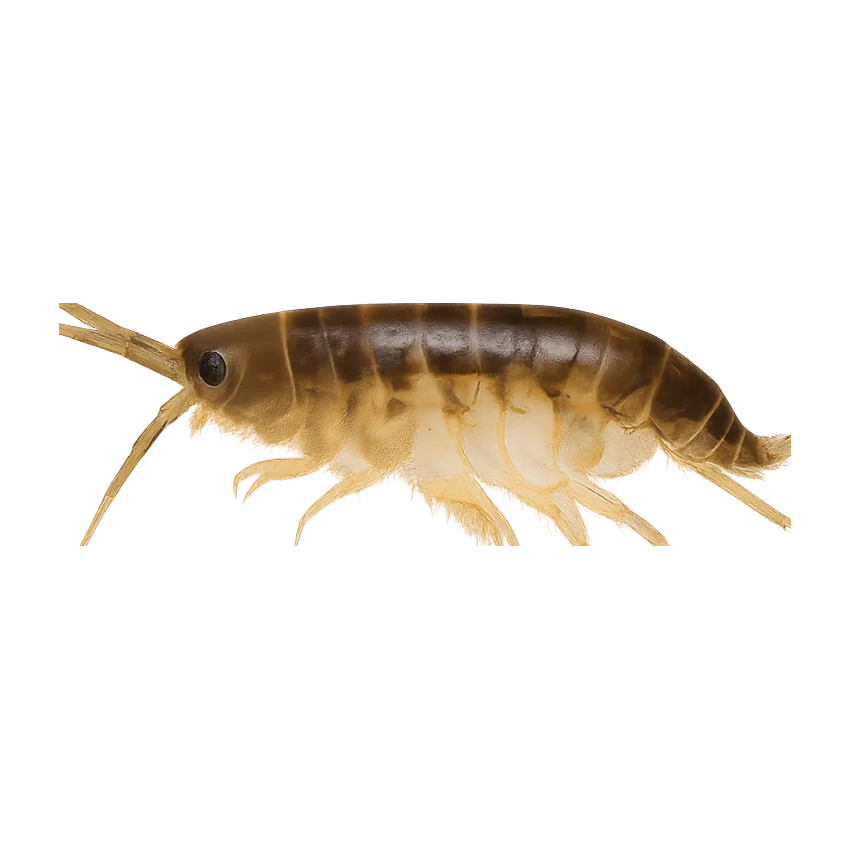

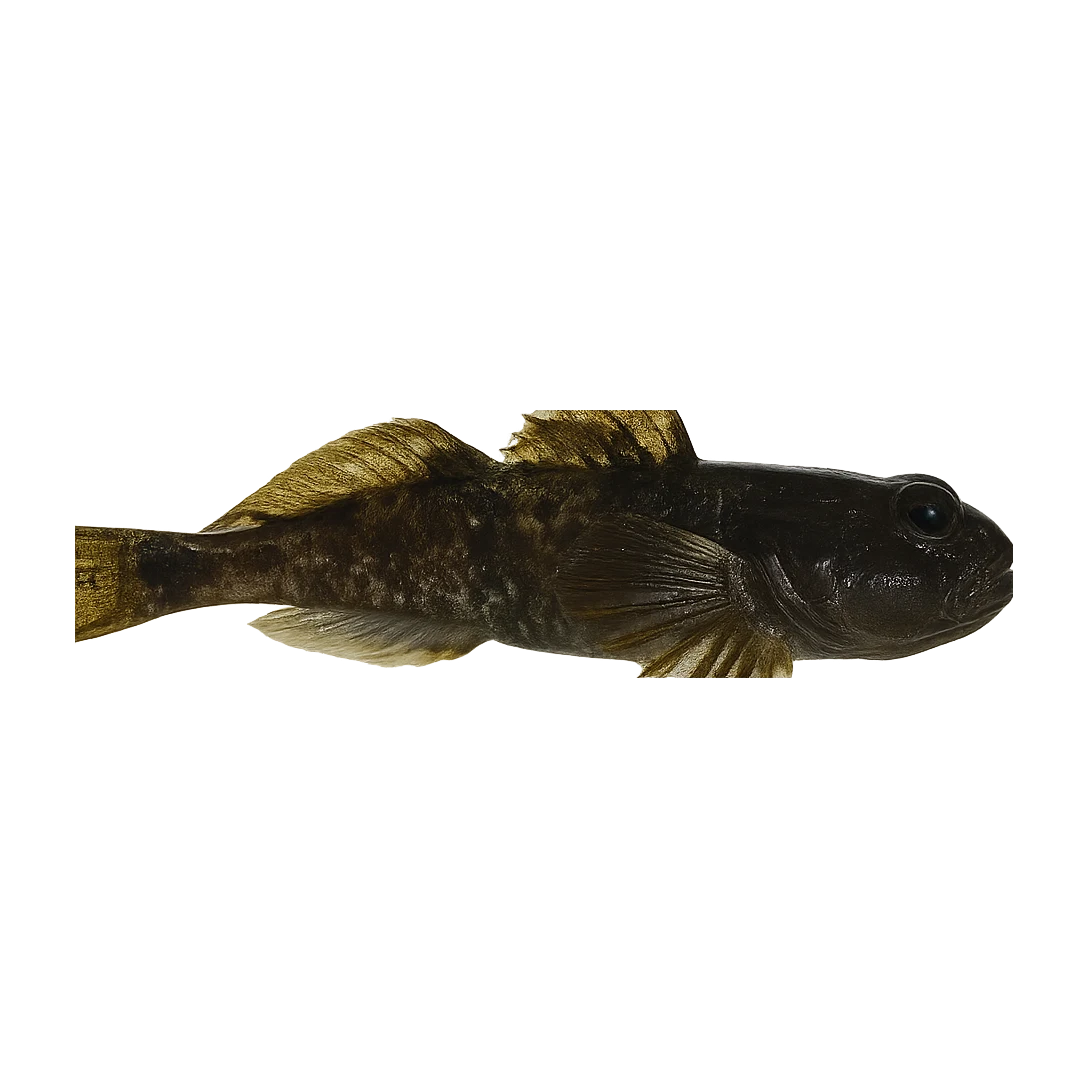
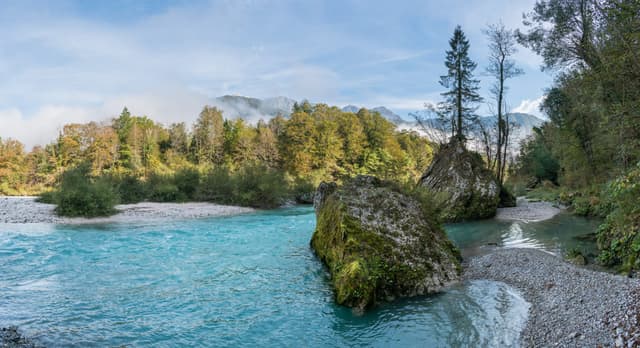
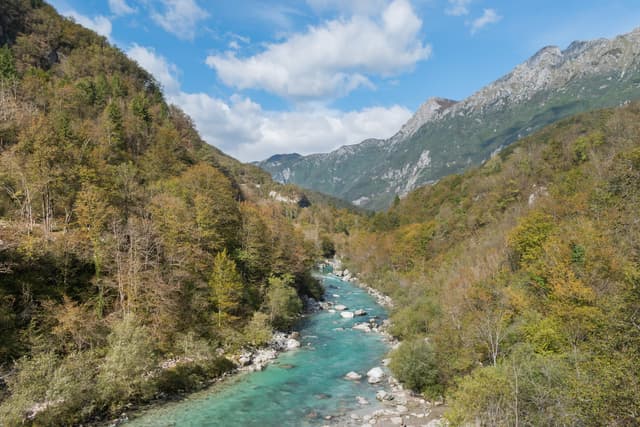
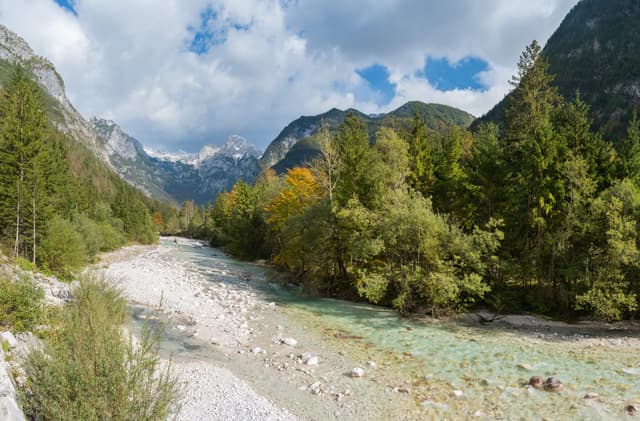
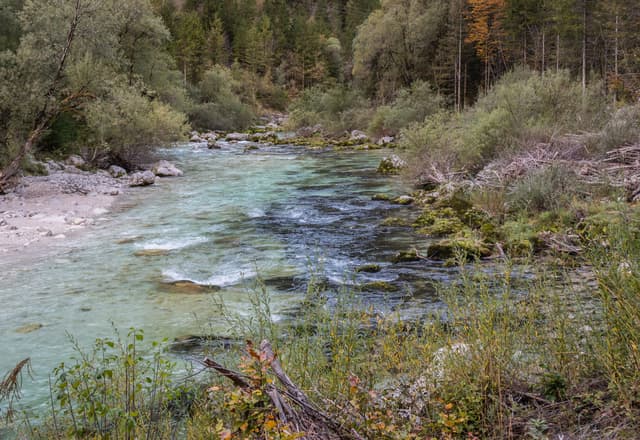
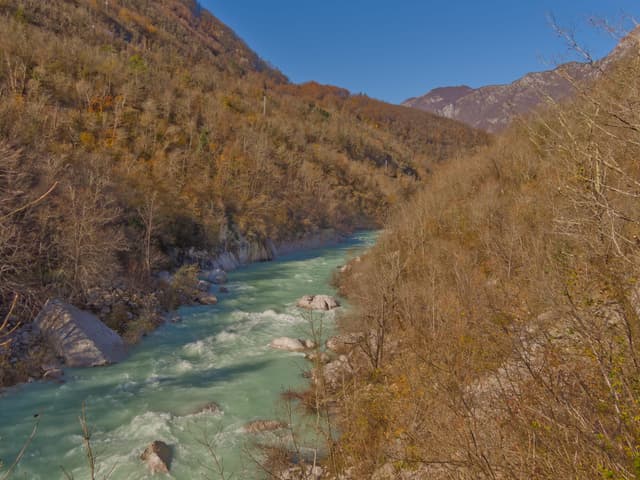
The Soča is one of those rivers that reminds you why you wade in the first place. The water is so clear you see every stone, every weed stem, every marble-coloured trout hanging in the flow like it has been there since the Julian Alps rose up beside it. They are particular fish — they will study your fly the way an old craftsman studies a piece of work he has never quite trusted — and that study is the whole point. When the spring olives come off (April, May, whenever they decide), you fish a sixteen or eighteen on 5x tippet. Outside the hatch, nymphs work better: small stoneflies, pheasant-tail, fished tight to the banks where they hide. The water rewards sight-fishing — spot the fish, think through your approach, cast two or three feet up and let it come down naturally. It is all catch-and-release, which is no hardship on a river this beautiful. September and October are best; July and August the water drops away to nothing, which is either a mercy or a curse depending on how much patience you have brought.
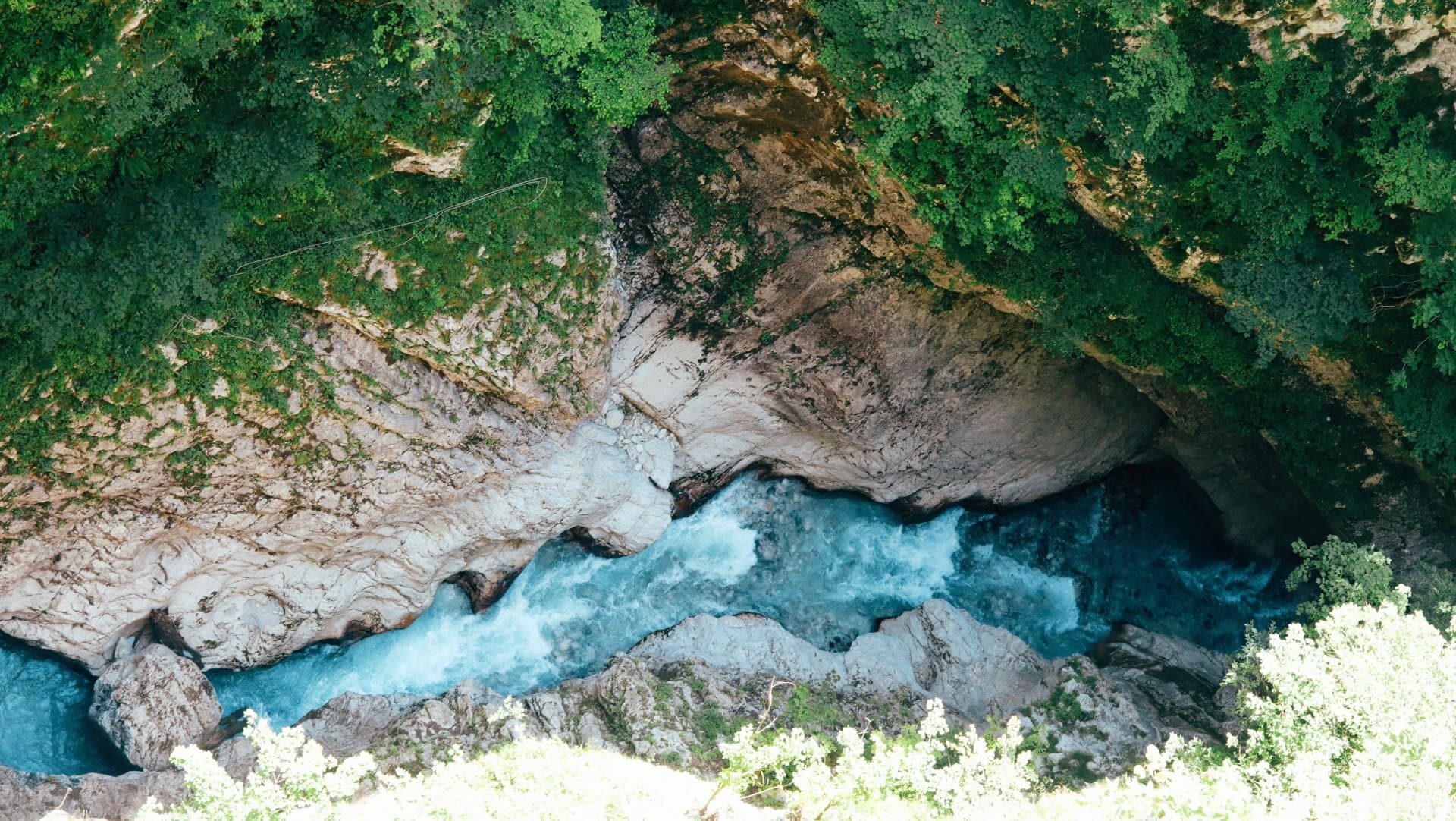
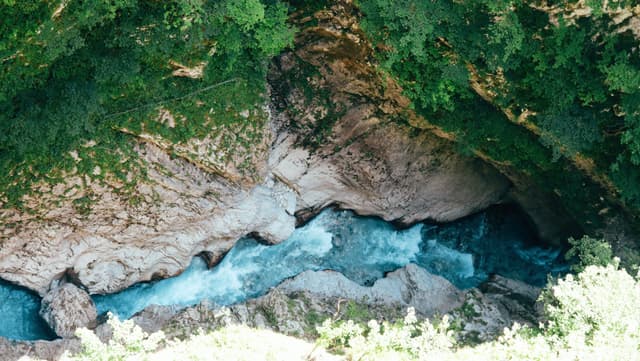
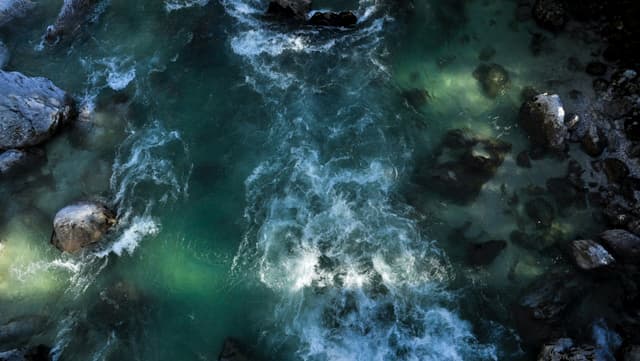
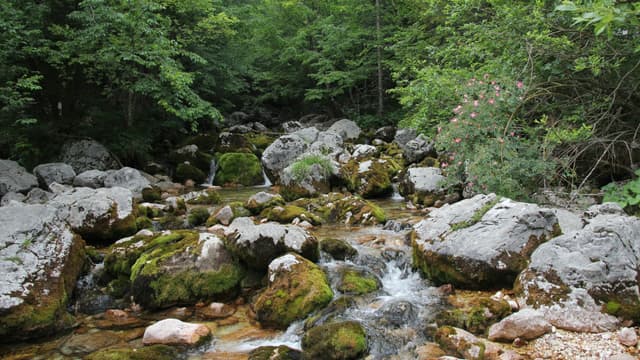
The Soča drops from 876 m to the Adriatic over 138 km, draining 3,400 km² of Julian Alps carbonate through one of the clearest alpine channels in Europe. The upper river is a confined bedrock-gorge sequence — Velika and Mala korita Soče, the Tolmin gorges — where the river has cut polished slots up to fifteen metres deep into massive limestone, with plunge pools at every joint. Below Bovec the valley opens into partly-confined pool-riffle on limestone and dolomite cobble, fed by karst resurgences that buffer baseflow and flush fines, giving the armoured bed its famous clarity. The signature emerald colour is a physical consequence: suspended carbonate rock-flour preferentially scatters blue-green wavelengths. Polished limestone bedrock shelves and sudden slot-depth steps in the gorge reaches are the main wading traps.
Wading: Polished limestone bedrock shelves and slot depth steps in the gorge reaches
- River
- Limestone
- Mixed
- Bedrock gorge
- Step pool