 Stoneflies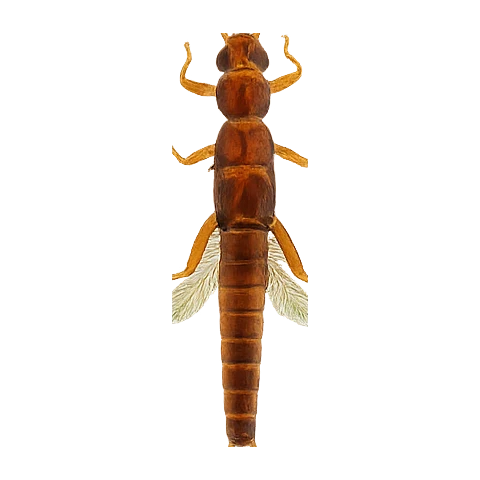
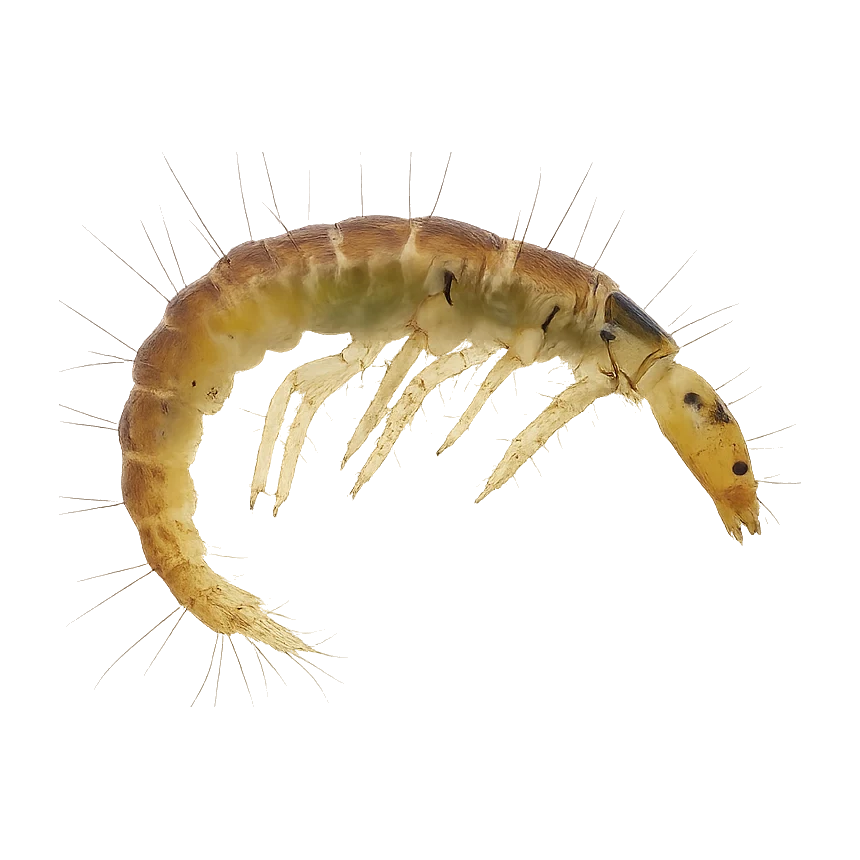
 Caddisflies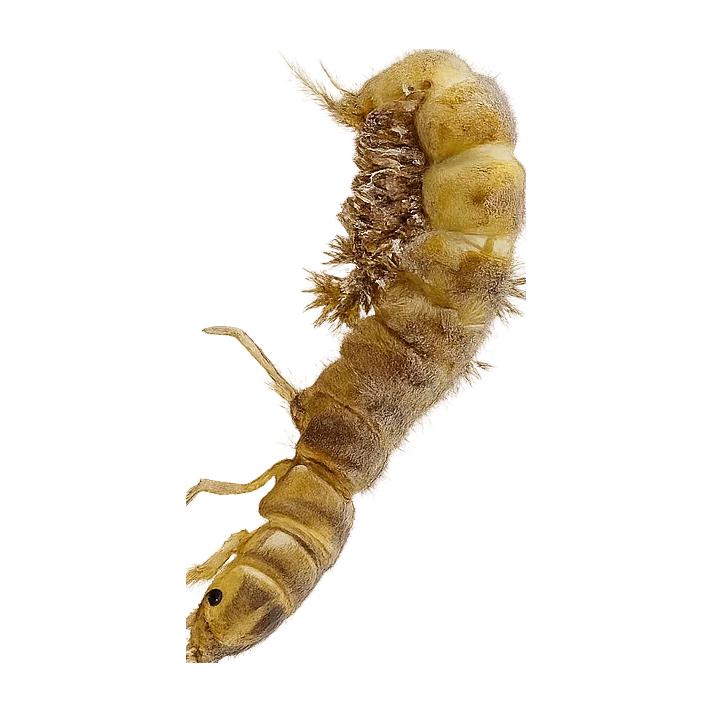
 Damselflies & dragonflies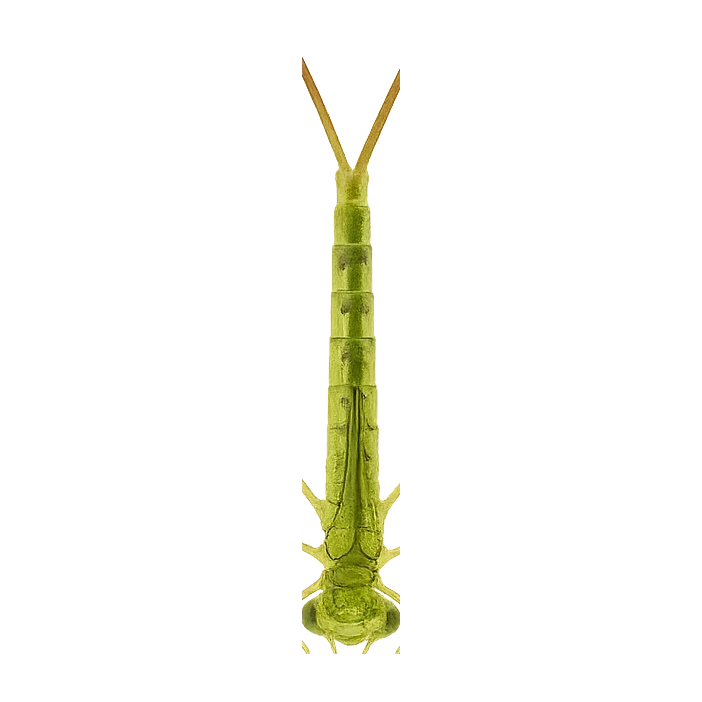
 Gammarids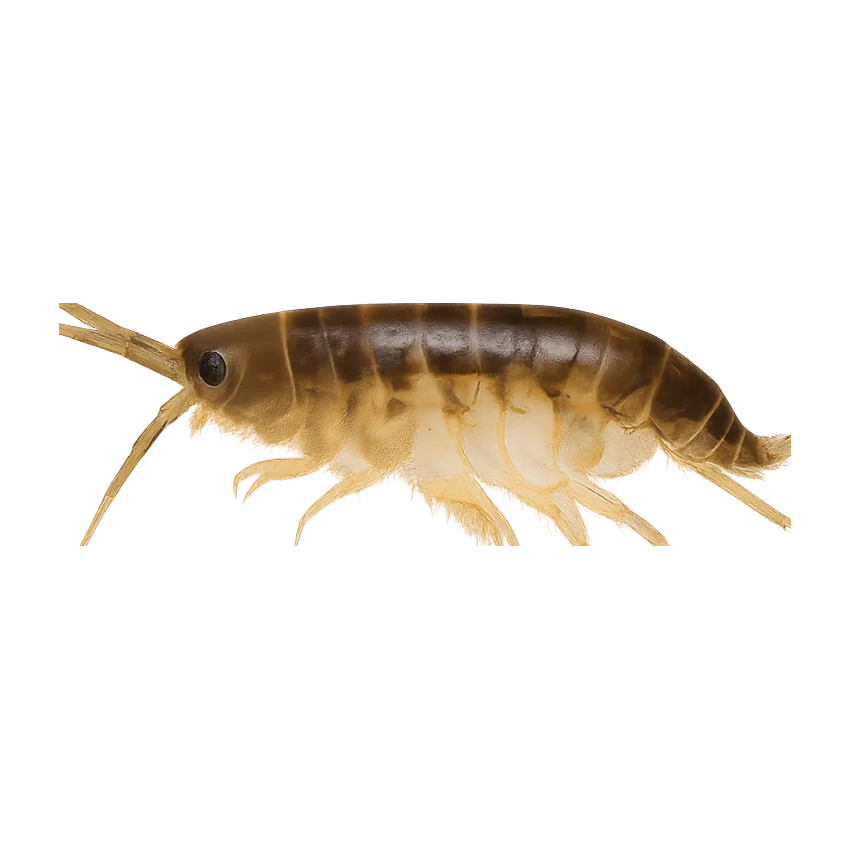


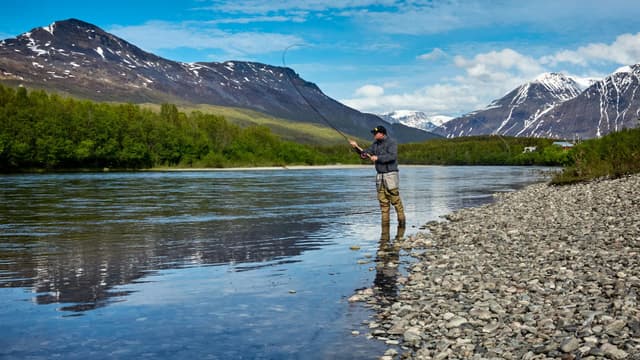
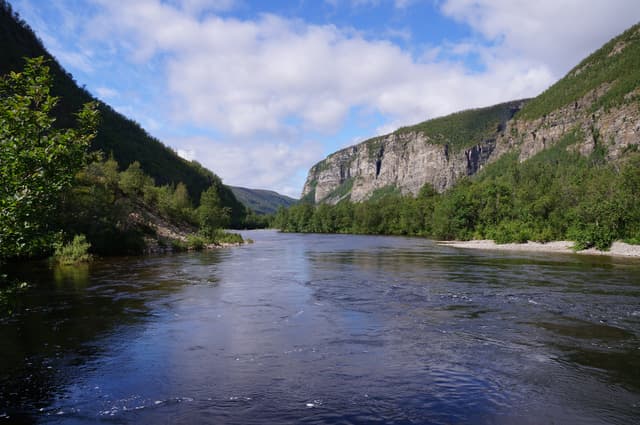
A large, remote northern salmon river with true wilderness character and a short, intense season. It rewards disciplined fly fishing, careful water reading, and planning around Arctic runoff and weather cycles. Granite-based upland geology shapes this river. Atlantic salmon are managed under national and river-specific regulations — daily and seasonal quotas, size limits and mid-season evaluations apply, and catch-and-release is widely practised; check current rules before fishing.
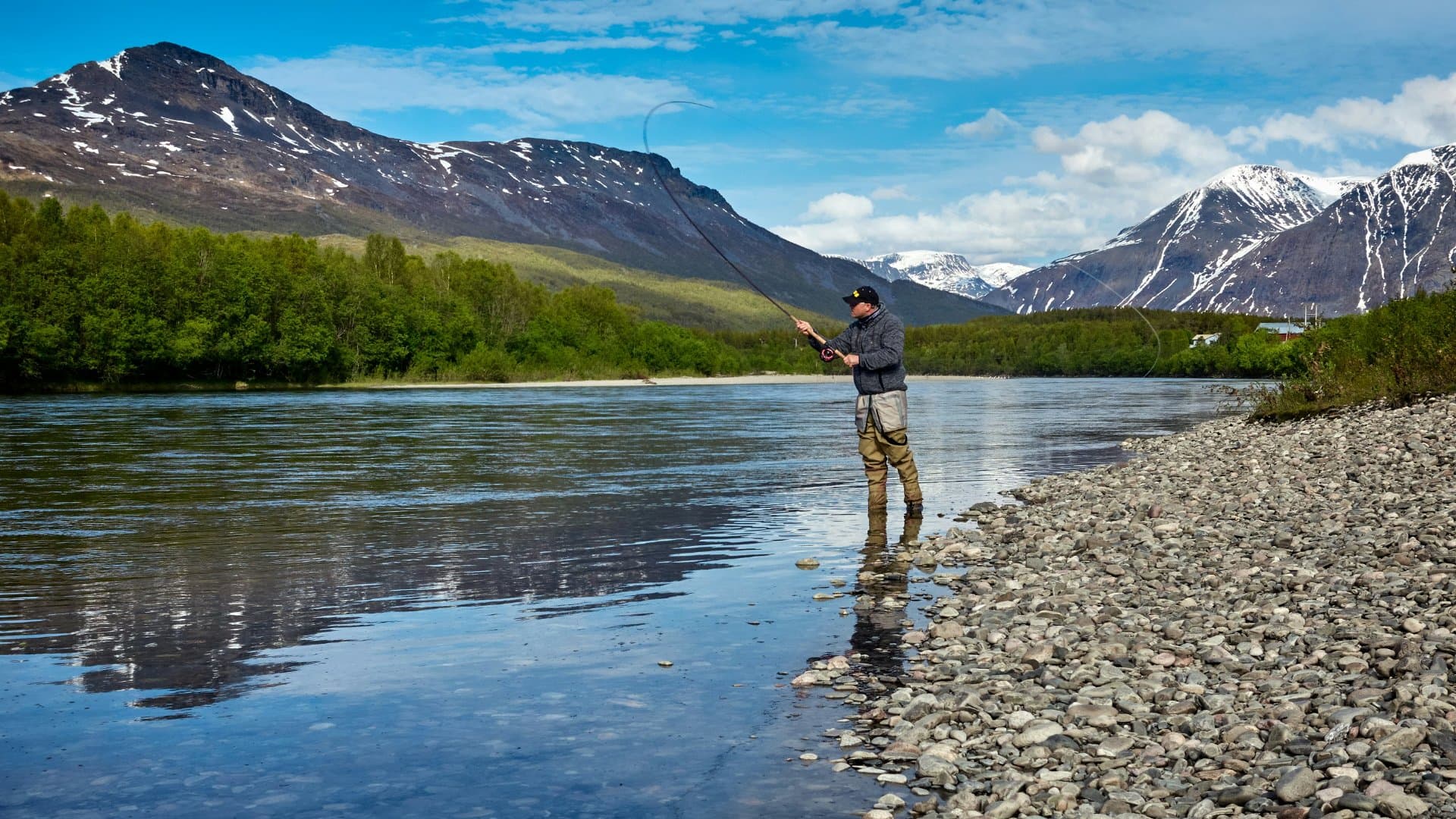
Reisaelva drains the Finnmarksvidda plateau and runs the length of one of north Troms' great glacier-scoured valleys — the Reisadalen — to the sea at Reisafjorden, some eighty-five kilometres of it open to salmon. The upper river squeezes through a narrow canyon at Imo before the valley floor flattens and broadens toward the coast, the whole of it cradled within the Reisa National Park and fed by tributaries that arrive as waterfalls, the greatest of them the 269-metre Mollisfossen. Like its famous neighbour the Alta, the Reisa grows large fish: better than four in ten returning salmon weigh over fifteen pounds, and many of those past twenty. The character is big, cold, clear sub-Arctic water — long pools and gravel runs over hard bedrock on a steady gradient. Wading is bold-water work, secure enough on the gravel but demanding respect where the canyon pinches the flow.
Wading: Pinched canyon flow at Imo
Summer-autumn runs, variable seasonal patterns by region
- Granite
- Mixed
- Pool riffle
- Step pool