
 Gammarids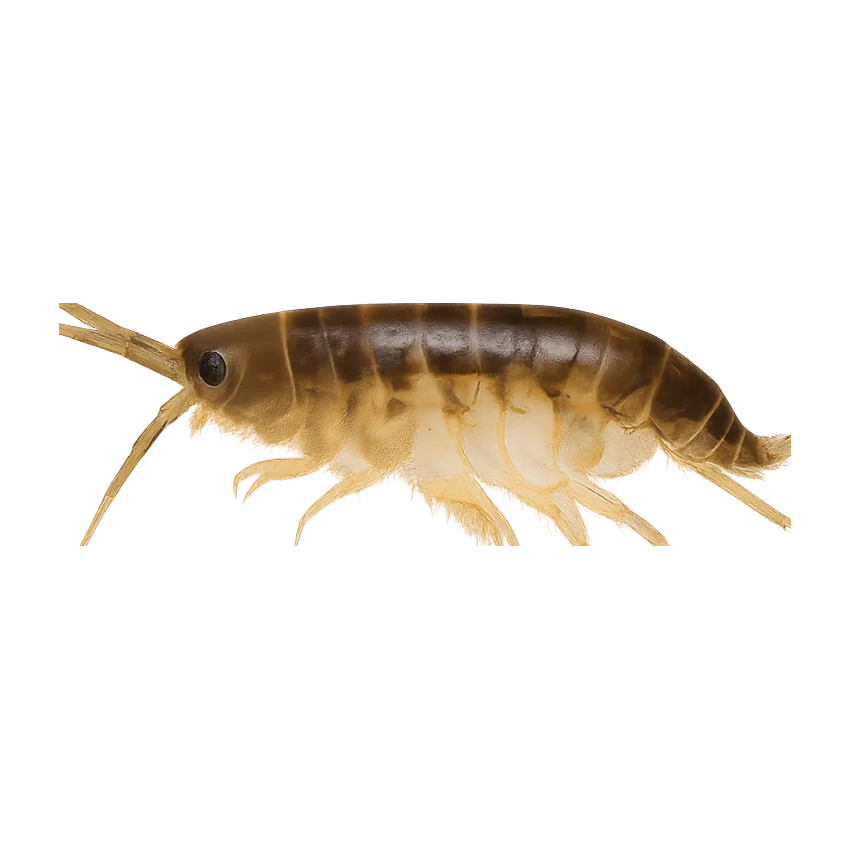

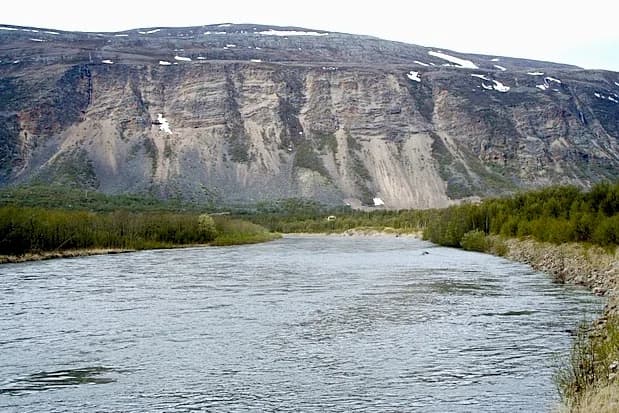
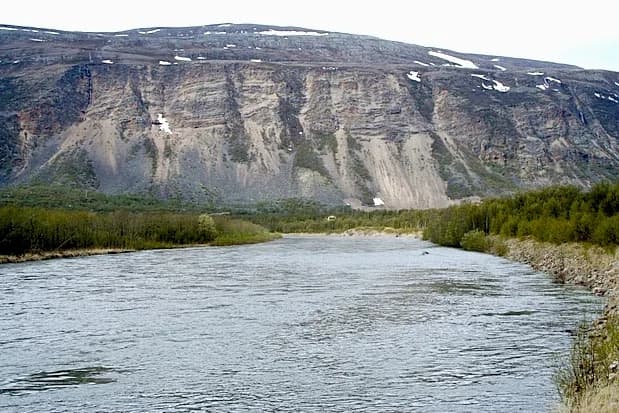
A remote Finnmark salmon system draining into Porsangerfjord, with a short but high-quality summer season. Conditions are strongly weather-driven, and success depends on timing runs and adapting to Arctic water levels. Granite-based upland geology shapes this river. Atlantic salmon are managed under national and river-specific regulations — daily and seasonal quotas, size limits and mid-season evaluations apply, and catch-and-release is widely practised; check current rules before fishing.
Lakselva runs forty kilometres out of the Finnmark interior to the Porsangerfjord at the very top of Norway, the road shadowing it much of the way. It opens calm and slow for its first five kilometres from the tide, then changes character entirely: above Stangnes it quickens into seventeen kilometres of gravel-and-rock river, deep holding holes strung between fine rapids on a moderate Arctic gradient. This is big-fish water — the average salmon runs around six kilos and several past twenty are taken most seasons, with a thirty-two-kilo fish in the record book — best from the solstice through to the end of August. The bed is hard sub-Arctic rock and gravel, the water cold and clear off the fell. Wading is steady where the gravel runs allow it, with proper care around the deep holding holes and the heads of the rapids.
Wading: Deep holding holes and rapid heads
- Granite
- Partly confined
- Pool riffle
- Rapids