

 Mayflies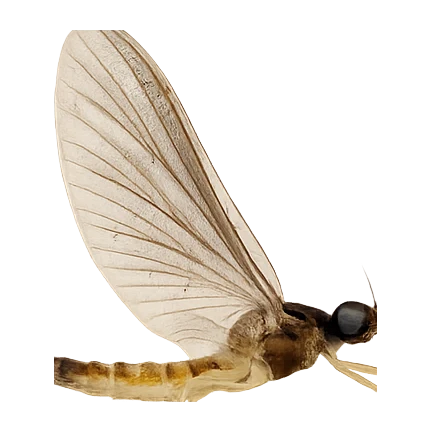
 Caddisflies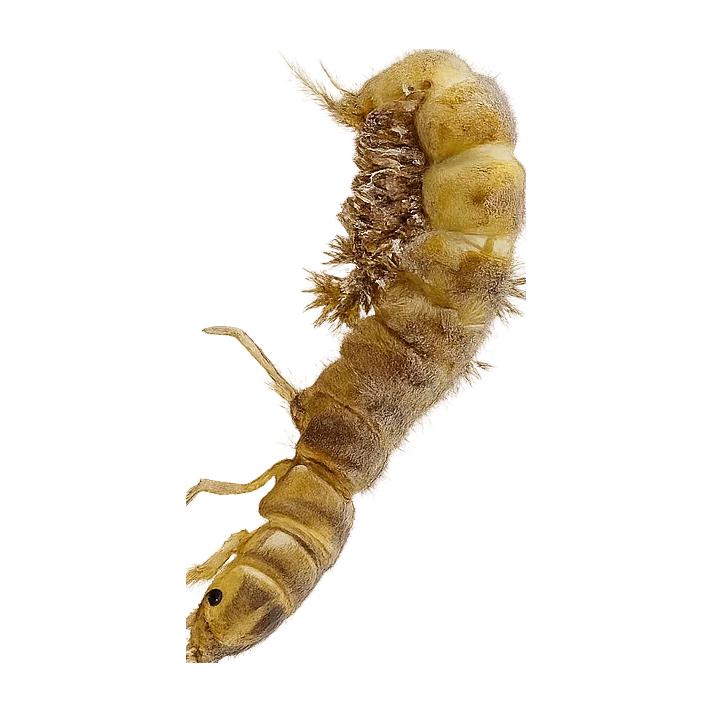
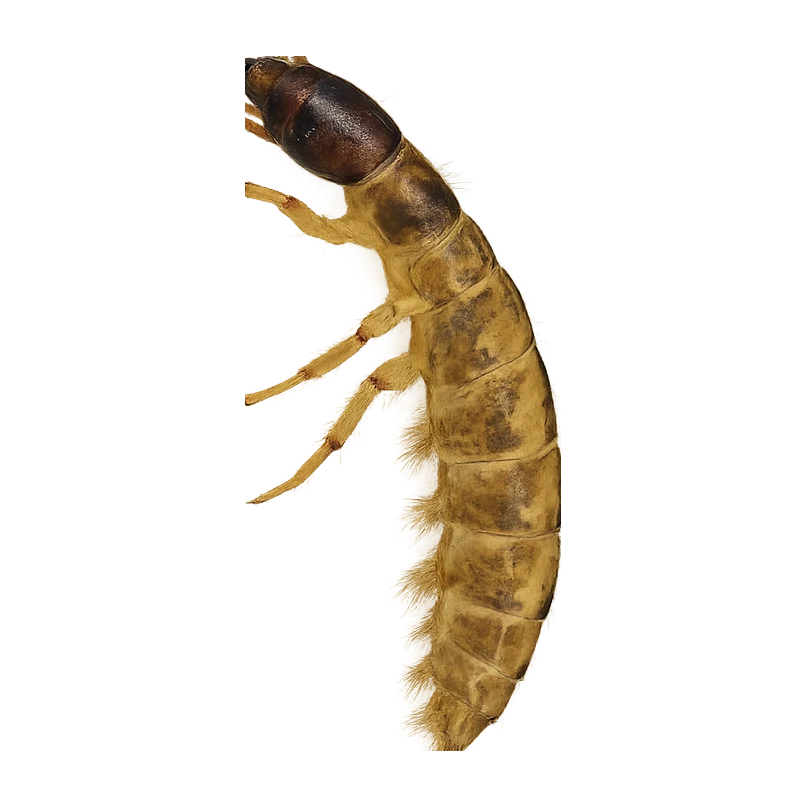
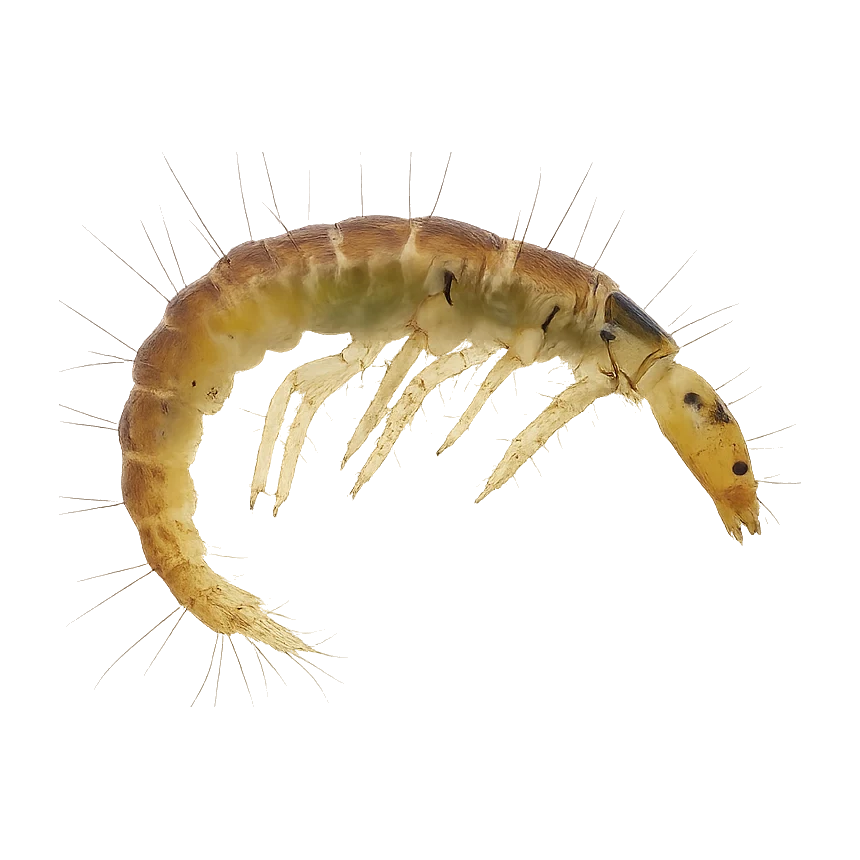
 Gammarids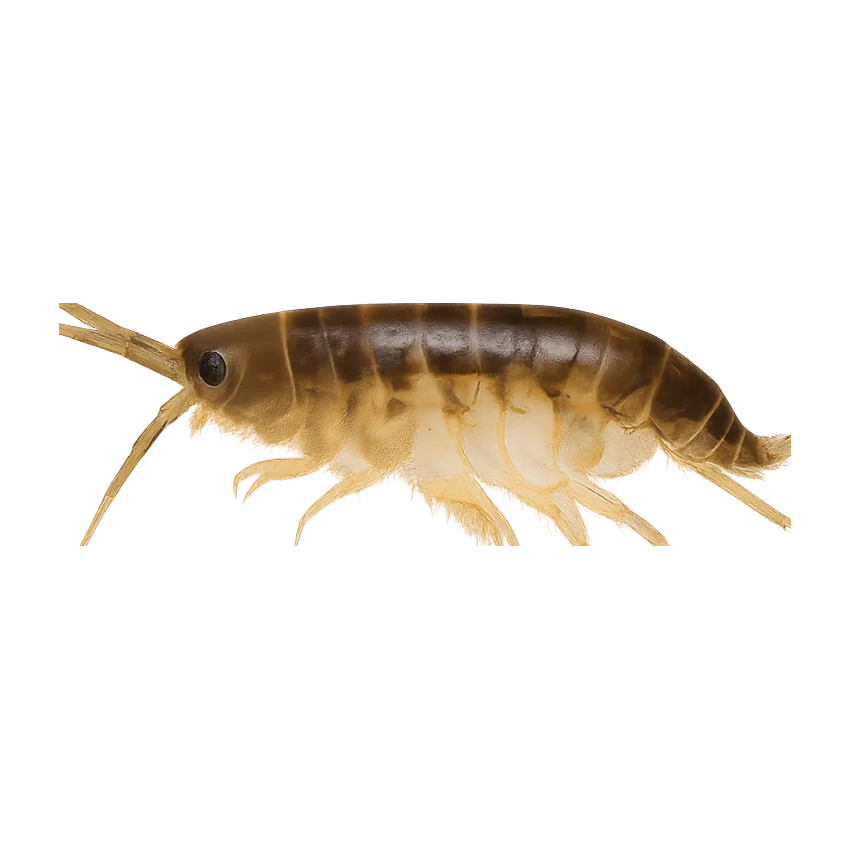

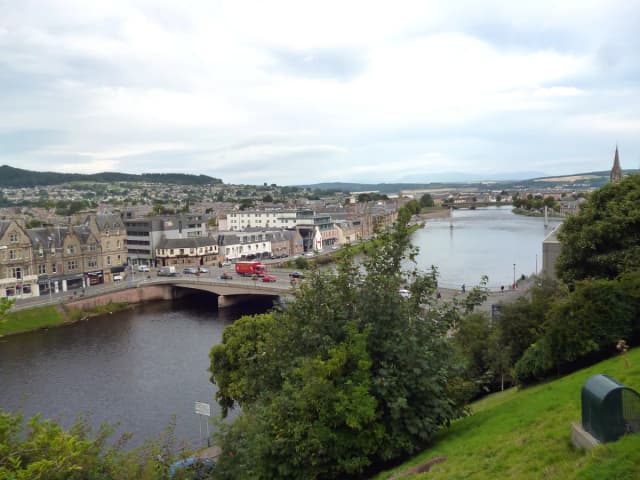
Short but powerful river connecting Loch Ness to the Beauly Firth — stable, lake-fed flow means rarely unfishable when other Highland spate rivers are low or high. Mandatory catch-and-release applies. Declining Atlantic salmon populations are Category 3 under Scottish Government classification; every fish returned matters. Spring salmon (February–May) and autumn fish (October onward) run through; summer grilse present. The Ness is a reliable choice when conditions elsewhere are marginal. Fish on either side of water — the river remains fishable across a wide flow range. Town water through Inverness provides accessible beats; Loch Ness itself holds large sea trout and seatrout migrants.
The Ness is extraordinary — only about 10 kilometres of river carrying the drainage of Loch Ness itself. It's essentially a giant sluiceway for one of Britain's most famous freshwater bodies, compressed into a short, powerful corridor before emptying into the Beauly Firth. The flow is substantial and consistent, reflecting the massive water body it drains. The pools are forged in hard rock — granite and schist — and the wading demands respect. The river is high-energy, high-volume, and unforgiving of mistakes. But precisely because it's so short and so powerful, it's become legendary in Scottish fishing. The character is muscular and direct. You're not looking for subtlety here — you're reading power and current and the particular confidence of a river that knows exactly what it is.
Wading: Slick weed on bedrock rib ledges in the town water
Summer-autumn runs (June–September), nocturnal pattern in peak season
- Mixed
- Partly confined
- Glide
- Run