
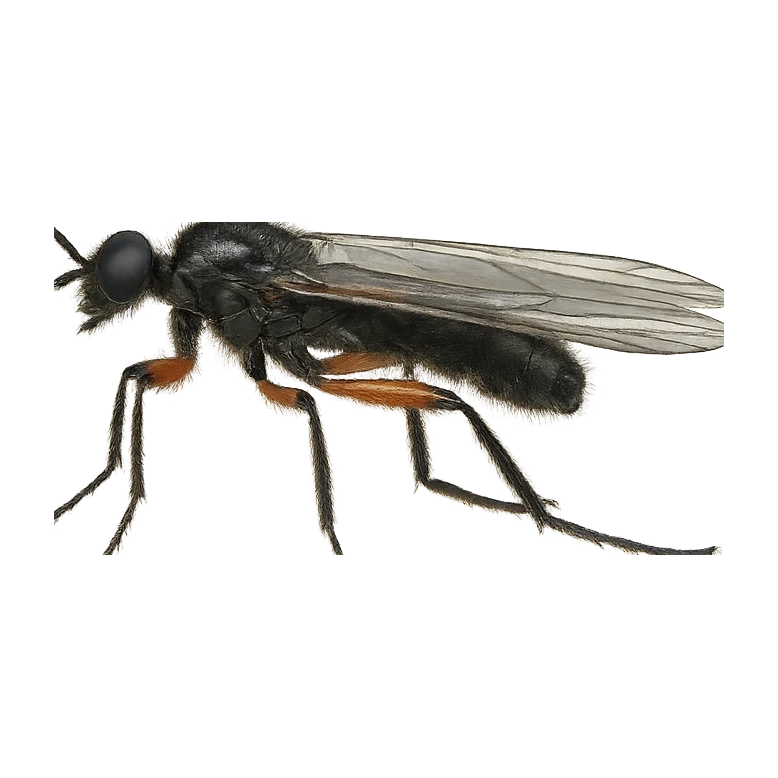
 Mayflies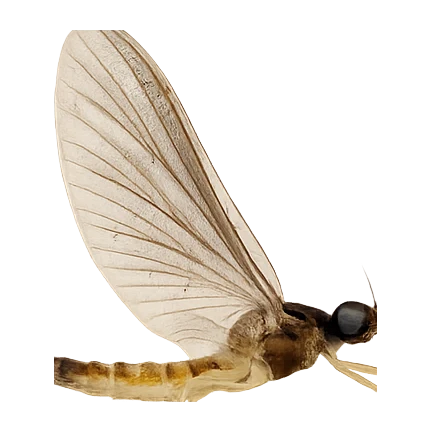
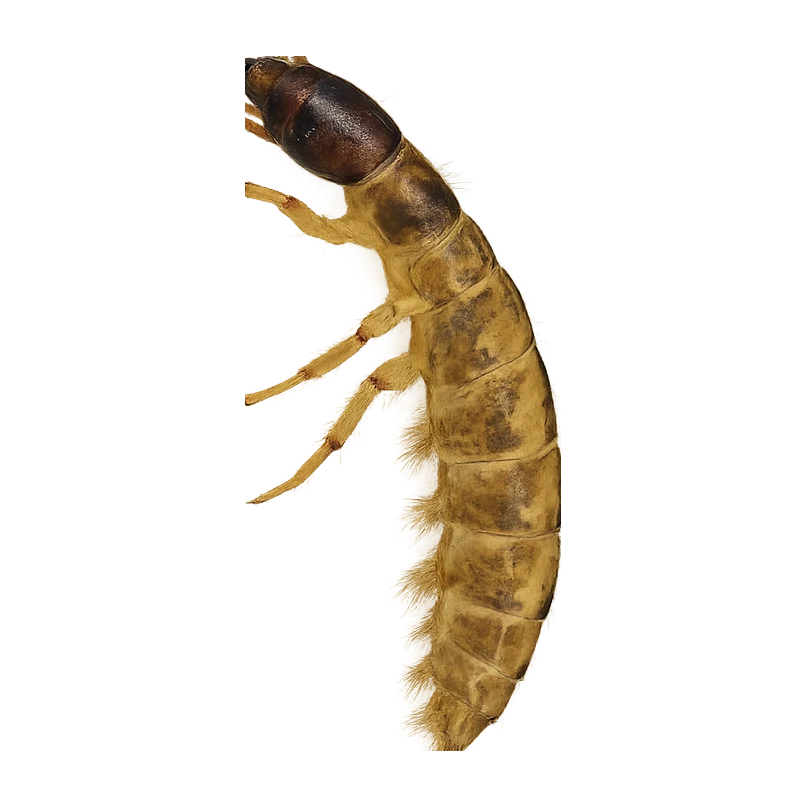
 Stoneflies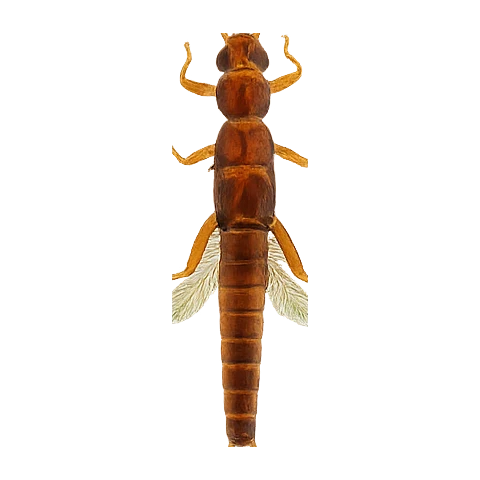
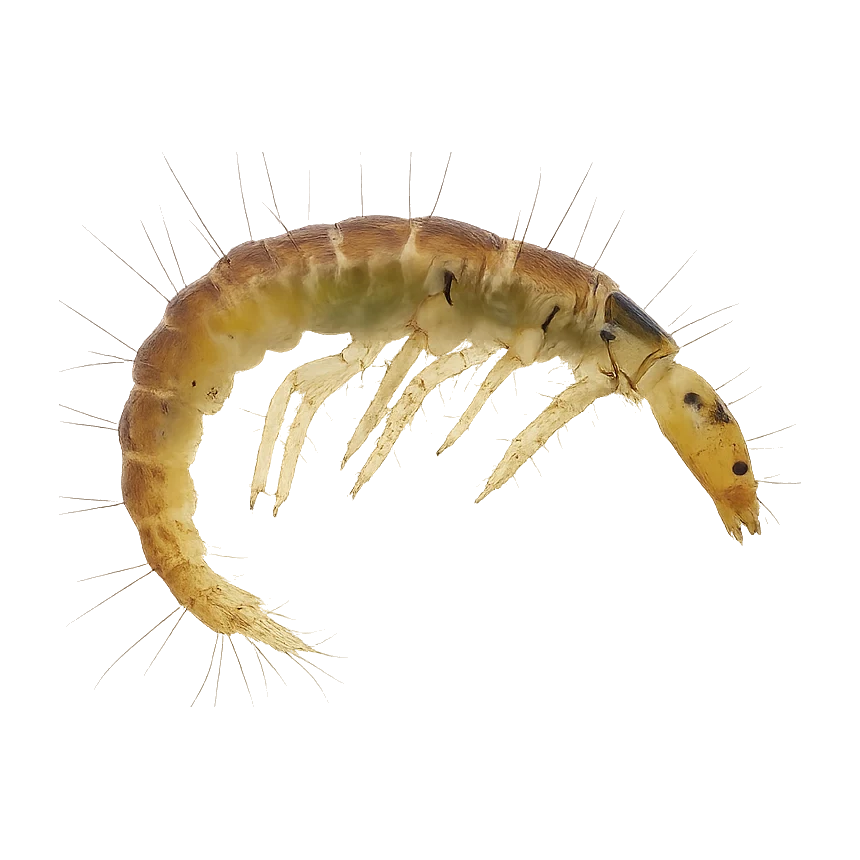
 Caddisflies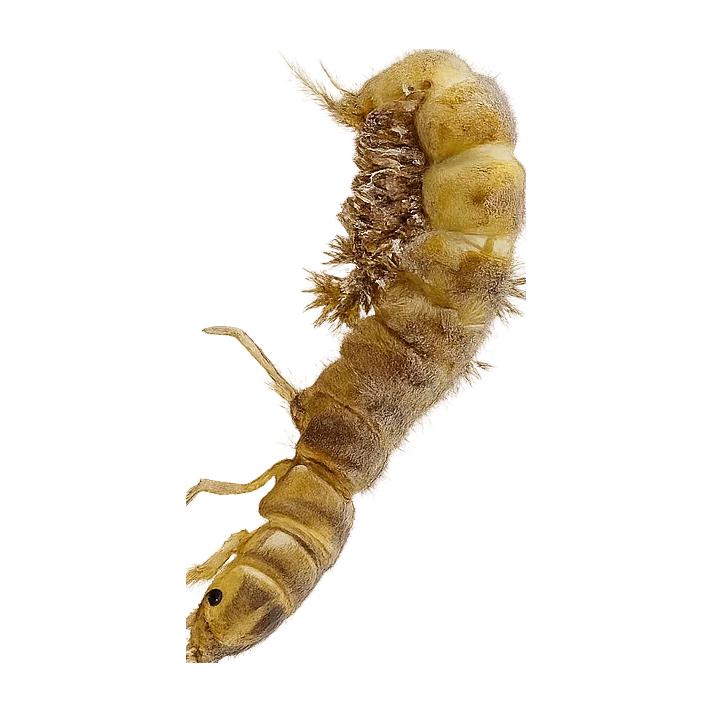
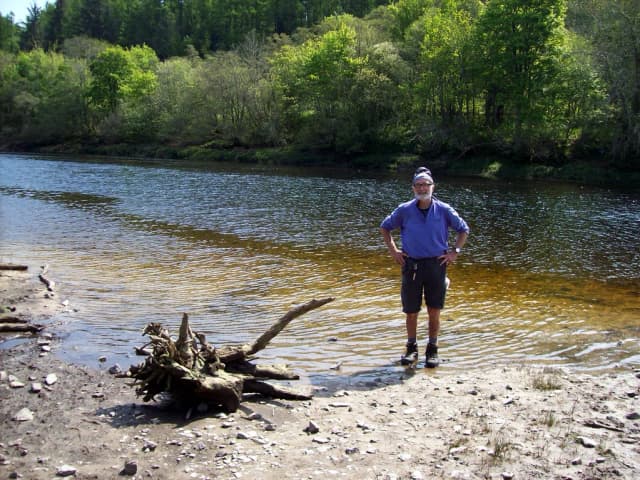
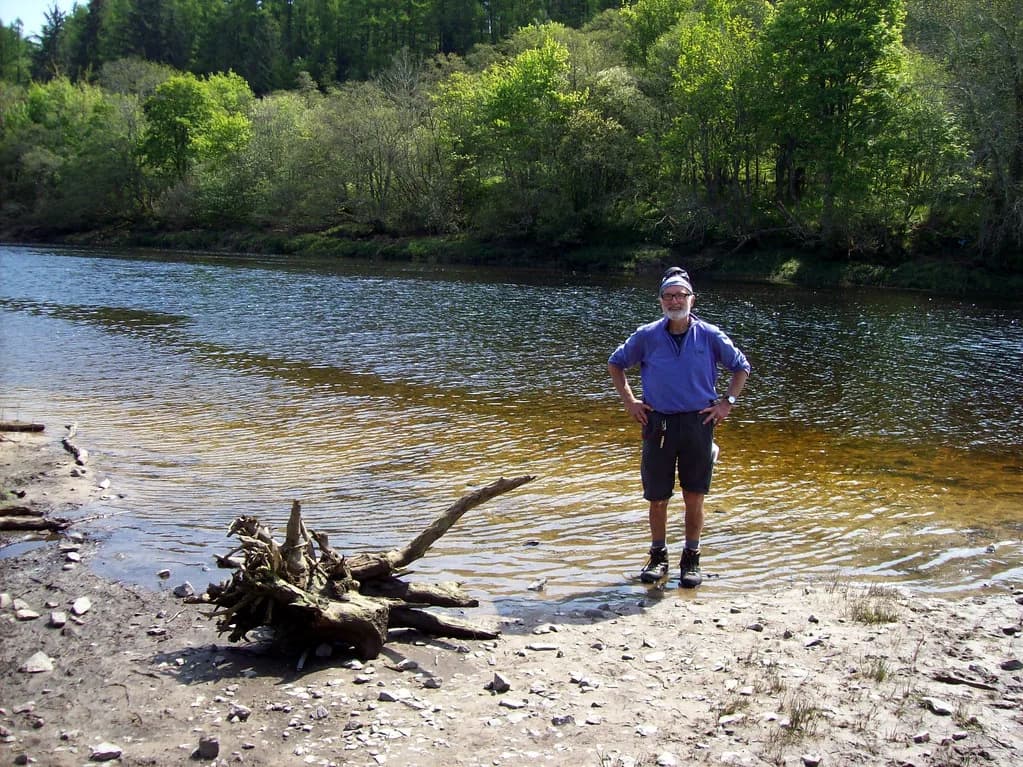
Highland spate river near Inverness — a declining Category 3 salmon system where conservation and stewardship are paramount. Atlantic salmon populations are threatened; all fish should be returned unharmed. Spring salmon from February through May; sea trout May–October, especially strong in the lower reaches. Regulated by dams upstream — flows are modified for power generation but fishing remains productive. The regulation provides more predictable conditions than natural spate systems, allowing anglers to time their fishing to dam-release patterns. Fish the Beauly on falling water after release events — the dams create distinct pulse patterns that trigger takes. Spring salmon respond to sinking-tip line with medium tubes (size 1–1.5 inch); sea trout in the lower reaches and estuary on small doubles or dry. Close proximity to Inverness makes this accessible for time-limited visitors. Granite-based upland geology shapes this river.
The Beauly proper is only about 25 kilometres of river — considerably shorter than pack values suggest — but it drains one of the most beautiful glens in the Highlands. The Beauly Firth where it meets the sea is an estuary of complex tidal character. Most of the drainage comes from two main tributaries: the Glass Water and the Cannich, which approach from the northwest out of Glen Affric and Glen Cannich respectively. The lower Beauly opens into striking pool-riffle water on granite cobble and gravel, with islands and bars that shift significantly between seasons. The character is pool-rich and immediate — the river hasn't far to run before tidal influence begins to assert itself. That tidal boundary, where freshwater and saltwater meet, creates its own productive rhythm. Watch for the granite cobble, the power of the current, and the fact that you're fishing in a landscape that opens directly onto major mountain valleys.
Wading: Slick bedrock ledges at Kilmorack
- Granite
- Partly confined
- Pool riffle
- Run