

 Caddisflies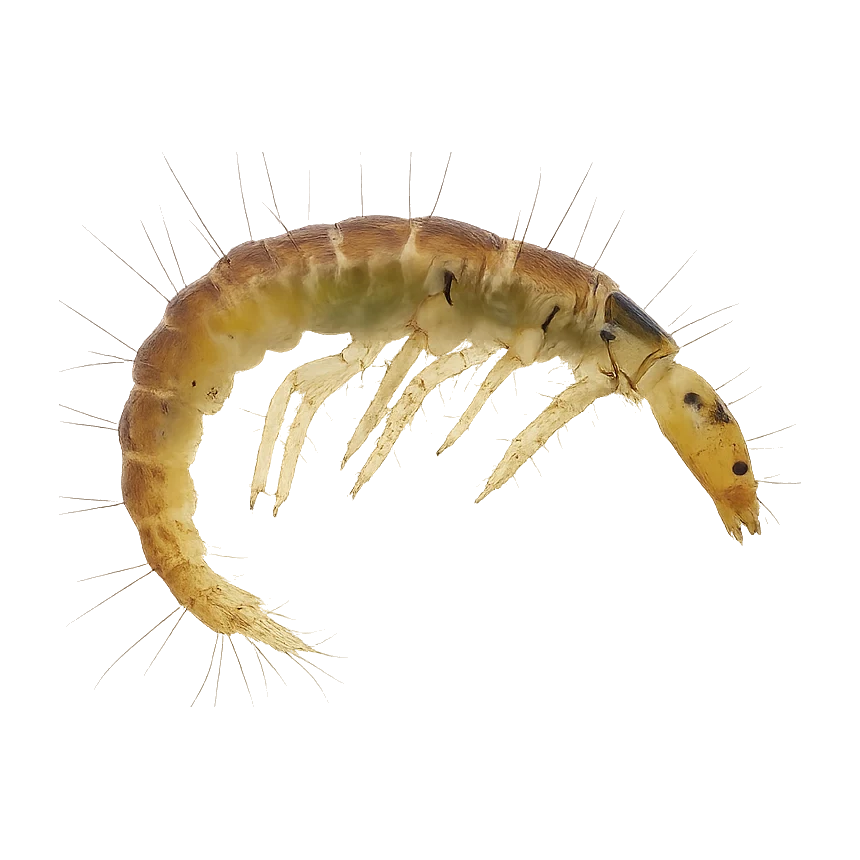
 Gammarids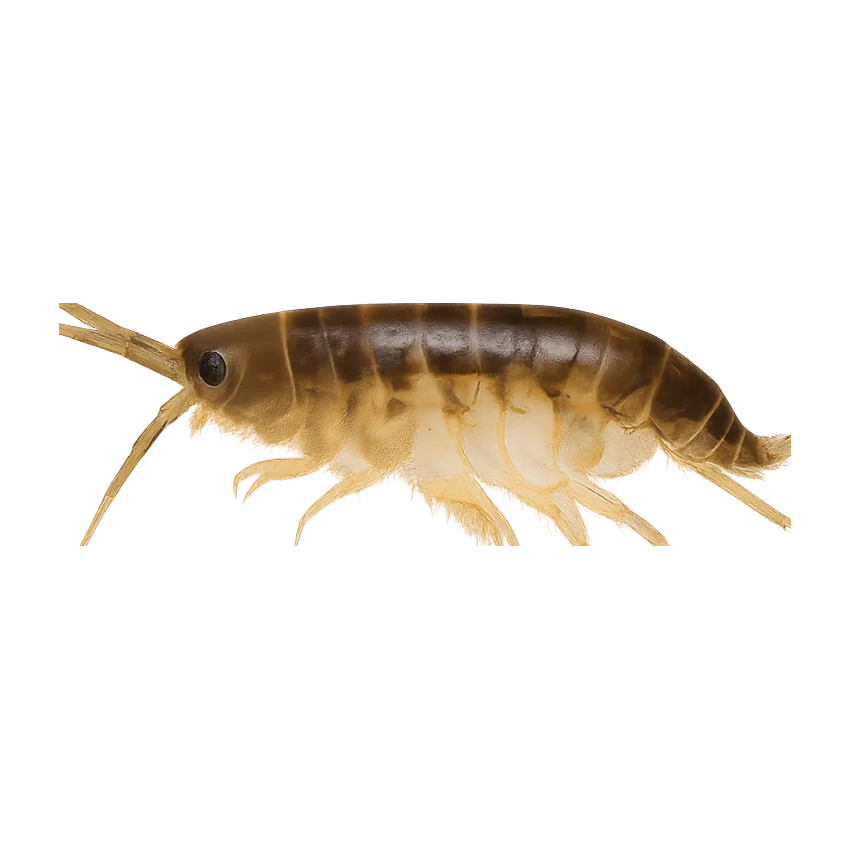
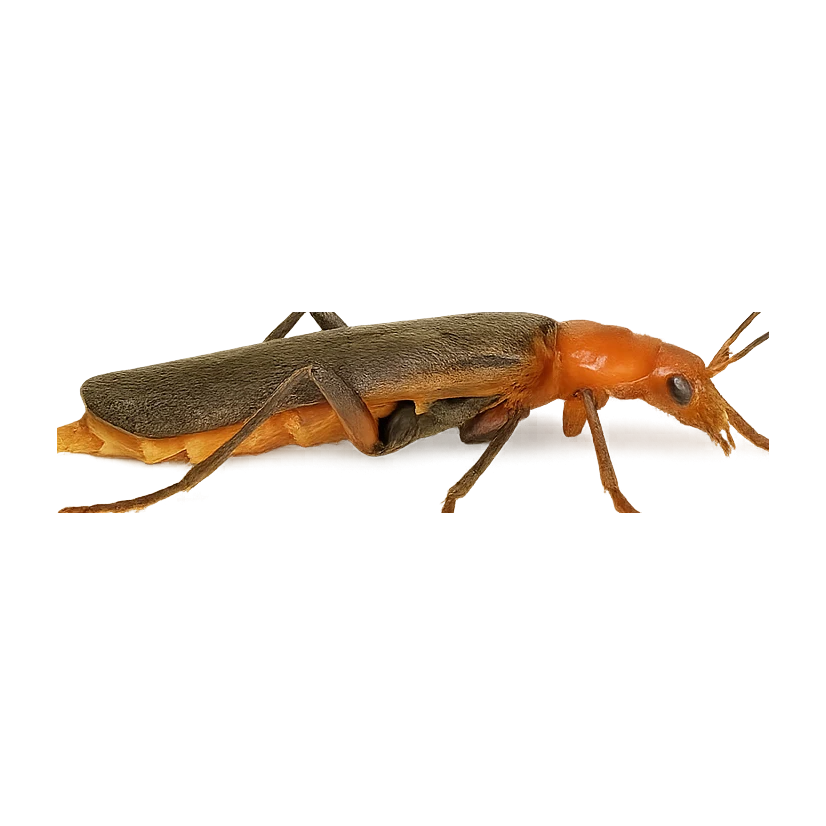
The lower Lys is canalised, navigable, and full of things that aren't trout. The headwaters are another river entirely. Above Aire-sur-la-Lys, up through Fruges and into the Ternois hills, the Lys is a proper chalk stream — small, cold, stable, hedged by willows — and it holds wild brown trout in numbers that surprise people who only know the canal downstream. Limestone geology keeps the water cool in summer and clear after rain; the hatches are what you'd expect from chalk stream water in this belt, mayfly and olives and summer sedges and the odd blue-winged in September. The fishable water is short and the AAPPMA beats are modest, but it's a reminder that the canalised rivers of the north once all looked like this. Some of them still do, if you walk far enough upstream.
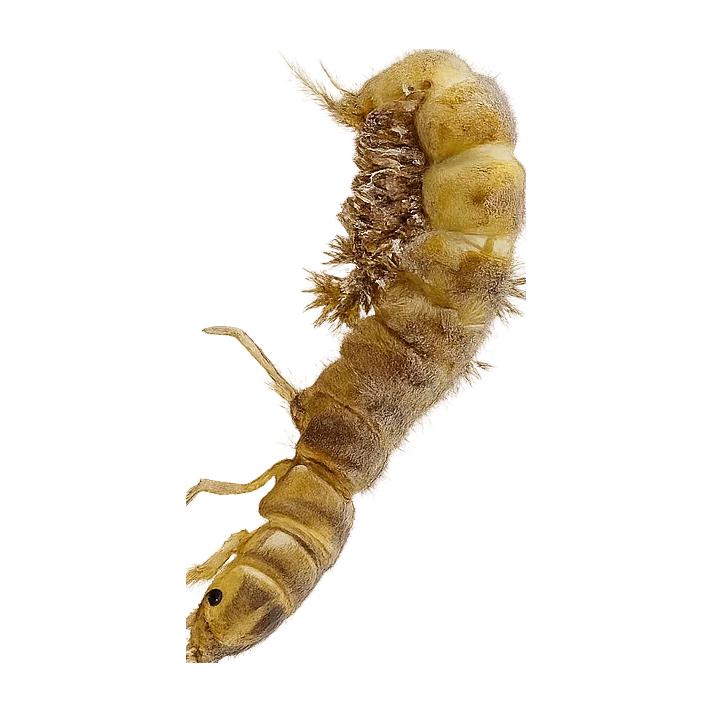
In chalk-spring and karst trout systems, generally stable temperatures broaden olive and other mayfly activity from early spring into autumn, with strong evening caddis, steady subsurface scuds and buzzers where clear groundwater and weedbeds develop, and terrestrials from meadow and woodland banks rounding out the food calendar, depending on how fast each river drops and clears after rain.
- Chalk