
 Stoneflies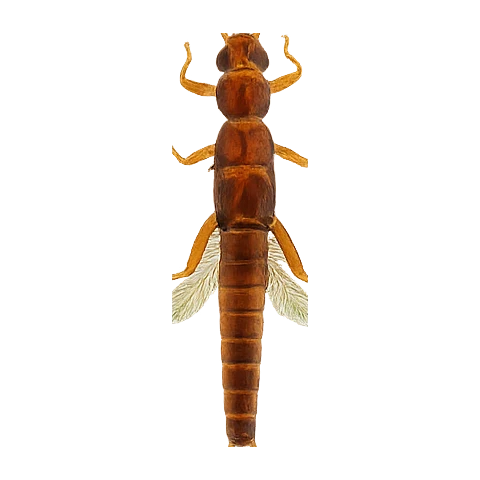
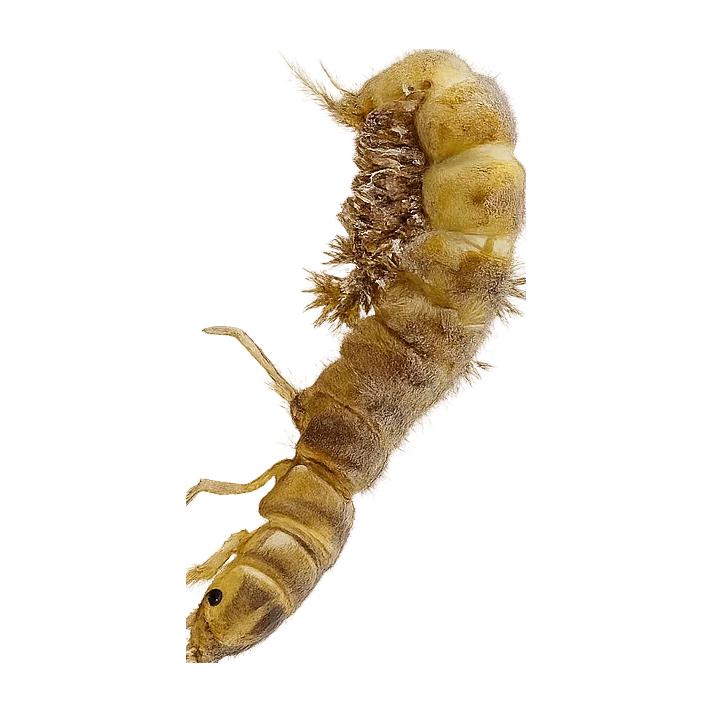
 Caddisflies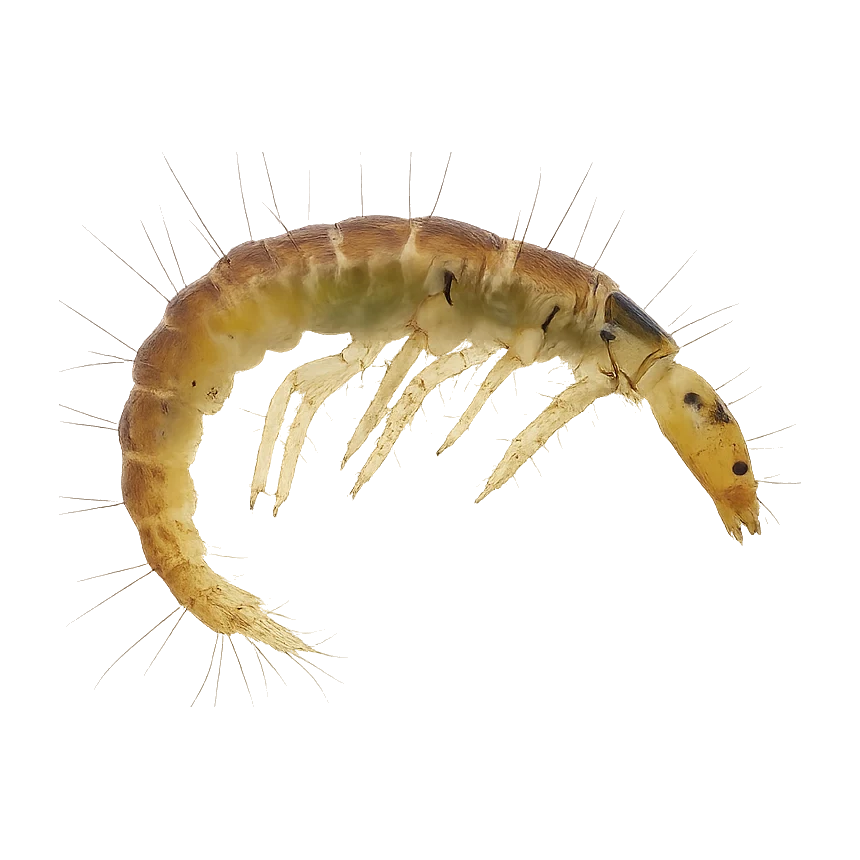
 Gammarids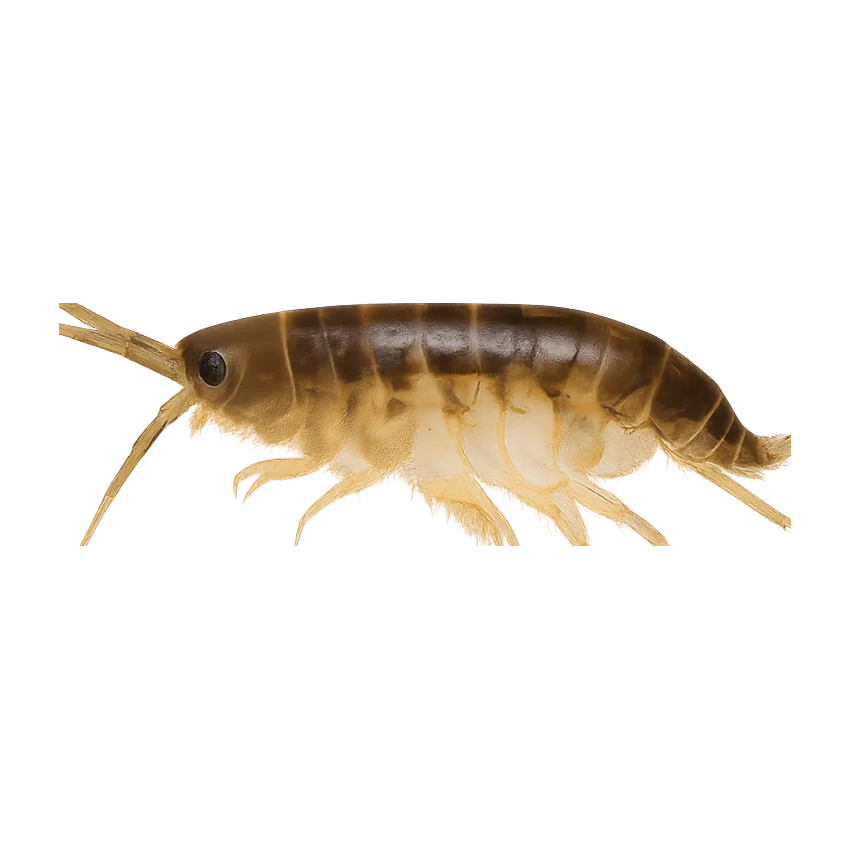
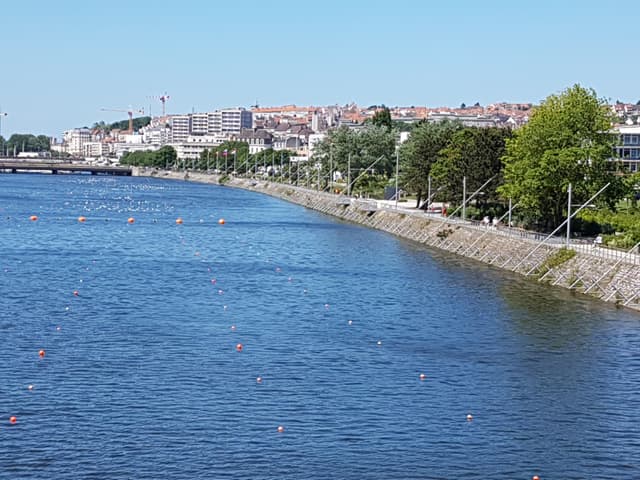
The Liane runs about forty kilometres from its source near Quesques down through Samer to Boulogne-sur-Mer, a short coastal chalk stream that most fly anglers have never heard of. The upper half is proper brown trout water — clear, watercressed, rich with olives and sedges — and the lower half, below the tidal limit, gets a genuine sea trout run in late summer and autumn. It's not a famous river and it's not a large one, but it has the things that matter: stable water temperatures, proper fly life, wild fish. The AAPPMA beats around Hesdin-l'Abbé are good value for a day's fishing, and the sea trout fishing in the lower meadows in September, when the water drops and the fish come in on the bigger tides, is the kind of thing you remember.
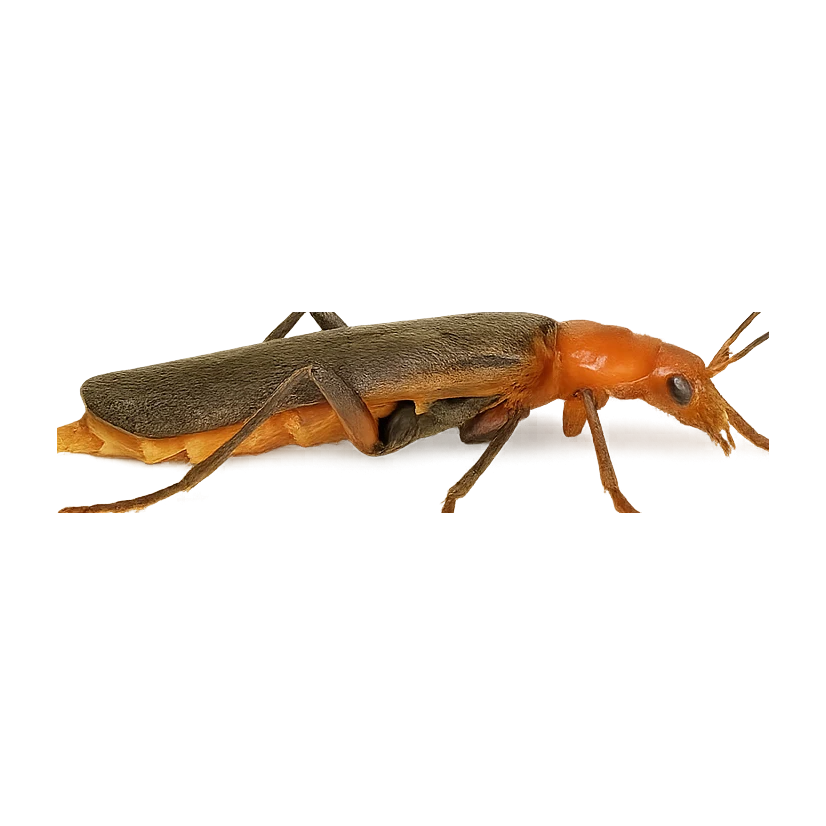
In chalk-spring and karst trout systems, generally stable temperatures broaden olive and other mayfly activity from early spring into autumn, with strong evening caddis, steady subsurface scuds and buzzers where clear groundwater and weedbeds develop, and terrestrials from meadow and woodland banks rounding out the food calendar, depending on how fast each river drops and clears after rain.
- Chalk