
 Stoneflies
 Chironomids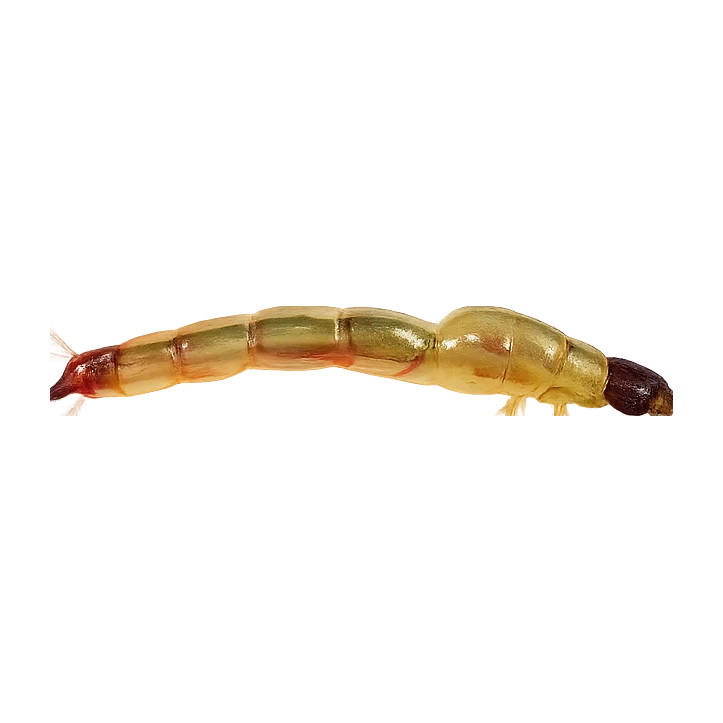
 Gammarids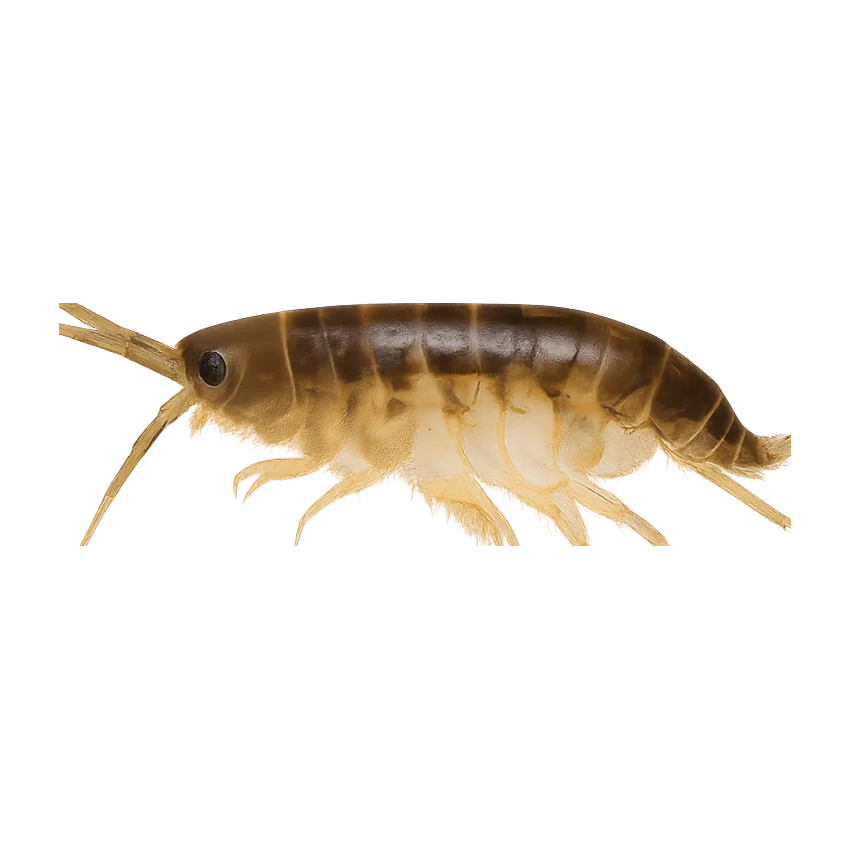
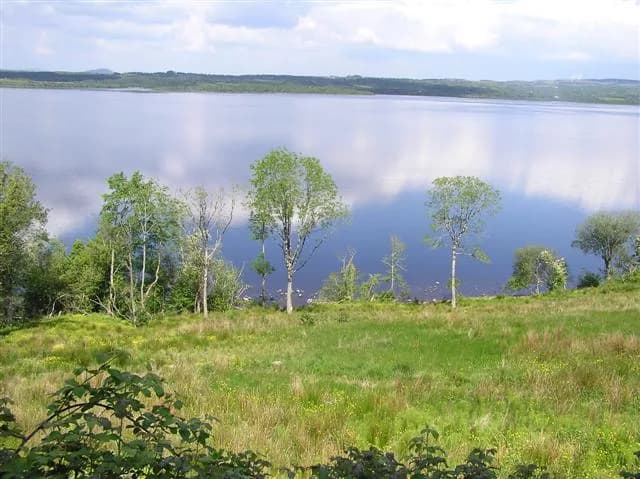
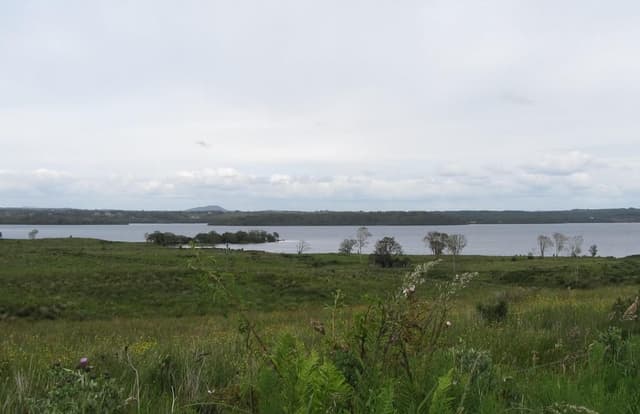
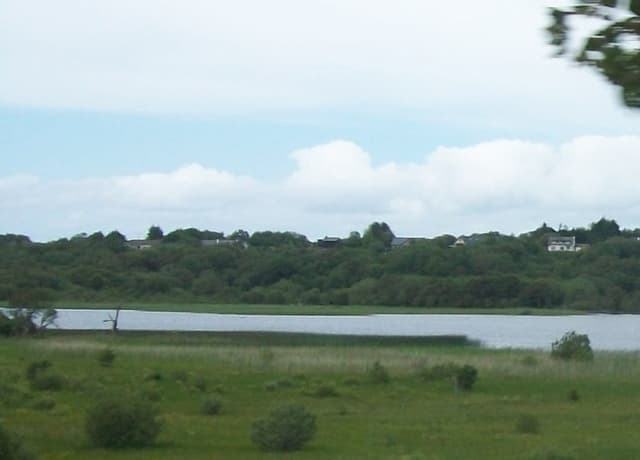
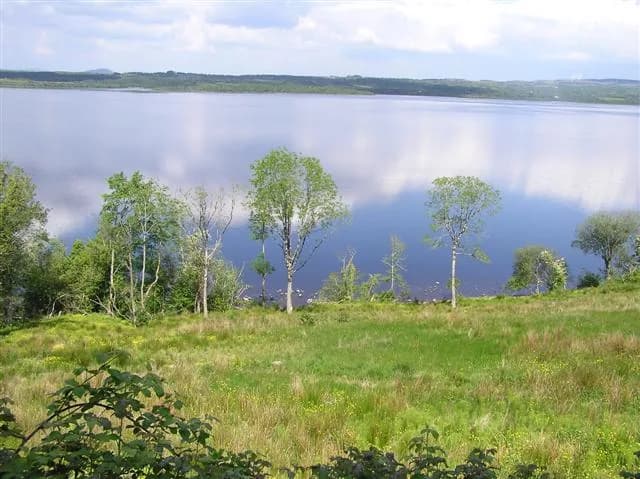
A cross-border lough whose real distinction is genetic rather than scenic — three named trout of the one species, each with its own feeding habit and its own following. The gillaroo grubs snails off the lakebed and colours accordingly; the sonaghan feeds out in open water; ferox lie deep and grow old. Between them Melvin is reckoned one of the more genetically important freshwater sites in Europe, and anglers come for the phenotypes the way others come for a particular hatch. The trout are fighters and the fishing is often hard going, but the setting and the fish between them make it a pilgrimage for anyone who already knows what they're looking at. Salmon run through as well, drained out by the Drowes — spring fish from February to May, grilse from May into July — real and IFI-documented, if never quite the headline the trout phenotypes are. For 2026 the fishery remains open: salmon may be retained in season under the Wild Salmon & Sea Trout Tagging Scheme and its bag limits, with catch-and-release outside that window.
Research on Melvin's genetically distinct trout populations describes sonaghen as pelagic zooplankton feeders in open water and gillaroo as benthic feeders concentrated in the southern shallows near the Drowes outflow - food-web presence evidence for two of the lough's trout forms rather than an insect hatch record.
- Lough system
- Limestone