
 Caddisflies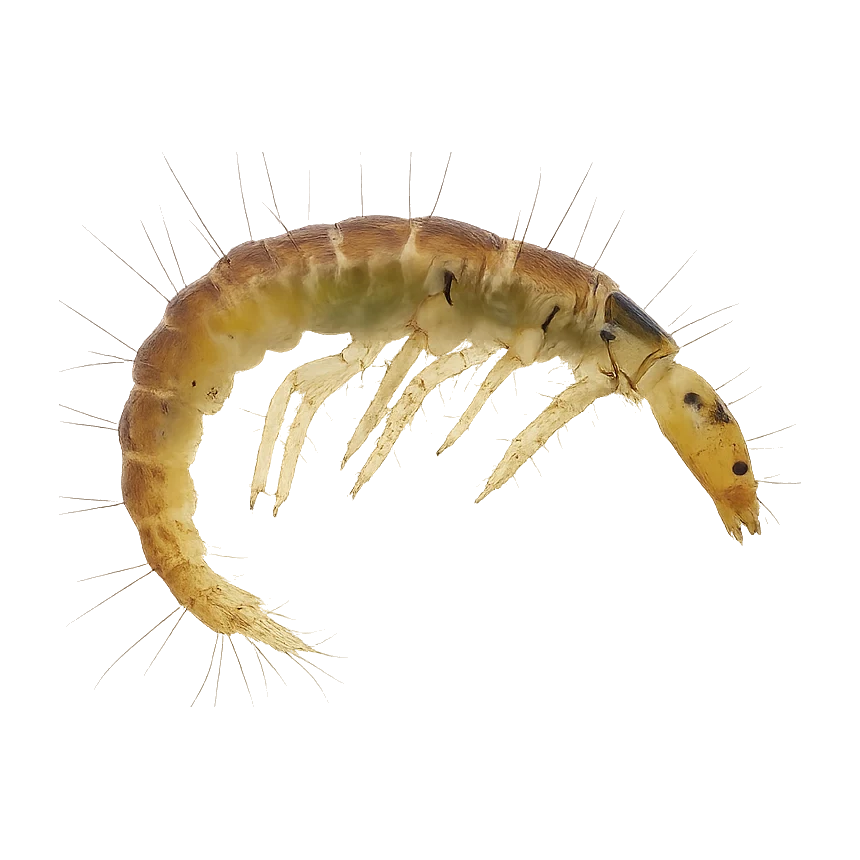
 Gammarids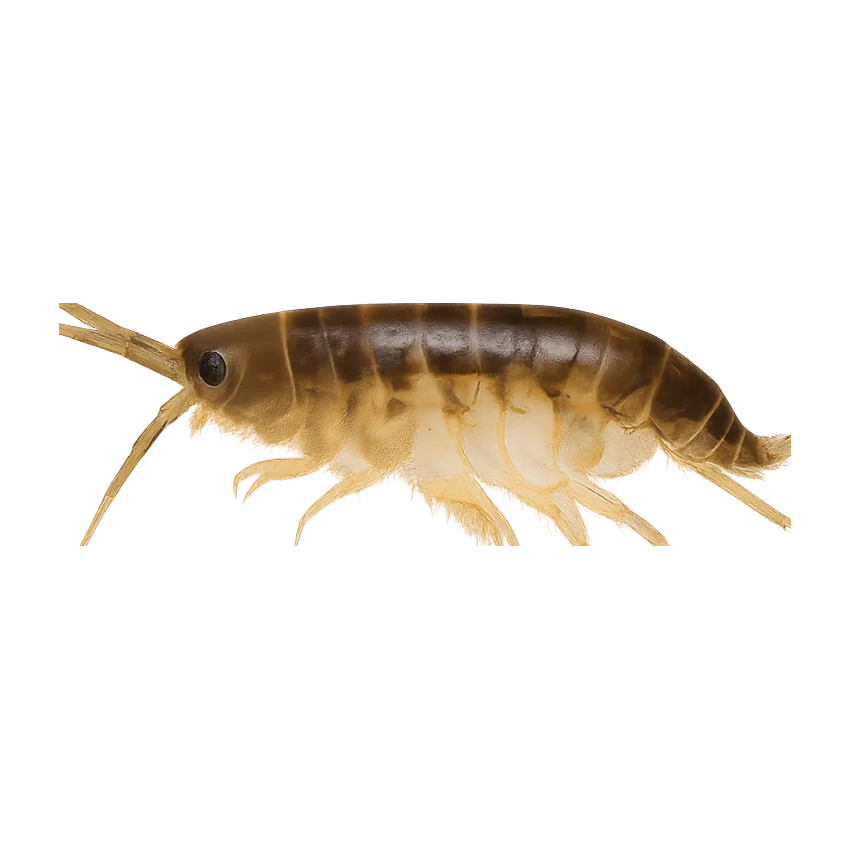

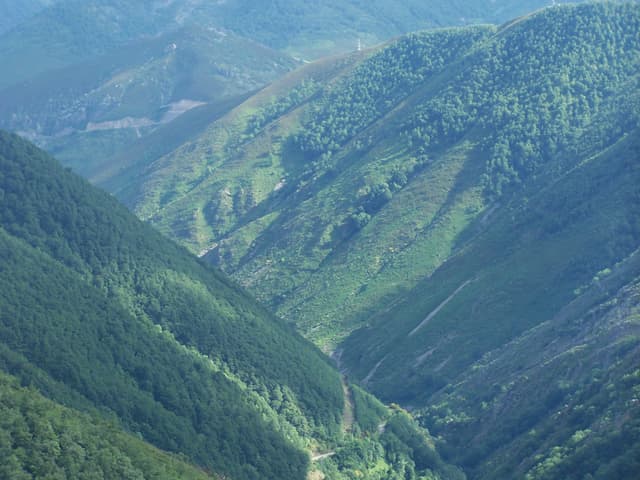
The Ibias is wild moorland water — slate country trout fishing at its purest. Responsive (4 hours to spate) and often uncrowded, but not free of paperwork: Asturian licence and local tramo rules still matter. Wild browns (15–28 cm, with larger residents in pools) reward accurate presentation and patient observation. Mayfly and sedge hatches May–June; terrestrials work well in summer. Straightforward access from the road. A river that asks only for honest attention.
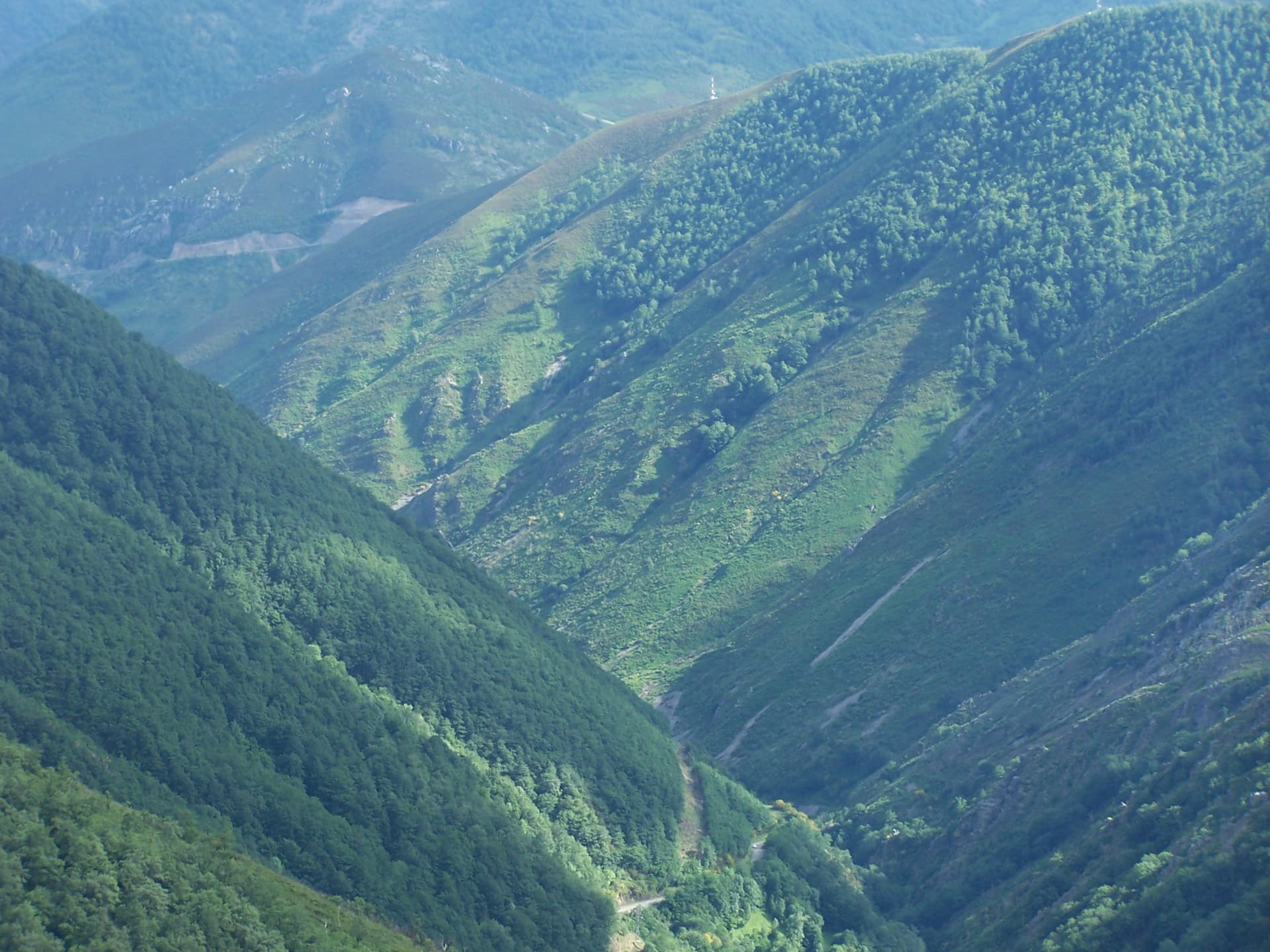
The Ibias feeds the Narcea from the northeast, a slate-and-quartzite river with pronounced spate characteristics. The upper reaches run through step-pool and pocket water on Cantabrian mixed lithology; the descent is steep and the response to rainfall immediate. The river maintains its spate character throughout — responsive, amber-coloured with slate fines, and belonging fully to the Narcea's drainage network. The middle reaches allow pool-riffle sequences to develop on cobble; the pools are secondary features here, brief pauses in a river that's defined by its response to weather and its connection to the high Cantabrian country. The wading demands respect throughout.
Wading: Slick wet slate
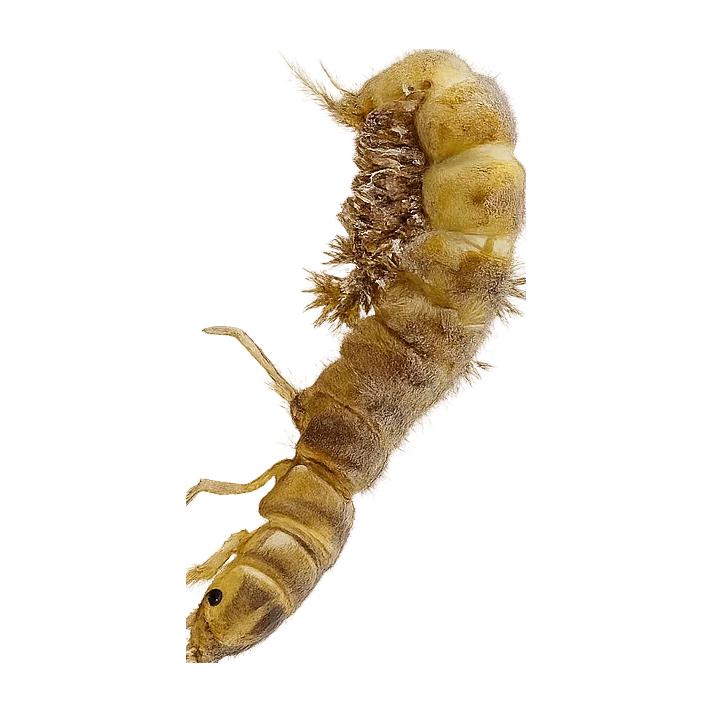
In the mountain-to-sea trout rivers of Asturias, olives and other mayflies do much of the work in spring whenever levels and colour allow, followed by strong evening caddis and steady buzzer life through early and mid-summer, with terrestrials and mixed surface food from wooded, pastoral banks rounding out the diet whenever flows drop back into safe wading range.
- Slate
- Confined
- Cascade
- Step pool