
Spate · Mixed · Trøndelag

Gaula

Gaula venue image
Google Places

Norway's most famous Atlantic salmon river — part of the Trøndelag salmon belt.

Fair · Atlantic Salmon
Sunray Shadow · tube medium to long
Fairlive now
Decent — worth a look
River high but settled. Stay with the seams and the slacker tail-outs.
75% confidence
What moved it
  • Level3.19 mDropping in the last 6h
  • Water temp15.6°C
  • ClarityClearClearing
Today’s fly
Sunray Shadow
Sunray Shadowtube medium to long
Almost indispensable on the Gaula.
Conditions on the water
Live gauge
Level
Falling
3.19 m
Dropping in the last 6h
Water temp15.6°C
ClarityClear
Weather13°C
WindN 4 km/h
Pressure1023 hPa
Rain · recent27.5 mm
Rain · ahead1.3 mm

Live readings only. Trends shown where the gauge supports them.

Water temperature for atlantic salmon
Warm — slow
15.6°Cideal 1014°C
0°14°28°
How to fish it · for atlantic salmon
When
Peak late June into August. Fish the rising water on the second day after rain, then the dropping water through the next forty-eight hours. Take 6 to 14°C as the taking band.
Where
Big-water Spey-class beats from Støren down through the middle river to the lower beats above the tide. Heads and tails of named pools; the river is big enough that distance matters.
Method
Big tubes (Sunray Shadow, Templedog) on the swing in spring; medium tubes through the main season; drop size into late summer. Floating line plus heavy sink-tips per water height.
Kit
14 to 15 ft #9/10 double-hander on the bigger water; 13 ft #9 on classic Spey-class beats. Floating, intermediate, fast-sink, full-sink lines. 15 to 20 lb fluoro.
Why this works
Conditions are reasonable, though not ideal. Peak summer — grilse and summer salmon are active and willing. Small flies, lightly dressed, fished with purpose. June is a decent month for salmon here, though not the peak.
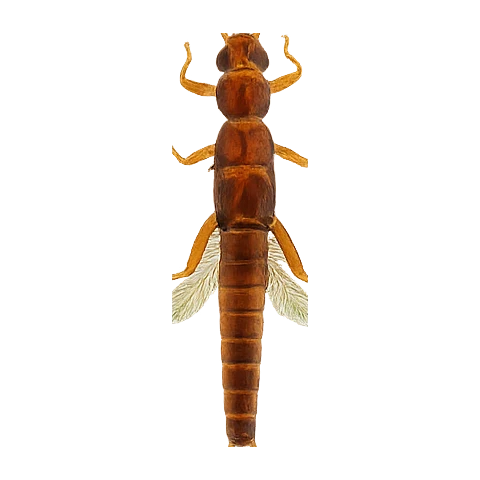
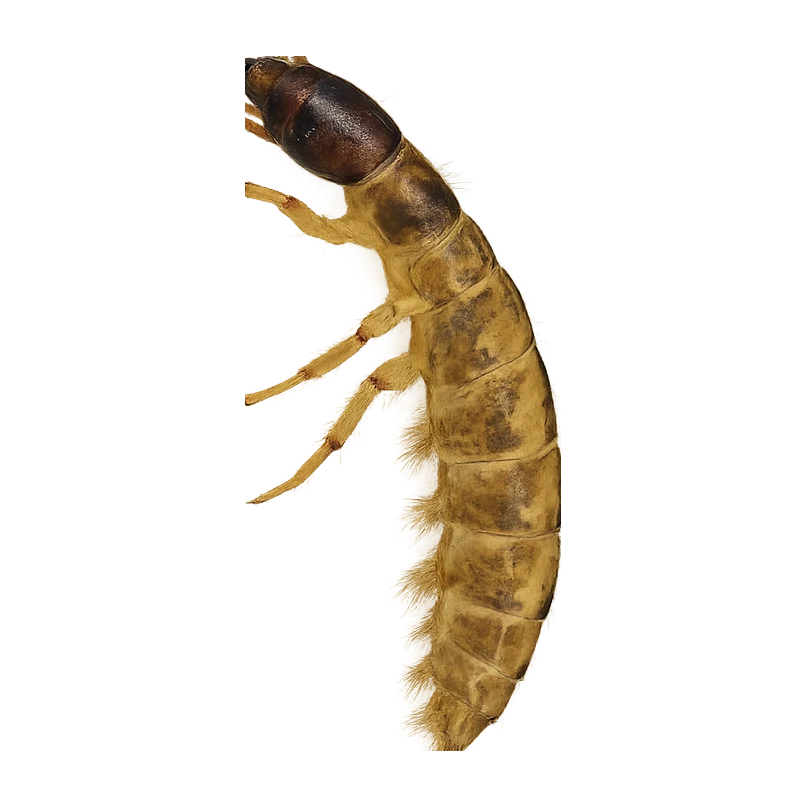
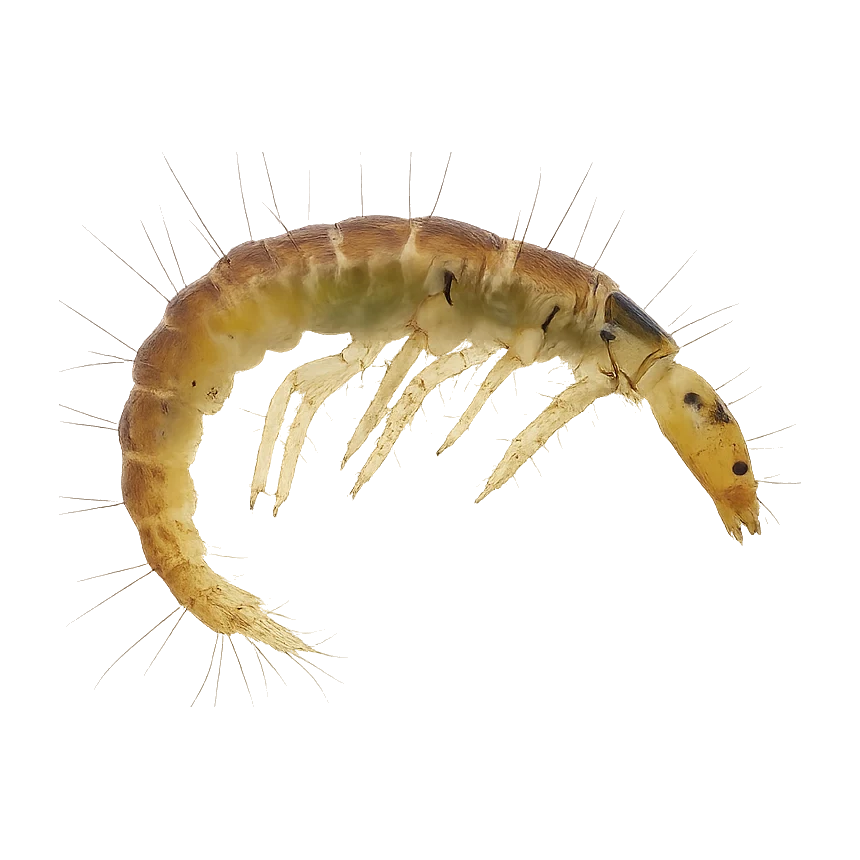
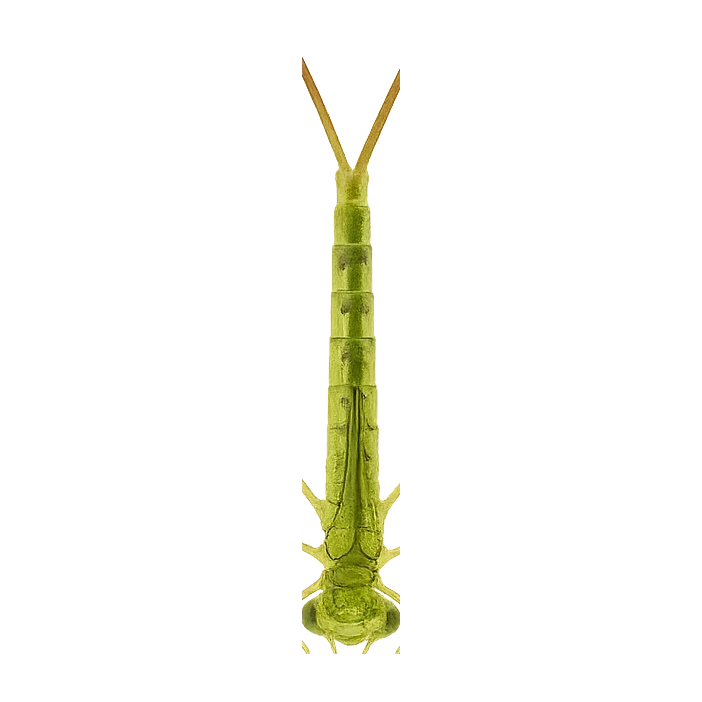
Hatch timeline · todayQuiet day

Hatch predictions

Today's headline hatch shown — see all 8 active hatches hour by hour with Pro.

Start free trial

14-day free trial. Cancel anytime.

Evidence
ModelledModerate confidence

Modelled from regional ecology — no survey or occurrence data for this water yet.

Through the year
0–3 scale · July highlighted
J
F
M
A
M
J
J
A
S
O
N
D
Salmon runRun
1
2
1
March BrownHatch
2
3
2
GrannomHatch
2
2
Large StoneflyHatch
2
3
2
Yellow SallyHatch
2
3
2

Numbers are intensity 0 (none) to 3 (peak) — a guide, not a guarantee.

Ranked for today
Atlantic Salmon fly box
Beats · 6 · 5 reaches

The Gaula is not one fishery — it is a chain of landowner-association (vald), private-lodge and day-card beats spread over a long Trøndelag salmon river, knitted together by a single river-wide registration. To fish here you generally need three things stacked together: the national fishing fee (fiskeravgift), which is a tax that funds salmon management and does NOT by itself grant access to any water; the Gaula river card (Gaulakortet), the mandatory registration every angler must hold before fishing starts; and then an actual beat, vald or lodge booking that gives you a stretch to fish. Equipment disinfection and catch reporting are compulsory, and 2026 carries a hard daily/season quota with all salmon over 65 cm released. Above all, Gaula's rules can change mid-season: a poor in-season count can trigger a conservation closure at short notice — the river was shut for the whole second half of 2024 — so confirm status, quota and your booking route with the local association before you travel.

Lower Gaula — mouth to GaulfossSeason rods
The lower river below the Gaulfoss gorge takes the fresh fish first — larger-water beats that fish best early in the season before salmon push upstream.
Gaulfossen — fish-movement bottleneckEnquiry
Gaulfossen is the bedrock gorge where the channel narrows to a slot between rock walls — the migration pinch-point that governs how fish progress through the system.
Middle Gaula — Støren classic fly water · 2 beatsDay rods
Middle Gaula — Støren corridor, Winsnes Fly Fishing Lodge
The 2 beats
Middle Gaula — Støren corridorSeason rods
Valds, lodges and proprietors (via local associations)
The classic fly water — the middle river around Støren, where the Sokna enters and the valley opens into wide gravel-bar pool-riffle reaches. This is the heart of Gaula's reputation: many named valds, lodge beats and the rotations most visiting fly anglers come for. Access is by vald, lodge package or day-card; the Winsnes lodge stretch is the best-known premium water here.
Fiskeravgift + Gaulakortet + beat/vald/lodge booking. 2026 quota and 65 cm release rule apply. Disinfection and catch reporting mandatory. Mid-season conservation evaluation can alter quota or close the river.
Winsnes Fly Fishing LodgeGuide / lodge
Winsnes Flyfishing Lodge (gaulasalmon.com) — booked direct or via agents
The Gaula's best-known premium fly lodge, in the Støren middle-river corridor and fishing since the 'Salmon Lords' era (the lodge dates to 1882). Winsnes controls roughly 4 km of double-bank water divided into seven rotating beats, fished by just six rods in pairs on a rest-and-rotate system in four-hour slots so pools are rested before guests reach them. Average salmon around 7 kg with double-figure fish common and the occasional 20 kg-plus; a typical 10-week season produces 100–200 salmon. Total catch-and-release lodge policy.
Fiskeravgift + Gaulakortet registration still required on top of the lodge booking. 2026 river quota (1 salmon/day, 2/season, all fish >65 cm released) and mandatory disinfection + catch reporting apply. Lodge operates total catch-and-release. Subject to Gaula's mid-season conservation evaluation and possible emergency closure.
Upper Gaula — HoltålenMembers
The upper river toward Holtålen is steeper step-pool and pocket water that comes good later in the season once fish have run through the lower and middle beats.
Tributaries — Sokna, Bua & FordaMembers
The significant Gaula tributaries — Sokna, Bua and Forda — carry their own access and rule regimes and should not be assumed to follow the main-stem booking.
Permits & access
Permit required — see local rules.
  • Fiskeravgift plus local beat permit required
  • Equipment disinfection and catch reporting are mandatory
  • 2026 quota: 1 salmon/day, 2/season, all fish >65 cm released
  • Access ranges from expensive private rotations to more attainable public or association water
  • WARNING: subject to mid-season closure (midtsesongevaluering) — Gaula was shut for the entire second half of 2024.
What's coming
Plan ahead
5-day outlook
Fishing better nearby · 5
Gallery · 1
  1. Terrain map of the venue
    Terrain map
About this water

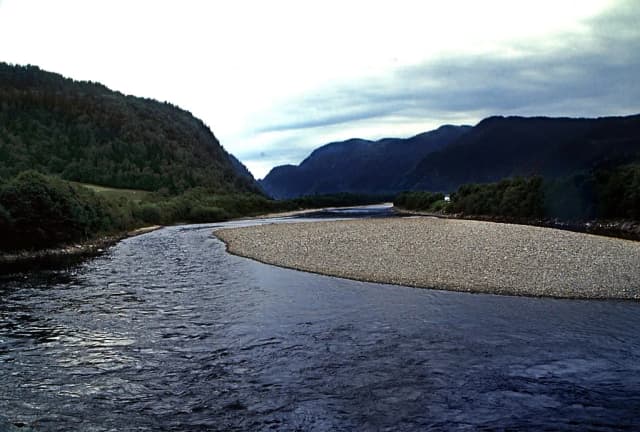
Norway's most famous Atlantic salmon river — part of the Trøndelag salmon belt. Large multi-sea-winter fish averaging 7–12 kg with fish over 15 kg not uncommon. The Sunray Shadow is almost indispensable here; riffle-hitched patterns and Bombers effective in summer low water. Season June–August with July typically peak. Mix of private beats and public water. Equipment disinfection mandatory. Mandatory catch reporting. The Gaula defines modern Norwegian salmon fly fishing. Atlantic salmon are managed under national and river-specific regulations — daily and seasonal quotas, size limits and mid-season evaluations apply, and catch-and-release is widely practised; check current rules before fishing.

Under the surface

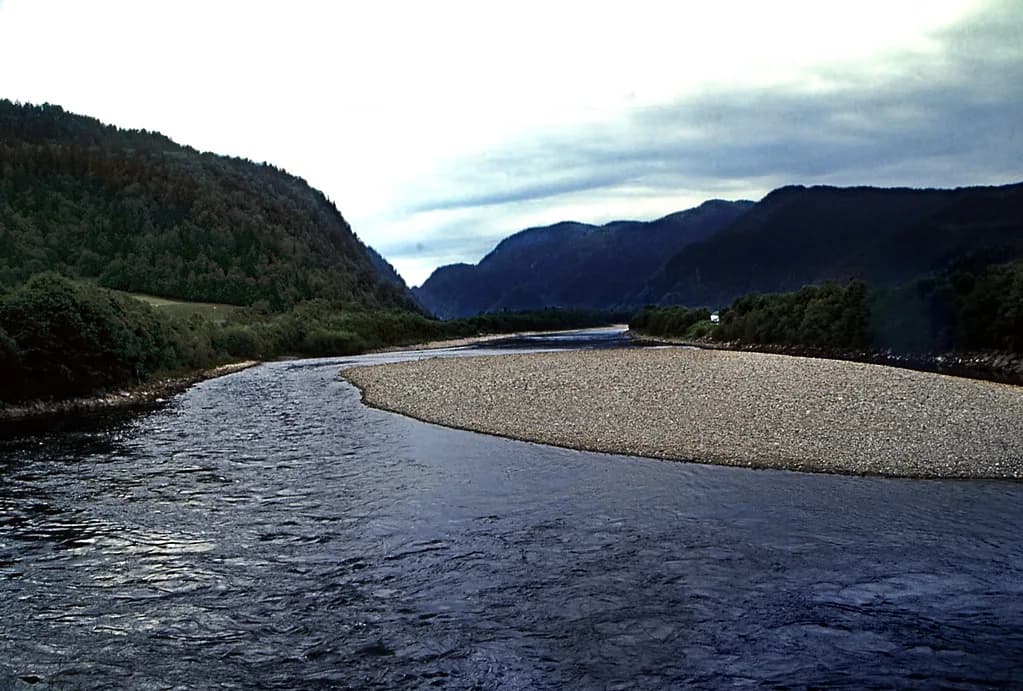
The Gaula falls roughly 950 m over 153 km from Kjølifjellet in Holtålen to Trondheimsfjord at Leinstrand — an average gradient near 0.6%, steep for a river of its size and the reason it has the classic wild-freestone character anglers know. The upper river is a partly-confined step-pool and pocket-water reach on big boulders through the Gauldal valley, cut into the Caledonian phyllites and slates of Trøndelag, with the named drops at Eggafoss near Haltdalen and, further down, Gaulfossen, where the channel narrows to a 700 m bedrock slot between rock walls. Below Gaulfossen, after the Sokna enters at Støren, the valley opens and the channel settles into a classic unconfined pool-riffle reach on wide, well-armoured gravel bars with predictable outer-bank scour pools down through Melhus. The bed is unregulated and genuinely mobile — big spates rework the gravel bars every few winters.

Wading: Slick phyllite and slate slabs in upper reaches

  • Mixed
  • Step pool
  • Pool riffle
Water quality (WFD)
  • EcologyGood
  • ChemicalUnknown

WFD classification · NO122-2-R

The full read · show the working · for atlantic salmon · confidence 75%
How the river scores — hydrology factors
Water heightVery High Unfishable-4.1
Recent riseClear Recent Rise+8.8
Falling after liftStill Rising Hard-0.6
Water temperatureWarm-2.5
Time in seasonSummer Peak Window+2.3
ClarityClearing+2.4
Hydrology base6.3
Will they take?Neutralcaps the band

Taking mood is fair — clearing, stained water, fresh fish moving on the lift.

Can you trust it?
Water temperaturelive gauge readinggauge
Level / flowon-river gaugeobserved
What would change the calculation
No prolonged stable spell before the current rise.
Directions
Seasons & zones
  • Salmon1 June → 31 August
  • TroutOpens Variable by county — typically June–September
Related guides
Booking & contacts