


Spate · Mixed · Newfoundland (Central)

Exploits

Exploits Valley Mall venue image
Google Places

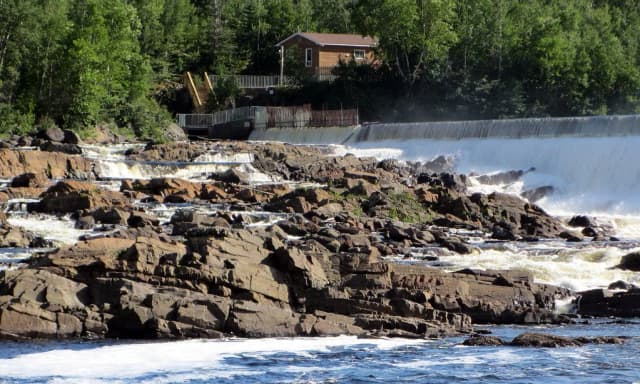
Newfoundland's longest river and a major Atlantic salmon system.

Species

A good day — worth the effort

Low and clear — careful approach country. Small and bright, long leader, careful approach.

50% confidence in this read
Water temperature for atlantic salmon
Ideal
11°C est.ideal 1014°C
0°14°28°
Why this score · for atlantic salmon
  • Temperature10030% weight
  • Flow6025% weight
  • Clarity9520% weight
  • Feeding Time1015% weight
  • Pressure8510% weight
Conditions
Regional est.
Level
Heavy rain recently
No gauge reading
Water temp
10.7°C
Estimated
Clarity
Clear
Air temp
11°C
Wind
NE 11 km/h
Light breeze
Pressure
1011 hPa
Rain · 48h
26.3 mm
Heavy rain
Rain · ahead
6.9 mm
Light rain · next 48h

No gauge on this water — readings are regional estimates from weather, not a live gauge.

Evidence
ModelledModerate confidence

Modelled from regional ecology — no survey or occurrence data for this water yet.

How to fish it · for atlantic salmon
When
Morning into early afternoon.
Where
Pool tails, steadier runs, and any water with pace.
Method
Fish a sensible line-and-fly combination for the height and pace of water.
Kit
13 ft #8/9 double-hander in spate, 10 ft #8 single in low water. Floating line plus a fast-sink tip. 12–15 lb fluoro tippet.
Why this works
Good — water temperature is working for you, but time of day is the limiting factor today.
Through the year
0–3 scale · June highlighted
J
F
M
A
M
J
J
A
S
O
N
D
Salmon runRun
1
2
2
1
Trout seasonSeason
1
2
2
2
2
2
2
2
1
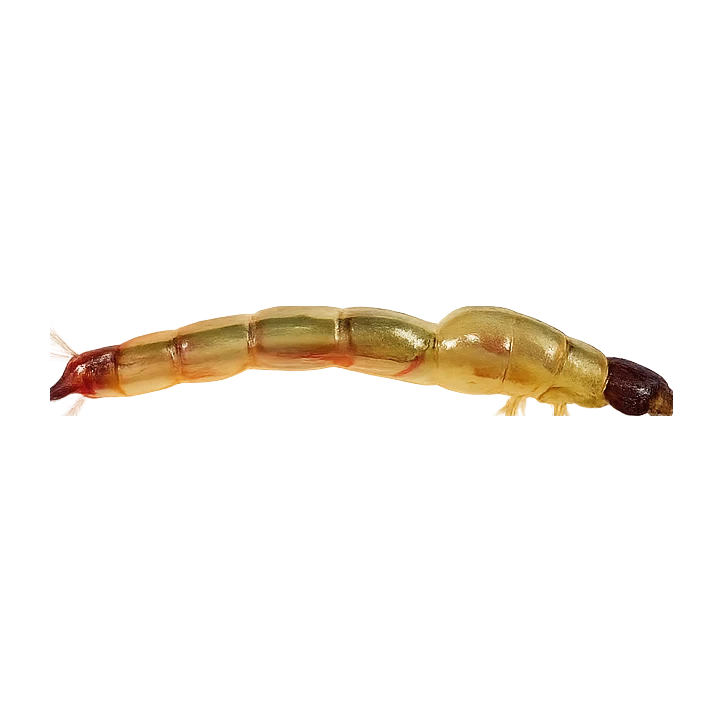
March BrownHatch
2
3
2
GrannomHatch
2
2
Large StoneflyHatch
2
3
2
Yellow SallyHatch
2
3
2

Numbers are intensity 0 (none) to 3 (peak) — a guide, not a guarantee.

Gallery · 1
  1. Terrain map of the venue
    Terrain map
Beats & Access · 6
The Exploits is public, scheduled salmon water rather than a beat-let river — you fish it on a provincial licence with tags, and what changes along its length is the DFO river class, which sets what you may keep. Retention falls away as you move up the system: the lower main stem is class 6 (retention with tags), the lower tributaries class 4, the mid main stem above Grand Falls drops to class 2 (a single tag), and the upper watershed above Red Indian Lake Dam is class 0, catch-and-release only. A special-management section sits around the Red Indian Lake Dam fishway with its own date-split rules. Always confirm the current class, tags and any closures for your stretch in the DFO Newfoundland & Labrador Anglers' Guide before fishing.
Class 6 — lower main stem (retention)1 beat
Lower Exploits main stem (Class 6)DFO Newfoundland & Labrador (public scheduled river)
Atlantic salmonFly only
The main stem of the lower Exploits, from Stoney Brook downstream to Exploits Bay, is the system's class-6 retention water — public salmon fishing on a provincial licence, with the lower-river holding water that benefits from Grand Falls concentrating the run below the barrier. This is where most tags are filled.
Provincial salmon licence + tags (no beat booking)
Class 6: retention permitted with tags under the scheduled-river daily limit. Main-stem-only fall catch-and-release window applies in early autumn (release all salmon, subject to in-season review). Barbless single hooks; provincial salmon licence and tags required.
Class 4 — lower tributaries (retention)1 beat
Lower Exploits tributaries below Grand Falls (Class 4)DFO Newfoundland & Labrador (public scheduled river)
Atlantic salmonFly only
The tributaries entering below Grand Falls — Stoney Brook, Little Rattling Brook, Great Rattling Brook, Three Brooks and Greenwoods Brook — are scheduled class-4 water. Public salmon fishing on the same licence, with retention still allowed but under the class-4 tag rules rather than the more generous main-stem allowance.
Provincial salmon licence + tags (no beat booking)
Class 4: retention permitted with tags, under the class-4 daily limit. Barbless single hooks; provincial salmon licence and tags required. Confirm which named tributaries are open and their class each season.
Class 2 — mid main stem (one tag)1 beat
Mid-Exploits main stem (Class 2)DFO Newfoundland & Labrador (public scheduled river)
Atlantic salmonFly only
The mid main stem, from the Grand Falls fishway up to Red Indian Lake Dam, is class-2 water — public salmon fishing where retention is cut back to a single tag. Good holding water above the falls, but managed more tightly than the lower river.
Provincial salmon licence + tag (no beat booking)
Class 2: one salmon retention with a single tag only — the rest catch-and-release. Barbless single hooks; provincial salmon licence and tags required. Confirm the current single-tag limit in the Anglers' Guide.
Class 0 — upper watershed (catch & release)1 beat
Exploits watershed above Red Indian Lake Dam (Class 0, C&R only)DFO Newfoundland & Labrador (public scheduled river)
Atlantic salmonFly only
The watershed above Red Indian Lake Dam — including Victoria River, Mary March Brook, Lloyds River and the tributaries draining into Red Indian Lake — is scheduled class-0 water. Public, fishable on a licence, but entirely catch-and-release; this is the conservation end of the system.
Provincial salmon licence (no tags required for C&R-only water)
Class 0: catch-and-release only — no retention, no tags used here. Barbless single hooks; provincial salmon licence required. Handle and release fish quickly, especially in low warm water.
Red Indian Lake Dam (special management)1 beat
Red Indian Lake Dam special-management sectionDFO Newfoundland & Labrador (special management)
Atlantic salmonFly only
A short special-management section runs from 25 m below the fishway down to the former Abitibi-Bowater steel bridge, around the Red Indian Lake Dam. It is fishable on a salmon licence but governed by its own date-split rules rather than a simple class — read it as a managed pinch-point, not open water.
Provincial salmon licence (special-management rules apply)
Special-management section: salmon licence required, date-split rules apply (different rules at different times of season around the dam/fishway). 25 m below the fishway to the Abitibi-Bowater steel bridge. Confirm the current date splits and any closures in the DFO Anglers' Guide before fishing.
Outfitter & guided access1 beat
Exploits outfitter & guided access (context)Victoria Outfitters and other Exploits-area services
Atlantic salmonFly only
A handful of outfitters, including Victoria Outfitters, offer guided and accommodation-based Atlantic salmon service on the Exploits. They sell guiding, lodging and local knowledge — the salmon water itself remains the public scheduled river under its DFO class rules.
Victoria Outfitters (direct enquiry)
Statutory river-class and tag rules still apply on guided water — an outfitter does not change retention or closures. Confirm the class of the stretch you are guided on and that no private lease is implied.
Permits & access
Permit required — see local rules.
  • Newfoundland scheduled-river rules apply
  • Provincial salmon licence is required, and access on the lower river is shaped by the concentration of fish below Grand Falls.
Directions
About this water

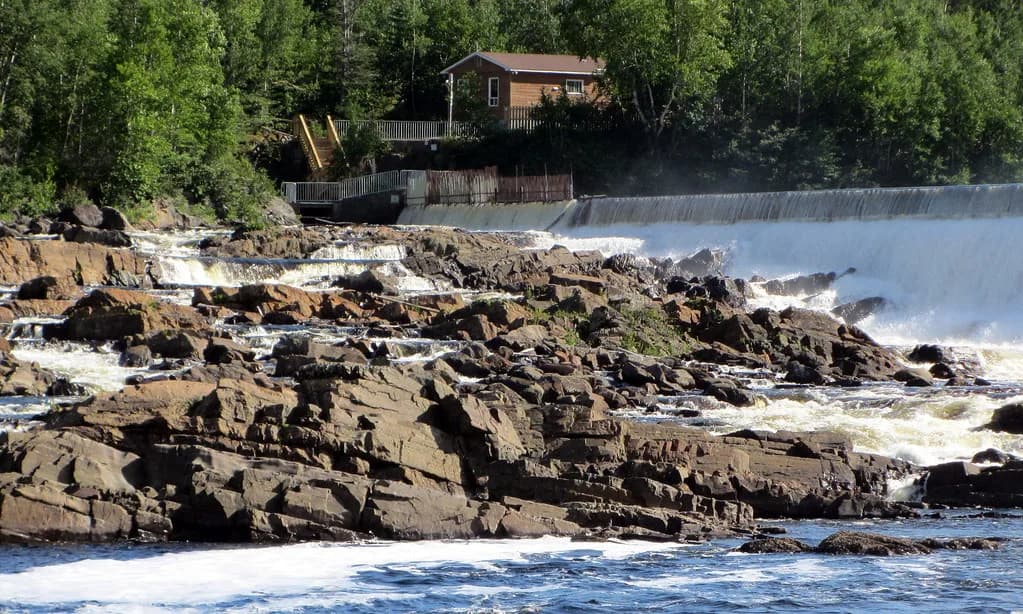
Newfoundland's longest river and a major Atlantic salmon system. Enormous catchment producing long-lasting spates (14 hours). Salmon runs from June with July–August strongest. Sea-run brook trout are an important secondary fishery — these are genuine sea-run brookies, not the European sea trout (brown trout). Brook trout average 0.5–1.5 kg with occasional larger specimens. Bomber and Blue Charm standard. Grand Falls blocks upstream migration, concentrating salmon below the falls.

  • Mixed
Seasons & zones
  • Salmon1 June → 7 September
  • Trout15 January → 15 September
  • Brook troutvaries by zone (earliest 1 February) → 7–15 September (zone-specific)
Related guides
Booking & contacts