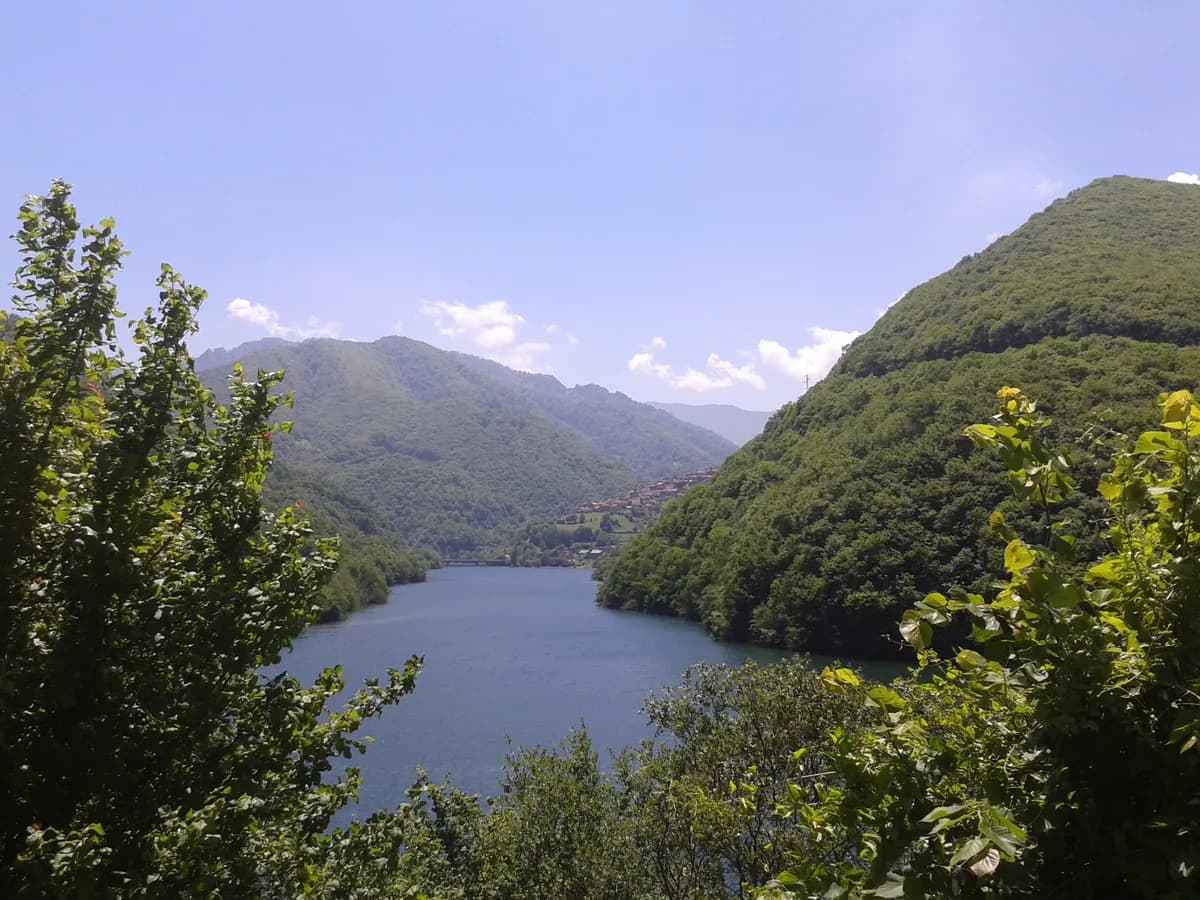


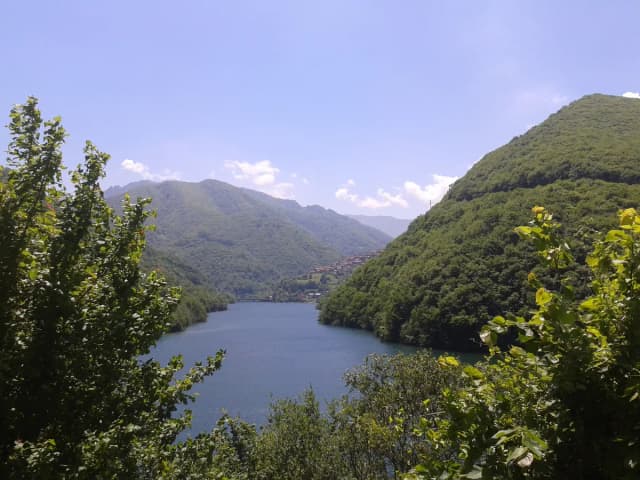
Tanes sits in the Redes country, a steep green reservoir on the upper Nalón that also waters Oviedo and Gijón — so nobody is launching a boat here. That leaves the bank, and the bank fishes better than the gradient suggests. The brown trout are wild and the setting is the Parque Natural de Redes, which means you fish among beech woods and the occasional incurious deer. There is a wrinkle worth knowing: the left margin below the Coballes bridge stays shut until the middle of June, so check the line before you commit a morning to it. Six trout is the daily limit, though sense and the no-kill habit both argue for fewer. A quiet, scenic, properly Asturian bit of water.
A patient day, if you fancy it
Glassy and bright — hard work without a breeze. A flat lough is a quiet lough — wait for the breeze.
Live now
Conditions on the water
Trends shown where the gauge supports them
Some readings unavailable — check directly before fishing.
How to fish · for brown trout
The brief
When · where · method · kit
Today's tactical plan
The plan
Plan A · Plan B · what to watch · bank or boat
With limited drift, anchor or fish static from sheltered positions. Work a bushy searching pattern on the bob and drop a contrasting nymph on the point. In the calm, a single dry fly or a slowly-fished nymph tends to out-fish an active retrieve.
If the main plan is not working, switch to a smaller, more imitative pattern fished slower and deeper. A change of drift angle can also make a difference.
Evening tends to be the best period in summer — stay late if you can for a sedge or spinner fall.
Flat calm suits bank fishing near features — points, weed beds, and inflows where fish patrol.
Hatches & runs
What's on, when
Twelve months at a glance
Numbers are intensity 0 (none) to 3 (peak) — a guide, not a guarantee.
Today's fly · curated pack
Top pattern + the box
6 patterns from this venue's curated pack
Evidence
Why today scores what it does
The factors driving today's verdict
- summer conditions with overcast skies and calm wind.
- Reservoir at or above capacity, likely spilling — fish congregated at the outflow.
Embalse de Tanes · profile
Who this water suits
Strengths · watch-outs · best for
Embalse de Tanes, on the water
Field guide · contributor-editedEmbalse de Tanes · about
What this water is
Background · character · contributors
Tanes sits in the Redes country, a steep green reservoir on the upper Nalón that also waters Oviedo and Gijón — so nobody is launching a boat here. That leaves the bank, and the bank fishes better than the gradient suggests. The brown trout are wild and the setting is the Parque Natural de Redes, which means you fish among beech woods and the occasional incurious deer. There is a wrinkle worth knowing: the left margin below the Coballes bridge stays shut until the middle of June, so check the line before you commit a morning to it. Six trout is the daily limit, though sense and the no-kill habit both argue for fewer. A quiet, scenic, properly Asturian bit of water.
- Reservoir
- Mixed
Embalse de Tanes · directions
How to get to the water
Embalse de Tanes · permits
Good to know
- Asturias licence required
- Bank only (drinking-water reservoir — no boats)
- Left margin from 200 m below the Coballes bridge to the dam wall is closed until 15 June
- Trout daily limit 6; sin muerte once reached.
Embalse de Tanes
Tanes sits in the Redes country, a steep green reservoir on the upper Nalón that also waters Oviedo and Gijón — so nobody is launching a boat here.
A patient day, if you fancy it
Glassy and bright — hard work without a breeze. A flat lough is a quiet lough — wait for the breeze.
Some readings unavailable — check directly before fishing.
A reasonable day here, though temperature isn't quite in the sweet spot.
With limited drift, anchor or fish static from sheltered positions. Work a bushy searching pattern on the bob and drop a contrasting nymph on the point. In the calm, a single dry fly or a slowly-fished nymph tends to out-fish an active retrieve.
If the main plan is not working, switch to a smaller, more imitative pattern fished slower and deeper. A change of drift angle can also make a difference.
Evening tends to be the best period in summer — stay late if you can for a sedge or spinner fall.
Flat calm suits bank fishing near features — points, weed beds, and inflows where fish patrol.
- summer conditions with overcast skies and calm wind.
- Reservoir at or above capacity, likely spilling — fish congregated at the outflow.
Numbers are intensity 0 (none) to 3 (peak) — a guide, not a guarantee.
- Asturias licence required
- Bank only (drinking-water reservoir — no boats)
- Left margin from 200 m below the Coballes bridge to the dam wall is closed until 15 June
- Trout daily limit 6; sin muerte once reached.
Tanes sits in the Redes country, a steep green reservoir on the upper Nalón that also waters Oviedo and Gijón — so nobody is launching a boat here. That leaves the bank, and the bank fishes better than the gradient suggests. The brown trout are wild and the setting is the Parque Natural de Redes, which means you fish among beech woods and the occasional incurious deer. There is a wrinkle worth knowing: the left margin below the Coballes bridge stays shut until the middle of June, so check the line before you commit a morning to it. Six trout is the daily limit, though sense and the no-kill habit both argue for fewer. A quiet, scenic, properly Asturian bit of water.
- Reservoir
- Mixed
Tanes sits in the Redes country, a steep green reservoir on the upper Nalón that also waters Oviedo and Gijón — so nobody is launching a boat here. That leaves the bank, and the bank fishes better than the gradient suggests. The brown trout are wild and the setting is the Parque Natural de Redes, which means you fish among beech woods and the occasional incurious deer. There is a wrinkle worth knowing: the left margin below the Coballes bridge stays shut until the middle of June, so check the line before you commit a morning to it. Six trout is the daily limit, though sense and the no-kill habit both argue for fewer. A quiet, scenic, properly Asturian bit of water.