
 Stoneflies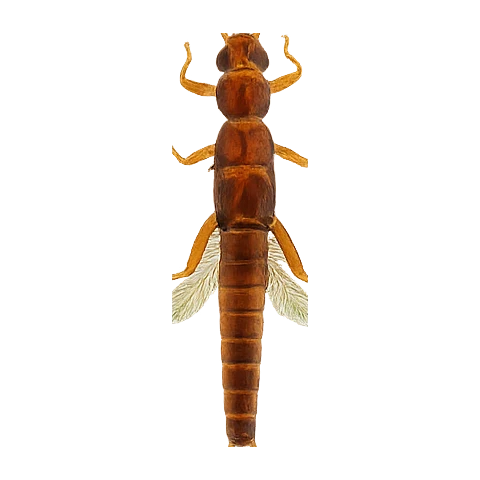
 Caddisflies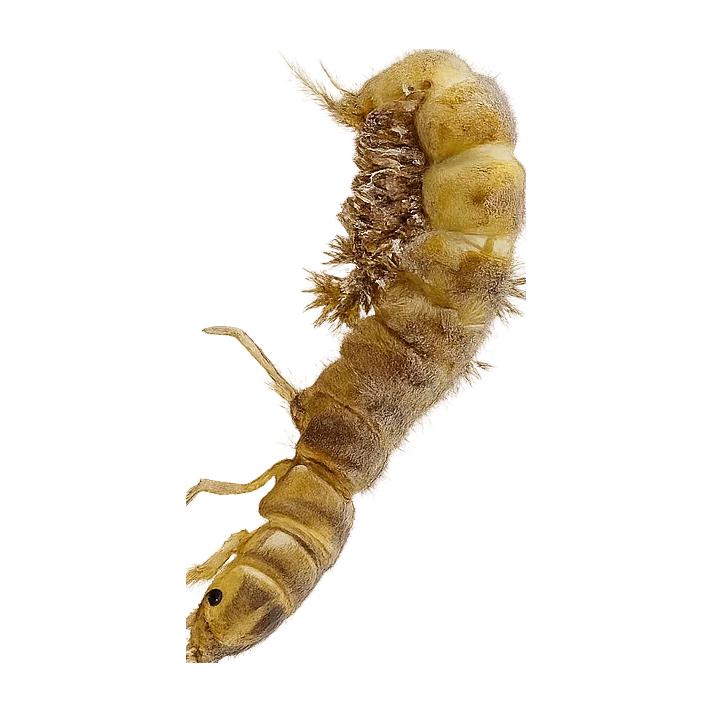
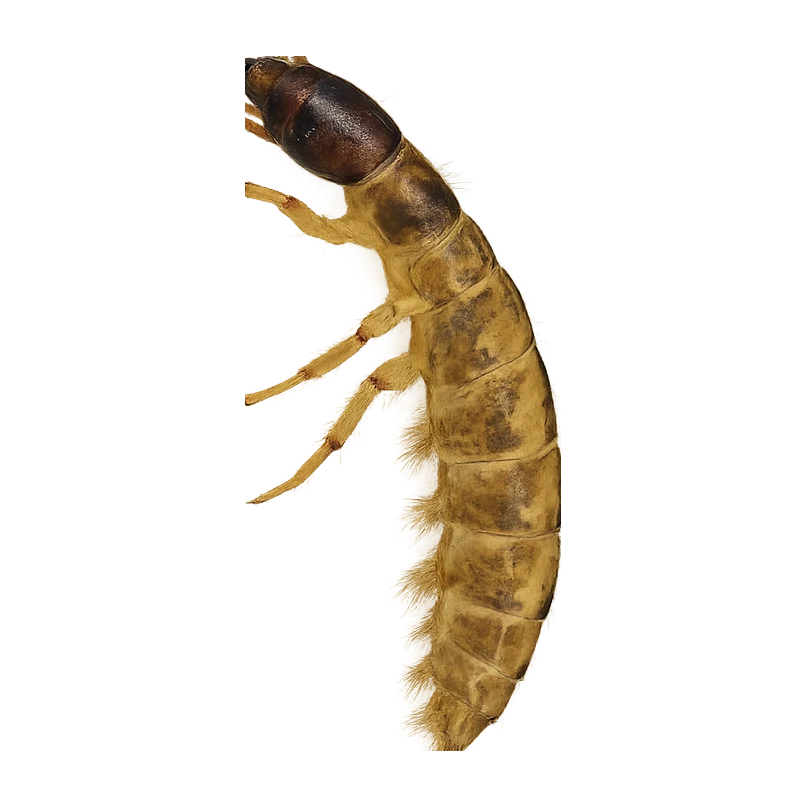
 Gammarids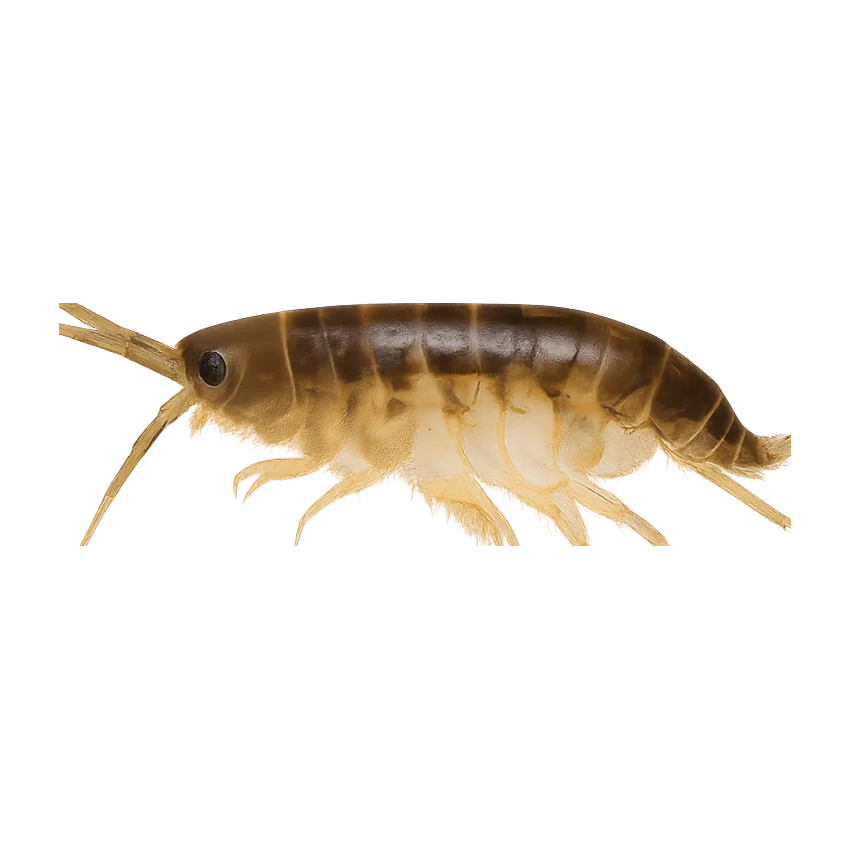


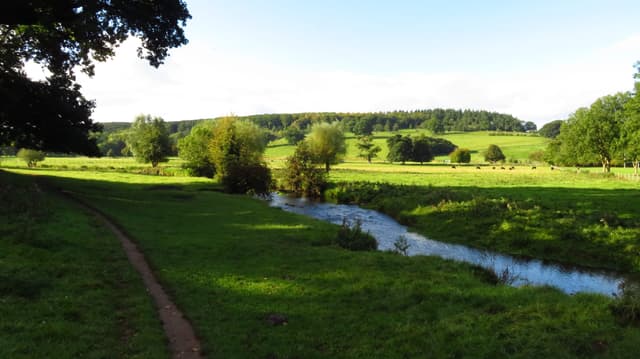
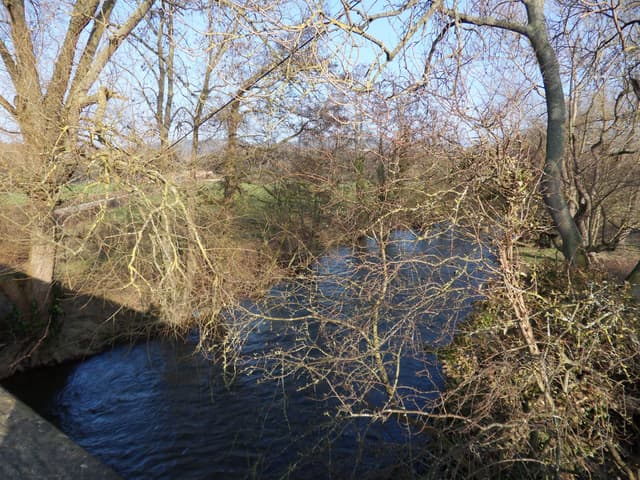
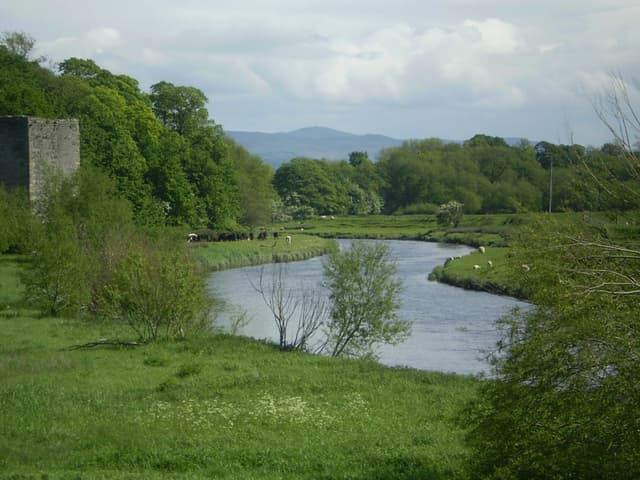
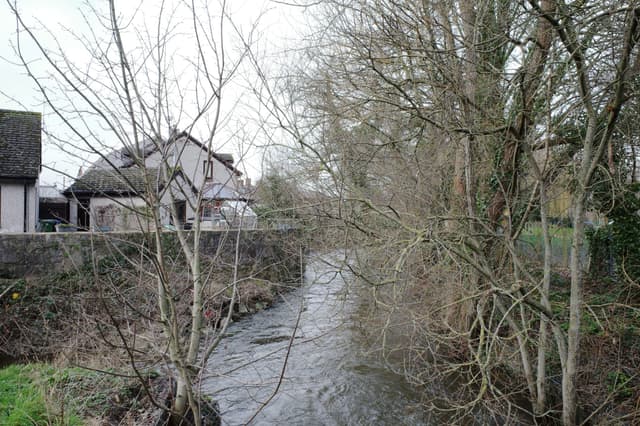
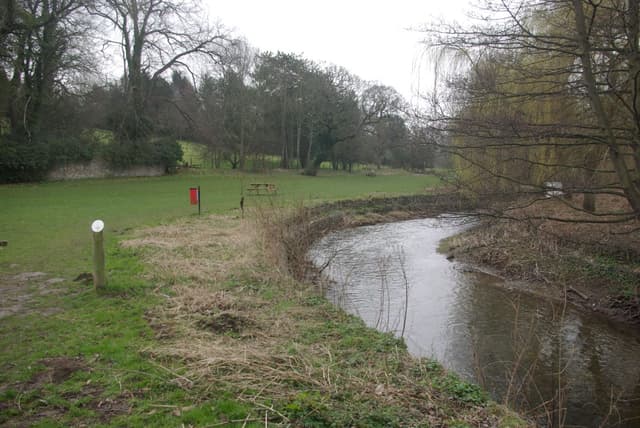
North Wales salmon and sea trout river flowing through the Vale of Clwyd. Limestone-influenced lower reaches support good hatches and alkaline conditions. Spring salmon and summer/autumn sea trout. Fish sinking-tip with medium tubes for salmon, smaller wets for sea trout. Club water with day ticket access available. A limestone system with more favorable conditions than purely slate rivers. Atlantic salmon are under serious conservation pressure — Natural Resources Wales mandates catch-and-release for salmon on all rivers, so all fish must be returned.
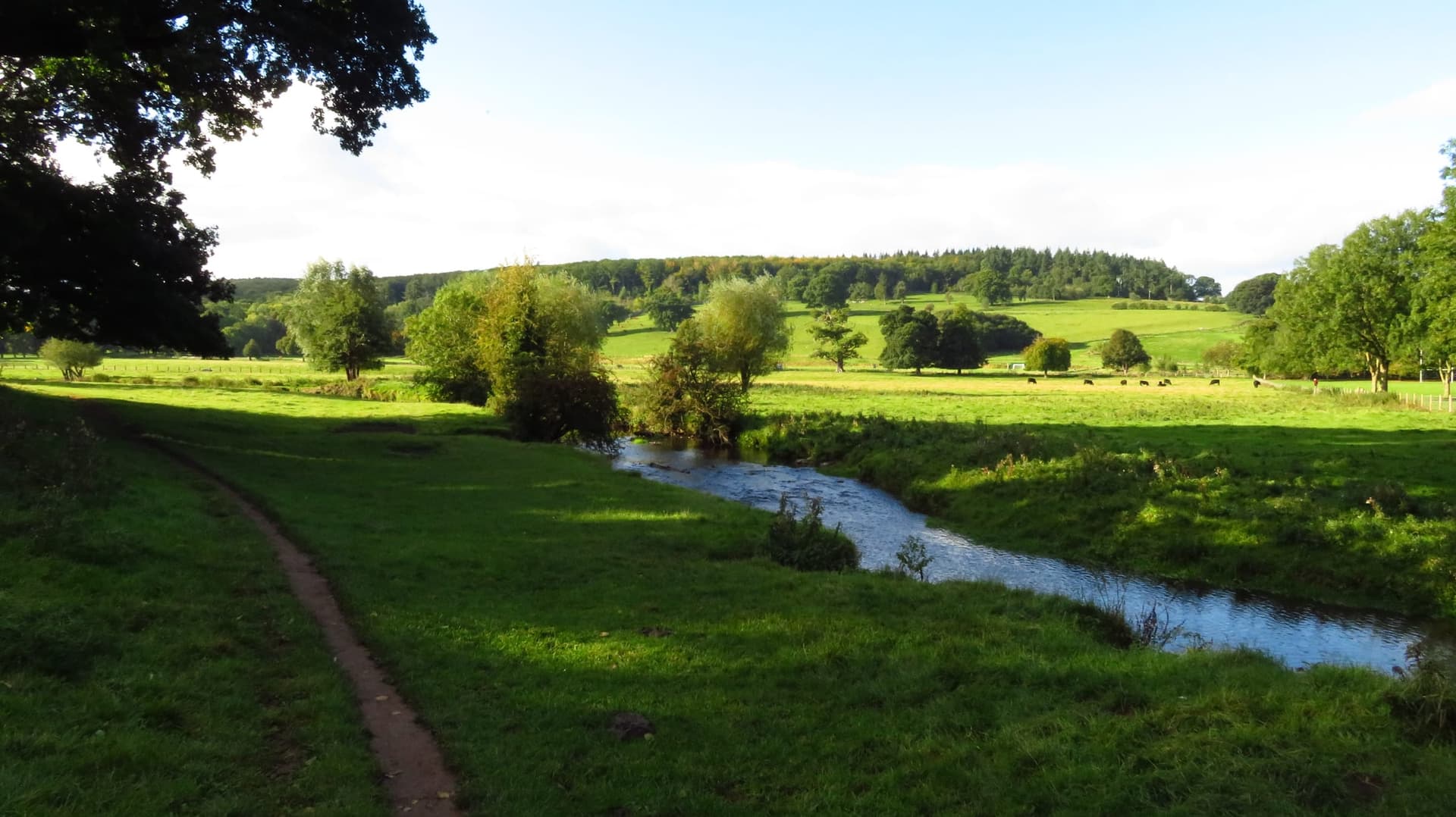
The Clwyd rises in the Clocaenog Forest north-west of Corwen and runs thirty-five miles to the Irish Sea at Rhyl, its course bent sharply north-east by the Vale of Clwyd Fault near Melin-y-wig. Above Ruthin it threads a narrow valley; below, it leaves the hills and meanders through the broad, fertile farmland of the Vale of Clwyd, gathering the substantial Clywedog south of Denbigh before passing St Asaph to the tide. It is a lowland river of clear water over gravel and rock, quick to colour and rise after rain off the high ground. Salmon push through in March and May with the main run in high summer, and the sewin — Welsh sea trout — move in numbers from June. The bed is gravel and rock through a soft agricultural vale. Wading is easy on the whole, with the usual care where the river runs deep and strong below the weirs.
Wading: Deep, strong water below the weirs
Summer-autumn runs (June–September), primarily nocturnal
- Limestone
- Unconfined
- Pool riffle
- Meandering