
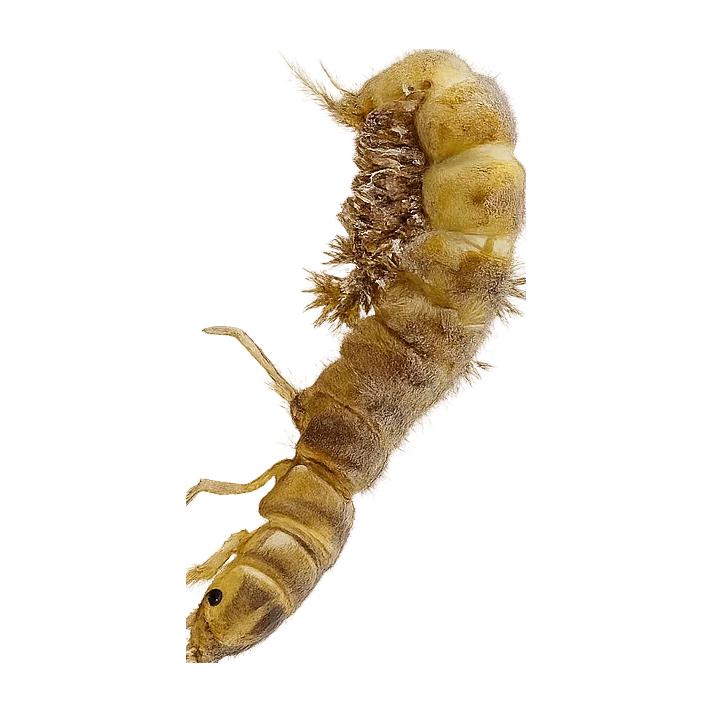
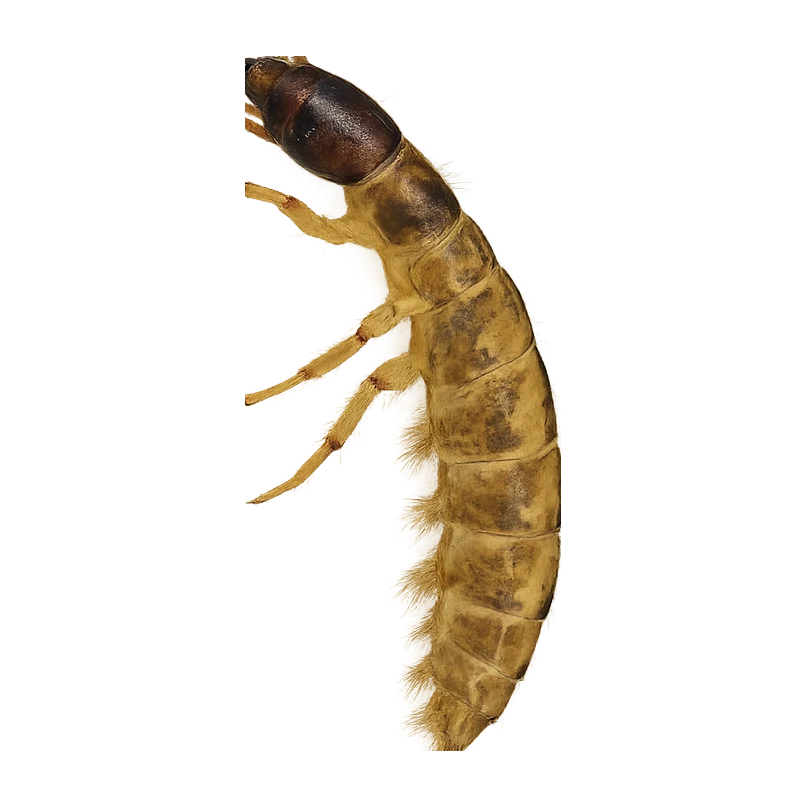
 Stoneflies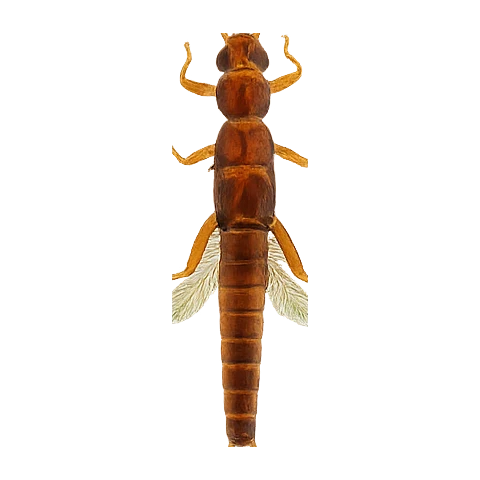
 Caddisflies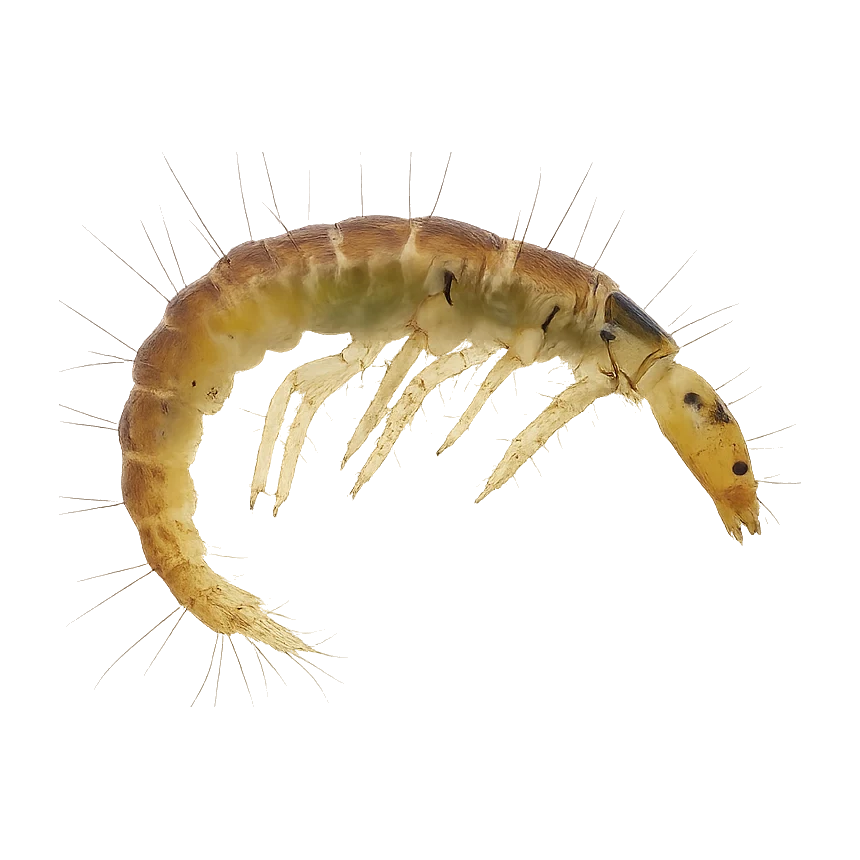
 Gammarids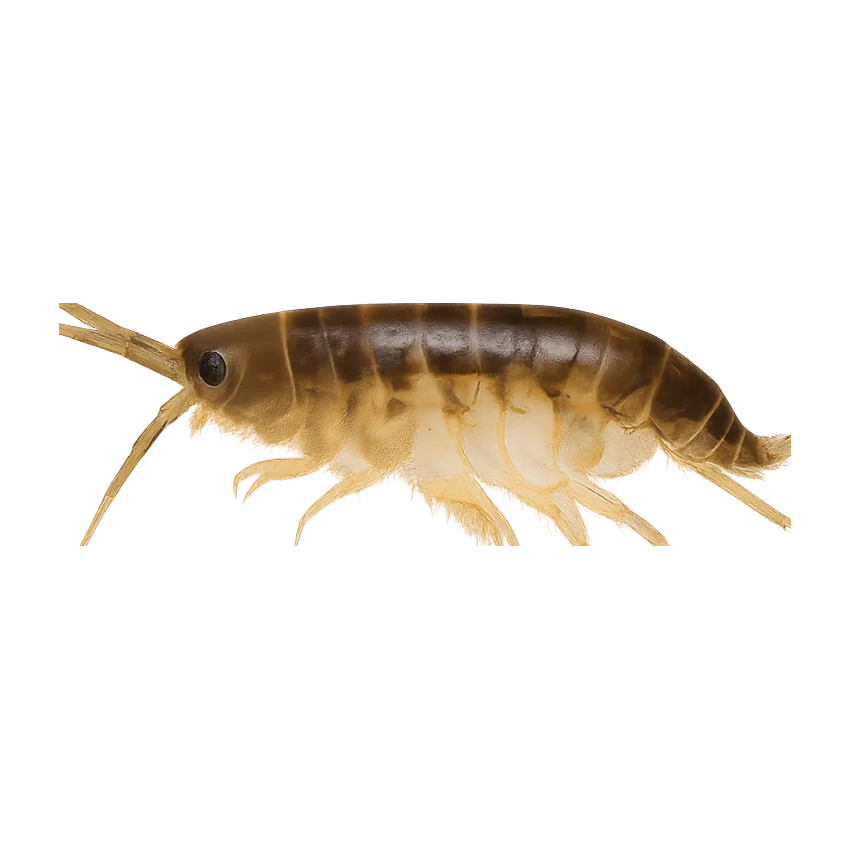
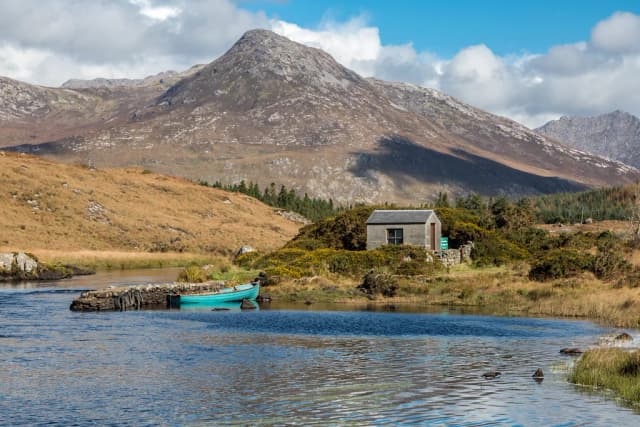
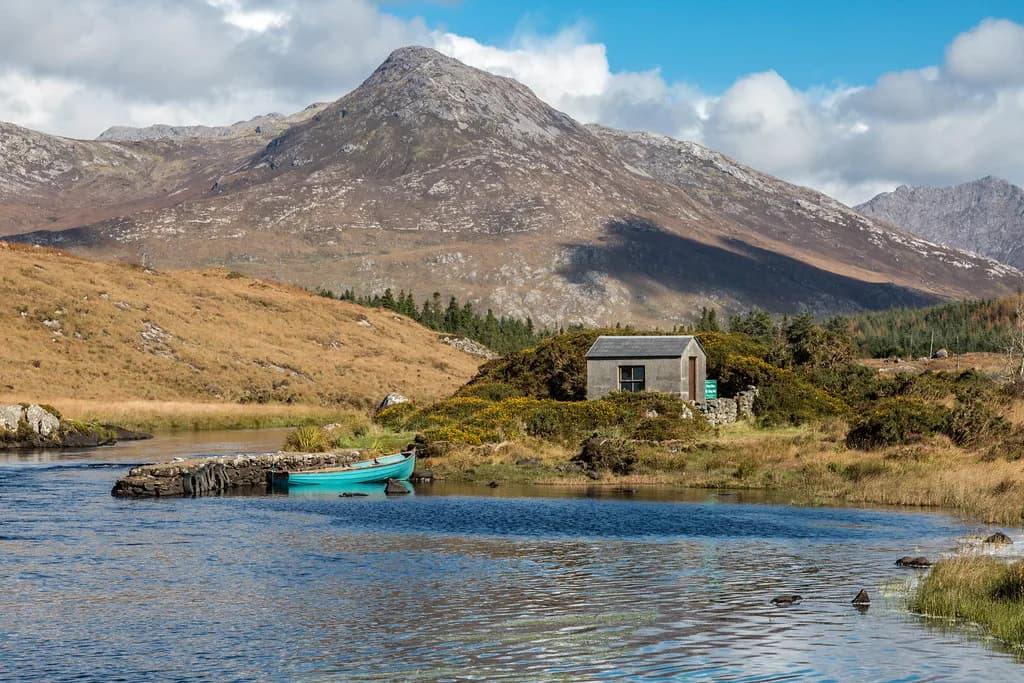
Classic Connemara salmon fishery — a short, spate-driven system flowing through Ballynahinch Castle estate. Granite catchment with rapid response to rain. Salmon and sea trout in a compact, intimate setting. For 2026 this is a catch-and-release fishery under the Wild Salmon & Sea Trout Tagging Scheme — all salmon and grilse must be returned.
The Ballynahinch River is the short, wide, deep tail of one of Connemara's largest catchments — sixty-eight square miles of interconnected loughs and short connecting streams draining off the Twelve Bens through Lough Inagh and the Owenmore to the sea at Bertraghboy Bay. The named river itself runs only about four kilometres, beneath the castle, but it carries eight salmon beats and four sea-trout pools over a bed of Connemara granite, the water peat-tinged and quick to rise off the bog. This is classic western migratory water: grilse push in on the late-June floods, traditionally large for Ireland at six or seven pounds, and the sea trout — once the glory of the system — have recovered strongly since the estuary salmon farm was reduced. The granite-and-peat country gives soft, acidic water. Wading is steady on firm gravel and rock, with the usual care where the river runs deep and strong below the castle.
Wading: Deep, strong water below the castle
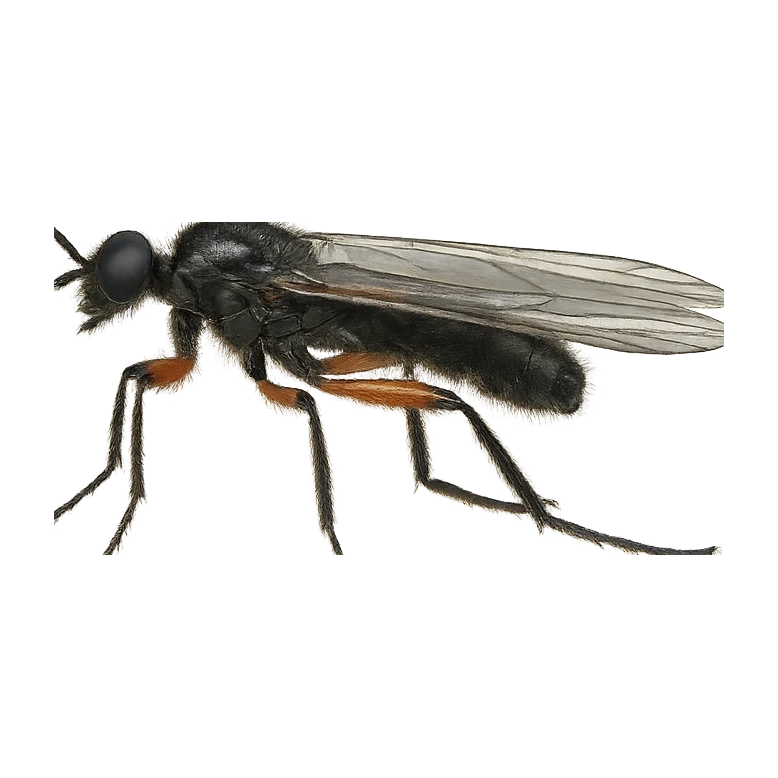
No venue-specific hatch data yet; as a Connemara spate river draining acidic bog and rock, expect the typical acid-water pattern of sparse, flood-driven upwing hatches with stoneflies and terrestrials carrying more of the food base - treat this as a general expectation, not an observed hatch.
- Granite
- Partly confined
- Pool riffle