
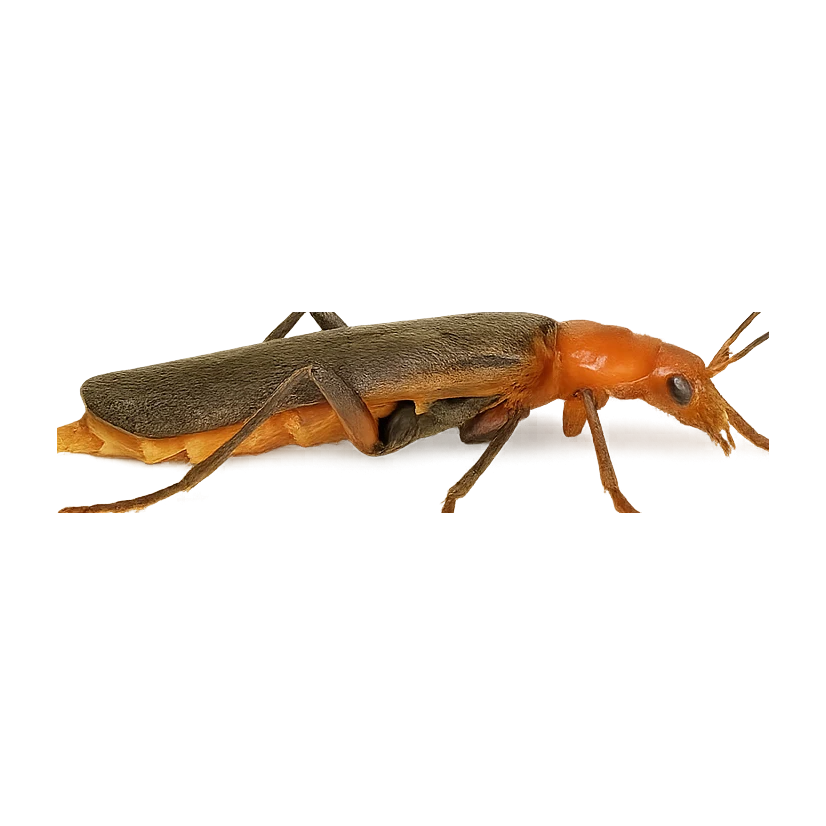
 Caddisflies
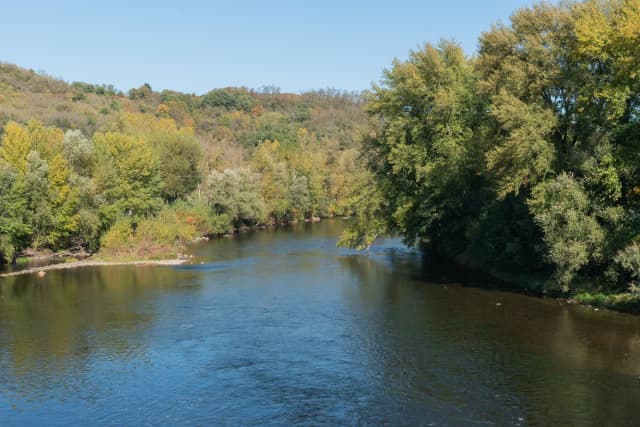
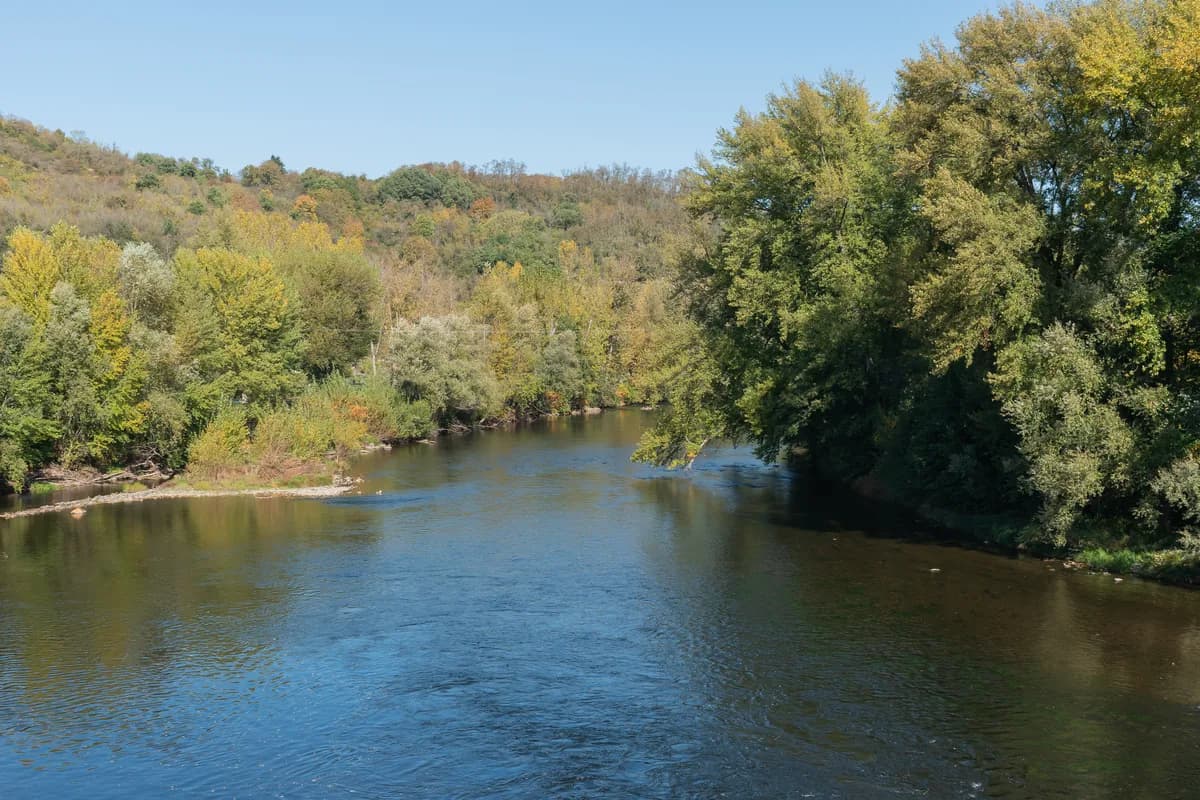
The Allier is the Loire's great salmon tributary and the most important wild Atlantic salmon river left in mainland France. Every salmon entering the Loire system to spawn in the Auvergne highlands comes up this river. There is no stocking. Every fish is wild, and every fish has run 900 kilometres from the Atlantic. Salmon fishing is closed. The Loire-basin population is a conservation stock, monitored rather than fished. The Poutès dam reconfiguration, completed in 2020, reopened access to critical upstream spawning habitat for the first time in 80 years, and the run, though still small, is showing signs of recovery. The Allier is also first-rate brown trout and grayling water throughout its middle and upper reaches, with strong Baetis and stonefly hatches. The gorge sections above Langeac, where the river cuts through volcanic rock, are particularly good.
- Granite