Worms
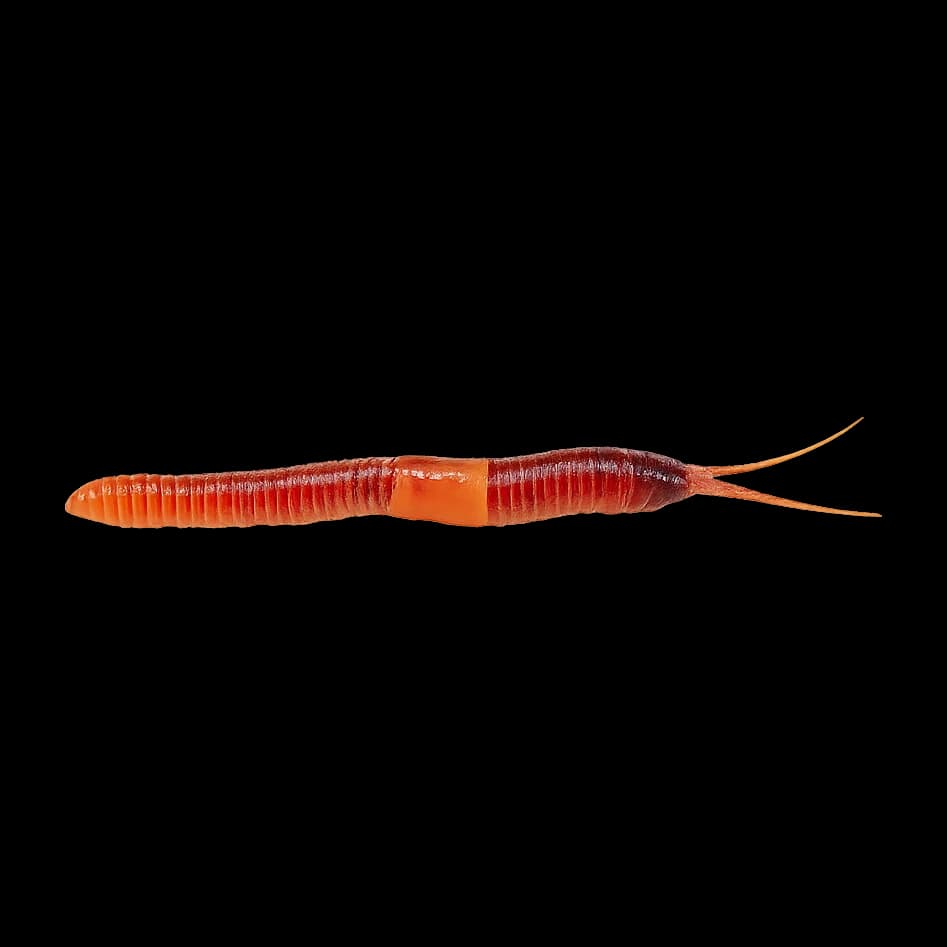
No hatch and no season — this is in the water every month of the year, so it's always a fair bet when nothing is showing on top.
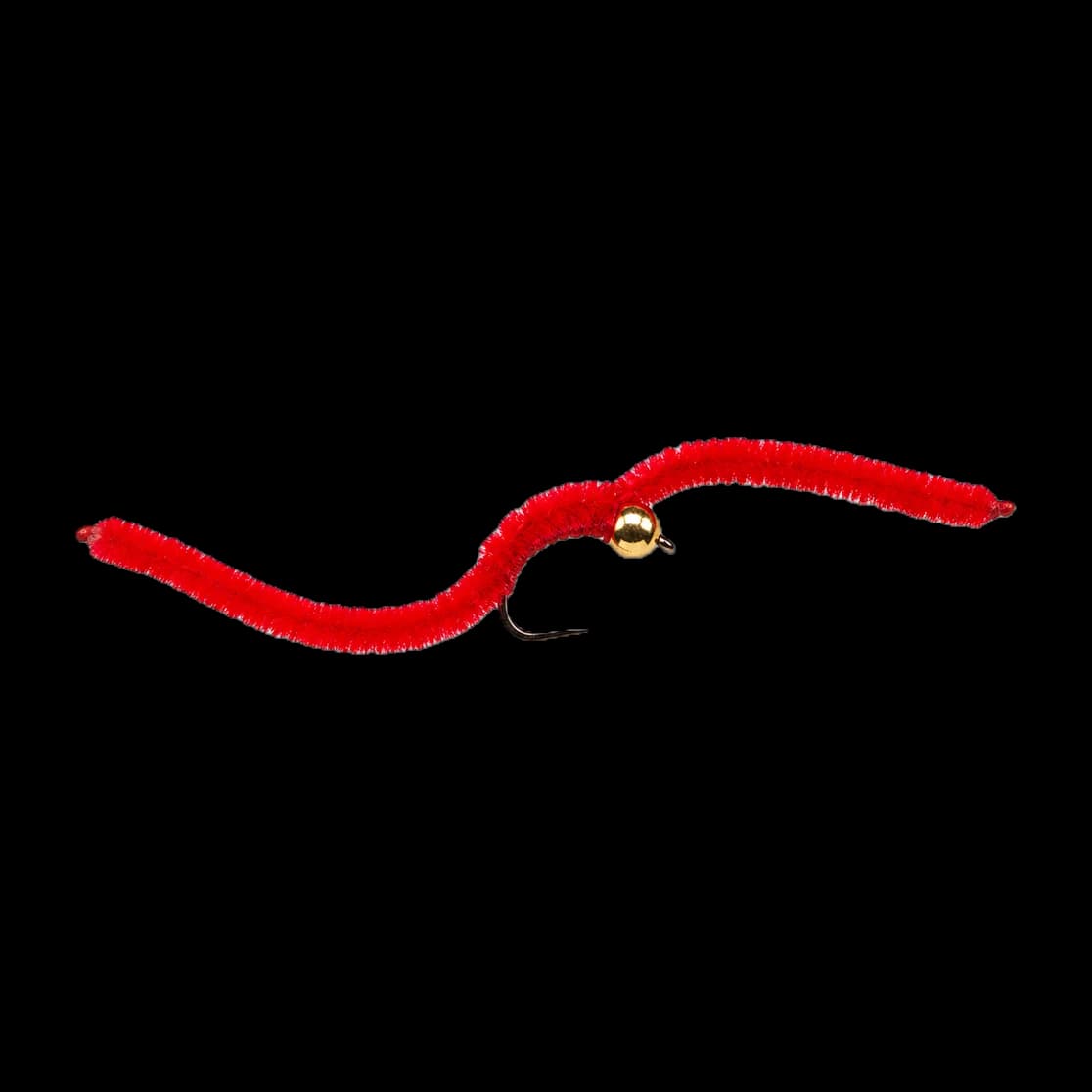
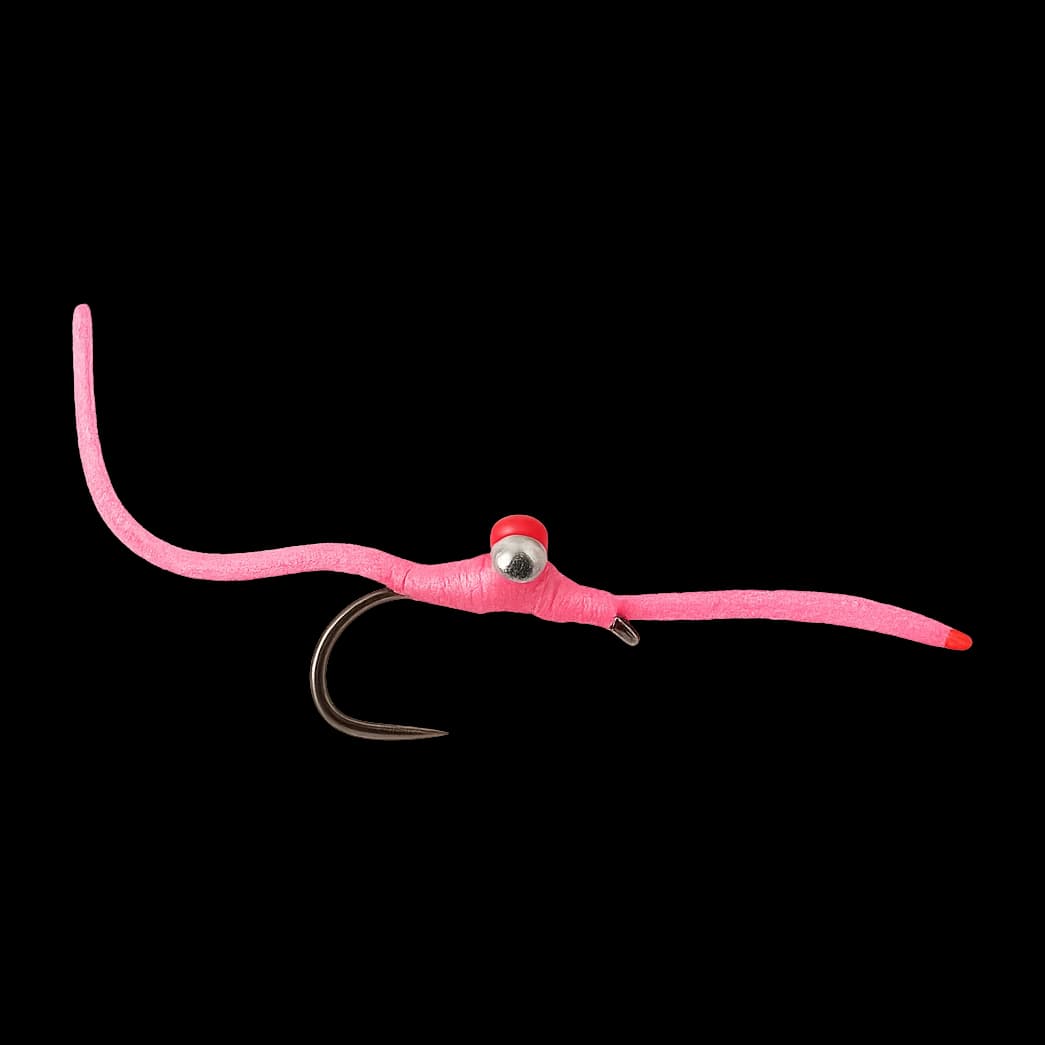
This is a fly-fishing pattern, not a hook baited with the real thing — Squirmy Wormy, San Juan Worm and Pink Worm all imitate exactly this moment, and there's no shame in having one on. Lumbricus terrestris is a deep-burrowing soil worm rather than a surface dweller, so under normal conditions it's simply not available to a trout at all; what changes that is a spate. Once the river's up and coloured, worms wash out of the sodden banks in numbers, and a trout that can't see a natural surface insect through the murk will take a worm pattern fished on the drop or bumped slowly along the bottom with real confidence. It's a searching fly for exactly that window — high, coloured water, nothing hatching — not a year-round searching pattern the rest of the time.

- British IslesPresent
- IberiaPresent
- The AlpsPresent
- ScandinaviaPresent
- Continental EuropePresent
- Atlantic fringePresent
- North America — WestPresent
- North America — EastPresent
- East AsiaPresent
- New ZealandPresent
- PatagoniaPresent
Lumbricus terrestris, known by the common names lob worm, nightcrawler, and common earthworm, is a large reddish earthworm species thought native to Western Europe, now one of the most widespread species of its family. It is a deep-burrowing (anecic) worm, building semi-permanent vertical burrows in soil and coming to the surface to feed on leaf litter, most conspicuously during and after heavy rainfall.