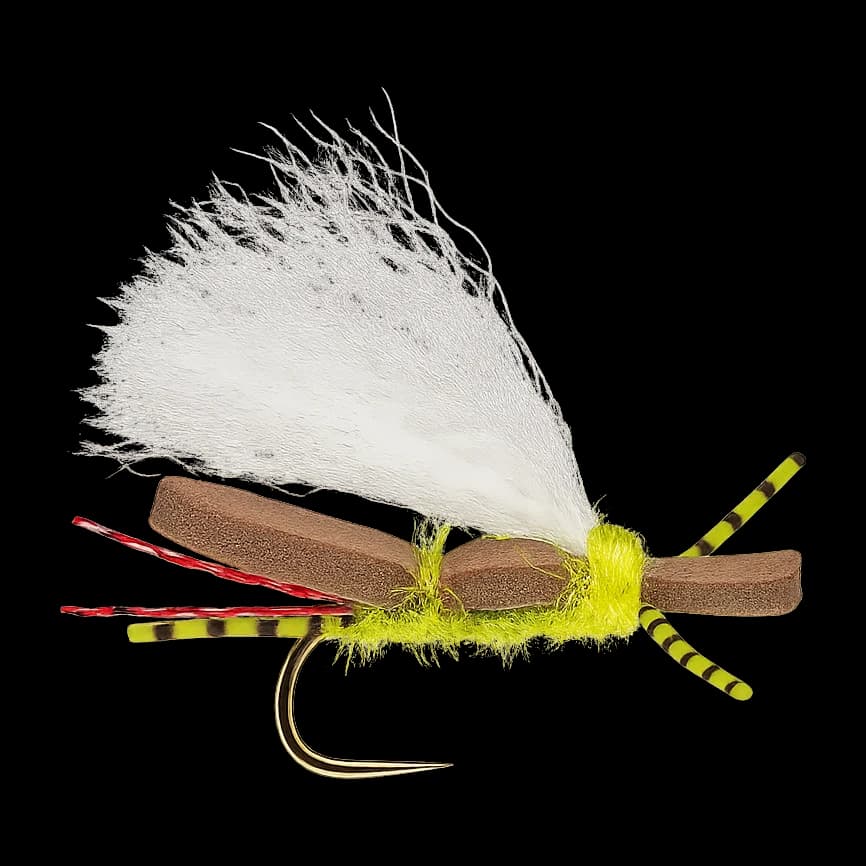
Cicada (NZ)
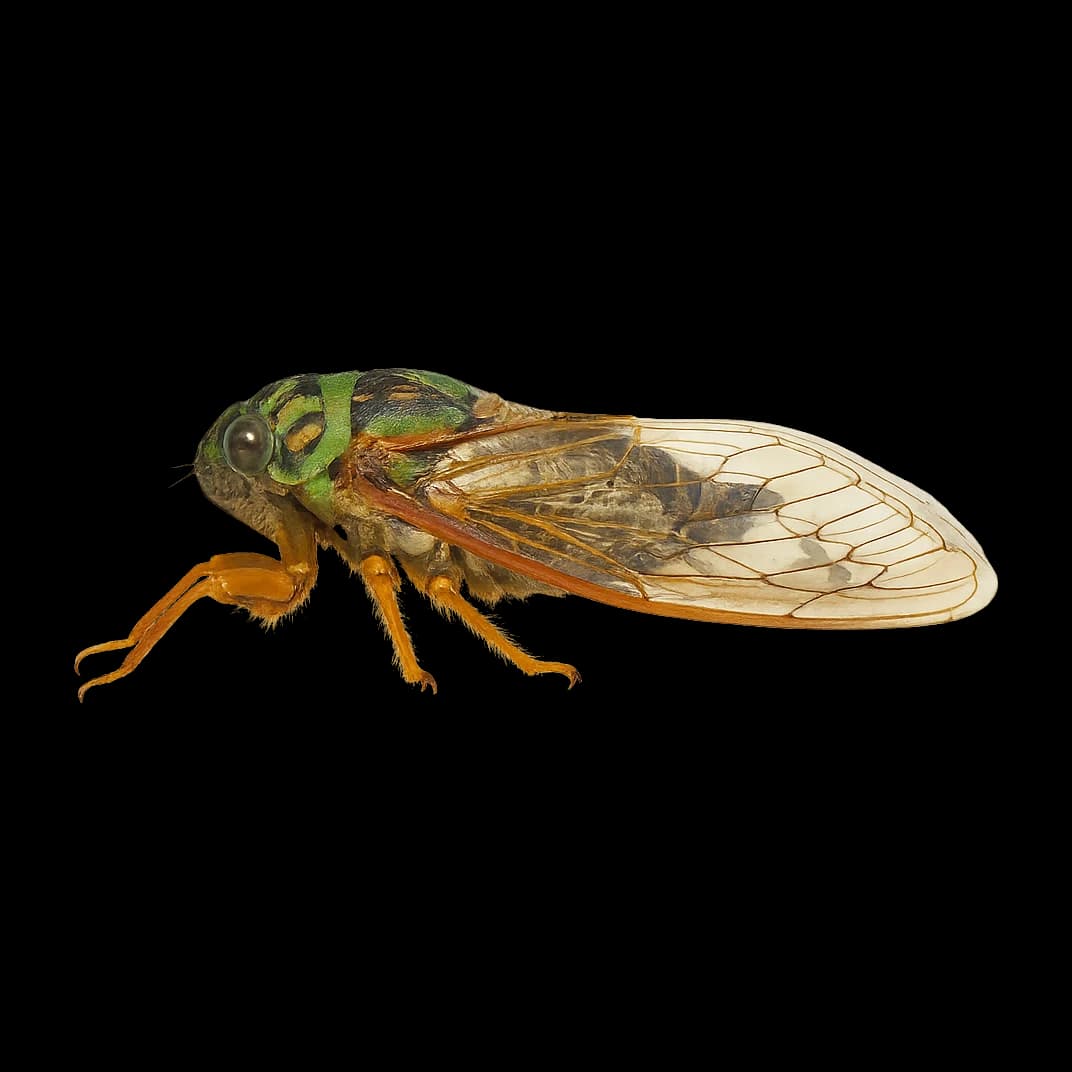
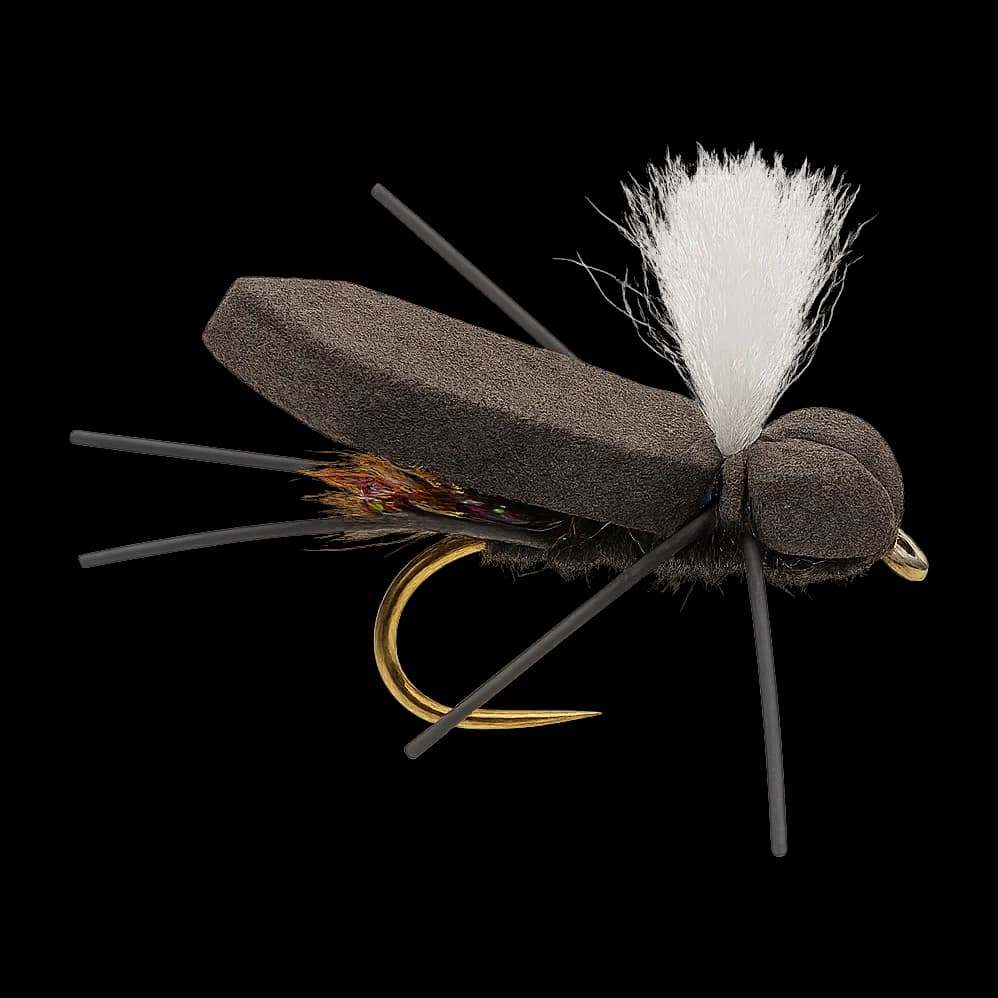
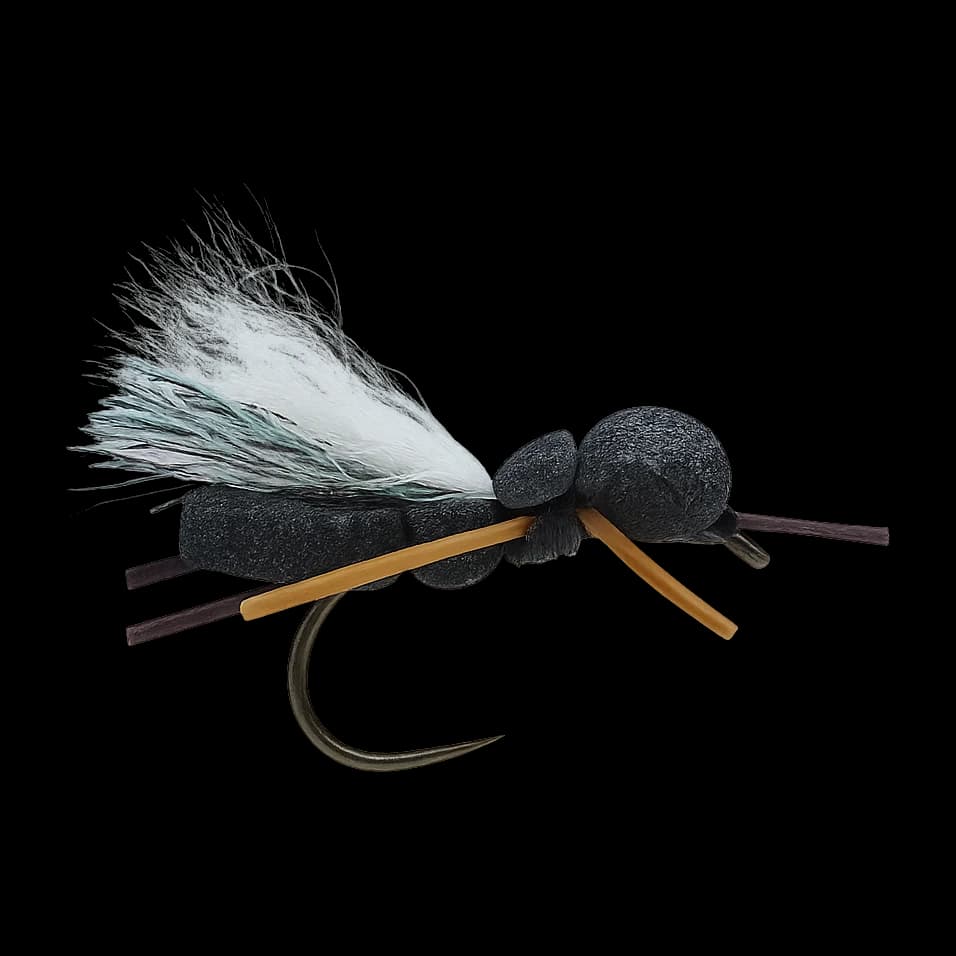
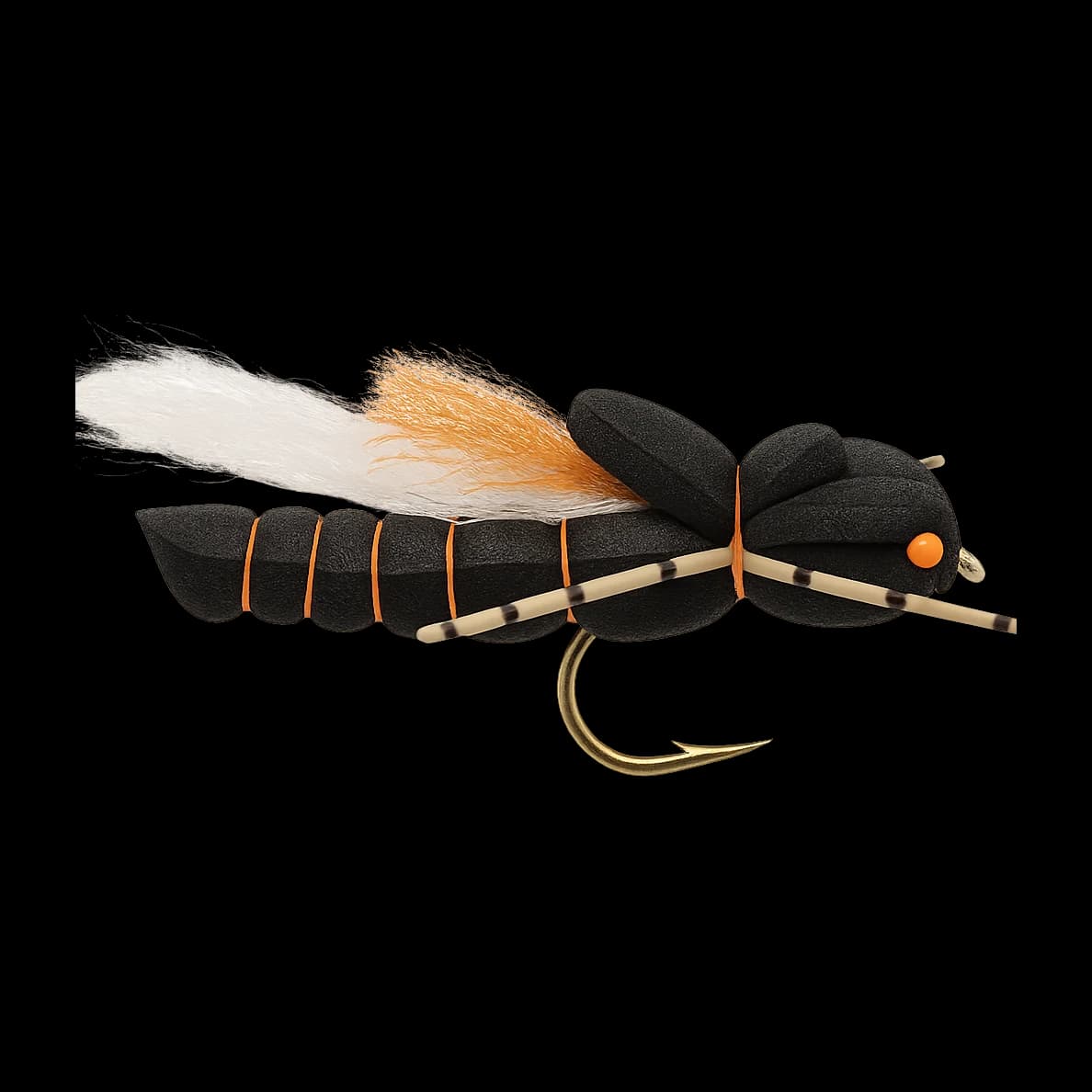
Another one to leave in reserve until the weather actually earns it. The chorus cicada needs real midsummer heat — a hot, still December-to-February day, hot enough that the calling from the trees along the bank gets loud before you've even tied anything on — and it's specifically on those days, not the merely warm ones, that adults start dropping from the branches onto the water. Give the fly a small twitch once it lands rather than leaving it dead still — the naturals keep struggling on the surface rather than lying there, and that little bit of movement is often what turns a fish's head. The takes are explosive when it happens, and they'll move fish that have spent the whole day ignoring your best efforts. Worth one pattern for the hottest days of a New Zealand summer; not worth a program built around it.
- New ZealandPresent
The chorus cicada , Amphipsalta zelandica , is the most common species of cicada in New Zealand where it is endemic and found in most areas. They typically live in forests and areas with open bush, where their left-over nymph skins can be seen on tree trunks and branches during the summer months. The males produce their cicada sound in unison, which can reach deafening proportions at the height of their population around February. Groups of cicada can...