Spate · Mixed · Asturias, Spain

Río Pigüeña

Río Pigüeña venue image
Google Places

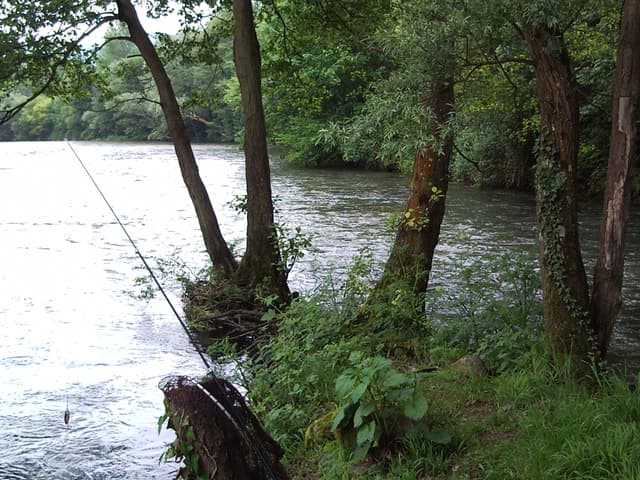
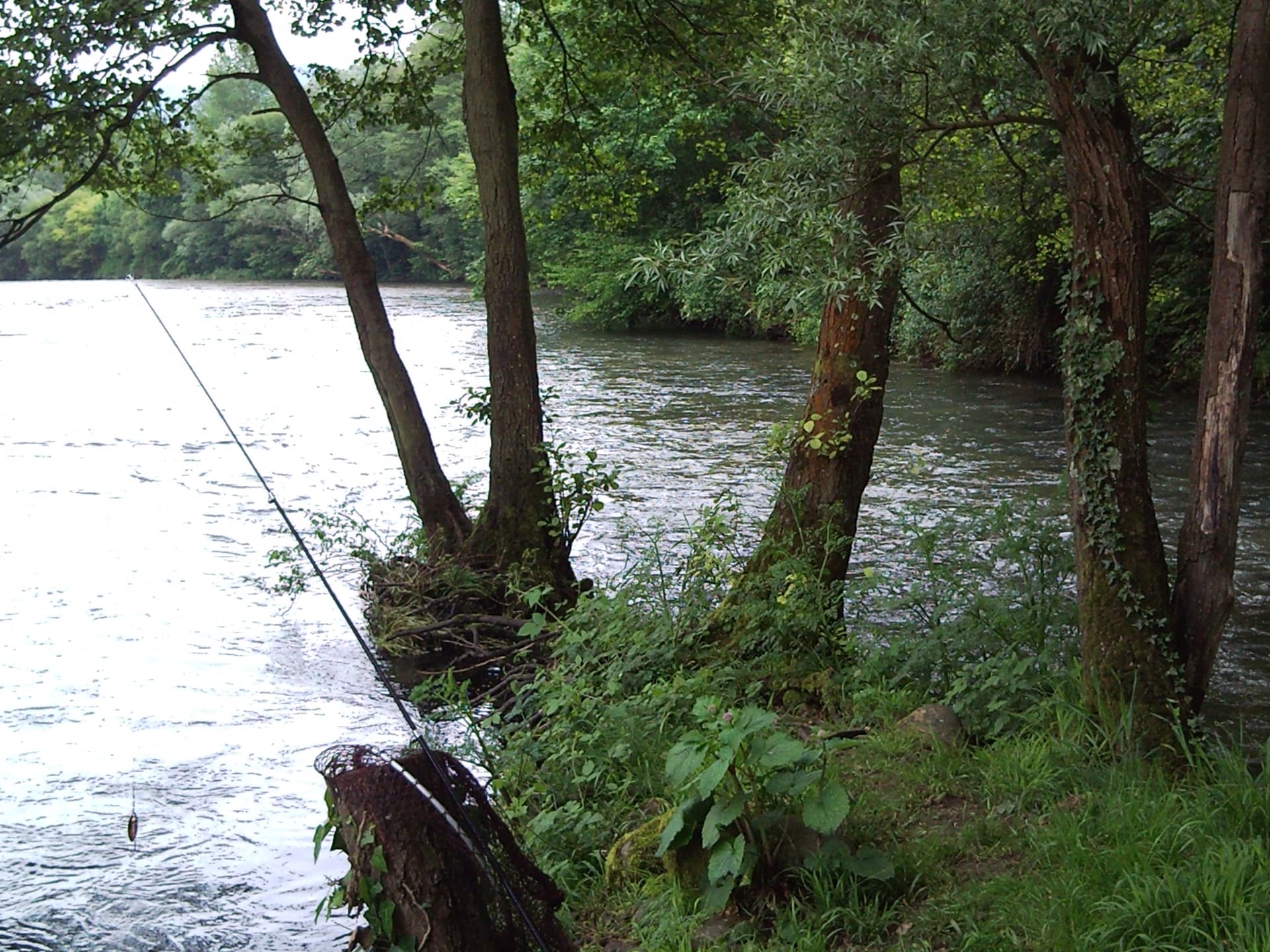
The Pigüeña flows 42 km through mixed geology — limestone pools interspersed with sandstone runs and slate sections — supporting healthy wild brown and sea trout.

Marginal · Brown Trout
Ignita CDC · 16-20
Marginallive now
Slow going — pick your moments
River temperature is the limiting factor today, not the flow. Fish dawn or dusk if you go at all, and handle everything with extra care.
80% confidence
What moved it
  • Level1.18 mLast reading 6h ago
  • Water temp18.6°C
  • ClarityClear
Today’s fly
IC
Ignita CDC16-20
Upstream dry, on top
Conditions on the water
Live gauge
Level
Steady
1.18 m
lowspate
Water temp18.6°C
ClarityClear
Weather18°C
WindS 4 km/h
Pressure1019 hPa
Rain · recent5.4 mm
Rain · ahead23.7 mm

Live readings — water temperature is an estimate where the gauge does not record it.

Water temperature for brown trout
Warm — slow
19°C est.ideal 1016°C
0°14°28°
How to fish it · for brown trout
When
Nymphing can work through most of the day.
Where
Cover mixed depths.
Method
Start with tight-line nymphs and adjust if fish rise or drift higher.
Kit
9 ft #4 rod, floating line, 12 ft tapered leader to 4–5 lb fluoro tippet.
Why this works
⚠️ Water at 18.6°C — above the brown trout caution line (18°C). Fish dawn or dusk only. Land it fast, wet hands, no air shots. Otherwise poor — water clarity is in the right range.
Hatch timeline · todayQuiet day

Hatch predictions

Today's headline hatch shown — see all 4 active hatches hour by hour with Pro.

Start free trial

14-day free trial. Cancel anytime.

Sub-surface · on the nymphunder the surface

Hatch predictions

See the full sub-surface read with Pro.

Start free trial

14-day free trial. Cancel anytime.

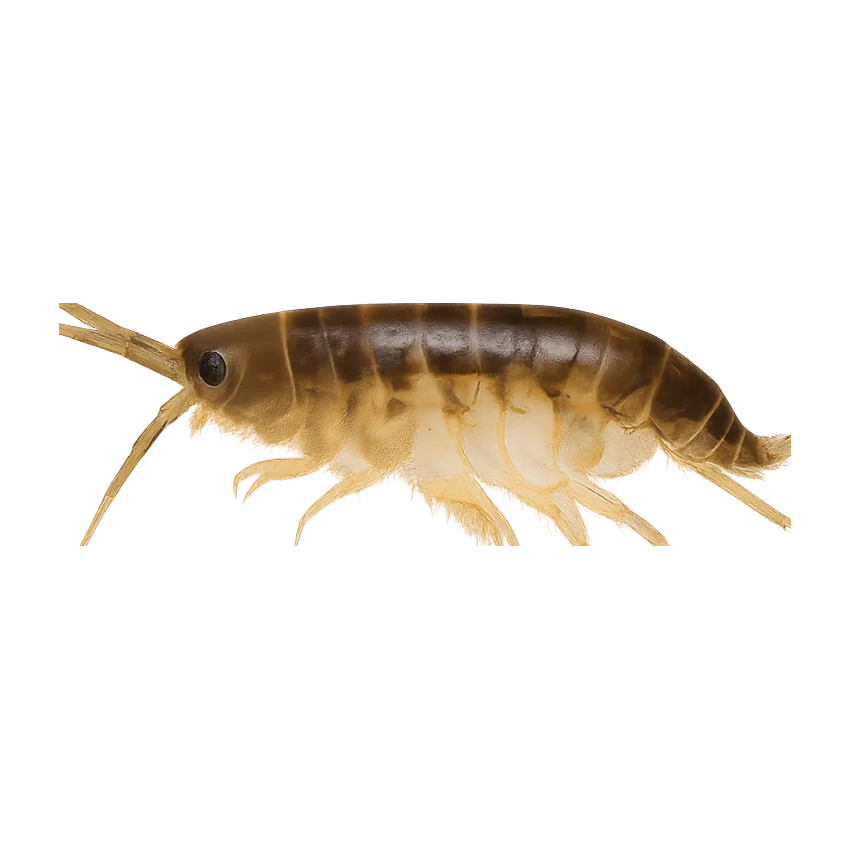
Beyond the hatch · worth watchingambient prey

Hatch predictions

Top prey shown — see all 2 with Pro.

Start free trial

14-day free trial. Cancel anytime.

Evidence
Records-basedModerate confidence

Based on species-occurrence records, not local invertebrate surveys.

Through the year
0–3 scale · July highlighted
J
F
M
A
M
J
J
A
S
O
N
D
March BrownHatch
2
3
2
GrannomHatch
2
2
Large StoneflyHatch
2
3
2
Yellow SallyHatch
2
3
2

Numbers are intensity 0 (none) to 3 (peak) — a guide, not a guarantee.
Ranked for today
Brown Trout fly box
Beats · 2
Belmonte · 1.8 kmC&R trout
C&R trout stretch — Puente en zona urbana de Belmonte to Puente carretera a Corias.
Beat detail
Daily permit required, all fish returned
Upstream: Puente en zona urbana de Belmonte
Downstream: Puente carretera a Corias
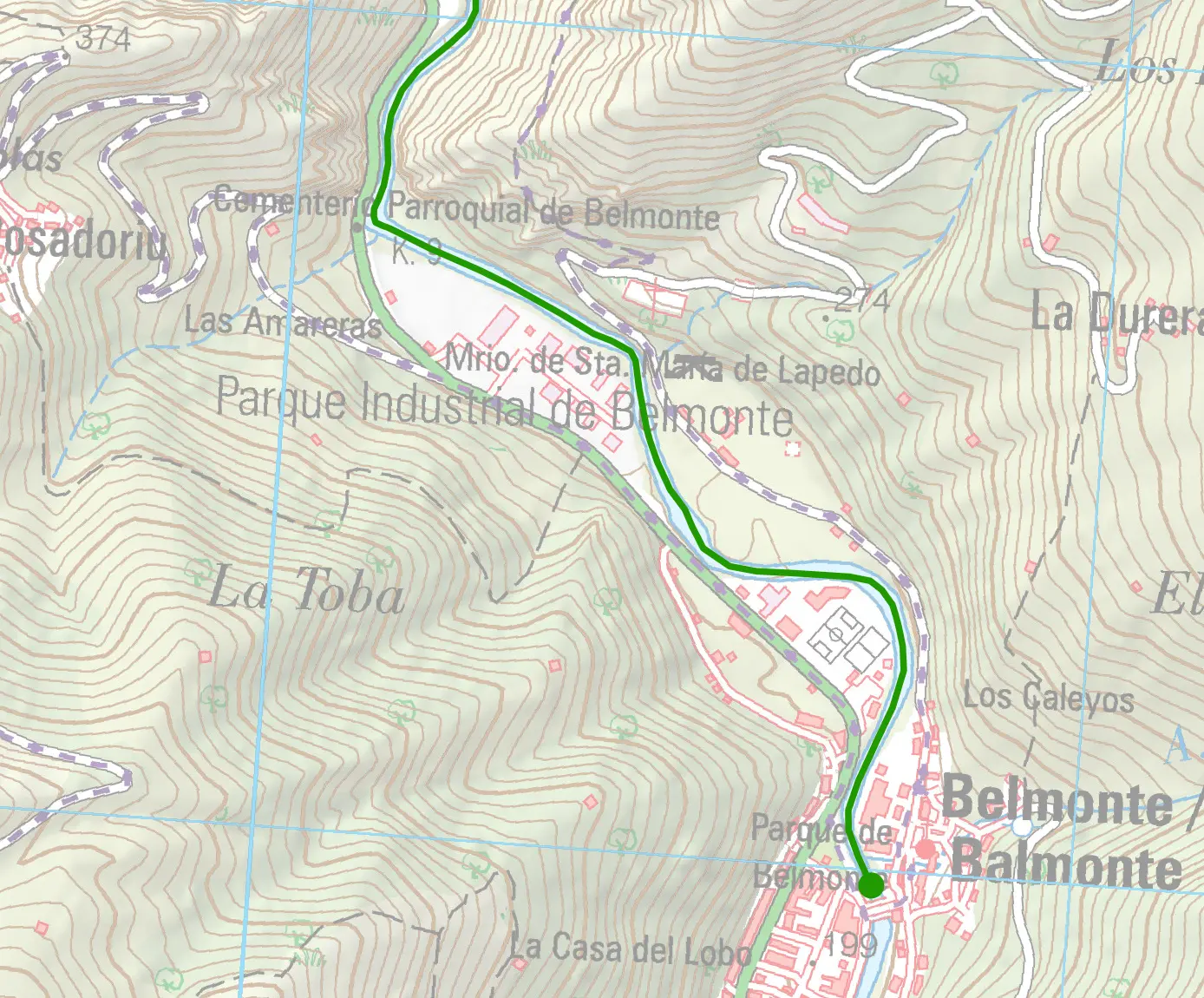
Belmonte beat map
Selviella · 1.3 kmC&R trout
C&R trout stretch — 50 m aguas abajo de la presa de Selviella to Puente de las Lleras. Central Hidroeléctrica de la Miranda.
Beat detail
Daily permit required, all fish returned
Upstream: 50 m aguas abajo de la presa de Selviella
Downstream: Puente de las Lleras. Central Hidroeléctrica de la Miranda
Selviella beat map
Permits & access
Free state water
State rod licence required for trout / salmon as applicable.
  • Asturian fishing licence required
  • In 2026 many trout waters run to 15 August, but salmon zones, mountain zones, tramos sin muerte, and border stretches can differ
  • Check local coto and tramo rules before fishing.
What's coming
Plan ahead
5-day outlook
Cooler water nearby · 1
Water here around 19°C — probably warm enough to stress brown trout. These are likely cooler.
Gallery · 1
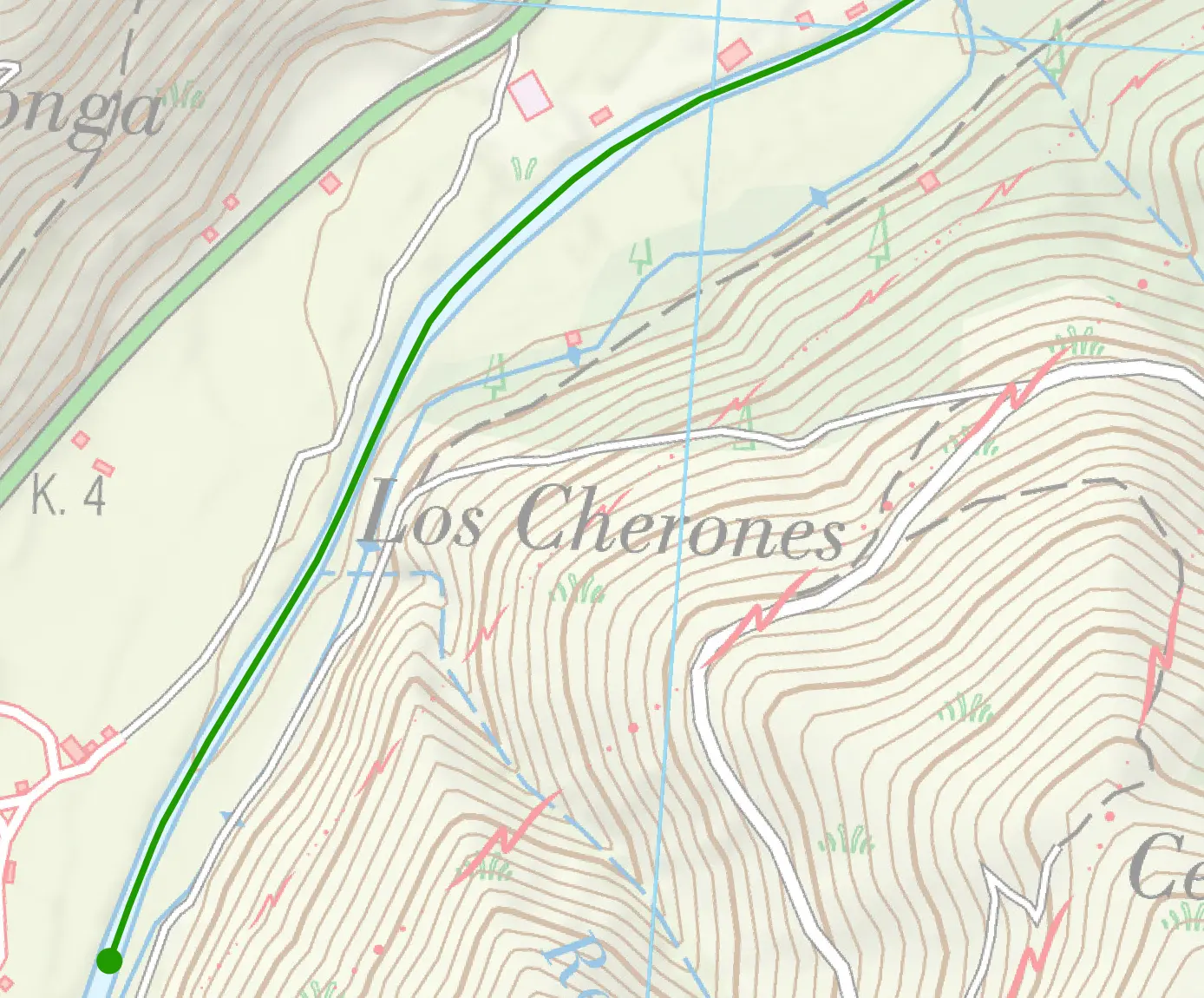
  1. Terrain map of the venue
    Terrain map
About this water

The Pigüeña flows 42 km through mixed geology — limestone pools interspersed with sandstone runs and slate sections — supporting healthy wild brown and sea trout. Browns run 15–32 cm main channel, with larger residents (35–45 cm) in exceptional pools. Sea trout May–July add summer dimension. The river's consistent water quality and three-station gauge coverage make it reliable. Mayfly excellent May–June; sedges and terrestrials work in summer. Straightforward roadside access. A tributary that asks nothing but attention and patience.

Under the surface

The Pigüeña feeds the Narcea from the south, bringing limestone and slate from the Cantabrian flanks. The upper reaches show mixed geology in step-pool confines; the descent is steep and spate-responsive. The river's character is a blend — limestone contributions bring some clarity, slate contributions bring the amber tone, and the resulting water colour is unique to this particular confluence. The middle Pigüeña settles into pool-riffle sequences on mixed cobble. The pools have character shaped by the blend of lithologies; they're productive and hold persistent fish. The wading demands care in the upper step-pool sections; the middle reaches become more approachable. The river's main gift is its position — arriving into the Narcea, it announces the transition from high Cantabrian country into lower valley reaches.

Wading: Greasy bedrock outcrops at lithology boundaries

  • Mixed
  • Partly confined
  • Step pool
  • Pool riffle
Water quality (WFD)
  • EcologyGood
  • ChemicalUnknown

WFD classification · ES018MSPFES193MAR001700

The full read · show the working · for brown trout · confidence 80%
How the 36 is built — score × weight = contribution
Temperature46 × 28%12.9
Flow60 × 22%13.2
Clarity95 × 18%17.1
Feeding Time50 × 13%6.5
Pressure80 × 7%5.6
Insect activity55 × 12%6.6
Conditions total= 62
Can you trust it?
Water temperatureair-to-water estimateestimated
Level / flowon-river gaugeobserved
Prey activitymodelled from regional profilemodelled
What would change the calculation
Cooler water — back toward the 10–16 °C ideal band — would lift the score and ease welfare.
The dawn and dusk windows score higher than the midday lull.
Directions
Seasons & zones

Sea trout: Variable seasonal (2026)

Related guides
Booking & contacts