
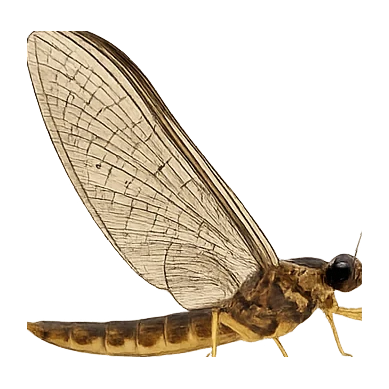
 Mayflies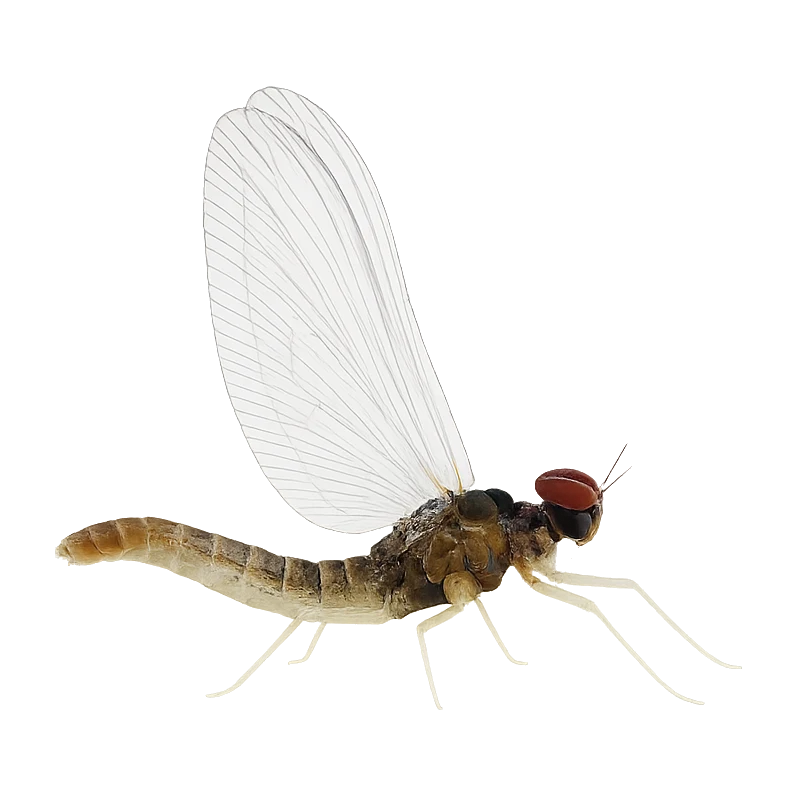
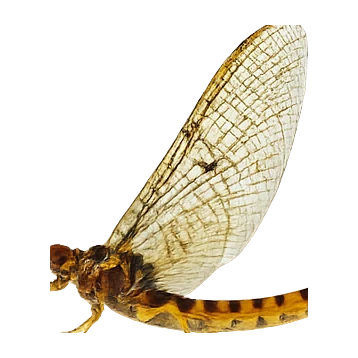
 Chironomids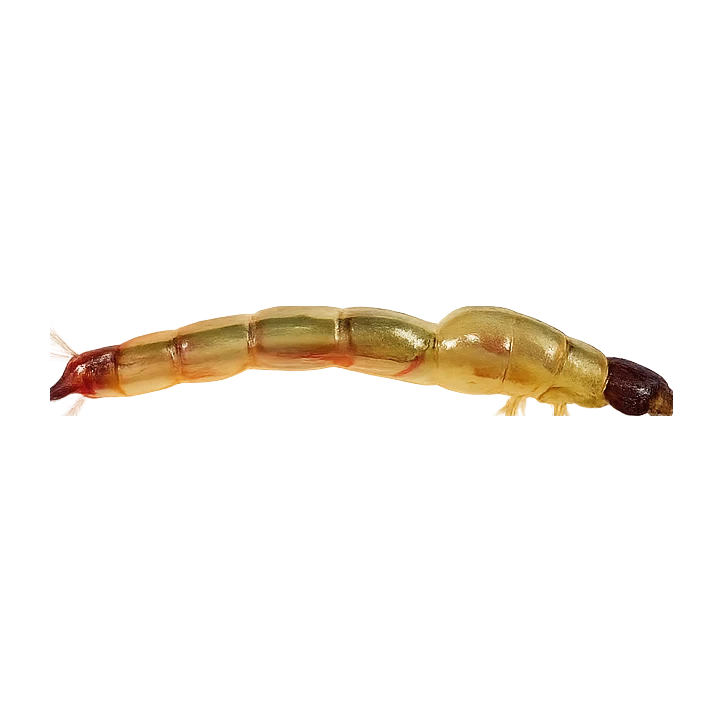
 Gammarids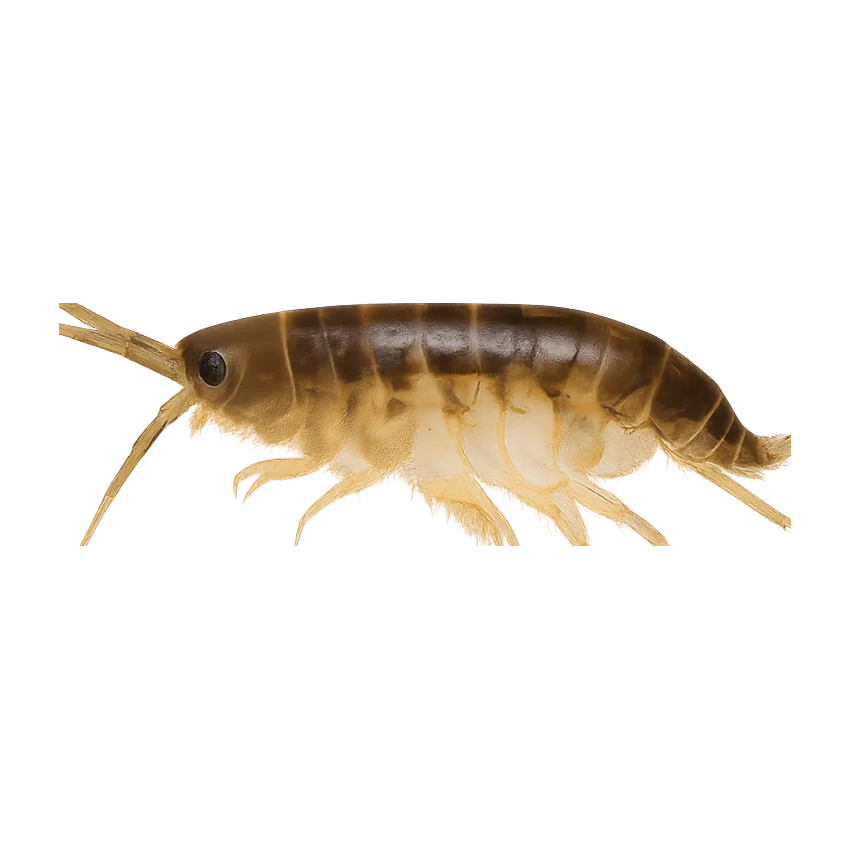
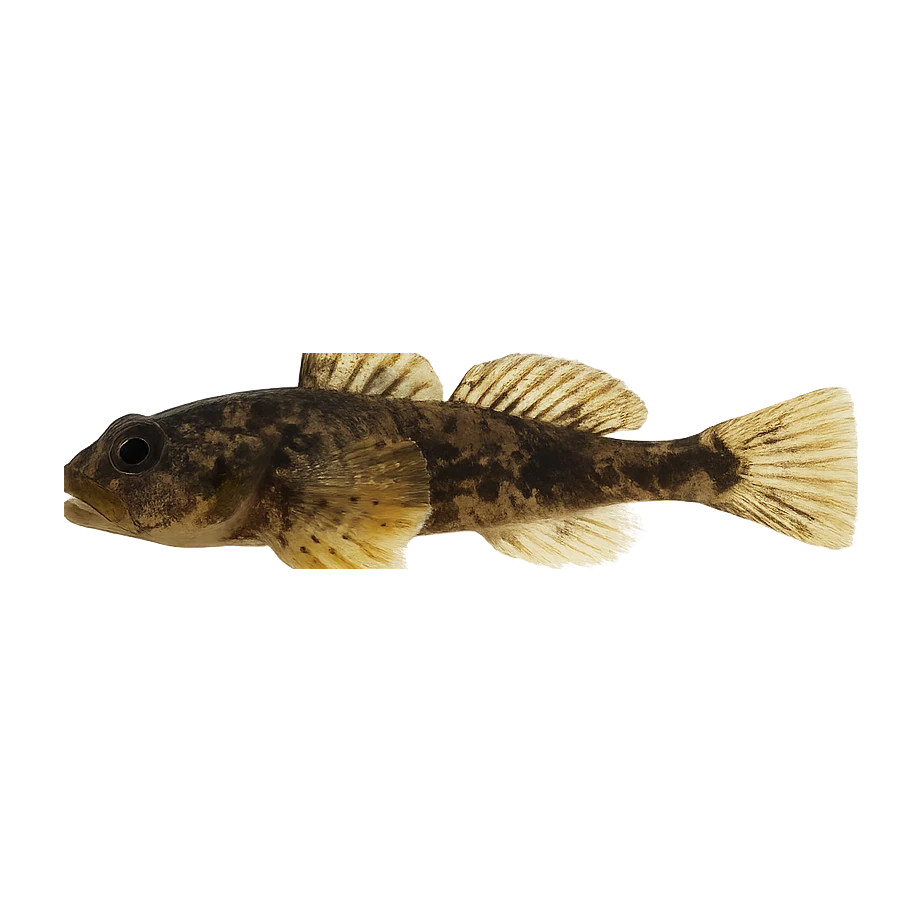
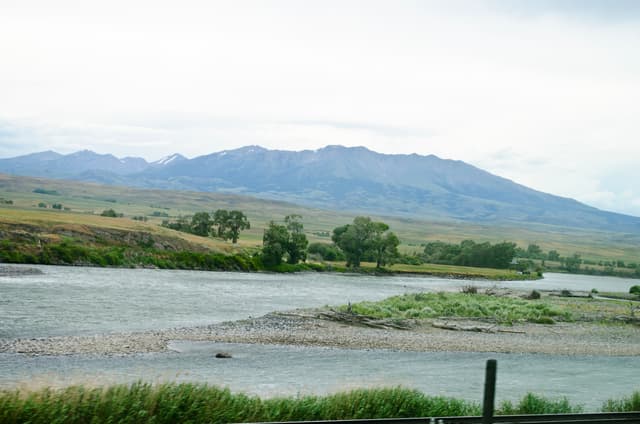
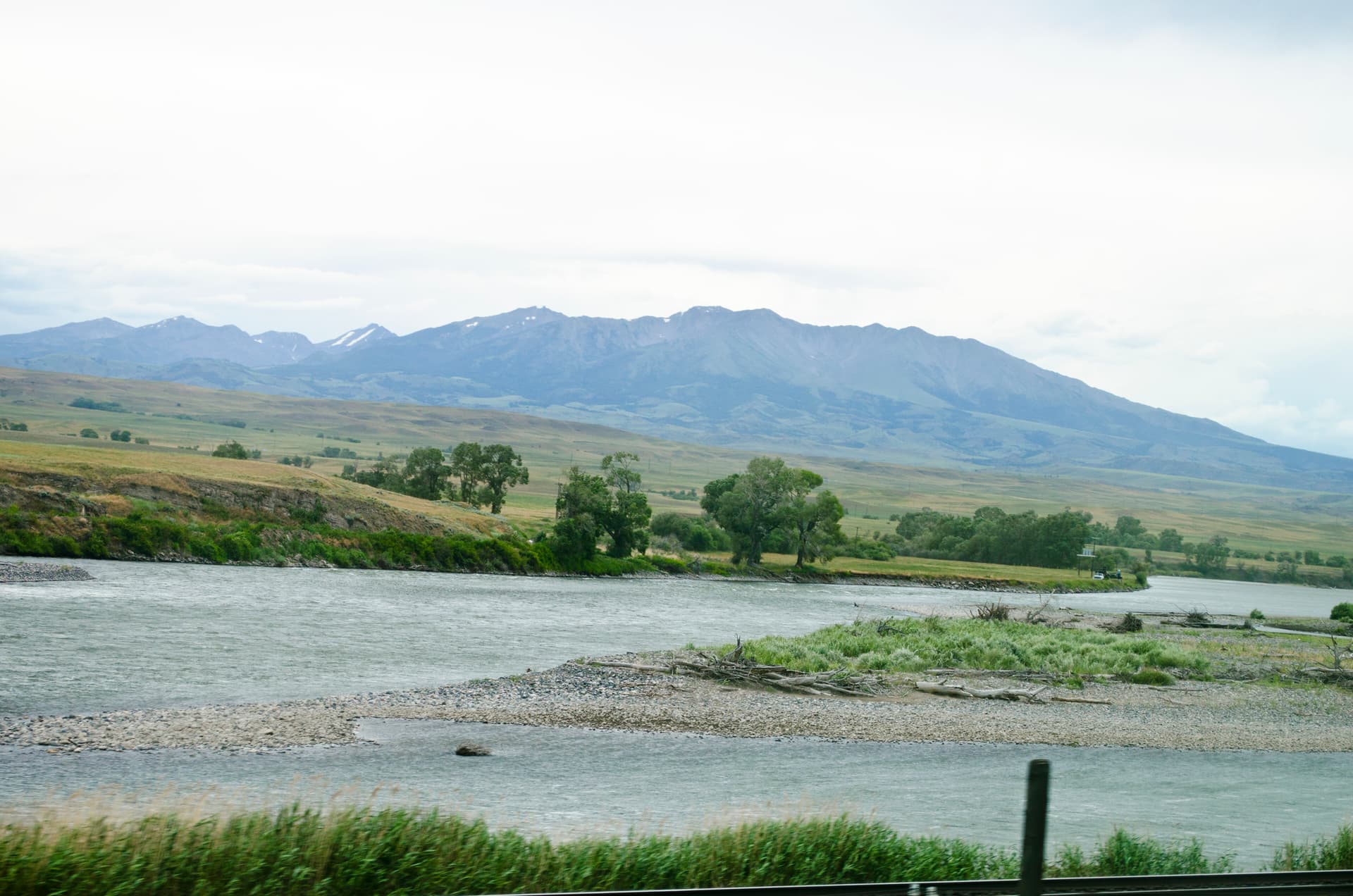
Through Paradise Valley the Yellowstone is big, honest freestone water — browns, rainbows, and Yellowstone cutthroat all sharing the same long runs and bank seams. The Mother's Day caddis and the post-runoff salmonfly and golden stone hatches are the events people drive for. The catch is late spring, when a long, muddy runoff window owns the river and there's nothing to do but wait it out.
The Yellowstone is the longest undammed river left in the lower forty-eight, and it earns the title the hard way — from its source south of the park, through Yellowstone Lake, over the two great falls and down the Grand Canyon of the Yellowstone with its yellow rhyolite walls, then out across Paradise Valley beneath the Absarokas toward Livingston and the plains. The fishing river is the freestone below the park: a big, brawling, cottonwood-lined flood that rises hard and brown with the June snowmelt and drops into shape by July. The bed is rounded volcanic and granitic cobble, the lies in the riffle corners and along the cut banks. This is native cutthroat water at heart, sharing the run now with browns and rainbows. Wading is honest work on slick freestone, and the river runs higher and faster than your eye keeps telling you.
Wading: Fast, high water over slick freestone
- Mixed
- Unconfined
- Pool riffle
- Large river